What Temp Do Tetras Like – Complete Guide
Most tropical tetras stay healthy in temperatures between 75°F and 80°F (24°C to 27°C). While species like Neon Tetras prefer the cooler end of that range, others like Cardinal Tetras flourish in slightly warmer waters.
One of the most frequent questions I hear from new hobbyists is, “what temp do tetras like” to keep them from getting stressed? After more than a decade of managing South American biotopes, I can tell you that temperature is the heartbeat of your aquarium.
When you understand the thermal needs of these shimmering jewels, you bring out their best colors and most active schooling behaviors. In this guide, we will look closely at the science of aquarium warmth to keep your fish live long, healthy lives.
Getting the temperature right isn’t just about comfort; it is about survival and biological function. Let’s explore how to create the perfect tropical environment for your finned friends.
At a glance: Tetras (general) (Family Characidae and relatives)
- Temperature
- 72–80°F (22–27°C) for most species
- Water pH
- 6.0–7.5 for most species
- Adult size
- 1–3 in (2.5–8 cm)
- Minimum tank
- 10–30 gal depending on species
- Group size
- Groups of 6–10+
- Temperament
- Mostly peaceful schooling fish
- Diet
- Omnivores: quality flakes or micro pellets plus frozen foods
- Lifespan
- 3–8 years
Keeper’s tip: Schooling size matters more than tank size for most tetras: small groups hide, nip and stress.
Understanding the Metabolism of Tropical Fish
Tetras are ectothermic, which means their internal body temperature is regulated by the water surrounding them. When you ask what temp do tetras like, you are really asking what environment allows their metabolic rate to function optimally.
In my experience, even a slight shift of a few degrees can drastically change how your fish behave and eat. If the water is too cold, their digestion slows down, and their immune systems can become compromised.
Conversely, water that is too warm can lead to a decrease in dissolved oxygen solubility. This means your fish have to work harder to breathe while their metabolism is racing, which is a recipe for exhaustion.
Pro Tip: Always use two thermometers—one digital and one traditional glass hang-on. I have seen many digital sensors fail or lose calibration, and having a secondary reference point has saved my tanks from overheating more than once.
what temp do tetras like for Different Species?
While many people group all tetras together, they actually come from various regions with slightly different climates. Most common tetras are native to the Amazon basin, but some prefer the cooler forest streams while others enjoy the sun-warmed shallows.
Maintaining the ideal range for neons is quite different from caring for their cousins, the Cardinal Tetras. Understanding these nuances is the mark of a successful aquarist.
Below is a breakdown of the temperature preferences for the most popular species in the hobby.
| Tetra Species | Scientific Name | Ideal Temperature Range |
|---|---|---|
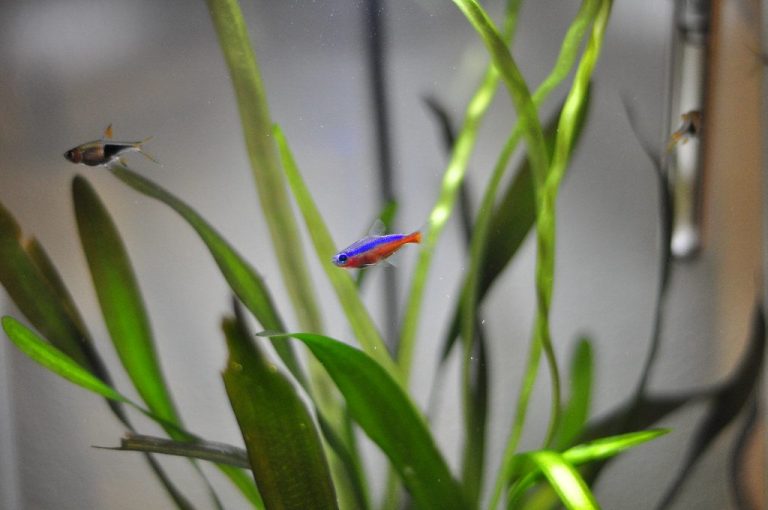
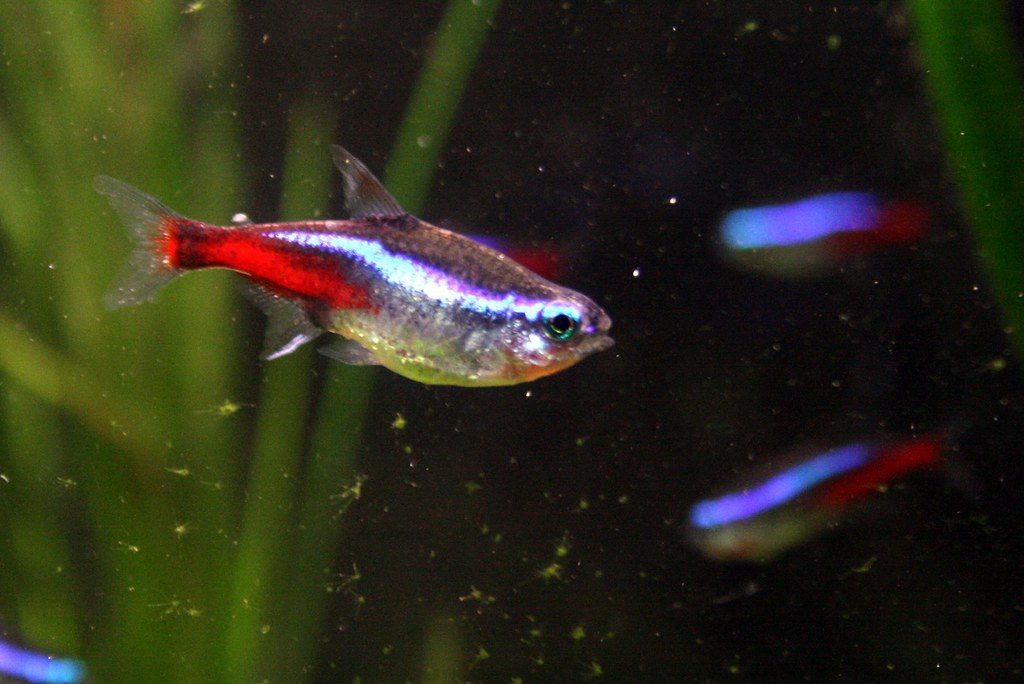
| Neon Tetra | Paracheirodon innesi | 70°F – 78°F (21°C – 25°C) |
| Cardinal Tetra | Paracheirodon axelrodi | 73°F – 82°F (23°C – 28°C) |
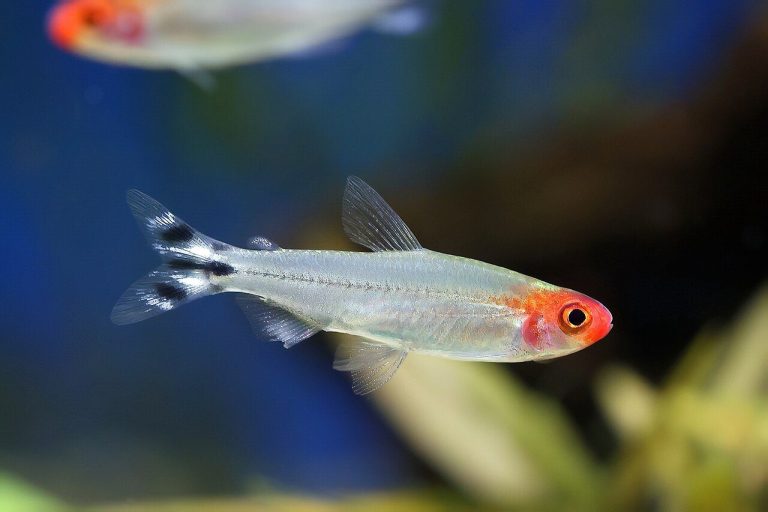
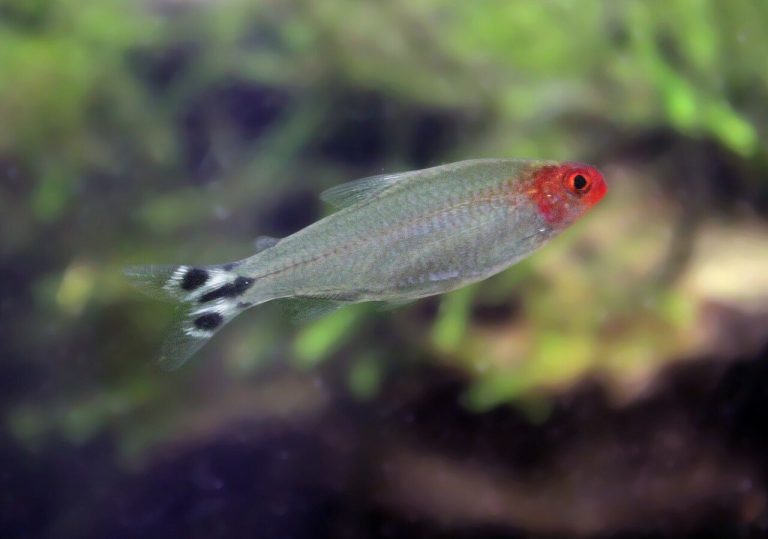
| Rummy Nose Tetra | Hemigrammus rhodostomus | 75°F – 84°F (24°C – 29°C) |
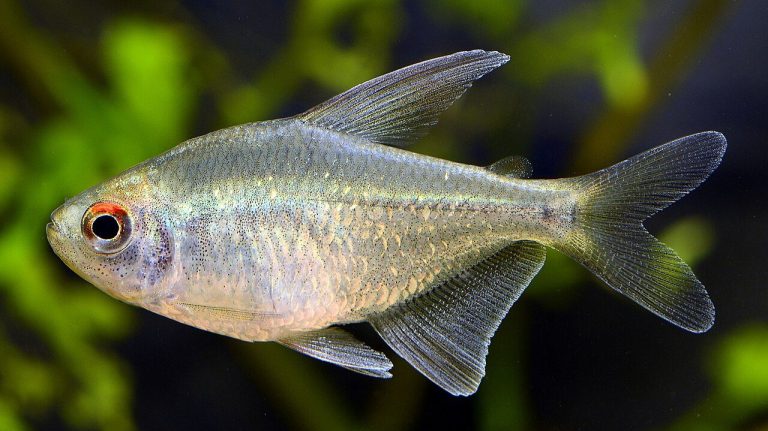
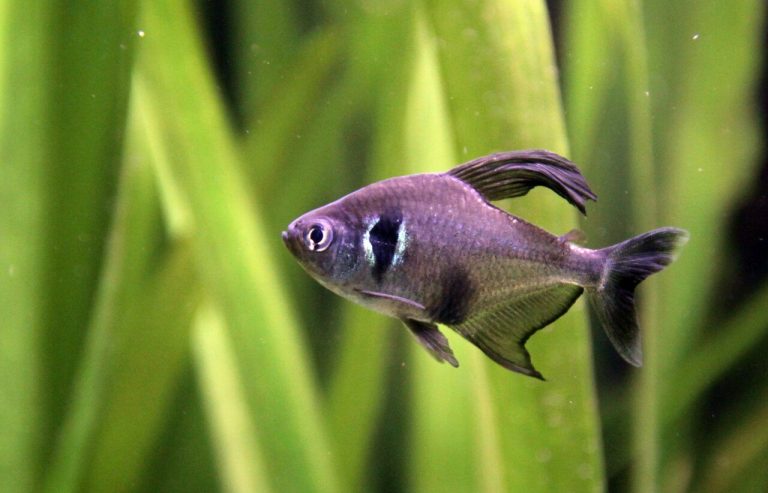
| Black Skirt Tetra | Gymnocorymbus ternetzi | 70°F – 82°F (21°C – 28°C) |
| Ember Tetra | Hyphessobrycon amandae | 73°F – 82°F (23°C – 28°C) |
The Cooler Preference of Paracheirodon innesi
The common Neon Tetra, or Paracheirodon innesi, actually prefers slightly cooler water than most people realize. In my early years, I kept them at 80°F, only to find they lived much longer when I dropped the tank to 74°F.
When water is too warm for Neons, they often become more susceptible to diseases. Keeping them in their “sweet spot” helps maintain their bright blue and red stripes.
The Warmth Lovers: Cardinal and Rummy Nose
If you are keeping Paracheirodon axelrodi (Cardinal Tetras) or Hemigrammus rhodostomus (Rummy Nose Tetras), you should lean toward the warmer side. These species are often found in “blackwater” environments that can get quite toasty.
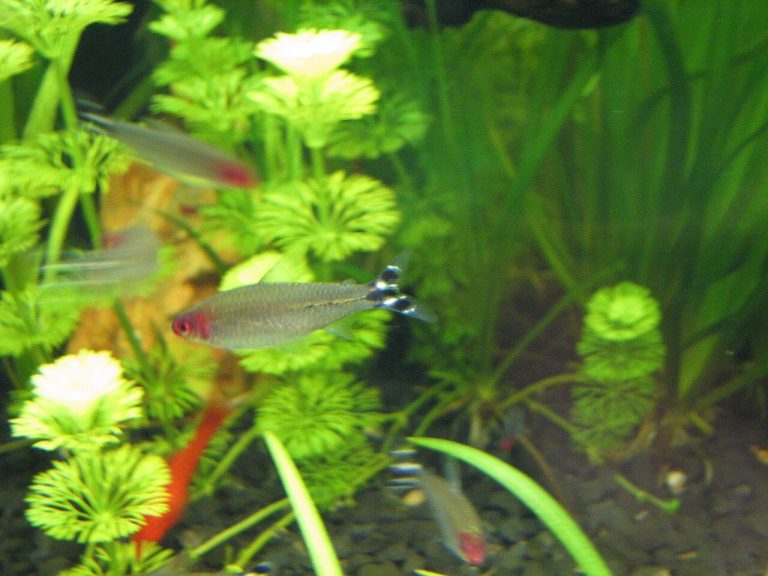
Rummy Nose Tetras are particularly good “indicator fish.” If the temperature drops too low, their bright red faces will fade to a pale pink, signaling that something is wrong.
The Role of Stability in Thermoregulation
While knowing what temp do tetras like is vital, knowing how to keep it stable is even more important. In the wild, large bodies of water change temperature very slowly.
In a home aquarium, however, the volume of water is much smaller. This means room drafts, sunlight, or a faulty heater can cause rapid swings that lead to thermal shock.
Thermal shock is one of the leading causes of sudden death in schooling fish. It weakens their protective slime coat and makes them easy targets for parasites.
Choosing the Right Submersible Heater Thermostat
To maintain a consistent environment, a high-quality submersible heater thermostat is non-negotiable. You want a heater that is rated for your specific tank size, usually 3 to 5 watts per gallon.
I always recommend placing the heater near the filter intake or outflow. This makes sure that the warmed water is circulated evenly throughout the tank, preventing “cold spots” in the corners.
The Impact on Osmoregulation
Temperature also plays a massive role in osmoregulation, which is how fish maintain the balance of water and salt in their bodies. If the water is outside their preferred range, their organs have to work overtime just to stay balanced.
This extra work causes chronic stress. Stress in tetras almost always leads to a shortened lifespan and a lack of interest in breeding or schooling.
Common Problems Linked to Temperature
When fish are kept at the wrong temperature, their immune systems falter. This opens the door for opportunistic pathogens that are always present in aquarium water.
The most common issue I see is the dreaded “Ich,” caused by the parasite Ichthyophthirius multifiliis. These tiny white spots often appear after a sudden temperature drop, such as during a water change or a heater failure.
Understanding specific water conditions and how they interact with heat is the best way to prevent these outbreaks. A stable, warm environment keeps the fish’s natural defenses strong.
Pro Tip: When performing water changes, always use a thermometer to match the new water to the tank water within 1 degree. Pouring cold water directly into a warm tetra tank is the fastest way to trigger an Ich outbreak.
Managing High Temperatures in Summer
Sometimes the challenge isn’t keeping the tank warm, but keeping it cool. During summer months, many hobbyists struggle with tanks climbing into the high 80s.
High heat reduces the amount of oxygen available in the water. If you see your tetras gasping at the surface, the dissolved oxygen solubility has likely dropped too low due to the heat.
To combat this, you can increase surface agitation with an air stone or a powerhead. You can also use a small fan to blow across the surface of the water, which uses evaporative cooling to drop the temperature by a few degrees.
The Science of Breeding and Heat
If you are interested in spawning, knowing what temp do tetras like for reproduction is a different ballgame. Many species require a slight “pulse” or change in temperature to trigger spawning behavior.
In the wild, the rainy season brings slightly cooler, softer water. Many breeders simulate this by performing a large water change with water that is 2-3 degrees cooler than the tank average.
This mimicking of nature tells the fish that it is time to lay eggs. However, this should only be done by intermediate keepers who can monitor the fish closely for signs of stress.
Essential Tools for Temperature Management
To be successful, you need more than just a heater. You need a system of checks and balances to ensure your tetras are always in their comfort zone.
- Primary Heater: A reliable, adjustable submersible model.
- Heater Controller: An external device that shuts off power if the heater sticks in the “on” position.
- Digital Thermometer: For quick, easy-to-read daily checks.
- Glass Thermometer: A permanent, non-electronic backup.
If you put in these tools, you are creating a safety net for your aquatic ecosystem. I have seen entire collections lost to a single “stuck” heater, a tragedy that is easily preventable.
Frequently asked questions
Can tetras live without a heater?
In most modern homes, the answer is no. Unless your room stays a constant 75°F-78°F year-round, you need a heater to prevent nighttime temperature drops that stress the fish.
What happens if the water is too cold?
If the water drops below 70°F for most species, their metabolic rate will plummet. They will stop eating, hide in corners, and eventually succumb to fungal or bacterial infections.
Is 82 degrees too hot for Neon Tetras?
Yes, for Paracheirodon innesi, 82°F is quite high for long-term keeping. While they can survive it for short periods, it will speed up their aging process and may lead to respiratory distress.
How do I lower the aquarium temperature safely?
Never drop ice cubes directly into the tank. Instead, turn off the lights, improve aeration, and use a fan to blow air across the water surface. Gradual changes are always safer than sudden ones.
Do all tetras like the same temperature?
No. As shown in our table, there is a significant difference between a Neon Tetra (cooler) and a Rummy Nose or Cardinal Tetra (warmer). Always research your specific species before setting your thermostat.
My final take
Determining what temp do tetras like is the first step toward a stable, colorful aquarium. By aiming for a stable range of 75°F to 80°F, you cater to the needs of the majority of common species.
Remember that stability is the “secret sauce” of fish keeping. Avoid rapid fluctuations, invest in a quality submersible heater thermostat, and always keep a backup thermometer handy.
When your tetras are at their ideal temperature, their colors will glow, their social hierarchies will flourish, and you will enjoy the true beauty of these incredible tropical fish.

- 2003First tank
- 20+Years keeping
- 40+Tanks kept
- 0Sponsored picks
Howard set up his first 10-gallon planted tank in 2003 and lost half of it within six weeks. Two decades and more than forty aquariums later, he writes the guides he wished he had then: clear numbers, the reasons behind them, and what actually goes wrong in home tanks.