Tetra Fish Food Flakes – What and How Often to Feed
Tetra fish food flakes are nutrient-rich, floating diets specifically formulated to provide essential proteins, vitamins, and minerals. They support the high metabolism of small characins while improving their natural coloration and immune system health.
In my decade of maintaining various community aquariums, I have found that feeding is the most impactful interaction we have with our aquatic pets.
Choosing the right tetra fish food flakes is the primary foundation for a stable, energetic school of fish that displays its full spectrum of colors.
When I first started keeping tetras, I didn’t realize how much the quality of their diet influenced their lifespan and resistance to disease.
At a glance: Tetras (general) (Family Characidae and relatives)
- Temperature
- 72–80°F (22–27°C) for most species
- Water pH
- 6.0–7.5 for most species
- Adult size
- 1–3 in (2.5–8 cm)
- Minimum tank
- 10–30 gal depending on species
- Group size
- Groups of 6–10+
- Temperament
- Mostly peaceful schooling fish
- Diet
- Omnivores: quality flakes or micro pellets plus frozen foods
- Lifespan
- 3–8 years
Keeper’s tip: Schooling size matters more than tank size for most tetras: small groups hide, nip and stress.
Understanding Tetra Fish Food Flakes and Nutritional Needs
Most tetras are omnivores that require a diverse range of nutrients to maintain their high energy levels.
High-quality tetra fish food flakes are designed to mimic the variety of food sources these fish would find in the wild, such as insects and plant matter.
A key component to look for on the label is the Crude protein content, which should ideally be sourced from whole fish or shrimp meal.
Expert Tip: Always check the first three ingredients on your fish food container. If you see “wheat flour” or “soybean meal” listed first, the food is mostly filler and will produce more waste than nutrition.
For species like the Paracheirodon innesi (Neon Tetra), a diet rich in Spirulina platensis can significantly boost their immune response.
This blue-green algae is a powerhouse of vitamins that helps fish stay resilient against common environmental stressors.
If you provide a balanced diet, you make sure that your fish have the energy to school naturally and interact with their environment.
Why Quality Flakes Matter for Your School
The visual appeal of tetras, especially the Paracheirodon axelrodi (Cardinal Tetra), is one of the main reasons we keep them.
Quality flakes often contain Carotenoids, which are natural pigments that the fish cannot produce on their own.
One specific pigment, Astaxanthin, is frequently added to premium flakes to intensify the reds and oranges in your fish.
In my experience, switching to a high-carotenoid flake can show noticeable color improvements in as little as two weeks.
Beyond aesthetics, the right proper nutrition for neons and other tetras supports their internal organ function.
Poor quality food can lead to fatty liver disease or stunted growth, especially in young, developing fish.
When comparing different brands, it helps to understand what the numbers on the back of the can actually mean for your fish.
The following table breaks down the ideal nutritional ranges for most common tetra species.
| Nutrient | Ideal Percentage | Primary Benefit |
|---|---|---|
| Crude Protein | 40% – 50% | Growth and tissue repair |
| Crude Fat | 8% – 12% | Energy source and vitamin absorption |
| Crude Fiber | 2% – 4% | Aids in healthy digestion |
| Vitamin C | Stabilized form | Immune system support |
Higher protein levels are generally better for active schooling fish that swim against a current.
However, if the protein is not easily digestible, it will simply pass through the fish and contribute to tank pollution.
This is why I always emphasize looking for “whole” proteins rather than “by-products” or “meals” of unknown origin.
Proper Feeding Techniques for Peak Health
How you feed your tetra fish food flakes is just as important as what you are feeding.
Most tetras are mid-water or surface feeders, meaning they prefer to grab food as it floats or slowly sinks.
The Surface tension of the water can sometimes keep flakes at the top for too long, making it hard for shy fish to reach.
I usually recommend pinching the flakes underwater or crushing them slightly so they disperse throughout the water column.
This helps make sure that every fish in the school, from the boldest to the most timid, gets a fair share of the meal.
Common Mistake: Feeding too much at once. Only provide what your fish can consume in 2 to 3 minutes. Excess food that sinks to the bottom will rot and ruin your water quality.
Overfeeding is the number one cause of health issues in home aquariums.
When fish eat too much or eat food that has expanded too quickly, it can affect their Swim bladder buoyancy.
This can cause the fish to swim sideways or struggle to stay level in the water, which is incredibly stressful for them.
Managing Water Quality and Waste
Every time you add tetra fish food flakes to your tank, you are also adding potential waste.
Undigested food and fish excrement break down into Nitrogenous waste, specifically ammonia and nitrites.
Even if your fish eat everything, high-protein diets can lead to Phosphate loading in the aquarium.
Excess phosphates are a primary driver of algae blooms, which can quickly take over a beautiful aquascape.
To manage this, I always pair a high-quality diet with efficient filtration systems that can handle the bioload.
Regular water changes are also non-negotiable for keeping these parameters in check.
I’ve noticed that tanks with “cleaner” foods tend to require less scrubbing and have much clearer water over time.
Improving the Diet with Variety
While tetra fish food flakes are a fantastic staple, they shouldn’t be the only thing your fish ever eat.
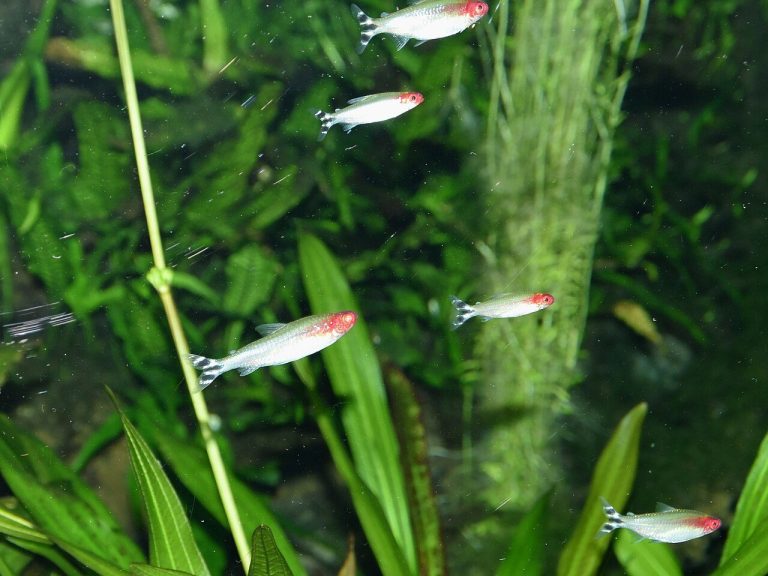
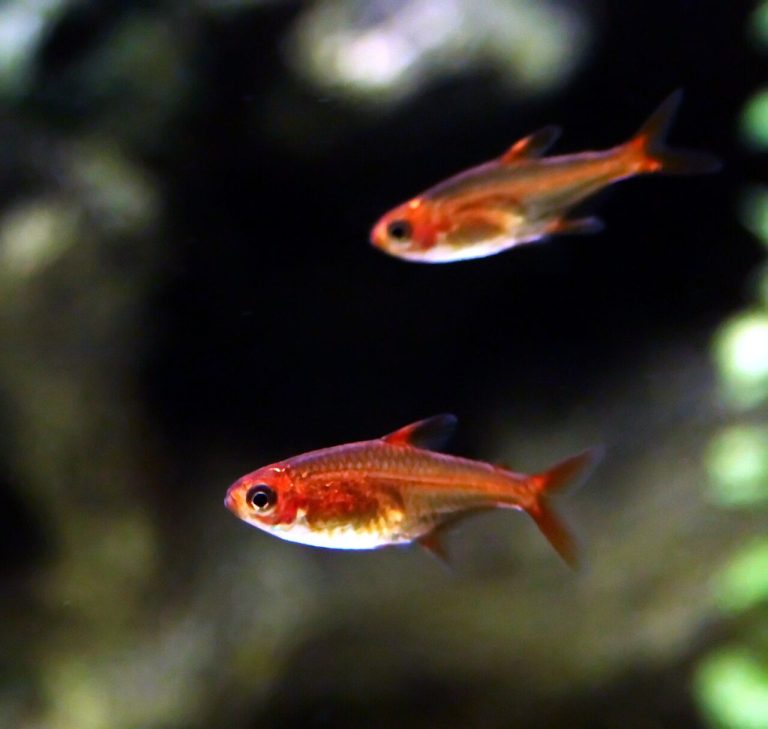
In my years of keeping species like the Rummy Nose or Ember Tetra, I’ve seen the best results with a “staple plus” approach.
I use flakes for 70% of their diet and supplement the rest with frozen or live foods like daphnia or brine shrimp.
This variety makes sure they get different amino acid profiles and keeps their hunting instincts sharp.
Consistency in your comprehensive care routine will lead to fish that live much longer than the average pet store expectation.
If you notice your fish losing interest in their flakes, it might be time to rotate to a new brand or add a liquid vitamin soak.
Reader questions About Tetra Flakes
Can I feed my tetras flakes every day?
Yes, high-quality flakes are designed to be a daily staple. However, I usually recommend fasting your fish for one day a week to allow their digestive systems to clear out completely.
Why do my tetras ignore the food on the surface?
Some tetras are more cautious and prefer to wait for the flakes to start sinking. Try pre-soaking the flakes in a small cup of tank water before pouring them in to help them sink faster.
Do flakes expire or lose their nutritional value?
Absolutely. Once a container is opened, the vitamins begin to oxidize. I recommend buying smaller containers and replacing them every 3 to 4 months to make sure your fish are getting the full nutritional benefit.
Can I use goldfish flakes for my tetras?
It is not recommended. Goldfish flakes are typically lower in protein and higher in carbohydrates, which does not meet the metabolic needs of active tropical tetras.
How do I know if I’m overfeeding?
If you see food sitting on the substrate after five minutes, or if you notice a sudden spike in nitrate levels, you are likely feeding too much at once.
A last word
Finding the perfect tetra fish food flakes is a journey of observing your fish and understanding their specific needs.
If you prioritise high-quality ingredients like whole fish proteins and natural color enhancers, you are investing in the long-term health of your aquarium.
Feeding is a balance between providing enough energy for growth and maintaining a clean, stable environment.
In my experience, a well-fed school of tetras is the crown jewel of any freshwater tank, providing endless movement and color.
Take the time to read those labels, monitor your water parameters, and enjoy the rich life you’ve created in your home.

- 2003First tank
- 20+Years keeping
- 40+Tanks kept
- 0Sponsored picks
Howard set up his first 10-gallon planted tank in 2003 and lost half of it within six weeks. Two decades and more than forty aquariums later, he writes the guides he wished he had then: clear numbers, the reasons behind them, and what actually goes wrong in home tanks.