Penguin Tetra Tank Mates – Compatibility Guide
Penguin Tetra tank mates should be peaceful, active, and similarly sized community fish. Ideal companions include Corydoras, Rasboras, Dwarf Cichlids, and other peaceful Characins that flourish in similar soft, slightly acidic water conditions.
Finding the perfect Penguin Tetra tank mates is a satisfying challenge for any aquarist looking to build a bright Amazonian display.
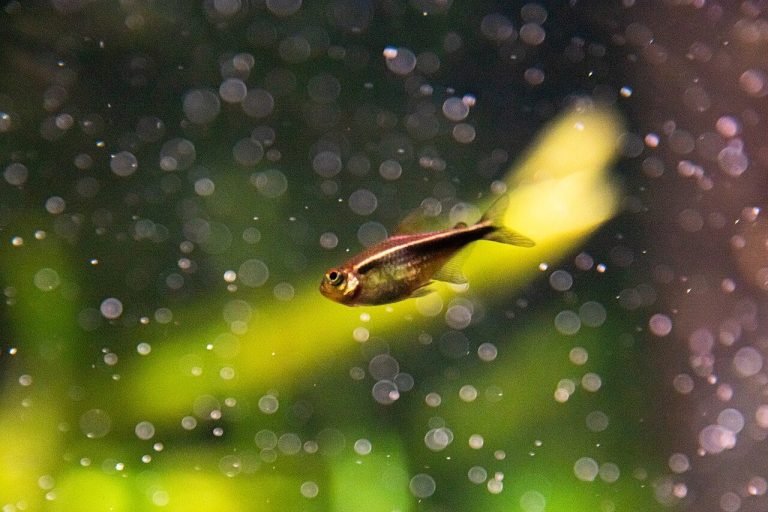
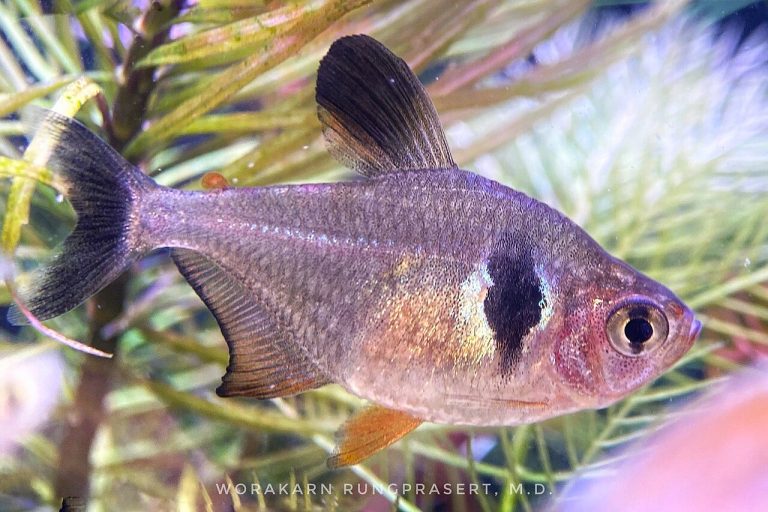
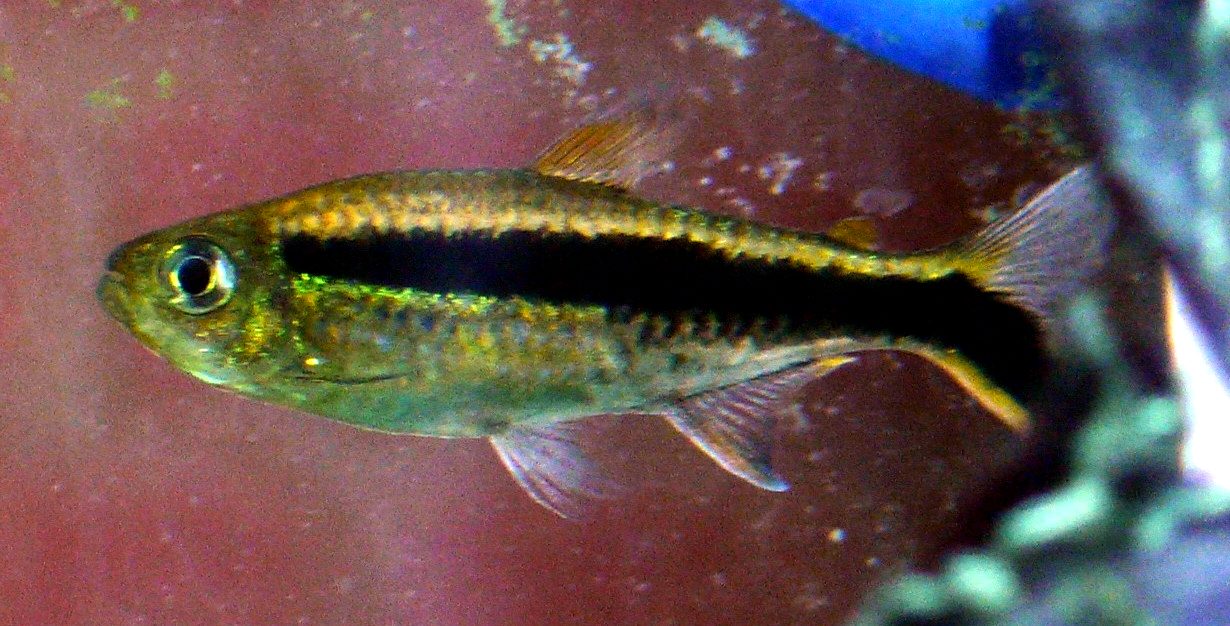
These unique fish, scientifically known as Thayeria boehlkei, are famous for their “hockey stick” stripe and their peculiar habit of swimming at an upward 45-degree angle.
In my fifteen years of maintaining South American community tanks, I have found that while these fish are generally peaceful, their high energy levels require careful consideration when choosing their neighbors.
Selecting the right companions ensures that your aquarium remains a stress-free environment where every inhabitant can stay healthy and display their natural behaviors.
At a glance: Penguin tetra (Thayeria boehlkei)
- Temperature
- 72–82°F (22–28°C)
- Water pH
- 6.0–8.0
- Adult size
- 2.5 in (6 cm)
- Minimum tank
- 20 gal
- Group size
- Groups of 6+
- Temperament
- Peaceful, slightly nippy
- Diet
- Omnivore: flakes, small pellets, frozen foods
- Lifespan
- 5 years
Keeper’s tip: They swim at a head-up angle naturally; that tilt is normal and not a swim bladder problem.
Understanding Penguin Tetra Tank Mates Compatibility
Before we look at specific species, it is vital to understand the fundamental nature of the Penguin Tetra.
These fish belong to the Characidae family and are native to the upper Amazon basin, where they handle slow-moving tributaries and flooded forests.
They are shoaling fish by nature, meaning they find safety and comfort in numbers; I always recommend keeping them in groups of at least six to eight individuals.
When considering Penguin Tetra tank mates, you must account for their activity level, as they are constant swimmers that occupy the upper and middle layers of the water column.
| Parameter | Ideal Range |
|---|---|
| Temperature | 72°F to 82°F (22°C to 28°C) |
| pH Level | 5.8 to 7.5 |
| Dicarbonate Hardness | 4 to 12 dKH |
| Minimum Tank Size | 20-30 Gallons |
The Importance of Water Chemistry
Matching water parameters is the first step in keeping long-term health for your community.
Penguin Tetras prefer soft water and can be sensitive to sudden shifts in Dicarbonate hardness or nitrate spikes.
If your tank mates require hard, alkaline water (like African Cichlids), they will not be compatible with the acidic preferences of Thayeria boehlkei.
Behavioral Dynamics
In my experience, Penguin Tetras are not aggressive, but they can be “zippy,” which might intimidate very shy or slow-moving fish.
They are far less nippy than some of their cousins, such as those found in our guide on Buenos Aires Tetra tank mates, making them much easier to house with delicate species.
However, they still possess a competitive feeding drive, so you must ensure that slower tank mates are actually getting their share of the food.
Top 10 Best Penguin Tetra Tank Mates
Choosing the right mix of bottom-dwellers and mid-water swimmers creates a balanced aesthetic and utilizes the entire tank space.
Here are my top recommendations for companions that I have personally seen flourish alongside Penguin Tetras.
1. Corydoras Catfish (Corydoras aeneus)
The Bronze Cory, or Corydoras aeneus, is perhaps the most iconic companion for any South American tetra.
They occupy the bottom of the tank, cleaning up fallen flakes while the Penguin Tetras patrol the top.
Their peaceful nature and hardy constitution make them an excellent choice for beginners and experts alike.
2. Bristlenose Pleco (Ancistrus cirrhosus)
The Ancistrus cirrhosus is a fantastic addition because it stays relatively small and focuses entirely on algae and driftwood.
They are armored and peaceful, meaning the active swimming of the tetras won’t bother them in the slightest.
I’ve noticed that having a Pleco helps maintain the “clean” look of an Amazonian biotope.
3. Harlequin Rasboras
While not from the same continent, Harlequin Rasboras share very similar water requirements and temperaments.
They school in the middle of the tank, creating a beautiful contrast with the monochrome “hockey stick” pattern of the Penguin Tetras.
Using different kinds of tetra fish or rasboras can add layers of color to your setup.
4. Agassiz’s Dwarf Cichlid (Apistogramma agassizii)
If you are looking for a centerpiece fish, the Apistogramma agassizii is a striking option.
These dwarf cichlids are generally peaceful toward non-cichlid tank mates and appreciate the same soft water.
They usually stay near the bottom or around caves, leaving the upper reaches of the tank to the Penguin Tetras.
Pro Tip: When introducing Dwarf Cichlids like Apistogramma, make sure you have plenty of visual breaks using driftwood or dense plants. This allows the Cichlids to establish a small territory without feeling threatened by the constant movement of the schooling tetras above.
5. Rummy Nose Tetras
Rummy Nose Tetras are legendary schoolers that stay in a tight pack, which looks incredible alongside the loose shoal of Penguin Tetras.
They act as “canary fish,” with their red noses fading if water quality drops, providing an early warning system for the whole tank.
In my years of keeping them, I have found that these two species rarely interact, simply coexisting in a beautiful moving display.
Creating an Amazonian Blackwater Environment
To see your Penguin Tetras shine, you should consider recreating an Amazonian blackwater habitat.
This involves adding botanical elements like Indian Almond leaves or driftwood that release tannins into the water.
These tannins contain humic acid, which has natural antifungal and antibacterial properties that benefit the fish’s immune systems.
Utilizing Floating Plants
Floating plants like Pistia stratiotes (Water Lettuce) provide essential cover for Penguin Tetras.
Since they spend much of their time near the surface, the long roots of floating plants offer a sense of security from perceived predators above.
This shade also helps mimic their natural environment, encouraging them to display deeper blacks and brighter silvers in their scales.
Substrate and Hardscape
I always recommend a dark sand substrate to make the white and black markings of the Penguin Tetra pop.
Incorporate plenty of twisted driftwood branches to create “lanes” for them to swim through.
This setup looks professional and also reduces the stress levels of your Penguin Tetra tank mates by providing hiding spots.
| Tank Component | Recommended Choice | Benefit |
|---|---|---|
| Substrate | Dark Sand or Fine Gravel | Boosts fish coloration |
| Plants | Amazon Sword, Water Lettuce | Provides cover and security |
| Hardscape | Bogwood or Driftwood | Releases beneficial tannins |
One of the biggest mistakes beginners make is keeping Penguin Tetras in too small a group.
When kept in groups of fewer than six, they can become nervous and may even start nipping at the fins of their tank mates out of stress.
In a large school, they focus their energy on interacting with each other, performing their characteristic “head-up” hover in unison.
Feeding Time Etiquette
Penguin Tetras are surface-oriented feeders, often snapping at food the moment it hits the water.
To help your bottom-dwelling Penguin Tetra tank mates are well-fed, I suggest using a mix of floating flakes and sinking pellets.
You can find excellent recommendations in our guide on the best fish food for tetras to keep their colors bright.
Swimming Space Requirements
Because they are so active, Penguin Tetras need a “long” tank rather than a “tall” one.
A standard 20-gallon long or a 29-gallon tank provides the horizontal swimming room they require to burn off energy.
If the tank is too cramped, you might see increased aggression or restlessness among the school.
Pro Tip: Avoid keeping Penguin Tetras with very long-finned, slow fish like fancy Guppies or Bettas. While Penguin Tetras aren’t typically “fin nippers,” their fast, darting movements can stress out slow-moving fish, leading to a suppressed immune system for the more delicate inhabitants.
Health and Safety: Avoiding Common Pitfalls
Even with the best Penguin Tetra tank mates, health issues can arise if maintenance is neglected.
Penguin Tetras are particularly susceptible to Ichthyophthirius multifiliis, commonly known as Ich or White Spot Disease.
This parasite often strikes when fish are stressed due to poor water quality or aggressive tank mates.
Quarantine Protocol
I cannot stress enough the importance of a quarantine tank for any new additions to your community.
Always observe new fish for at least two weeks before introducing them to your main display.
This simple step prevents the introduction of pathogens that could wipe out your entire established school of tetras.
Filtration and Water Flow
While they come from slow-moving waters, Penguin Tetras appreciate clean, well-oxygenated water.
A hang-on-back (HOB) filter or an external canister filter works best, provided the intake isn’t strong enough to suck in smaller fish.
Adjust the flow so there are areas of calm water where the fish can rest without constantly fighting a current.
Questions I get asked a lot
Can Penguin Tetras live with Shrimp?
Yes, they can live with larger shrimp like Amano or Bamboo shrimp. However, they may eat tiny Neocaridina (Cherry Shrimp) babies if the tank doesn’t have enough moss for the shrimplets to hide in.
Are Penguin Tetras aggressive?
Generally, no. They are active and can be boisterous, but they rarely cause harm to other fish if kept in a proper school of six or more.
How big do Penguin Tetras get?
They typically reach a maximum size of about 2.5 to 3 inches. This makes them medium-sized tetras that need more space than smaller Neons.
What is the best temperature for them?
They stay healthy best between 75°F and 79°F. Keeping the temperature stable is more important than the exact number within their range.
Do they jump out of the tank?
Yes. Penguin Tetras are known jumpers, especially if they get spooked during the night. Always keep a tight-fitting lid on your aquarium.
Final thoughts
Choosing the right Penguin Tetra tank mates is the key to a peaceful and eye-catching aquarium display.
If you focus on peaceful community fish like Corydoras aeneus and Ancistrus cirrhosus, you create a balanced ecosystem that mimics the beauty of the Amazon.
Provide them with a school of their own kind, plenty of swimming space, and a diet rich in high-quality nutrients.
When you see your school of Penguin Tetras hovering at their quirky angle amidst a lushly planted tank, you’ll know the effort was well worth it.
Maintaining a healthy aquarium is a journey, and with these companions, your Penguin Tetras will be the stars of a flourishing underwater world for years to come.

- 2003First tank
- 20+Years keeping
- 40+Tanks kept
- 0Sponsored picks
Howard set up his first 10-gallon planted tank in 2003 and lost half of it within six weeks. Two decades and more than forty aquariums later, he writes the guides he wished he had then: clear numbers, the reasons behind them, and what actually goes wrong in home tanks.