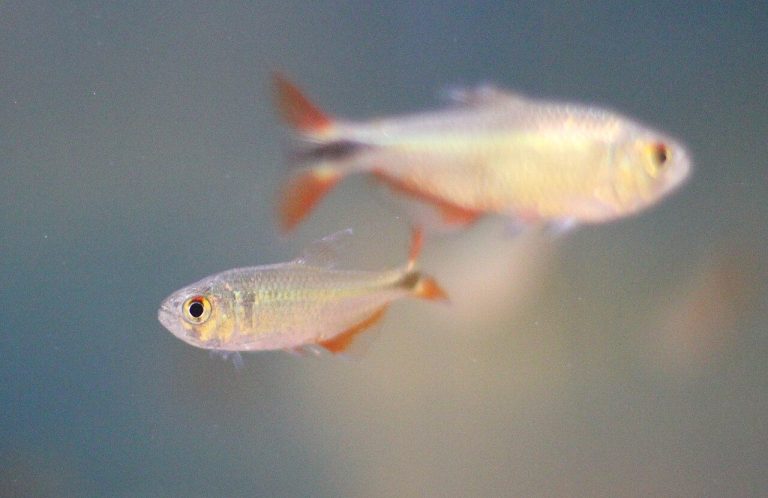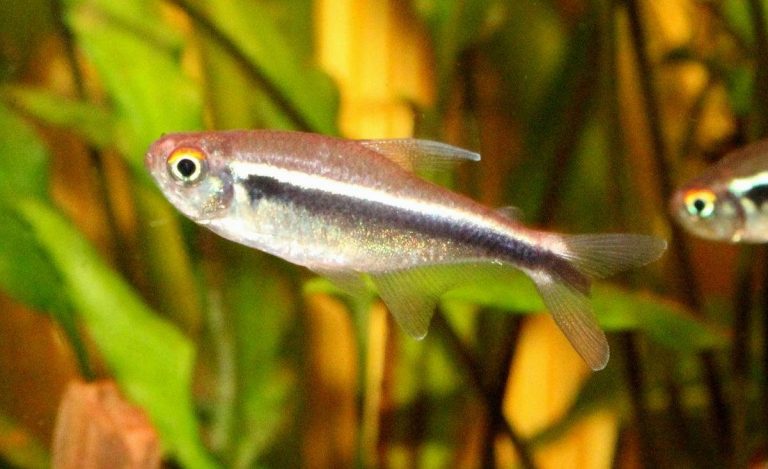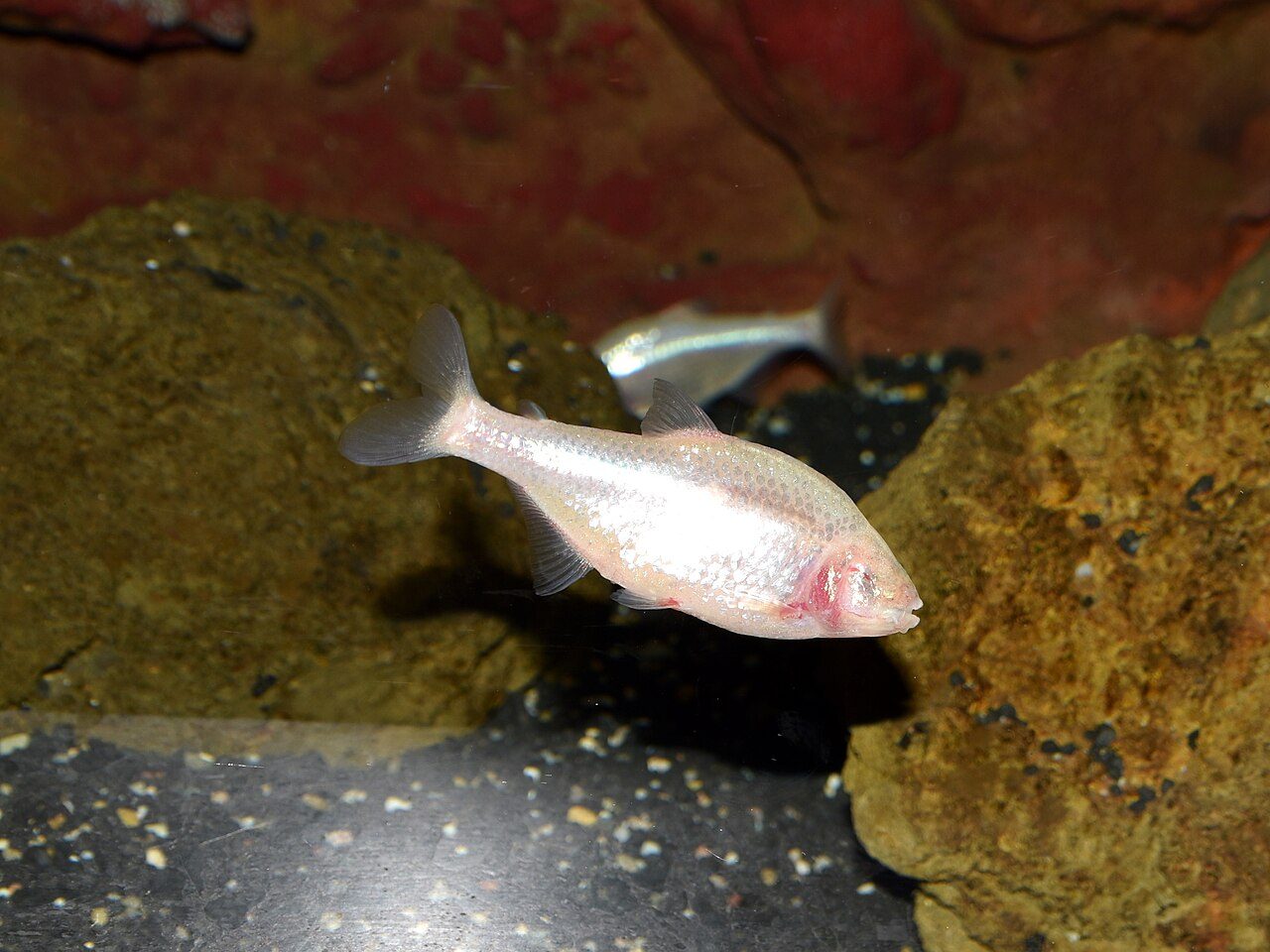
Blind Cave Tetra Fish – Care Guide
The blind cave tetra fish is a resilient, eyeless species that navigates using a specialized sensory system. They are incredibly hardy, making them perfect for aquarists seeking a unique, conversation-starting addition to their home aquarium.
In my decade of maintaining various freshwater setups, few species have captivated me quite like the blind cave tetra fish. These extraordinary creatures are a living proof of the power of adaptation and the wonders of evolution.
When I first introduced a small school of these tetras into a dedicated biotope, I was amazed at how confidently they moved. Despite having no eyes, they navigated the rockwork with more precision than many of my sighted fish.
In this guide, I will share everything I have learned about keeping these subterranean wonders healthy. We will look closely at their unique biology, the specific “cave” environments they crave, and how to ensure they do well in your care.
At a glance: Blind cave tetra (Astyanax mexicanus)
- Temperature
- 68–77°F (20–25°C)
- Water pH
- 6.5–8.0
- Adult size
- 3.5 in (9 cm)
- Minimum tank
- 30 gal
- Group size
- Groups of 4+
- Temperament
- Peaceful to semi-aggressive
- Diet
- Omnivore: sinking pellets, flakes, frozen foods
- Lifespan
- 10–15 years
Keeper’s tip: They find food by smell and lateral line, so sinking foods spread across the floor work best.
Understanding the Origin of Blind Cave Tetra Fish
The blind cave tetra fish, scientifically known as Astyanax mexicanus, originates from the deep cave systems of Mexico. These areas are characterized by karst topography, where water has carved out massive underground chambers in limestone rock.
Over thousands of years, these fish became trapped in these subterranean aquifers. Because no light reaches these depths, eyes became a biological liability that consumed unnecessary energy.
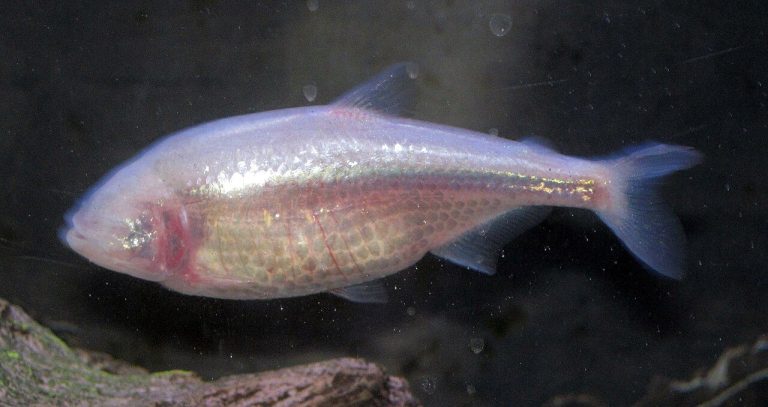
This led to a process known as regressive evolution. Through this process, the fish lost their pigmentation and their eyes, a phenomenon referred to as anophthalmia.
The Science of Troglomorphism
The physical changes seen in these fish are part of a broader biological category called troglomorphism. This term describes the morphological and physiological adaptations of animals that live permanently in caves.
In my experience, understanding this background is essential for providing the right care. You aren’t just keeping a fish; you are maintaining a specialized relic of a hidden world.
Because they evolved in stable, dark environments, they have developed a unique sense of confidence. They don’t have a “fear” of shadows or movement outside the tank like many other different kinds of tetra fish might.
Unique Physical Adaptations and Sensory Mastery
You might wonder how a fish with anophthalmia manages to find food and avoid crashing into glass walls. The secret lies in their highly developed lateral line system.
This system is composed of tiny sensory organs called neuromasts. These organs detect even the slightest changes in water pressure and vibrations around the fish.
I have often observed my cave tetras “mapping” the aquarium. When you first add them, they may swim slightly slower, but within hours, they have the entire layout memorized through these vibrations.
Pro Tip: Avoid changing the hardscape in your tank too frequently. Because these fish rely on a “mental map” created by their lateral line system, major changes can temporarily disorient them and cause stress.
The Characidae Family Connection
Despite their unusual appearance, these fish belong to the Characidae family. This is the same family that includes the popular neon tetra and the shimmering hardy and active tetras we see in community tanks.
They share the same basic body shape as their surface-dwelling cousins. However, their lack of pigment gives them a hauntingly beautiful, translucent pink or silvery-white appearance.
Creating the Perfect Cave Environment: Tank Setup
When setting up a home for the blind cave tetra fish, you have a unique opportunity for creativity. You don’t need expensive high-output lighting, as these fish actually prefer dim environments.
In fact, keeping the lights low or using “moonlight” LEDs can help mimic their natural habitat. This allows you to observe their natural behaviors without the glare that might wash out their pale coloration.
I recommend using a calcareous substrate like crushed coral or limestone sand. This helps maintain the alkaline water chemistry they are used to in their native Mexican caves.
| Equipment Type | Recommendation |
|---|---|
| Minimum Tank Size | 20-30 Gallons Long |
| Lighting | Low intensity or Blue LEDs |
| Filtration | Moderate flow (to stimulate sensory organs) |
| Decor | Smooth rocks, slate, and driftwood |
Hardscape and Safety
When selecting rocks, avoid anything with sharp, jagged edges. While their sensory system is excellent, they can still brush against objects when they are excited or during feeding time.
I prefer using smooth river stones or large pieces of slate to create crevices. These gaps provide the fish with “cave” areas where they feel most at home.
Plants are not strictly necessary, as they wouldn’t exist in their natural dark caves. However, if you want some greenery, low-light options like Anubias or Java Fern can work well.
Essential Water Parameters for Blind Cave Tetras
One of the reasons I often recommend the blind cave tetra fish to intermediate keepers is their hardiness. They are remarkably tolerant of a range of water conditions, provided the water is clean.
In their native caves, the water is typically hard and slightly alkaline. This is due to the limestone (calcium carbonate) that makes up the cave walls.
I have found that they do best when you maintain a consistent temperature. Fluctuations can lead to stress, which may weaken their immune system over time.
| Parameter | Ideal Range |
|---|---|
| Temperature | 68°F – 77°F (20°C – 25°C) |
| pH Level | 7.0 – 8.0 |
| Water Hardness | 10 – 25 dGH |
| Ammonia / Nitrite | 0 ppm |
Regular maintenance is key to their longevity. I typically perform a 25% water change every two weeks to keep nitrates low and minerals replenished.
Diet and Nutritional Requirements for Success
Feeding the blind cave tetra fish is a remarkable process to watch. They are opportunistic omnivores and are surprisingly efficient at finding food.
In the wild, they survive on bat guano, small crustaceans, and organic debris that washes into the caves. In the aquarium, they will accept almost anything you offer.
I recommend using a high-quality sinking pellet or flake as their staple diet. To make sure they get the nutrients they need, you can search for the best fish food for tetras that offers a balanced mix of protein and vegetable matter.
The Importance of Scent and Vibration
Because they cannot see the food, they rely on their sense of smell and the vibrations of the food hitting the water. You will see them “dart” toward the area where the food landed almost instantly.
I like to supplement their diet with frozen or live treats. Bloodworms, brine shrimp, and daphnia are excellent choices that stimulate their natural foraging instincts.
One thing I have noticed is that they are very active feeders. They can sometimes out-compete slower, more timid fish for food, so keep an eye on tank dynamics.
Pro Tip: If you are keeping them in a community tank, try “target feeding” your other fish or spreading the food across the surface. This prevents the cave tetras from gobbling everything up before the others have a chance.
Choosing Compatible Tank Mates
When choosing companions for your blind cave tetra fish, you must consider their active nature. They are not aggressive, but their constant movement can bother very shy species.
They are schooling fish by nature and should be kept in groups of at least six. In a group, they display much more natural behavior and feel more secure.
I have found that they pair well with other hardy, medium-sized fish. Avoid any species that are small enough to be viewed as prey or those with long, flowing fins that might be accidentally nipped.
Ideal Tank Mates
Good options include larger tetras, sturdy rasboras, and even some species of peaceful cichlids. Bottom dwellers like Corydoras catfish are also excellent because they occupy a different level of the tank.
Since cave tetras spend most of their time in the middle and upper water columns, they rarely bother the bottom dwellers. Just help there is enough food reaching the bottom for everyone.
I have also successfully kept them with larger ornamental shrimp, though very small shrimp might be eaten. Always provide plenty of hiding spots if you decide to mix them with invertebrates.
Breeding the Blind Cave Tetra Fish
Breeding the blind cave tetra fish is surprisingly straightforward, even for those who haven’t bred tetras before. They are egg scatterers and do not provide any parental care.
To trigger spawning, I usually increase the temperature slightly and provide a diet rich in live foods. A separate breeding tank with a mesh bottom or marble substrate is best.
The mesh or marbles allow the eggs to fall through to safety. This is important because the parents will likely eat the eggs if they can reach them.
Raising the Fry
Once the eggs are laid, remove the adults immediately. The eggs will hatch in about 24 to 48 hours, depending on the temperature.
The fry are very small and will initially survive on their yolk sacs. After a few days, you can begin feeding them infusoria or commercially available liquid fry food.
As they grow, you can transition them to baby brine shrimp. Interestingly, the fry are actually born with eyes, but as they mature, skin grows over them and the eyes degenerate.
Common Health Concerns and Maintenance
While the blind cave tetra fish is exceptionally hardy, they are not invincible. Like all freshwater fish, they are susceptible to common ailments like Ich or fungal infections.
I have noticed that they can sometimes be sensitive to certain copper-based medications. Always check the label before treating the tank, especially if you have invertebrates.
The best way to prevent disease is to maintain high water quality. Consistent water changes and a high-quality filtration system go a long way in keeping their immune systems strong.
Stress Signs to Watch For
Even though they have no eyes, you can still tell when they are stressed. Look for signs like lethargy, rapid gill movement, or a sudden loss of appetite.
If you see these signs, check your water parameters immediately. Often, a small spike in ammonia or a drop in temperature is the culprit.
Providing a stable environment is the most important thing you can do. These fish can live for 5 to 7 years, and sometimes longer, with the right care.
Questions I get asked a lot
Are blind cave tetras completely blind?
Yes, adult cave tetras have skin grown over their eye sockets and do not have functional eyes. However, they use their lateral line system to “see” their surroundings through water pressure.
Do they need a completely dark tank?
No, they do not require total darkness. While they prefer dim lighting, they can live in standard aquarium lighting; just provide plenty of caves and shadows for them to retreat to.
Can they live with sighted fish?
Absolutely. They are peaceful community fish and get along well with many other species. Just ensure their tank mates are not overly aggressive or too small.
How big do blind cave tetras get?
Typically, they reach a size of about 3 to 4 inches (7.5 to 10 cm). This makes them a great size for medium-sized home aquariums.
What should I feed them?
They are omnivores and will eat flakes, pellets, frozen foods, and live foods. A varied diet is best for their overall health and vitality.
Final thoughts
Keeping the blind cave tetra fish has been one of the most satisfying experiences in my years as an aquarist. They are a constant reminder of how life can adapt to even the most extreme conditions.
Their unique appearance and incredible sensory abilities make them a standout addition to any collection. If you provide them with a “cave-like” environment and stable water conditions, you can enjoy these prehistoric wonders for years to come.
They may not see you, but they will certainly bring a new perspective to your aquarium keeping.

- 2003First tank
- 20+Years keeping
- 40+Tanks kept
- 0Sponsored picks
Howard set up his first 10-gallon planted tank in 2003 and lost half of it within six weeks. Two decades and more than forty aquariums later, he writes the guides he wished he had then: clear numbers, the reasons behind them, and what actually goes wrong in home tanks.