Do Neons Need A Heater – The Expert Guide To Stable Aquarium
Yes, neon tetras require a heater in most home aquariums. As tropical fish, they need consistent temperatures between 72°F and 78°F to maintain their immune systems and prevent life-threatening stress or disease.
When you first bring home a school of bright neon tetras, it is easy to get caught up in their shimmering blue and red colors. I remember my first tank of these beauties; I thought they were hardy enough to handle anything.
However, I quickly learned that while they are resilient, their tropical nature is non-negotiable. One of the most common questions beginners ask me is, do neons need a heater to stay healthy?
The short answer is almost always yes, unless you live in a climate where your room temperature stays perfectly stable within their tropical range. In this guide, I will share my decade of experience to help you understand why temperature control is the backbone of a well-kept neon tetra tank.
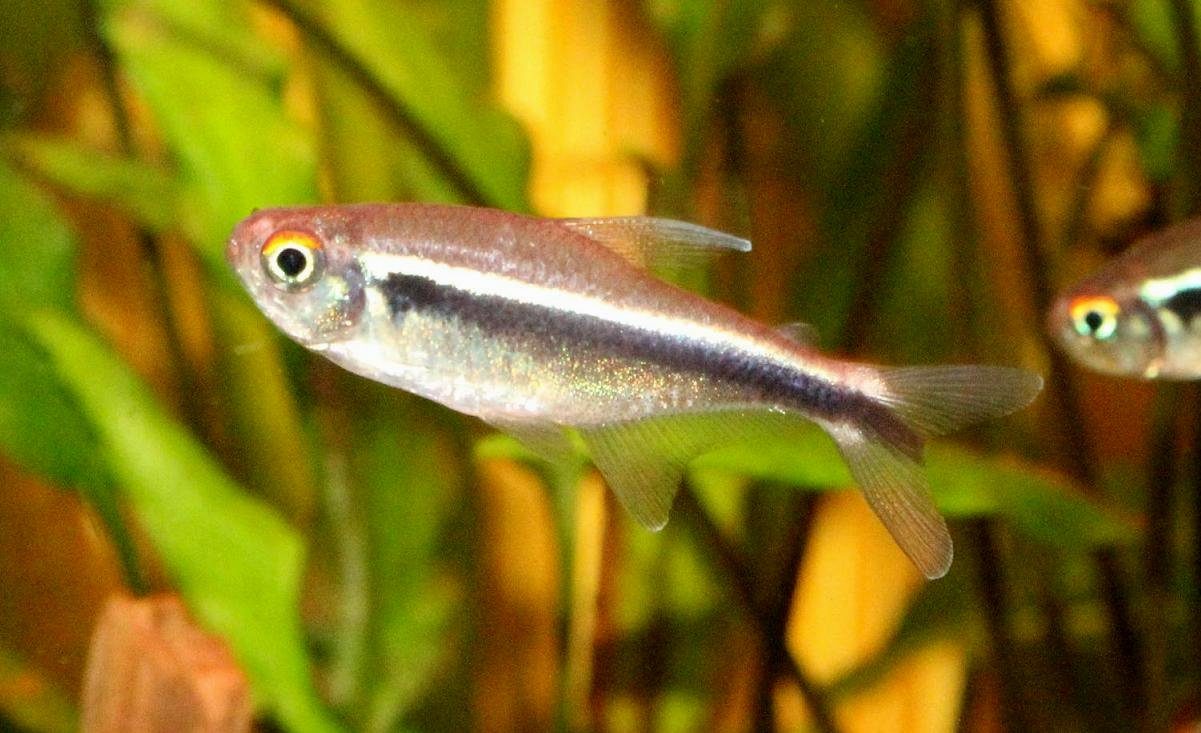
At a glance: Neon tetra (Paracheirodon innesi)
- Temperature
- 72–78°F (22–26°C)
- Water pH
- 6.0–7.0
- Adult size
- 1.5 in (4 cm)
- Minimum tank
- 10 gal (20 gal for a proper school)
- Group size
- Groups of 8+
- Temperament
- Peaceful
- Diet
- Omnivore: micro pellets, flakes, frozen daphnia
- Lifespan
- 5–8 years
Keeper’s tip: Add neons only to a fully cycled, stable tank; they are among the first fish to suffer from ammonia swings.
The Tropical Origins of Paracheirodon Innesi
To understand why a heater is necessary, we have to look at where these fish come from. Neon tetras, scientifically known as Paracheirodon innesi, are native to the Amazon Basin blackwater environments of South America.
These waters are consistently warm throughout the year due to the equatorial sun. The dense jungle canopy provides shade, but the water itself rarely fluctuates more than a few degrees.
In the wild, these fish have evolved to settle in in a very specific thermal window. When we bring them into our homes, we are responsible for replicating that stability.
Pro Tip: Stability is more important than a specific “perfect” number. A steady 75°F is much better for your fish than a tank that swings between 72°F and 80°F throughout the day.
Why Do Neons Need a Heater for Biological Health?
Fish are ectothermic, which means they cannot produce their own body heat. Their metabolic rate regulation is entirely dependent on the temperature of the water surrounding them.
When the water is too cold, their internal systems slow down significantly. This leads to poor digestion, lethargy, and a weakened immune system that cannot fight off common pathogens.
Maintaining ectothermic homeostasis is the primary reason why do neons need a heater in a captive environment. Without that consistent warmth, their bodies essentially begin to shut down.
The Impact on Immune Function
A cold neon tetra is a stressed neon tetra. When their metabolism slows, they stop producing the protective slime coat that keeps bacteria and parasites at bay.
I have seen many hobbyists lose entire schools because they thought the fish “looked fine” in 68°F water. Within a week, those fish often succumb to opportunistic infections that wouldn’t stand a chance in a heated tank.
Ensuring your ideal water conditions are met starts with the thermal foundation provided by a reliable heater.
The Dangers of Temperature Fluctuations
In a home setting, air temperature changes based on the time of day, air conditioning, or heating systems. Small aquariums lose heat very quickly, leading to rapid temperature swings.
These swings cause thermal shock, which is one of the leading causes of sudden death in small characins. A heater acts as a thermostat to catch the temperature before it drops too low.
| Temperature Status | Effect on Neon Tetras | Risk Level |
|---|---|---|
| Below 70°F | Lethargy, suppressed appetite, immune failure | High |
| 72°F – 78°F | Active swimming, rich colors, normal metabolism | Ideal |
| Above 82°F | Reduced dissolved oxygen, rapid aging, stress | Moderate |
Common Diseases Linked to Low Temperatures
When people ask do neons need a heater, I often point them toward the disease list. Most “neon tetra diseases” are actually just symptoms of a compromised immune system due to cold stress.
Ichthyophthirius multifiliis, commonly known as Ich or white spot disease, does well in cooler water where the fish’s defenses are low. If your tank stays below 72°F, you are essentially inviting this parasite to take hold.
Furthermore, keeping fish at their best temperature range helps prevent Pleistophora hyphessobryconis, or the “true” Neon Tetra Disease. While the heater isn’t a cure, a warm, stable environment is the best preventative measure.
Dissolved Oxygen and Warmth
It is a delicate balance. While neons need warmth, very hot water has lower dissolved oxygen saturation levels.
This is why we aim for the “sweet spot” of 75°F. It provides enough warmth for metabolic health while ensuring there is plenty of oxygen for the school to breathe easily.
Choosing and Placing a Submersible Thermostat Heater
Not all heaters are created equal. For a neon tetra tank, I always recommend a submersible thermostat heater with an adjustable dial.
Preset heaters are often unreliable and may only heat the water to 72°F, which leaves very little margin for error. An adjustable heater allows you to fine-tune the environment.
Common Mistake: Placing the heater in a corner with no water flow. This creates “hot spots” near the heater while the rest of the tank stays cold. Always place your heater near the filter intake or outlet.
Using a Digital Aquarium Thermometer
Never trust the dial on the heater itself. In my experience, those dials can be off by as much as three or four degrees.
I always use a separate digital aquarium thermometer to verify the actual temperature. This double-check system has saved my fish more times than I can count during winter cold snaps.
Can Neon Tetras Live Without a Heater?
There are rare cases where a heater might not be strictly necessary. If your aquarium is in a room that is consistently kept at 75°F or higher, the water will naturally stay warm.
However, even in warm houses, the temperature can drop at night. This nightly dip is enough to stress small fish like neons.
If you are following a complete care requirements plan, including a heater is simply the safest route. It acts as an insurance policy for your pets’ lives.
Setting Up Your Heater Safely
When installing your heater, make sure it is fully submerged if the manufacturer requires it. Most modern heaters are designed to be placed horizontally near the bottom or vertically near the flow.
I prefer placing mine horizontally near the bottom. Since heat rises, this helps create a more uniform temperature gradient throughout the water column.
Always turn off the heater during water changes. If the heating element is exposed to air while it is “on,” the glass can shatter, or the internal components can burn out.
Quick answers
What is the absolute minimum temperature for neon tetras?
Neon tetras can survive briefly at 68°F, but it is not healthy. For long-term success, you should never let the tank stay below 72°F.
Do neon tetras need a heater in the summer?
Yes, you should leave the heater plugged in. The thermostat will only turn the unit on if the water temperature drops below your setting, providing a safety net for cool nights or air conditioning.
Can I use a heater in a 5-gallon tank?
Yes, but you must use a low-wattage heater (usually 25 watts) specifically designed for small volumes. Overpowering a small tank can lead to dangerous overheating if the thermostat fails.
My heater says 78, but my thermometer says 74. Which is right?
Trust the thermometer. Heater dials are notoriously inaccurate. Adjust the heater until your independent thermometer reads the desired temperature.
How many watts per gallon do I need?
A general rule of thumb is 3 to 5 watts per gallon of water. For a 20-gallon tank, a 75W or 100W heater is usually perfect.
A closing note
The question of do neons need a heater is one of the most important aspects of their care. These fish are not toys; they are biological organisms that depend on us to provide an environment that mimics their tropical home.
If you put in a quality submersible thermostat heater and a reliable thermometer, you are removing the biggest variable in fish health: temperature stress. Your reward will be a school of neons that display their brightest colors and live for many years.
A stable environment is the foundation of a successful aquarium. Keep your water warm, keep your parameters steady, and your neon tetras will stay healthy.

- 2003First tank
- 20+Years keeping
- 40+Tanks kept
- 0Sponsored picks
Howard set up his first 10-gallon planted tank in 2003 and lost half of it within six weeks. Two decades and more than forty aquariums later, he writes the guides he wished he had then: clear numbers, the reasons behind them, and what actually goes wrong in home tanks.