Penguin Tetra Lifespan – The Ultimate Guide To Longevity And Care
The average Penguin Tetra lifespan is between 3 and 5 years. If you keep stable water parameters and providing a stress-free environment, dedicated aquarists can often help these fish reach the upper end of that range.
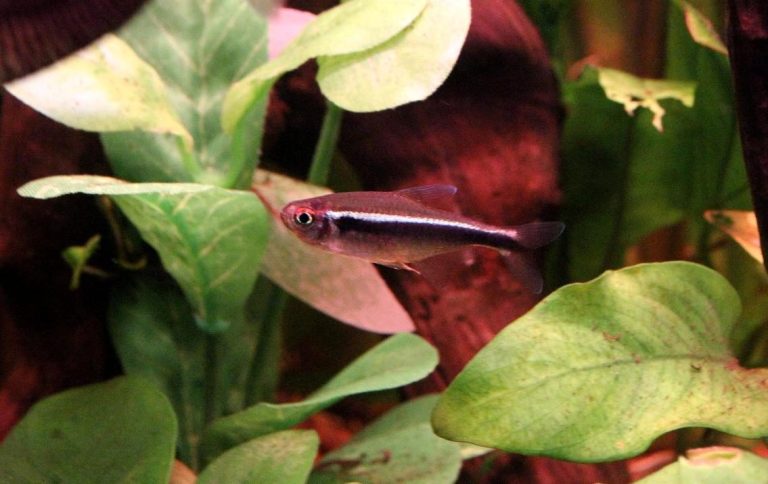
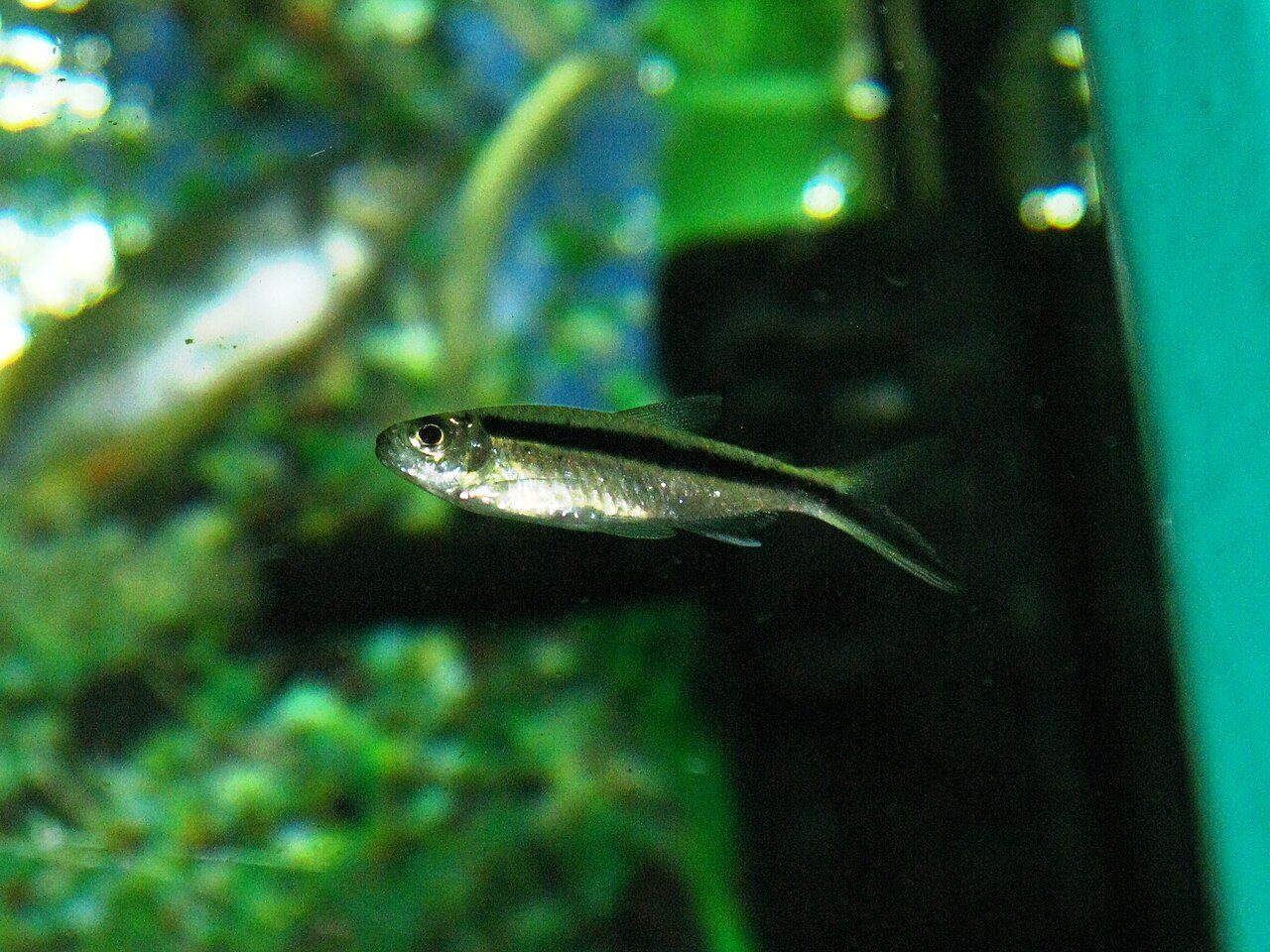
The Penguin Tetra, known scientifically as Thayeria boehlkei, is a remarkable member of the Characidae family. These fish are instantly recognizable by their unique “hockey stick” stripe that extends into the lower lobe of the caudal fin.
In my experience, they are one of the most charismatic schooling fish a hobbyist can keep. They swim at an upward angle, which adds a distinct vertical dynamic to your aquarium display.
When I first started keeping these tetras over a decade ago, I was struck by their hardiness. However, achieving a maximum Penguin Tetra lifespan requires more than just basic survival; it requires an environment where they can settle in.
In this guide, we will explore the biological needs, environmental factors, and nutritional secrets that ensure your Penguin Tetras live a long, healthy life. We will also cover how to avoid common pitfalls that often cut their time short.
At a glance: Penguin tetra (Thayeria boehlkei)
- Temperature
- 72–82°F (22–28°C)
- Water pH
- 6.0–8.0
- Adult size
- 2.5 in (6 cm)
- Minimum tank
- 20 gal
- Group size
- Groups of 6+
- Temperament
- Peaceful, slightly nippy
- Diet
- Omnivore: flakes, small pellets, frozen foods
- Lifespan
- 5 years
Keeper’s tip: They swim at a head-up angle naturally; that tilt is normal and not a swim bladder problem.
Understanding the Penguin Tetra Lifespan and Biology
The Penguin Tetra lifespan is typically cited as 3 to 5 years in captivity. In the wild, their life expectancy is often shorter due to predation and seasonal environmental shifts in the Amazon basin.
In a home aquarium, you have the power to control these variables. By eliminating predators and providing a consistent food source, you give them a much better chance at longevity.
It is important to keep in mind that these are schooling fish. Their biological drive to be in a group is directly tied to their stress levels and overall health.
Pro Tip: Always keep Penguin Tetras in groups of at least 6 to 8 individuals. In my years of keeping them, I’ve noticed that solitary or small-group tetras often suffer from a weakened immune system due to the constant stress of feeling “exposed.”
When they feel secure in a large school, their metabolism remains stable. This stability is a key factor in reaching that five-year milestone.
Ideal Water Parameters for Longevity
To maximize the Penguin Tetra lifespan, you must focus on water stability. While they are adaptable, they originate from soft, slightly acidic waters in South America.
Maintaining a consistent environment helps the fish with Osmoregulation. This is the process by which fish maintain the proper balance of salt and water in their bodies.
If the water parameters swing wildly, the fish must use excessive energy to compensate. Over time, this exhaustion can lead to premature death.
| Parameter | Ideal Range | Importance |
|---|---|---|
| Temperature | 72°F – 82°F (22°C – 28°C) | Regulates metabolic rate. |
| pH Level | 6.0 – 7.5 | Prevents acidic or alkaline stress. |
| Carbonate Hardness (KH) | 2 – 8 dKH | Buffers pH and supports health. |
| Nitrate | < 20 ppm | Reduces long-term toxicity. |
Managing Nitrogenous Waste
The buildup of Nitrogenous waste is the silent killer in many home aquariums. Ammonia and nitrite should always be at zero, as even trace amounts can burn delicate gill tissues.
High nitrates over several months will not kill a fish instantly, but they will certainly shorten the Penguin Tetra lifespan. I recommend weekly 25% water changes to keep these levels in check.
Using a high-quality liquid test kit is essential. Test your water every week before your water change to make sure your biological filter is keeping up with the bioload.
The Benefits of Peat Filtration and Humic Substances
In their natural habitat, these tetras swim through waters stained with tannins. Implementing Peat filtration in your filter media can mimic these blackwater conditions.
Peat releases Humic substances into the water. These substances have natural antifungal and antibacterial properties that protect the fish’s slime coat.
I have found that Penguin Tetras kept in “tannin-stained” water often show more rich colors. They also tend to be less flighty and more resistant to common diseases.
Nutrition and Diet for a Longer Life
Feeding a high-quality diet is perhaps the most direct way to influence your fish’s health. In the wild, Penguin Tetras are opportunistic omnivores.
They eat a mix of small insects, crustaceans, and plant matter. In the aquarium, you should provide a variety of foods rather than relying on a single flake brand.
A varied diet helps make sure they receive all the necessary vitamins and minerals. This strengthens their immune system against pathogens and environmental stressors.
Essential Food Types
I recommend a base of high-quality tropical flakes or micro-granules. These should be supplemented with frozen or live foods several times a week.
Frozen bloodworms, daphnia, and brine shrimp are excellent choices. These foods are rich in protein and mimic the natural prey items found in the Amazon.
Pro Tip: Avoid overfeeding, as uneaten food decays and spikes ammonia levels. I feed my tetras only what they can consume in two minutes, once or twice a day.
Proper nutrition also supports the Penguin Tetra lifespan by preventing fatty liver disease. High-fat diets can lead to internal organ failure, which is a common cause of early death in captive fish.
Common Health Issues and Prevention
Even with the best care, Penguin Tetras can occasionally fall ill. The key to maintaining a long Penguin Tetra lifespan is early detection and prevention.
Two of the most common issues are Ichthyophthirius multifiliis (Ich) and Columnaris. Both are often triggered by stress or poor water quality.
Dealing with Ich and Columnaris
Ich appears as small white spots on the body and fins. It is a parasite that does well when a fish’s immune system is suppressed by cold water or sudden changes.
Columnaris, on the other hand, is a bacterial infection. it often looks like “cotton mouth” or gray patches on the skin and can spread rapidly through a school.
If you notice any signs of illness, it is vital to check your water parameters immediately. Most diseases can be prevented by maintaining high Dissolved oxygen saturation and low waste levels.
The Importance of Quarantine
Whenever you bring home new fish, never add them directly to your main display. I always recommend a 2-week quarantine period in a separate tank.
This allows you to observe the new fish for signs of disease without risking your established school. It is much easier to treat a small quarantine tank than a large, planted community aquarium.
Compared to other easy tetra species, Penguin Tetras are quite hardy. However, a single sick addition can wipe out an entire school if you aren’t careful.
The environment you build for your tetras plays a massive role in their longevity. Penguin Tetras are active swimmers and need plenty of horizontal space.
A tank that is too small will lead to aggression and stress. Stress is the primary factor that reduces the life expectancy of other tetras and Penguin Tetras alike.
I suggest a minimum tank size of 20 gallons long. This provides enough room for a school to dart around and establish their social hierarchy.
Creating a Natural Habitat
Use plenty of live plants like Amazon Swords or Vallisneria. These plants provide hiding spots and help oxygenate the water.
Floating plants are also a great addition. They diffuse the light, which makes the tetras feel more secure and encourages them to spend more time in the open.
| Feature | Recommendation | Benefit |
|---|---|---|
| Substrate | Dark sand or fine gravel | Improves color and reduces light reflection. |
| Lighting | Moderate/Dimmable | Prevents “light shock” and stress. |
| Filtration | Gentle to Moderate flow | Oxygenates without exhausting the fish. |
Choosing the Right Tank Mates
Penguin Tetras are peaceful but can be slightly “nippy” if they are bored or in a group that is too small. Avoid keeping them with very slow-moving fish with long fins, like fancy guppies or bettas.
Better tank mates include other tetras, rasboras, and peaceful bottom dwellers like Corydoras. These combinations create a peaceful community that reduces overall tank stress.
When the environment is peaceful, the Penguin Tetra lifespan is naturally extended. In a chaotic tank, fish are constantly on edge, which wears down their internal organs over time.
A few common questions
How can I tell if my Penguin Tetra is old?
As they reach the end of their lifespan, you may notice a slight “hump” in their back or a fading of their black stripe. They may also become less active during feeding times.
Do Penguin Tetras need a heater?
Yes, they are tropical fish and require a stable temperature between 72°F and 82°F. Fluctuating temperatures are a major cause of stress-related illnesses.
Why is my Penguin Tetra swimming at an angle?
This is actually normal behavior. Unlike most fish, Penguin Tetras naturally swim with their heads pointed slightly upward. It is not a sign of swim bladder disease unless they are struggling to maintain their position.
Can they live in hard water?
While they prefer soft water, they can adapt to moderately hard water. However, very high Carbonate hardness may limit their lifespan and prevent them from breeding.
How often should I change the water?
I recommend a 25% water change every week. This removes Nitrogenous waste and replenishes essential minerals that the fish and plants use up.
In short
Maximizing the Penguin Tetra lifespan is a rewarding journey that requires attention to detail and a commitment to stability. If you provide a large school, a varied diet, and pristine water conditions, you can enjoy these “hockey stick” tetras for many years.
In my experience, the most successful aquarists are those who observe their fish daily. Small changes in behavior often signal a problem before it becomes a crisis.
Remember to keep their water clean, their bellies full of diverse foods, and their environment enriched with plants. If you do these things, your Penguin Tetras will likely reach that impressive 5-year mark, bringing life and movement to your aquarium for a long time to come.

- 2003First tank
- 20+Years keeping
- 40+Tanks kept
- 0Sponsored picks
Howard set up his first 10-gallon planted tank in 2003 and lost half of it within six weeks. Two decades and more than forty aquariums later, he writes the guides he wished he had then: clear numbers, the reasons behind them, and what actually goes wrong in home tanks.