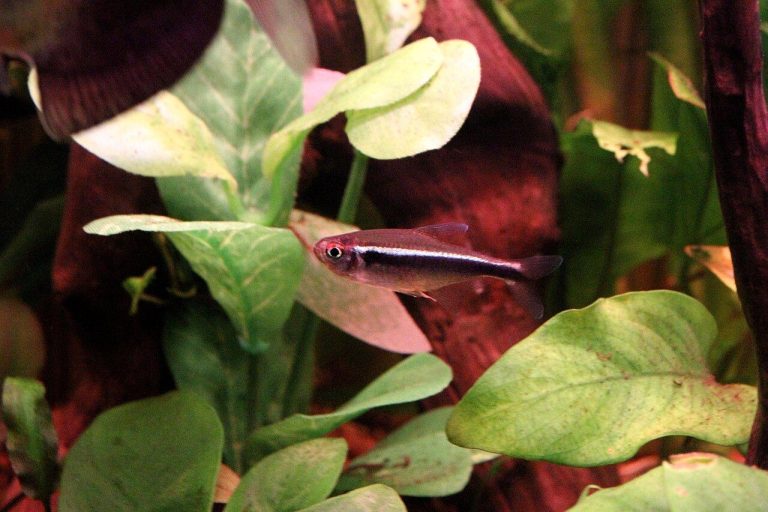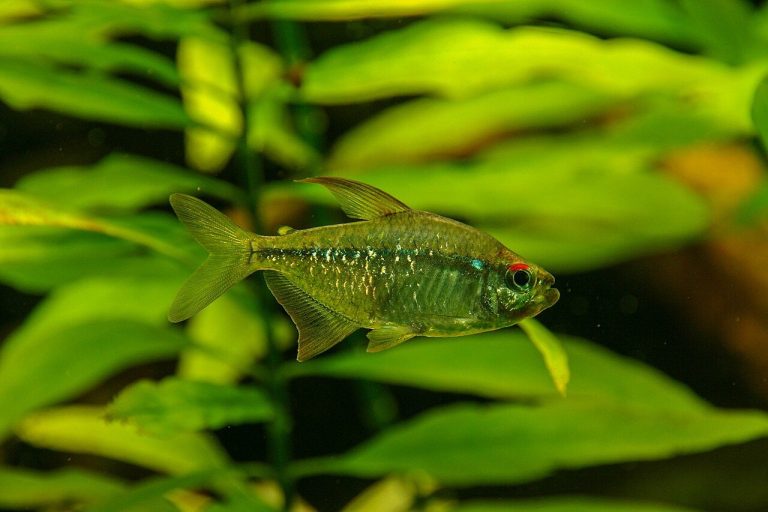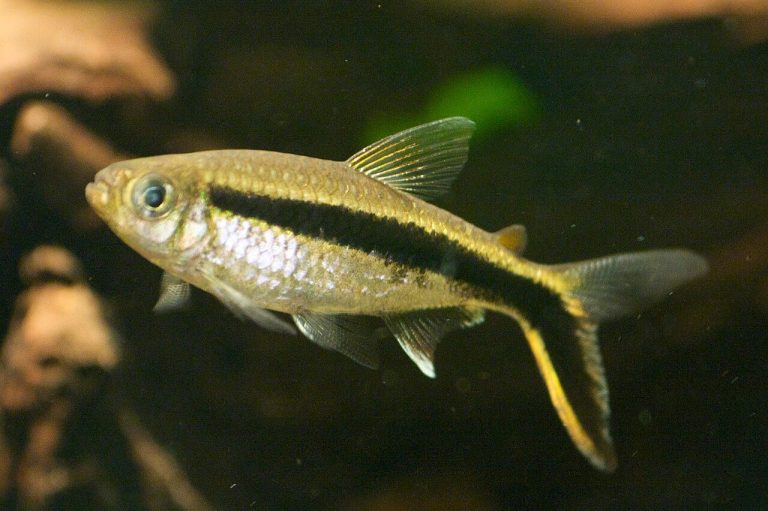
Gray And Black Striped Fish – Top Picks for Your Tank
Gray and black striped fish are diverse aquarium staples ranging from the bold Convict Cichlid to the elegant Angelfish. Their striking patterns, known as disruptive coloration, provide a sophisticated, high-contrast look that complements any planted or hardscaped tank.
Aquarium hobbyists often find themselves drawn to the vivid reds and blues of tropical species, but there is an undeniable elegance in a monochromatic palette. Over my decade of maintaining various freshwater setups, I have found that gray and black striped fish offer a visual structure that colorful fish simply cannot match.
These fish do not just bring aesthetic value; they often possess some of the most interesting behaviors in the hobby. Whether you are looking for a schooling species to fill the mid-water or a centerpiece fish with a commanding presence, striped aquatic life has something for everyone.
In this guide, we will explore the most popular species, the science behind their eye-catching patterns, and the specific care requirements needed to keep them flourishing. From the common pet store finds to rare gems, let’s go through the interesting world of these striped wonders.
Popular Freshwater Gray and Black Striped Fish Species
When you first walk into a local fish store, the variety of patterns can be overwhelming. However, a few specific species stand out for their reliability and striking appearance.
The Convict Cichlid (Archocentrus nigrofasciatus)
The Convict Cichlid, scientifically known as Archocentrus nigrofasciatus, is perhaps the most iconic of all gray and black striped fish. They earn their name from the vertical black bars that resemble an old-fashioned prisoner’s uniform.
In my experience, these are some of the hardiest fish you can own, making them perfect for beginners who want to try their hand at keeping cichlids. However, they are famously territorial, especially when breeding, which they do quite frequently and with very little encouragement.
The Freshwater Angelfish (Pterophyllum scalare)
The Pterophyllum scalare, or common Angelfish, is a staple of the “tall” aquarium. While they come in many color morphs, the wild-type and “silver” varieties feature striking black vertical stripes across a shimmering gray or silver body.
These stripes are not just for show; they help the fish hide among tall plants like Vallisneria in their natural Amazonian habitat. Keeping these fish requires a taller tank to accommodate their long, flowing fins and a stable environment to prevent stress.
Black Skirt Tetra (Gymnocorymbus ternetzi)
For those looking for a schooling option, the Gymnocorymbus ternetzi is an excellent choice. Often called the Black Widow Tetra, these fish have a deep, compressed body with two prominent vertical black stripes on a smoky gray background.
They are incredibly active and bring a lot of movement to the middle levels of the tank. If you are curious about their longevity, you might be interested to learn more about how long black tetras live to make sure you can provide them with a full and healthy life.
Pro Tip: When keeping Black Skirt Tetras, always keep them in groups of at least six. In smaller numbers, they can become “nippy” toward tank mates with long fins, but in a proper school, they usually keep their energy focused on each other.
Unique and Rare Gray and Black Striped Fish
Beyond the common species, there are several “oddball” fish that feature these monochromatic patterns. These are often sought after by intermediate keepers looking for a challenge or a unique conversation piece.
Tiger Datnoid (Datnioides microlepis)
The Datnioides microlepis, commonly known as the Tiger Datnoid, is a predatory fish that is highly prized for its bold black bands. These fish can grow quite large and require a significant commitment in terms of tank size and filtration.
Their patterns are exceptionally crisp, making them look almost like a piece of living art. They are typically shy as juveniles but become more confident and personable as they mature into impressive adults.
Banded Leporinus (Leporinus fasciatus)
The Leporinus fasciatus is a striking elongated fish featuring alternating bands of yellow-gray and deep black. As they age, the number of stripes actually increases, which is a unusual biological quirk I’ve enjoyed observing in my own tanks.
Be warned, however, that these fish are notorious jumpers and can be quite aggressive toward plants. They are best suited for a “rough and tumble” community tank with larger, more sturdy companions.
Altolamprologus calvus
Originating from Lake Tanganyika, Altolamprologus calvus is a specialized cichlid with a very thin, laterally compressed body. Their gray bodies are covered in intricate black vertical bars and tiny white spots that sparkle under high-quality lighting.
They are slow-moving predators that hunt in the cracks of rocks. If you are setting up a Rift Lake biotope, these fish provide a unique shape and pattern that breaks up the usual look of more rounded cichlids.
Understanding the Science Behind the Stripes
Have you ever wondered why so many fish evolved with this specific color scheme? The answer lies in the complex biology of Melanophores and the survival strategy known as Disruptive coloration.
The Role of Melanophores
Melanophores are specialized cells that contain melanin, the pigment responsible for black and brown colors. Fish have the incredible ability to expand or contract these cells to change the intensity of their stripes based on their mood, health, or surroundings.
I’ve noticed that when a Convict Cichlid is stressed, its stripes may fade to a dull gray, but when it is ready to spawn, the black becomes incredibly deep and velvety. This physiological response is a direct window into the well-being of your fish.
Why Stripes Work: Disruptive Coloration
In the wild, a solid-colored fish is easy for a predator to spot. Disruptive coloration works by breaking up the fish’s outline, making it difficult for a predator to determine where the fish begins and ends.
This is especially effective in environments with shifting light and shadows, such as under lily pads or between tree roots. For the gray and black striped fish in our tanks, these patterns are a vestige of their wild ancestors’ survival tactics.
Ideal Tank Environments for Striped Species
Creating the right environment for these fish involves more than just picking the right decorations. You must pay close attention to water chemistry, including Carbonate hardness and Specific conductance.
| Species Name | Preferred pH | Temperature Range | Tank Size (Min) |
|---|---|---|---|
| Convict Cichlid | 6.5 – 8.0 | 74°F – 82°F | 30 Gallons |
| Angelfish | 6.0 – 7.4 | 76°F – 84°F | 40 Gallons (Tall) |
| Black Skirt Tetra | 6.0 – 7.5 | 72°F – 79°F | 20 Gallons |
| Banded Leporinus | 6.0 – 7.5 | 72°F – 82°F | 75 Gallons |
Water Chemistry and Conductivity
While many hobbyists focus solely on pH, Carbonate hardness (KH) is vital for buffering the water and preventing dangerous pH swings. For species like the Tiger Datnoid, maintaining a stable KH is essential for long-term health.
Furthermore, Specific conductance is a measure of how well the water conducts electricity, which relates to the total dissolved solids (TDS). In my years of breeding, I’ve found that mimicking the low conductivity of soft-water rivers can often trigger spawning in striped Amazonian species.
Common Pitfalls When Keeping Gray and Black Striped Fish
Even experienced keepers can run into trouble if they don’t account for the specific needs of these fish. One of the biggest mistakes is underestimating the growth potential or temperament of certain species.
Misjudging Tank Size
Many gray and black striped fish, like the Banded Leporinus or Datnoids, start very small in the pet store. However, they can quickly outgrow a standard aquarium. Always research the adult size before purchasing.
If you are unsure about the space requirements for your schooling fish, consulting a guide on choosing the right aquarium size can save you a lot of headache and money in the long run.
Overlooking Aggression
Striped patterns are often associated with territorial species. Convict Cichlids, for example, will claim a corner of the tank and defend it relentlessly against much larger fish.
I have made the mistake of placing “peaceful” striped fish with long-finned tank mates, only to find the fins nipped within a few days. Always observe your fish closely after introduction to help everyone is getting along.
Common Mistake: Do not assume all striped fish are “community safe.” Always check if the species is known for “fin nipping.” Providing plenty of hiding spots like driftwood and rock caves can significantly reduce aggression in the tank.
Best Practices for Maintaining Bright Coloration
If your fish start to look “washed out,” it is usually a sign that something is wrong. To keep those black stripes deep and the gray scales shimmering, follow these expert tips.
High-Quality Nutrition
Diet plays a massive role in color. Feeding a variety of high-quality flakes, pellets, and frozen foods like bloodworms or brine shrimp helps make sure your fish get the carotenoids and proteins they need.
For predatory striped fish, live foods can sometimes help bring out their natural hunting behaviors and best colors. However, always source live foods from reputable suppliers to avoid introducing parasites.
Proper Lighting and Substrate
The color of your substrate can actually change how your fish looks. In my experience, using a dark substrate—like black sand or dark flourite—causes the fish to darken their Melanophores to match, making their stripes pop.
Similarly, lighting with a full spectrum of color will highlight the subtle iridescent grays and silvers that are often lost under cheap, standard aquarium hoods.
Quick checklist
- Avoid mixing fin-nippers like tiger barbs or serpae tetras with slow, long-finned fish.
- Research adult size before buying; many fish sold as juveniles outgrow common 20–30 gallon tanks.
- Schooling fish need groups of six or more to feel secure and show natural colours.
- Captive-bred fish usually adapt to home aquariums more easily than wild-caught fish.
Still wondering?
Why are the black stripes on my fish fading?
Stripes usually fade due to stress, poor water quality, or illness. Check your ammonia and nitrite levels immediately, and make sure the temperature is within the correct range for the species.
Can I keep different types of striped fish together?
It depends on the species. While you can keep Angelfish and Black Skirt Tetras together in a large enough tank, you should never mix aggressive Convict Cichlids with peaceful community fish.
Do these fish need live plants?
While not strictly necessary for all species, many gray and black striped fish feel more secure with live plants. Plants provide natural cover and help maintain water quality by absorbing nitrates.
How often should I perform water changes?
For most setups, a 25% to 30% weekly water change is ideal. This keeps the Specific conductance stable and prevents the buildup of harmful toxins that can dull a fish’s color.
Wrapping up
Choosing gray and black striped fish for your aquarium is a fantastic way to add sophistication and natural beauty to your home. Whether you choose the bold and feisty Convict Cichlid or the graceful Angelfish, these patterns offer a timeless appeal that never goes out of style.
Once you understand the science of their coloration and providing them with the correct environment, you can enjoy these monochromatic wonders for many years. Always research the specific needs of each species and keep a close eye on your water parameters.
I hope this guide has inspired you to consider adding some stripes to your next tank setup. There is something satisfying about seeing a healthy, colorful school of striped fish working through through a well-grown green aquascape.

- 2003First tank
- 20+Years keeping
- 40+Tanks kept
- 0Sponsored picks
Howard set up his first 10-gallon planted tank in 2003 and lost half of it within six weeks. Two decades and more than forty aquariums later, he writes the guides he wished he had then: clear numbers, the reasons behind them, and what actually goes wrong in home tanks.