How Long Do Black Tetras Live – The Ultimate Expert Guide
Black tetras typically live between 3 to 5 years in a home aquarium. With exceptional care, pristine water quality, and a high-quality diet, these hardy fish can sometimes reach up to 7 or 8 years.
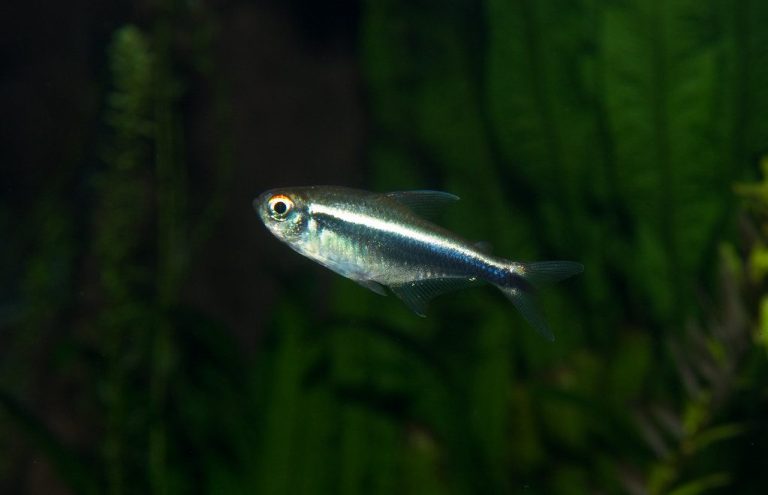
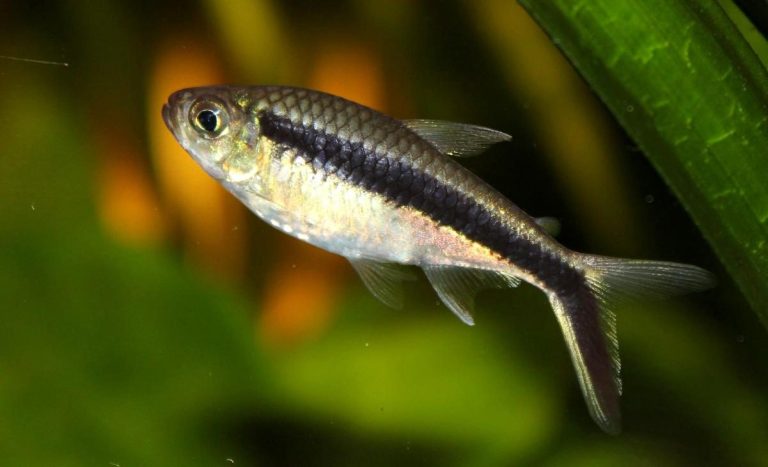
Black tetras, scientifically known as Gymnocorymbus ternetzi, are a staple in the freshwater hobby for a very good reason. They are hardy, active, and possess a striking silhouette that adds a unique aesthetic to any community tank.
When I first started keeping these “Black Skirts” over a decade ago, I was struck by how much their environment influenced their vitality. Many beginners ask how long do black tetras live because they want to help they are providing a home that encourages a full, healthy life.
In this guide, we will explore everything that impacts their lifespan, from their biological roots in the Characidae family to the advanced care techniques that push them past the five-year mark.
At a glance: Tetras (general) (Family Characidae and relatives)
- Temperature
- 72–80°F (22–27°C) for most species
- Water pH
- 6.0–7.5 for most species
- Adult size
- 1–3 in (2.5–8 cm)
- Minimum tank
- 10–30 gal depending on species
- Group size
- Groups of 6–10+
- Temperament
- Mostly peaceful schooling fish
- Diet
- Omnivores: quality flakes or micro pellets plus frozen foods
- Lifespan
- 3–8 years
Keeper’s tip: Schooling size matters more than tank size for most tetras: small groups hide, nip and stress.
Understanding the Lifespan of Black Tetras
The average lifespan of a black tetra in captivity is generally cited as 3 to 5 years. This range can vary significantly based on the genetic stock of the fish and the conditions of the aquarium they inhabit.
In the wild, these fish face predators and fluctuating environmental conditions that often shorten their lives. In our home aquariums, we have the power to eliminate these threats, yet many fish still succumb to senescence earlier than necessary due to preventable stress.
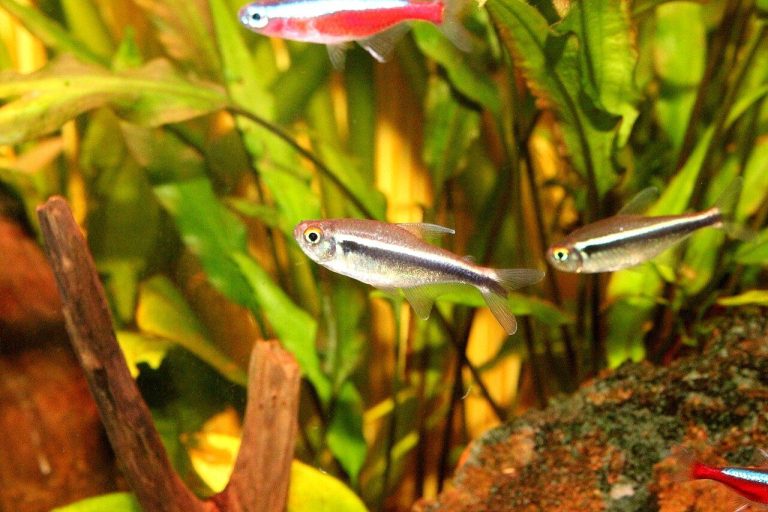
I have noticed that black tetras kept in larger schools tend to live longer, likely due to the reduced stress levels that come with a sense of security. When they feel safe, their immune systems remain sturdy, allowing them to better fight off potential pathogens.
Biological Aging and Senescence
Senescence is the process of biological aging where the fish’s physiological functions begin to decline. In black tetras, this often manifests as a slight loss of color or a decrease in activity levels as they approach their fourth or fifth year.
While we cannot stop time, we can slow down the wear and tear on their organs. Maintaining stable water parameters is the most effective way to ensure their internal systems don’t have to work overtime just to survive.
Pro Tip: Don’t mistake a resting older tetra for a sick one. As black tetras age, they may spend more time hovering in the mid-water column rather than constantly darting around. If their breathing is normal and they still eat, they are likely just enjoying their “retirement” years.
Critical Factors Affecting how long do black tetras live
Several environmental and biological factors dictate the longevity of your fish. If you want to know how long do black tetras live in your specific setup, you must look closely at your maintenance routine.
Water quality is, without a doubt, the most significant factor. High levels of ammonia or nitrite can cause immediate damage, but chronic exposure to low levels of nitrate toxicity is what usually shortens their lives over the long term.
Stress from aggressive tank mates or a lack of hiding spots also plays a role. A fish that is constantly in “flight” mode will have a compromised immune system, making it susceptible to common ailments like Ichthyophthirius multifiliis.
The Role of Diet and Nutrition
A varied diet is essential for a long life. While they will survive on basic flakes, they will not flourish or reach their maximum age without high-quality proteins and vitamins.
In my experience, rotating between high-quality dry foods, frozen bloodworms, and live daphnia makes a world of difference. Proper nutrition supports osmoregulation, which is the process by which fish maintain the balance of water and salt in their bodies.
Genetics and Breeding History
The source of your fish matters immensely. Mass-bred tetras from commercial farms may sometimes have weaker genetics than those from specialized breeders.
When selecting fish, look for bright colors, clear eyes, and active swimming patterns. Healthy juveniles are much more likely to reach the upper end of the how long do black tetras live spectrum than those that start life in a stressed environment.
Ideal Water Parameters for Maximum Longevity
To maximize the life of your black tetras, you must replicate their natural South American habitats as closely as possible. They prefer slightly acidic to neutral water with plenty of cover.
Monitoring your carbonate hardness (KH) is vital for pH stability. Sudden swings in pH can shock a tetra’s system, leading to a shortened lifespan or immediate health crises.
The following table outlines the ideal parameters I recommend for keeping black tetras healthy for the long haul:
| Parameter | Ideal Range | Importance |
|---|---|---|
| Temperature | 72°F – 82°F (22°C – 28°C) | Regulates metabolism and immune function. |
| pH Level | 6.0 – 7.5 | Prevents acidosis or alkalosis stress. |
| Nitrates | < 20 ppm | Prevents long-term organ damage. |
| Carbonate Hardness (KH) | 4 – 8 dKH | Buffers pH to prevent dangerous swings. |
The Benefits of Tannic Acid and Peat Filtration
In their natural environment, black tetras often live in “blackwater” conditions. These waters are rich in tannic acid, which is released from decaying leaf litter and wood.
Using peat filtration or adding Indian Almond leaves can introduce these beneficial tannins into your tank. Not only does this lower the pH naturally, but it also provides mild antibacterial and antifungal properties that help extend their lives.
Tank Setup and Environmental Enrichment
The environment you provide directly influences how long do black tetras live in your home. A cramped, bare tank is a recipe for a short-lived fish.
I always suggest choosing the right tank size to allow for plenty of swimming room. While they can survive in smaller tanks, a 20-gallon long aquarium is ideal for a school of six to eight.
High levels of dissolved oxygen are also key. Make sure you have adequate surface agitation from your filter or an air stone to keep the water well-oxygenated.
Filtration and Water Flow
Black tetras do not like extremely turbulent water, but they do need high-quality filtration systems to keep the water clean. A reliable hang-on-back or canister filter will help manage the bio-load effectively.
Good filtration helps make sure that the nitrogen cycle remains stable. This stability is the foundation of a healthy aquarium and the primary reason some tetras live years longer than others.
Pro Tip: When setting up your tank, use a dark substrate. Black tetras feel more secure over dark colors, and it makes their natural black and silver coloration pop, which is a great indicator of their overall health.
Preventing Disease and Health Complications
Even with the best care, fish can occasionally get sick. The key to longevity is early detection and prevention.
One of the most common issues is Ichthyophthirius multifiliis, commonly known as Ich. This parasite does well in stressed environments and can quickly wipe out a school if not treated.
Keep a close eye on their behavior. If you see them flashing (rubbing against decorations) or if they develop white spots, you must act immediately.
The Importance of Quarantine
I cannot stress enough how important it is to quarantine new additions. Introducing a sick fish into an established school is the fastest way to shorten the lives of your resident tetras.
When finding compatible tank mates, always help they have been quarantined for at least two weeks. This simple step can prevent the introduction of devastating diseases.
A few common questions
Do “GloFish” tetras live as long as standard black tetras?
Yes, GloFish tetras are genetically the same species (Gymnocorymbus ternetzi). If given the same high-quality care, they will have the same lifespan as the natural variety.
Why did my black tetra die after only one year?
Short lifespans are usually caused by environmental stress, such as fluctuating water temperatures or high nitrate levels. It could also be due to poor genetics if the fish was already older when you purchased it.
Can black tetras live without a heater?
It is not recommended. While they are hardy, they are tropical fish. A lack of a heater leads to temperature fluctuations that stress their immune systems and significantly shorten their lives.
Does the school size affect how long do black tetras live?
Absolutely. Being in a school of at least six reduces stress. Stress is a silent killer in the aquarium hobby, and social fish like tetras need their own kind to feel safe.
In short
Providing the best possible life for your fish is a satisfying challenge. When you understand how long do black tetras live, you realize that every small adjustment in water quality and diet adds months or even years to their lives.
If you focus on stable parameters, a varied diet, and a stress-free environment, you can enjoy these wonderful fish for many years. The key is consistency and observation.
I hope this guide helps you create a flourishing environment for your black tetras.

- 2003First tank
- 20+Years keeping
- 40+Tanks kept
- 0Sponsored picks
Howard set up his first 10-gallon planted tank in 2003 and lost half of it within six weeks. Two decades and more than forty aquariums later, he writes the guides he wished he had then: clear numbers, the reasons behind them, and what actually goes wrong in home tanks.