How Big Do Tetras Get – The Ultimate Guide To Tetra Sizes And Tank
Tetras typically grow between 0.75 and 3 inches, depending on the species. While nano varieties like Ember Tetras stay under an inch, larger species like Congo Tetras can reach up to 4 inches in length.
Choosing the right fish for your home aquarium often starts with a single, important question: how big do tetras get? In my ten years of maintaining diverse community tanks, I have seen far too many beginners struggle because they underestimated the eventual size of their “tiny” school.
Tetras belong to the diverse Characidae family, which encompasses hundreds of species with vastly different growth potentials. Understanding these sizes is not just about aesthetics; it is vital for managing your tank’s bioload and keeping the longevity of your fish.
In this guide, we will look closely at the specific sizes of popular species, the factors that influence their growth rate, and how to plan your aquarium around their adult dimensions. Whether you are looking for shimmering jewels for a nano tank or a strong school for a large display, knowing the total length of these fish is your first step toward success.
At a glance: Tetras (general) (Family Characidae and relatives)
- Temperature
- 72–80°F (22–27°C) for most species
- Water pH
- 6.0–7.5 for most species
- Adult size
- 1–3 in (2.5–8 cm)
- Minimum tank
- 10–30 gal depending on species
- Group size
- Groups of 6–10+
- Temperament
- Mostly peaceful schooling fish
- Diet
- Omnivores: quality flakes or micro pellets plus frozen foods
- Lifespan
- 3–8 years
Keeper’s tip: Schooling size matters more than tank size for most tetras: small groups hide, nip and stress.
how big do tetras get: A Species-by-Species Comparison
The term “tetra” covers a lot of ground, from the tiny Ember Tetra to the relatively massive Congo Tetra. When I first started keeping fish, I assumed all tetras would stay around the same size as the common Neon Tetra, but I quickly learned that variety is the spice of the Characidae life.
To help you plan, I have compiled a reference table of the most common species kept by hobbyists. Note that these measurements refer to the total length, which includes the tail fin, rather than just the standard length (body only).
| Tetra Species | Scientific Name | Average Adult Size | Minimum Tank Size |
|---|---|---|---|
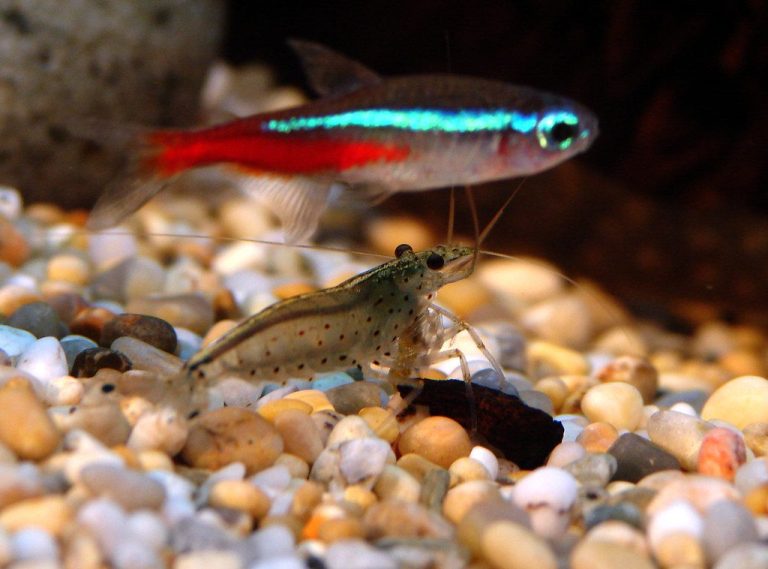
| Neon Tetra | Paracheirodon innesi | 1.25 – 1.5 inches | 10 Gallons |
| Cardinal Tetra | Paracheirodon axelrodi | 1.5 – 2 inches | 20 Gallons |
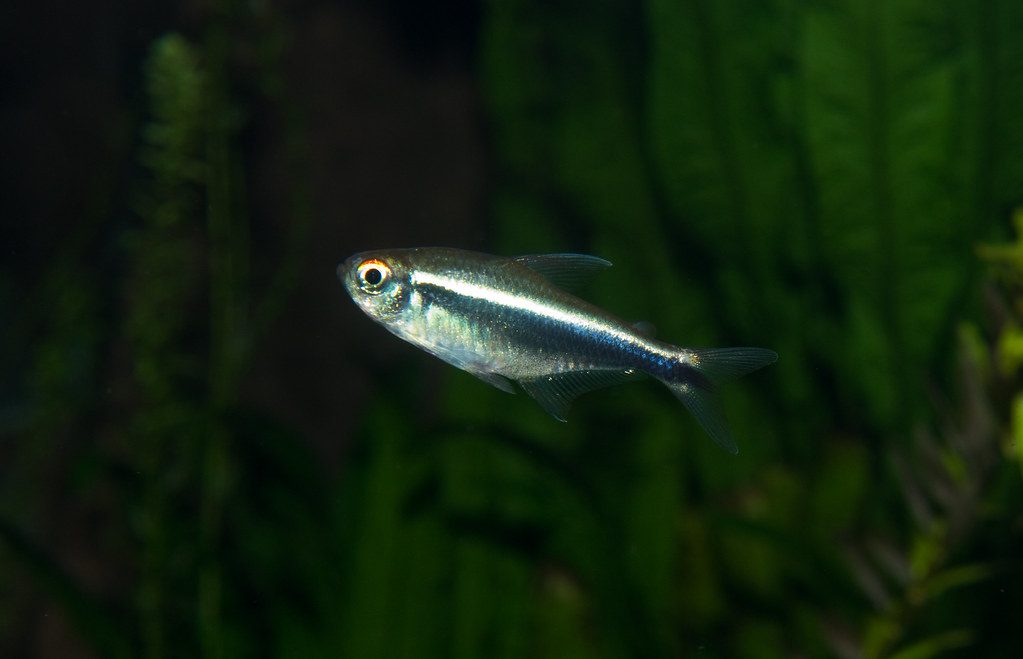
| Black Skirt Tetra | Gymnocorymbus ternetzi | 2.5 – 3 inches | 20 Gallons Long |
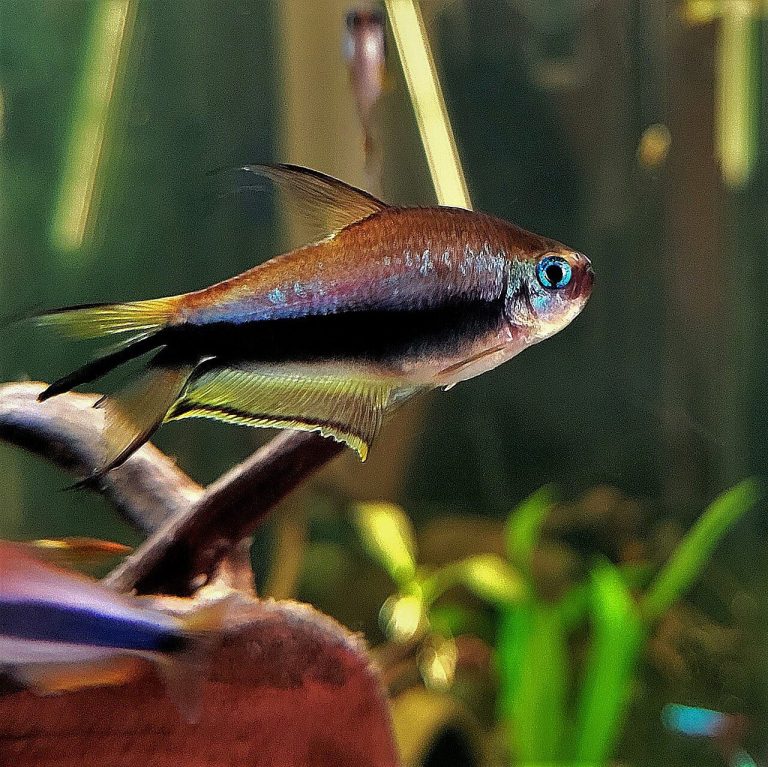
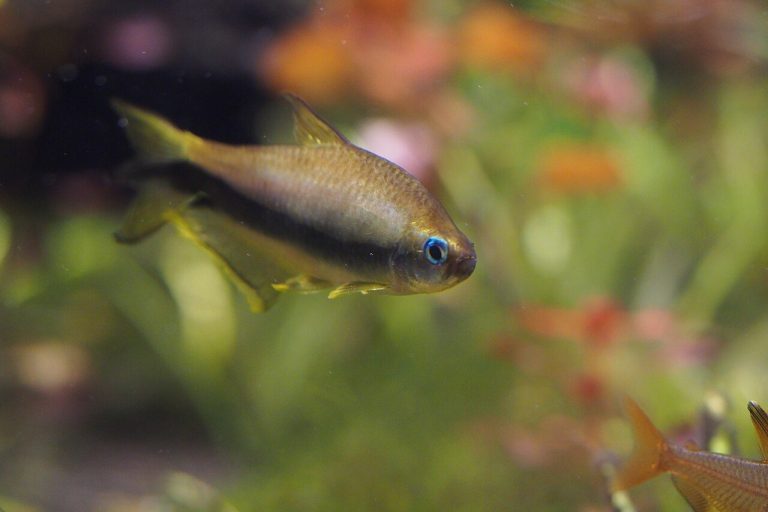
| Congo Tetra | Phenacogrammus interruptus | 3 – 4 inches | 40 Gallons |
| Ember Tetra | Hyphessobrycon amandae | 0.75 – 1 inch | 5 – 10 Gallons |
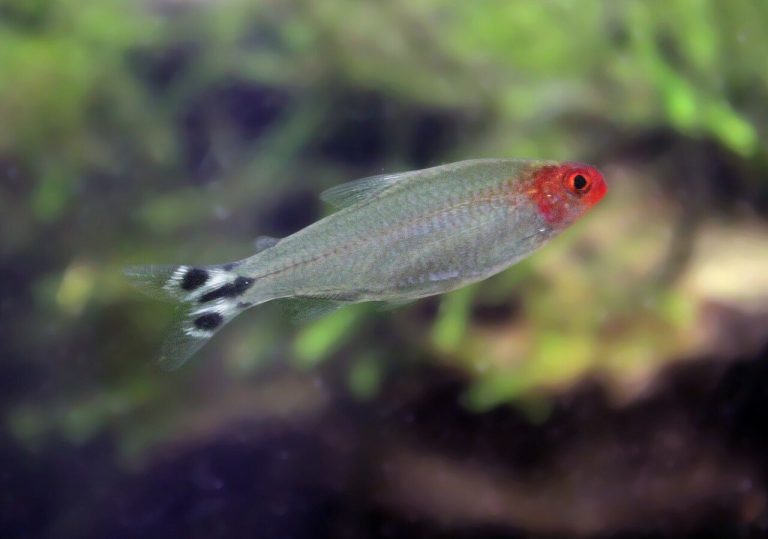
| Rummy Nose Tetra | Hemigrammus rhodostomus | 2 – 2.5 inches | 20 Gallons Long |
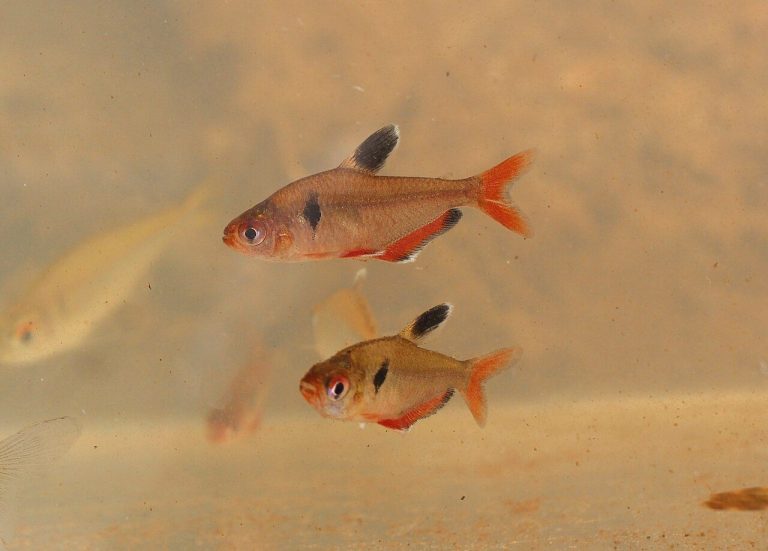
Pro Tip: Always research the specific adult size of the tetra species you want before buying. Many “assorted tetras” at big-box stores are juveniles of larger species like Buenos Aires Tetras, which can grow to nearly 3 inches and become quite nippy.
The Tiny Gems: Nano Tetras
If you are working with a smaller setup, you will likely be looking at the lower end of the size spectrum. Species like the Ember Tetra and the Green Neon Tetra are perfect for these environments.
These fish rarely exceed an inch, meaning their impact on the stocking density is minimal. However, because they are so small, they are also more fragile and can easily become prey for larger tank mates.
The Mid-Sized Favorites
The most popular tetras, like the Neon and Cardinal (Paracheirodon axelrodi), fall into the 1.5 to 2-inch range. While they seem small, they are very active swimmers and need horizontal space to school properly.
I have noticed that providing a longer tank, rather than a tall one, allows these mid-sized tetras to display more natural behavior. Even though they are small, they are much happier in a 20-gallon long than a 10-gallon standard tank.
Measuring Success: Standard Length vs. Total Length
When discussing how big do tetras get, it is important to distinguish between the two common ways of measuring fish. Scientists and hobbyists sometimes use different terms, which can lead to confusion when reading care sheets.
Standard length refers to the measurement from the tip of the snout to the base of the tail (the caudal peduncle). It does not include the tail fin itself, which can vary significantly in length even within the same species.
Total length is the measurement from the snout all the way to the very tip of the tail fin. For most hobbyists, total length is the more practical number to use when picking the right aquarium size for their school.
Why Measurements Matter for Bioload
The amount of waste a fish produces—its bioload—is more closely related to its overall mass than just its length. A deep-bodied fish like the Black Skirt Tetra (Gymnocorymbus ternetzi) has much more mass than a slender Neon Tetra of the same length.
This means that a three-inch Black Skirt Tetra will tax your filtration system significantly more than a three-inch Rummy Nose Tetra. In my experience, focusing on the “shape” of the fish is just as important as the number of inches it reaches.
Sexual Dimorphism and Size
In many tetra species, you will notice sexual dimorphism where males and females grow to different sizes. Generally, female tetras are larger, rounder, and deeper-bodied than their male counterparts.
This is especially evident when they are ready to spawn. If you notice some of your tetras are significantly “fatter” or slightly longer than others, you likely have a healthy mix of both sexes in your school.
Factors That Influence Tetra Growth Rate
While genetics provide the blueprint for how big do tetras get, environmental factors determine if they actually reach that potential. I have seen the same species reach different sizes simply based on the care they received in their first year of life.
The growth rate of a tetra is fastest during its juvenile stage. During this time, they require right conditions to develop strong skeletal structures and rich colors.
| Factor | Impact on Growth | Ideal Range/Practice |
|---|---|---|
| Water Quality | High nitrates can stunt growth. | Nitrates < 20 ppm |
| Nutrition | Protein-rich diets fuel development. | Variety (Flakes, Frozen, Live) |
| Tank Size | Small spaces limit swimming/exercise. | Follow species-specific minimums. |
| Temperature | Warmer water speeds up metabolism. | 75°F – 80°F (Species dependent) |
The Role of Nutrition
Providing high-quality nutrition is the most direct way to ensure your fish reach their full size. In the wild, tetras are opportunistic feeders, eating insects, larvae, and plant matter.
In my tanks, I have found that a rotation of high-quality flakes, daphnia, and baby brine shrimp produces the best results. A fish that is malnourished during its “teenage” months will often remain stunted for the rest of its life.
Water Quality and “Stunting”
There is an old myth that fish only grow to the size of their tank. While it is true that a small tank can “stunt” a fish, this is actually a sign of poor health and physiological stress, not a natural adaptation.
When fish are kept in cramped quarters with high nitrate levels, their growth hormones are inhibited. This leads to internal organs continuing to grow while the body remains small, which significantly reduces the longevity of your fish.
Pro Tip: To maximize growth and health, perform weekly water changes of 25-30%. Fresh water removes growth-inhibiting pheromones and keeps nitrate levels low, which is essential for young tetras to hit their maximum size.
The Outliers: Large Tetra Species
When people ask how big do tetras get, they are often surprised to learn about the giants of the family. If you have a larger aquarium (40 gallons or more), you might consider these impressive specimens.
The Congo Tetra (Phenacogrammus interruptus) is perhaps the most beautiful of the large tetras. With their iridescent scales and flowing fins, they can reach a total length of 4 inches, making them a true centerpiece for a medium-to-large community tank.
Another larger species is the Buenos Aires Tetra. These fish are hardy and energetic, but they can grow to 3 inches and are notorious for eating live plants. If you want a dense, aquascaped tank, these might not be the best choice regardless of their size.
Managing Stocking Density for Large Tetras
When keeping larger species, stocking density becomes a critical calculation. You cannot use the “one inch of fish per gallon” rule with Congo Tetras; their activity level and waste production are simply too high.
For a school of six Congo Tetras, I wouldn’t recommend anything smaller than a 40-gallon breeder. This provides the swimming length they need to dart around without crashing into the glass or their tank mates.
Common Mistakes When Estimating Tetra Size
One of the most common mistakes I see beginners make is buying fish based on their size in the store tank. Almost all fish sold in retail shops are juveniles and have several months of growth ahead of them.
Another mistake is failing to account for the “schooling factor.” A single two-inch fish doesn’t take up much space, but a school of twelve two-inch fish requires a significant amount of “open water” for movement.
Underestimating the Activity Level
Size is not just about physical dimensions; it is about the “space bubble” a fish needs. Rummy Nose Tetras are a prime example. While they only reach about 2.5 inches, they are incredibly fast swimmers.
In my experience, putting Rummy Nose Tetras in a 10-gallon tank is a recipe for stress, even though they physically “fit.” They need at least 30 inches of horizontal swimming space to feel secure and behave naturally.
Ignoring Growth Potential in Community Tanks
When building a community, you must plan for the total length of all inhabitants. If you put juvenile tetras in with a semi-aggressive fish that is currently the same size, that balance may shift once the tetras reach their adult form—or if the other fish grows much faster.
Always use the adult size of the fish for your calculations. This ensures that your tank remains a peaceful environment as the inhabitants mature over the years.
FAQ
How long does it take for a tetra to reach full size?
Most tetras reach their adult size within 6 to 12 months, depending on the species and the quality of their environment. Factors like temperature and feeding frequency play a huge role in this timeline.
Can tetras grow larger in bigger tanks?
A bigger tank doesn’t “make” a fish grow larger than its genetic potential, but it provides the ideal conditions for it to reach that potential. Low stress and better water quality in larger tanks often result in healthier, larger fish.
Why are my tetras staying small?
If your tetras aren’t growing, check your water parameters first. High nitrates or inconsistent temperatures can stunt growth. Additionally, help you are feeding a variety of protein-rich foods rather than just a single type of flake.
Does the tail count in the measurement?
When hobbyists talk about “how big” a fish is, they usually mean the total length (including the tail). However, when looking at scientific data, they often use standard length (excluding the tail). Always clarify which one is being used.
Putting it all together
Understanding how big do tetras get is the foundation of a successful and healthy aquarium. From the tiny, half-inch Ember Tetra to the majestic four-inch Congo Tetra, the Characidae family offers a size for almost every tank.
By planning for the adult total length of your fish, you can ensure proper stocking density, manage the bioload effectively, and provide enough swimming space for natural schooling behaviors. Growth is a reflection of care; high-quality nutrition and pristine water quality are the keys to helping your tetras reach their full, vivid potential.
In my decade of fish keeping, I have found that the most beautiful tanks are those where the fish have plenty of room to grow and flourish. Take the time to research your specific species, provide them with a spacious home, and you will be rewarded with a dazzling display of color and activity for years to come.

- 2003First tank
- 20+Years keeping
- 40+Tanks kept
- 0Sponsored picks
Howard set up his first 10-gallon planted tank in 2003 and lost half of it within six weeks. Two decades and more than forty aquariums later, he writes the guides he wished he had then: clear numbers, the reasons behind them, and what actually goes wrong in home tanks.