What Is A Tetra – Explained Simply
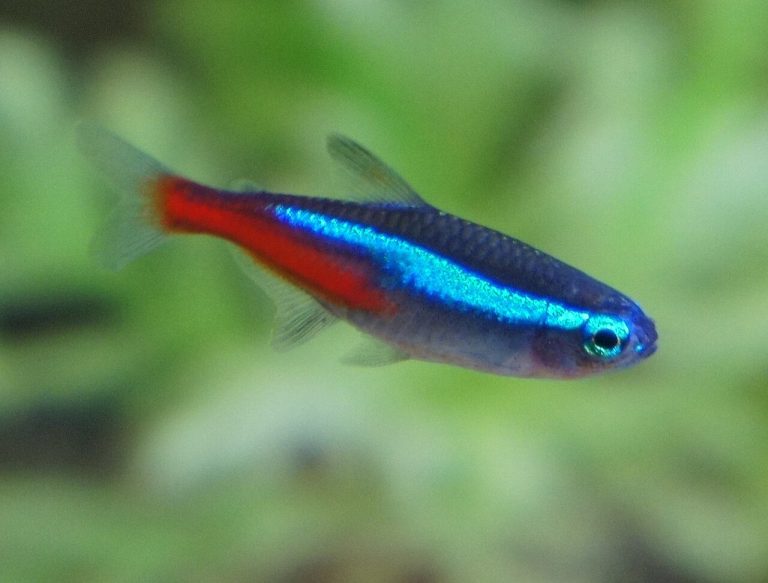
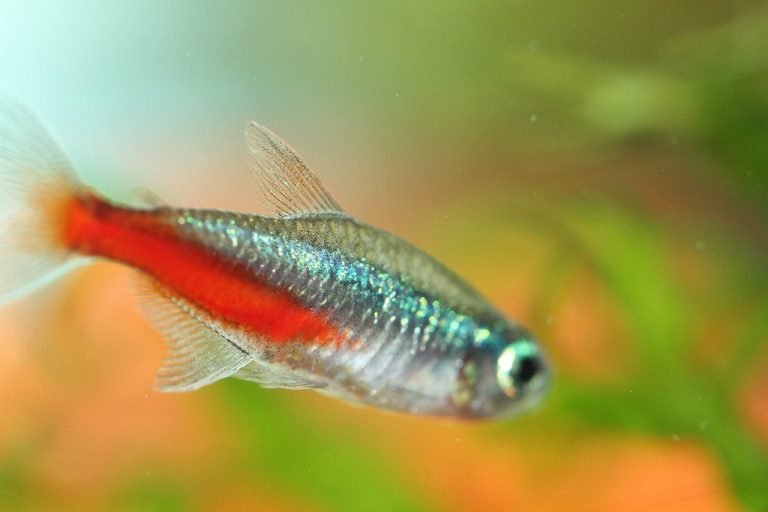
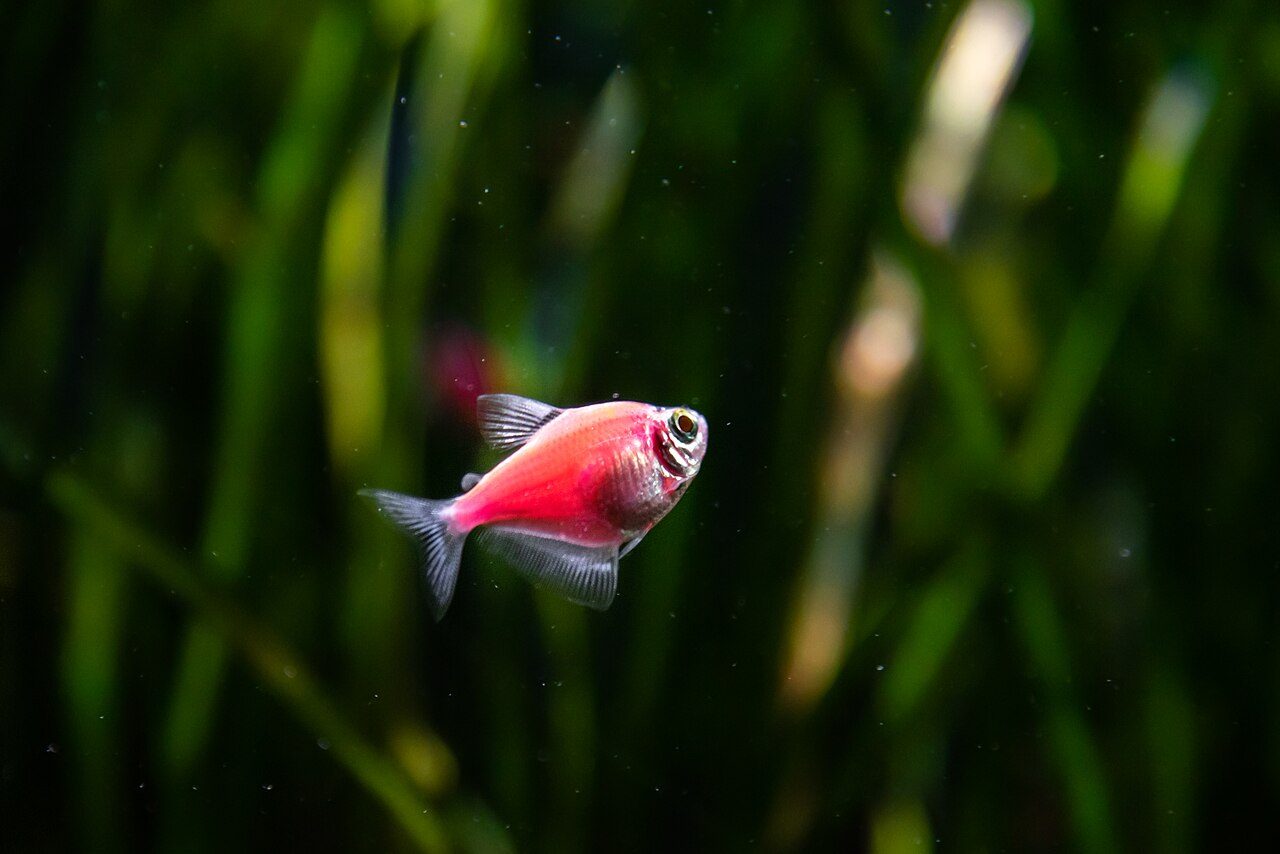
A tetra is a small, freshwater schooling fish belonging to the family Characidae. Known for their colorful colors and distinctive adipose fin, they are peaceful community fish popular in tropical aquarium setups.
If you have ever walked into a local fish store and seen a shimmering cloud of neon blue and red darting through a planted tank, you have already met a tetra. But for many beginners, the question remains: what is a tetra exactly, and why are they so well-loved by hobbyists?
In my experience of maintaining diverse community tanks for over ten years, I have found that tetras are the heartbeat of the freshwater hobby. They bring a level of movement and energy that few other species can match.
Let’s look closely at the interesting world of these tiny, colorful gems.
Pro Tip: When first introducing tetras to your tank, always use the drip acclimation method. These fish are sensitive to sudden changes in water chemistry, and a slow transition over 60 minutes significantly reduces “new tank” mortality rates.
At a glance: Tetras (general) (Family Characidae and relatives)
- Temperature
- 72–80°F (22–27°C) for most species
- Water pH
- 6.0–7.5 for most species
- Adult size
- 1–3 in (2.5–8 cm)
- Minimum tank
- 10–30 gal depending on species
- Group size
- Groups of 6–10+
- Temperament
- Mostly peaceful schooling fish
- Diet
- Omnivores: quality flakes or micro pellets plus frozen foods
- Lifespan
- 3–8 years
Keeper’s tip: Schooling size matters more than tank size for most tetras: small groups hide, nip and stress.
Anatomy and Classification: Defining the Tetra
To understand what is a tetra, we have to look at their scientific classification. These fish belong to the biological order Characiformes and are primarily grouped within the family Characidae.
While there are thousands of species within this order, the ones we keep in our homes share specific physical traits. The most notable feature is the adipose fin, a tiny, fleshy fin located on the back, just behind the main dorsal fin and in front of the tail.
This fin is a hallmark of many characins, though its exact purpose is still debated by scientists. In my tanks, I’ve noticed it’s one of the easiest ways to distinguish a true tetra from other small schooling fish like rasboras or minnows.
Most tetras possess a streamlined, compressed body shape designed for fast swimming. They also have well-developed scales and often feature a “lateral line” that helps them sense vibrations and stay synchronized while swimming in a group.
what is a tetra and Where Do They Come From?
When we ask what is a tetra in terms of its natural history, the answer usually leads us to the leafy river basins of South America and Africa. The vast majority of species in the hobby originate from the Amazon River basin.
These fish have evolved to live in diverse environments, ranging from clear, fast-moving streams to murky, slow-moving blackwater biotopes. In these blackwater areas, the water is stained the color of tea by humic substances released from decaying leaves and wood.
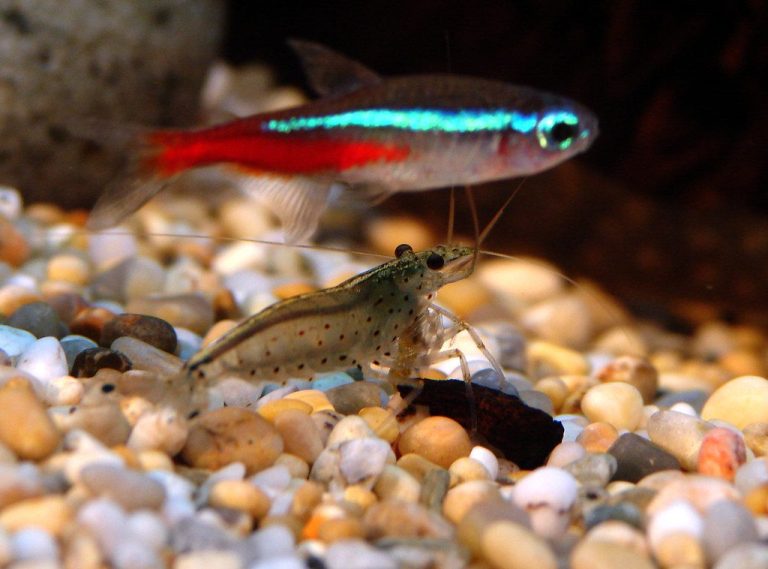
Living in these acidic, soft-water environments has shaped their biology. This is why many species, such as the Paracheirodon innesi (Neon Tetra), display such brilliant iridescent colors.
In the wild, these colors act as a beacon, allowing individuals to find their school in the dimly lit, tannin-stained waters. Understanding this origin is vital for recreating their home in your living room.
Popular Types of Tetras for Your Aquarium
There are hundreds of species available, but a few stand out as staples for the successful aquarist. Each has its own personality, size requirements, and swimming level within the tank.
For instance, the Neon Tetra is perhaps the most iconic, but it is often confused with its cousin, the Cardinal Tetra. While they look similar, their care requirements and hardiness can differ significantly.
I have put together a comparison table below to help you identify some of the most common species and their specific needs.
| Species Name | Scientific Name | Max Size | Ideal Temperature |
|---|---|---|---|
| Neon Tetra | Paracheirodon innesi | 1.5 inches | 70°F – 81°F |
| Cardinal Tetra | Paracheirodon axelrodi | 2 inches | 73°F – 82°F |
| Rummy Nose Tetra | Hemigrammus rhodostomus | 2.5 inches | 75°F – 84°F |
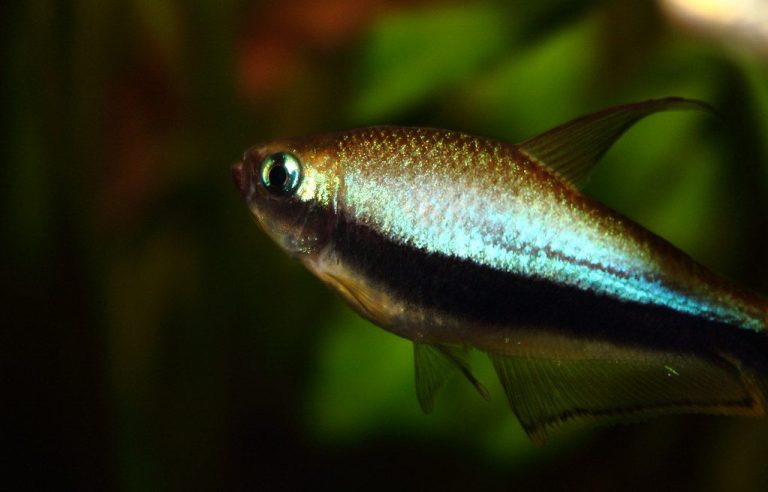
| Black Skirt Tetra | Gymnocorymbus ternetzi | 3 inches | 70°F – 82°F |
Each of these species brings a different aesthetic. Rummy Nose Tetras are famous for their tight schooling behavior, while Black Skirt Tetras provide a larger, more distinct silhouette.
The Importance of Shoaling Behavior
One of the most critical aspects of what is a tetra is their social nature. These are not solitary fish; they are obligate schoolers that rely on the group for safety and psychological well-being.
In the wild, being part of a large group reduces the individual risk of predation. In the aquarium, this manifests as shoaling behavior, where the fish stay in close proximity to one another.
I have often seen beginners buy just two or three tetras, only to wonder why the fish are hiding or acting lethargic. Without a proper school, tetras become chronically stressed, which weakens their immune systems.
To see their best colors and most active movements, you should always keep them in groups of at least six to eight. However, if your tank size allows, a group of 15 or more is where the real magic happens.
Tetras as Dither Fish
Because of their active nature, tetras are often used as dither fish in community tanks. Dither fish are peaceful species that swim openly, signaling to more shy or aggressive fish that the environment is safe.
If you have cichlids or larger timid fish, a school of tetras can help “draw them out” of hiding. Their constant movement acts as a visual cue that there are no predators nearby.
Understanding Fin Nipping
While generally peaceful, some larger species can be a bit nippy if they are bored or kept in too small a group. Serpae Tetras and Black Skirts are notorious for this if they don’t have enough space.
To prevent this, ensure your aquarium is well-planted. Plants provide visual barriers and enrichment, which helps keep their focus on the school rather than their tank mates’ fins.
Essential Water Parameters and Tank Setup
Creating the right environment is the difference between a tetra that survives and one that stays healthy. Most species prefer soft acidic water, mimicking the rivers of South America.
While many captive-bred tetras are adaptable to a range of conditions, maintaining stability is key. Fluctuating pH levels or sudden temperature drops are the leading causes of stress-related illnesses.
Providing the ideal water temperatures is non-negotiable. Most tropical tetras require a steady range between 75°F and 80°F to maintain their metabolism and color.
Pro Tip: If you are struggling to maintain a low pH for your tetras, try adding Indian Almond Leaves or driftwood. These natural elements release tannins and humic substances that gently acidify the water and provide a more natural look.
Lighting also plays a role in their comfort. In the wild, they are often shaded by overhanging rainforest canopies. Using floating plants like Amazon Frogbit can provide the dappled light they prefer.
Feeding Your Tetras for Maximum Color
What a tetra eats directly impacts its lifespan and the vibrancy of its scales. In the wild, they are omnivores, feeding on small insects, larvae, and plant matter.
In the home aquarium, they are generally not picky eaters. However, a diet consisting solely of generic flakes will not bring out their best potential.
I recommend a varied diet that includes high-quality micro-pellets, crushed flakes, and frozen foods. Providing the right food for your tetras, such as baby brine shrimp or daphnia, will significantly boost their red and blue pigments.
Feed them small amounts once or twice a day. Since they have tiny stomachs, they do better with frequent, small meals rather than one large feeding that might lead to water quality issues.
Common Health Issues: Neon Tetra Disease
No discussion on what is a tetra would be complete without mentioning their health vulnerabilities. The most feared ailment in the hobby is Neon Tetra Disease, caused by the parasite Pleistophora hyphessobryconis.
This disease is highly contagious and currently has no known cure. It usually manifests as a loss of color, cysts on the body, and spinal deformities.
The best defense is a strong offense: quarantine every new fish for at least two weeks before adding them to your main display. I have learned this the hard way more than once, and a simple quarantine tank can save your entire school.
Other common issues include Ich (White Spot Disease) and fin rot. These are almost always caused by poor water quality or stress from improper tank mates. Keeping your nitrate levels low through regular water changes is the best preventative medicine.
Reader questions
Can tetras live with Bettas?
In many cases, yes. Smaller, peaceful tetras like Neons or Harlequin Rasboras (though not true tetras) often make great companions for a Betta in a 20-gallon tank. However, avoid “nippy” tetras like Serpaes, as they may target the Betta’s long fins.
How long do tetras live?
Most small species live between 3 and 5 years in a well-maintained aquarium. Larger species, like the Congo Tetra or Black Skirt Tetra, can live up to 7 or 8 years if provided with right care and a low-stress environment.
Do tetras need a heater?
Absolutely. Since they are tropical fish, they cannot survive in cold water for long. A reliable aquarium heater is essential to keep the water within their preferred range of 75°F to 80°F.
Why are my tetras losing their color at night?
This is a natural phenomenon. Many tetras “turn off” their iridescent colors when they sleep to avoid being spotted by predators. Their color should return to full vibrance within 30 minutes of the lights turning on in the morning.
Before you go
So, what is a tetra? It is a vivid, energetic, and socially complex fish that has earned its place as a cornerstone of the aquarium hobby. From the tiny Neon to the majestic Congo Tetra, these fish offer something for every level of keeper.
Once you understand their need for soft water, stable temperatures, and the security of a large school, you can help your tetras live a long and healthy life. There is nothing quite like the sight of a well-settled school moving in unison through a lushly planted tank.
If you are ready to start your journey with these amazing characins, focus on the fundamentals: a cycled tank, quality food, and a group of friends for them to swim with. Your aquarium will be much richer for it.

- 2003First tank
- 20+Years keeping
- 40+Tanks kept
- 0Sponsored picks
Howard set up his first 10-gallon planted tank in 2003 and lost half of it within six weeks. Two decades and more than forty aquariums later, he writes the guides he wished he had then: clear numbers, the reasons behind them, and what actually goes wrong in home tanks.