Neon Tetra Species – The Expert Guide To Identification, Care
Neon tetra species include the classic Neon Tetra, the vivid Cardinal Tetra, and the subtle Green Neon Tetra. These South American characins are famous for their iridescent stripes and flourish in soft, acidic water conditions.
For many of us, the sight of a shimmering blue line darting through a planted tank was what first drew us into fish keeping. After maintaining diverse aquaria for over a decade, I still find that the various neon tetra species remain some of the most satisfying fish to keep.
Belonging to the family Characidae, these small but mighty fish bring life and movement to any setup. Understanding the nuances between the different species is the first step toward creating a healthy aquatic environment.
In this guide, we will explore the biological differences, specific habitat requirements, and the expert secrets to keeping these “jewels of the Amazon” healthy for years to come.
At a glance: Neon tetra (Paracheirodon innesi)
- Temperature
- 72–78°F (22–26°C)
- Water pH
- 6.0–7.0
- Adult size
- 1.5 in (4 cm)
- Minimum tank
- 10 gal (20 gal for a proper school)
- Group size
- Groups of 8+
- Temperament
- Peaceful
- Diet
- Omnivore: micro pellets, flakes, frozen daphnia
- Lifespan
- 5–8 years
Keeper’s tip: Add neons only to a fully cycled, stable tank; they are among the first fish to suffer from ammonia swings.
The Three Primary Neon Tetra Species Explained
While most people use the term “neon tetra” as a catch-all, there are actually three distinct species within the Paracheirodon genus that hobbyists usually encounter. Each has its own unique color pattern and environmental preferences that you should be aware of before purchasing.
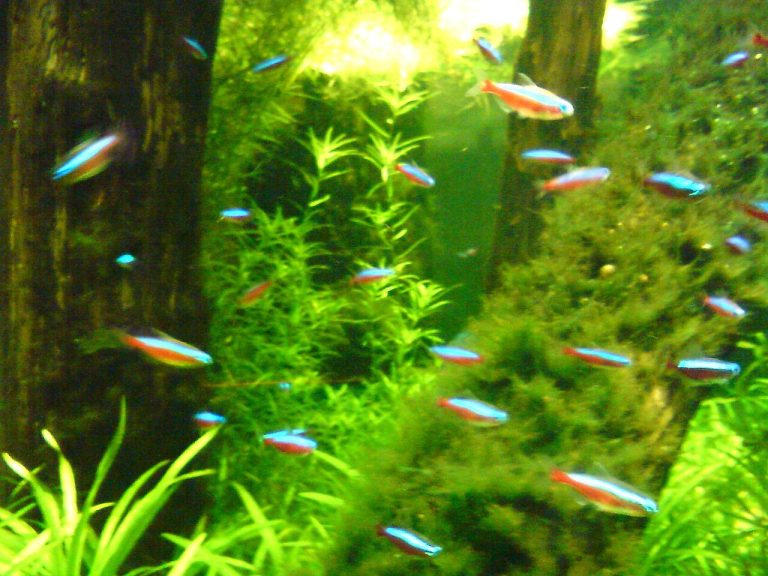
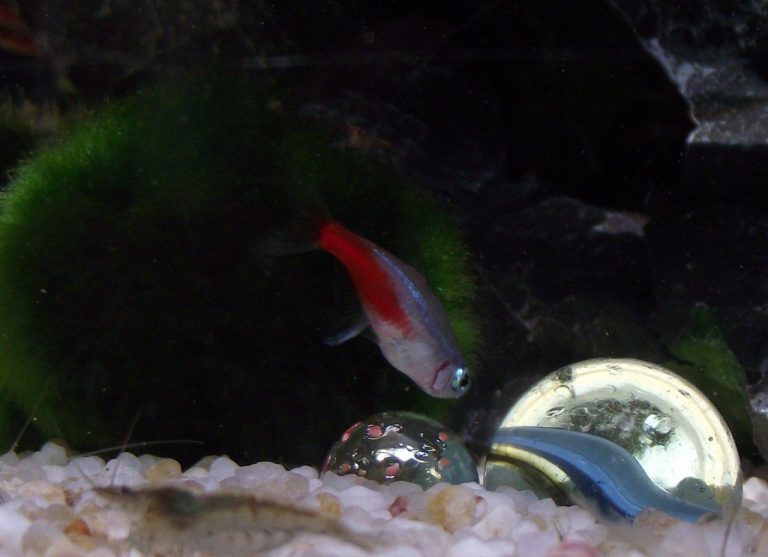
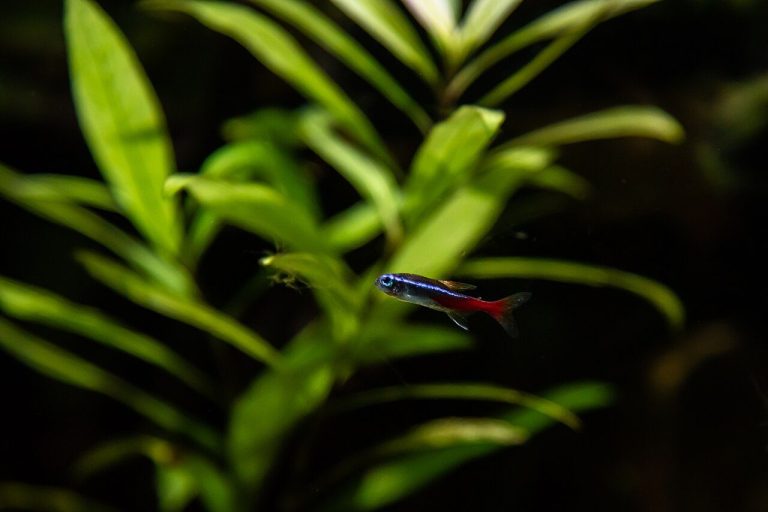
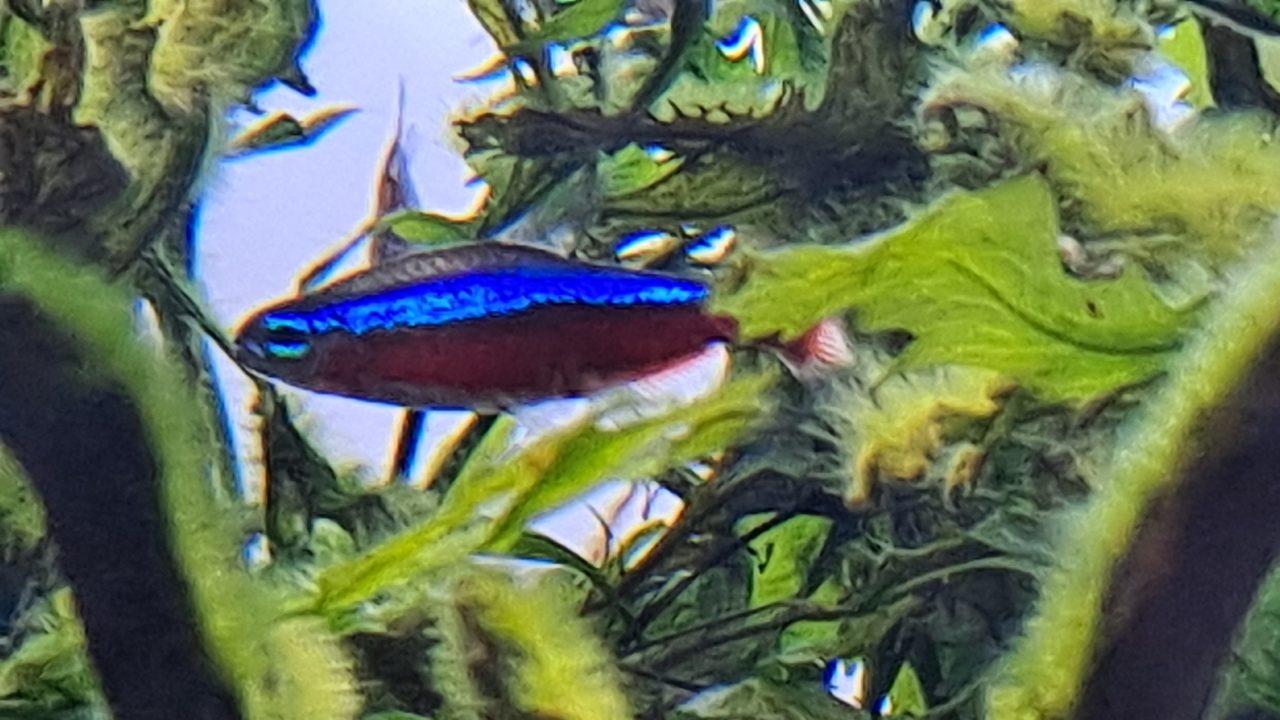
The most common is the standard Neon Tetra (Paracheirodon innesi), known for its half-red body. The Cardinal Tetra (Paracheirodon axelrodi) is often mistaken for its cousin but boasts a red stripe that runs the full length of its body. Finally, the Green Neon Tetra (Paracheirodon simulans) offers a more subtle, greenish-blue hue with significantly less red pigment.
In my experience, choosing the right neon tetra species depends heavily on your local water chemistry and the size of your aquarium. Cardinals tend to be slightly more sensitive to water fluctuations, whereas the standard Neon is often more readily available and adaptable.
| Species Name | Scientific Name | Key Visual Identifier | Max Size |
|---|---|---|---|
| Neon Tetra | Paracheirodon innesi | Red stripe stops halfway. | 1.5 inches |
| Cardinal Tetra | Paracheirodon axelrodi | Red stripe runs full length. | 2.0 inches |
| Green Neon Tetra | Paracheirodon simulans | Greenish-blue line, minimal red. | 1.0 inch |
Understanding the Green Neon Tetra
The Green Neon Tetra is the smallest of the group and is often the choice for nano-tank enthusiasts. I’ve noticed that they are frequently found in “blackwater” habitats where the water is stained dark by tannins.
Because of their size, they are extremely peaceful and make excellent tank mates for small shrimp. However, their diminutive stature means they can easily become a snack for larger, more aggressive fish.
The Majestic Cardinal Tetra
Cardinals are often considered the “premium” version of the neon. Their colors are incredibly intense, especially when kept in a large school of 20 or more individuals.
They prefer slightly warmer water than the standard neon. If you are planning a tetra community tank, Cardinals are a fantastic center-piece schooling fish that will occupy the middle water column.
Anatomy and Biological Marvels of Neon Tetras
What makes these fish so visually striking is a specialized biological feature known as iridophores. These are light-reflecting cells that create that unmistakable “glow” we see under aquarium lighting.
In the wild, this iridescence helps the school stay together in the murky, dark waters of the Amazon. It also serves as a confusing flash to predators trying to pick out a single target from the group.
Another interesting anatomical feature is the adipose fin. This is a tiny, fleshy fin located between the dorsal fin and the tail, which is a hallmark of the characin family.
Pro Tip: To see the best colors from your fish, use a dark substrate like black sand or dark fluorite. The dark background encourages the fish to intensify their pigments, making the blue and red stripes pop significantly more than they would over light-colored gravel.
The Role of the Lateral Line
Like many schooling fish, neons rely heavily on their lateral line system to handle. This allows them to sense minute changes in water pressure and vibration from their neighbors.
This is how they manage to turn and move in perfect unison without ever colliding. It is a striking display of natural engineering that never gets old to watch.
Ideal Habitat: Recreating the Blackwater Biotope
To see your neon tetra species settle in, you should aim to replicate their natural home in the Amazon basin. This often involves creating a blackwater biotope using natural botanicals.
In the wild, fallen leaves and wood release humic acid into the water. This lowers the pH and also provides a natural antiseptic quality that protects the fish’s delicate slime coat.
I’ve found that using peat filtration or adding Indian Almond leaves can drastically improve the health and spawning behavior of these fish. The resulting “tea-colored” water might look strange at first, but your tetras will feel much more secure.
| Parameter | Ideal Range (Standard Neon) | Ideal Range (Cardinal) |
|---|---|---|
| Temperature | 70°F – 78°F | 73°F – 82°F |
| pH Level | 6.0 – 7.0 | 4.5 – 6.5 |
| Water Hardness | 2 – 10 dGH | 1 – 4 dGH |
Lighting and Shelter
Because they originate from shaded forest streams, these fish do not appreciate overly bright, direct lighting. Using floating plants like Amazon Frogbit or Salvinia can provide the necessary cover.
If you are using a tetra 20 gallon fish tank, make sure you have plenty of driftwood and live plants. This gives the fish places to hide and explore, which reduces stress significantly.
Feeding and Nutrition for Rich Colors
A common mistake I see among beginners is feeding only one type of flake food. While neons are omnivores and will eat almost anything, a varied diet is the key to those electric colors.
I highly recommend incorporating high-quality micro-pellets, crushed flakes, and occasional treats of frozen or live foods. Baby brine shrimp and daphnia are favorites that mimic their natural diet of small insects and larvae.
Feeding small amounts twice a day is better than one large feeding. This prevents excess food from rotting and spiking your ammonia levels, which these sensitive fish cannot tolerate.
Common Mistake: Many keepers forget that neons have very tiny mouths. Even standard flakes can sometimes be too large for them to swallow comfortably, leading to wasted food and malnourished fish. Always crush your flakes into a fine powder or use specialized “micro” foods.
Health and Disease Prevention
The most dreaded ailment among enthusiasts is “Neon Tetra Disease,” caused by the parasite Pleistophora hyphessobryconis. It is often incurable and can spread rapidly through a school.
Signs of this disease include a loss of color, cysts on the body, and erratic swimming behavior. The best defense is a strict quarantine protocol for any new fish you bring home.
Keep your water quality pristine through regular changes. Stress is the primary trigger for most diseases, so maintaining a stable environment is your best medicine.
The Importance of Quarantine
I cannot stress enough how vital it is to quarantine new neon tetra species for at least two to four weeks. This allows you to observe them for any signs of infection before they enter your main display tank.
During this time, you can also help they are eating well and recovering from the stress of transport. It is a small investment of time that can save your entire aquarium from disaster.
Breeding Neon Tetra Species at Home
Breeding these fish is a challenge that many intermediate keepers enjoy. It requires a dedicated breeding tank with very soft, acidic water and low lighting.
To successfully breed tetra fish, you must first condition the parents with high-quality live foods. The breeding tank should have a mesh bottom or plenty of fine-leaved plants like Java Moss to catch the eggs.
The parents must be removed immediately after spawning, as they will eat their own eggs. The fry are incredibly small and will require infusoria or liquid fry food for the first few days of life.
Raising the Fry
Once the fry are large enough, you can transition them to freshly hatched brine shrimp. This is the stage where you will see them begin to develop their famous iridescent stripes.
Maintaining perfect water quality is even more critical for fry than for adults. Daily small water changes with aged, matched water are essential for their survival.
Still wondering?
How many neon tetras should be kept together?
You should keep a minimum of 6 to 10 neons together. They are schooling fish and will feel stressed, vulnerable, and hide constantly if kept in smaller groups.
Can neon tetras live with Bettas?
Yes, they can often coexist, but it depends on the individual Betta’s temperament. Because neons are fast and occupy the middle tank area, they usually stay out of the Betta’s way.
What is the lifespan of a neon tetra?
In a well-maintained aquarium, they typically live for 3 to 5 years. However, in the wild, their lifespan is often much shorter due to predation and environmental changes.
Why are my neon tetras losing their color at night?
This is a natural defense mechanism. When the lights go out, they “turn off” their iridophores to become less visible to nocturnal predators while they rest.
Do neon tetras need a heater?
Absolutely. They are tropical fish and require a stable temperature between 72°F and 80°F. Fluctuating temperatures can weaken their immune systems.
Wrapping up
Caring for the various neon tetra species is a journey that brings color and serenity to any home. Once you understand the differences between the Neon, Cardinal, and Green Neon, you can tailor your care to their specific needs.
Success in fish keeping comes down to consistency. Provide them with soft water, a varied diet, and the company of a large school, and they will reward you with years of bright beauty.
Whether you choose to set up a dedicated blackwater biotope or a lushly planted community tank, these fish are sure to remain a favorite. Keep observing, keep learning, and your aquarium will continue to stay healthy for years to come.

- 2003First tank
- 20+Years keeping
- 40+Tanks kept
- 0Sponsored picks
Howard set up his first 10-gallon planted tank in 2003 and lost half of it within six weeks. Two decades and more than forty aquariums later, he writes the guides he wished he had then: clear numbers, the reasons behind them, and what actually goes wrong in home tanks.