Neon Fish Lifespan – How to Help Them Live Longer
The average neon fish lifespan in a home aquarium is typically 5 to 8 years. With pristine water parameters, a low-stress environment, and a high-quality diet, some specimens can reach a remarkable 10 years of age.
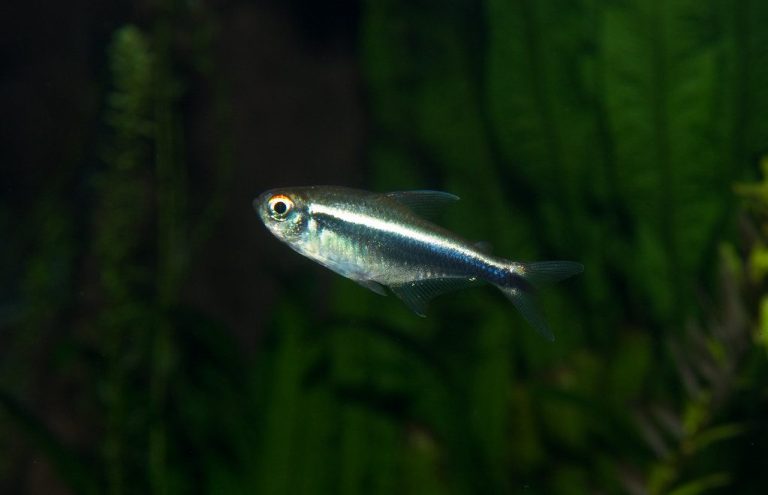
When you first see a school of Paracheirodon innesi darting through a planted tank, it is easy to see why they are a staple in the hobby. These tiny, glowing jewels bring an unmatched energy to any aquatic display.
In my experience of over ten years maintaining various characins, I have found that the neon fish lifespan is often misunderstood. Many beginners expect them to live only a year or two, but this is usually a result of preventable environmental stress.
Understanding the biological needs of these fish is the first step toward ensuring they do well for nearly a decade. By mimicking their natural habitat and managing their metabolic needs, you can significantly extend their time in your care.
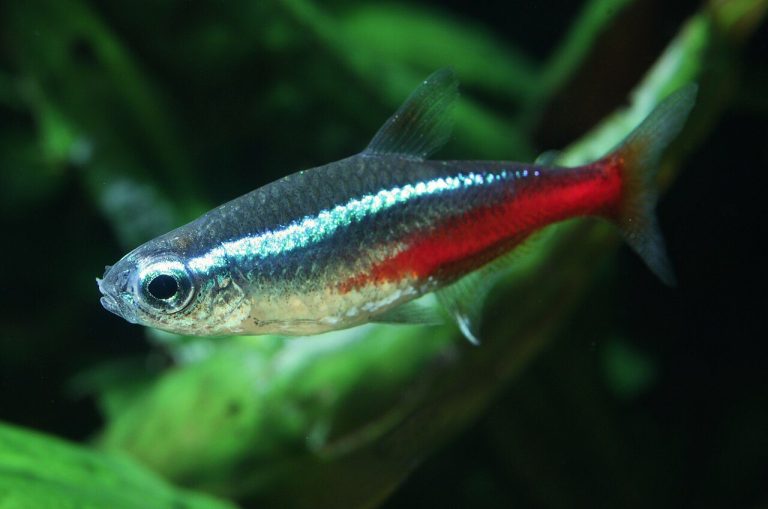
At a glance: Neon tetra (Paracheirodon innesi)
- Temperature
- 72–78°F (22–26°C)
- Water pH
- 6.0–7.0
- Adult size
- 1.5 in (4 cm)
- Minimum tank
- 10 gal (20 gal for a proper school)
- Group size
- Groups of 8+
- Temperament
- Peaceful
- Diet
- Omnivore: micro pellets, flakes, frozen daphnia
- Lifespan
- 5–8 years
Keeper’s tip: Add neons only to a fully cycled, stable tank; they are among the first fish to suffer from ammonia swings.
Understanding the Average neon fish lifespan
In the wild, the neon fish lifespan is frequently much shorter than in a home aquarium. Predation, seasonal shifts in water chemistry, and fluctuating food sources mean most wild neons only live for one or two seasons.
In a controlled environment, however, we remove the threat of predators and provide a consistent supply of nutrients. This stability allows their biological systems to focus on growth and immune health rather than survival.
I have noticed that the first six months are the most critical for a neon tetra. If they can successfully acclimate to your local water and pass the initial quarantine phase, their chances of reaching a ripe old age increase dramatically.
Water Quality: The Foundation of Longevity
The most significant factor affecting the neon fish lifespan is water chemistry. These fish originate from blackwater environments in the Amazon basin, which are naturally soft and acidic.
When neons are kept in hard water with high carbonate hardness (KH), they often suffer from osmotic stress. This occurs because their kidneys must work overtime to regulate the mineral content in their bodies, eventually leading to premature organ failure.
Maintaining a low level of Total Dissolved Solids (TDS) is a secret weapon for long-term success. High TDS levels can irritate their delicate gills and make them more susceptible to opportunistic infections.
| Parameter | Ideal Range for Longevity | Impact on Lifespan |
|---|---|---|
| Temperature | 72°F – 76°F (22°C – 24°C) | Higher temps increase metabolic rate and shorten life. |
| pH Level | 6.0 – 7.0 | Reduces stress and mimics natural blackwater habitats. |
| Nitrates | < 20 ppm | Prevents chronic nitrate toxicity and immune suppression. |
| Hardness (GH) | 2 – 8 dGH | Reduces kidney strain caused by osmotic stress. |
The Role of Humic Substances
I always recommend adding botanical elements like Indian Almond leaves or driftwood to a neon tetra tank. These materials release humic substances and increase the tannic acid concentration in the water.
These natural compounds act as mild disinfectants and help lower the pH safely. In my own tanks, I’ve seen a noticeable difference in the vibrance of the blue and red stripes when the water has a slight “tea” tint.
Pro Tip: Avoid the temptation to “chase” a perfect pH with chemical buffers. Stability is far more important for the neon fish lifespan than a specific number. Rapid fluctuations in water chemistry are far more lethal than being slightly outside the “ideal” range.
Temperature and Metabolic Rate
One of the most common mistakes I see involves keeping neons in water that is too warm. While they can survive at 80°F (27°C), this significantly accelerates their metabolic rate.
A faster metabolism means the fish ages quicker, processes oxygen faster, and requires more food, which in turn creates more waste. If you keep the tank at the lower end of their range (around 73°F), you effectively slow down their internal clock.
This cooler temperature also helps maintain higher dissolved oxygen levels. For a fish as small as a neon tetra, even minor drops in oxygen can cause chronic stress that shaves years off their life.
Diet and Nutritional Variety
To reach the maximum neon fish lifespan, a diet of generic flakes is simply not enough. These fish are omnivores that stay healthy on a variety of small invertebrates and plant matter in the wild.
I have found that a rotation of high-quality micro-pellets, frozen daphnia, and baby brine shrimp works best. These foods provide the essential amino acids and lipids needed for a sturdy immune system.
Overfeeding is a silent killer in the aquarium hobby. Excess food leads to poor water quality and can cause fatty liver disease in small tetras. Feed only what they can consume in two minutes, once or twice a day.
When keeping these rich fish, you must make sure they are actually getting the food. In a community tank, faster swimmers might outcompete them, leading to slow starvation.
Disease Prevention and Neon Tetra Disease
The most dreaded threat to your school is Pleistophora hyphessobryconis, commonly known as Neon Tetra Disease. This microsporidian parasite is notoriously difficult to treat and can wipe out an entire school quickly.
Symptoms include a loss of color, cysts on the body, and an unusual swimming posture. Unfortunately, there is no known cure for a full-blown infection, making prevention the only viable strategy.
Quarantining new arrivals for at least four weeks is the best way to protect your existing fish. I never skip this step, as a single infected fish from a pet store can end the journey of a five-year-old school.
Biological Filtration Efficiency
Maintaining high biological filtration efficiency is your first line of defense against disease. A mature filter housing a large colony of nitrifying bacteria helps make sure that ammonia and nitrite never reach toxic levels.
I recommend using a reliable filter system that provides both mechanical and biological stages. This keeps the water clear of debris while ensuring the chemical environment remains safe for the fish’s sensitive skin.
Pro Tip: If you notice a fish looking “off,” check your nitrate levels immediately. Chronic exposure to nitrates above 40 ppm weakens the slime coat, making the fish a target for bacteria and parasites that they would otherwise easily fight off.
Neon tetras are highly social “shoaling” fish. Keeping them in groups of fewer than six to eight individuals causes significant psychological stress.
This stress triggers the release of cortisol, which suppresses the immune system over time. In my experience, a school of 15 or more neons behaves much more naturally and shows significantly less aggression toward one another.
Providing plenty of hiding places through live plants like Java Fern or Anubias is also essential. When a fish feels it has a “safe zone,” its overall stress levels drop, contributing positively to the neon fish lifespan.
It is also vital to consider their neighbors. By choosing compatible tank mates that are not large enough to eat them, you make sure the neons don’t spend their lives in a state of constant fear.
Common Challenges and How to Overcome Them
Even with the best care, you may face challenges like “Old Tank Syndrome.” This happens when minerals build up over time and the pH slowly crashes due to a lack of buffering capacity.
Regular 25% weekly water changes are the best way to prevent this. I always use a dechlorinator that also detoxifies heavy metals, as neons are particularly sensitive to copper and lead found in some tap water.
Another challenge is “Neon Tetra Bloat,” which is often just constipation. Feeding deshelled boiled peas once a week can help keep their digestive tracts clear and prevent swim bladder issues.
A few common questions
1. Can neon tetras live in a 5-gallon tank?
While they can technically fit, a 5-gallon tank is too small for a proper school and fluctuates too much in temperature and chemistry. A 20-gallon long tank is much better for maximizing their lifespan.
2. Why do my neon tetras die shortly after I buy them?
This is often due to “osmotic shock.” If the store’s water is very different from yours, the fish can’t adjust quickly enough. Always use the drip acclimation method over at least 60 minutes.
3. How can I tell if my neon tetra is old?
Older neons often lose some of the “glow” in their blue stripe and may develop a slightly arched back. They also tend to be less active and may stay at the back of the school during feeding.
4. Do neon tetras need a heater?
Yes, they require a stable temperature. Fluctuations are one of the biggest stressors that can shorten the neon fish lifespan. A high-quality, adjustable heater is a must.
5. Can they live with goldfish?
No. Goldfish prefer much cooler water and will eventually grow large enough to eat the neon tetras. Goldfish also produce a high amount of waste that can lead to nitrate toxicity.
In short
Maximizing the neon fish lifespan is not about luck; it is about consistency and understanding their biological origins. If you prioritise soft, acidic water and keeping temperatures moderate, you provide the foundation they need to do well.
In my decade of fish keeping, I have seen that the most successful aquarists are those who observe their fish daily. Noticing a slight change in behavior or color can allow you to intervene before a minor issue becomes a fatal one.
These fish are more than just “disposable” beginner pets. They are complex creatures that reward diligent care with years of colorful color and remarkable social behavior. With the right approach, your neon tetras can be a mainstay in your aquarium for a very long time.

- 2003First tank
- 20+Years keeping
- 40+Tanks kept
- 0Sponsored picks
Howard set up his first 10-gallon planted tank in 2003 and lost half of it within six weeks. Two decades and more than forty aquariums later, he writes the guides he wished he had then: clear numbers, the reasons behind them, and what actually goes wrong in home tanks.