Tetra Fish Filters – What to Look For
To select the best tetra fish filters, prioritize a system that provides mechanical, chemical, and biological filtration. Help a flow rate of 4–6 times the tank volume per hour to maintain ideal water quality and oxygenation.
Choosing the right tetra fish filters is one of the most critical decisions you will make for your aquarium. After maintaining dozens of tanks over the last decade, I have learned that tetras are sensitive to water quality shifts.
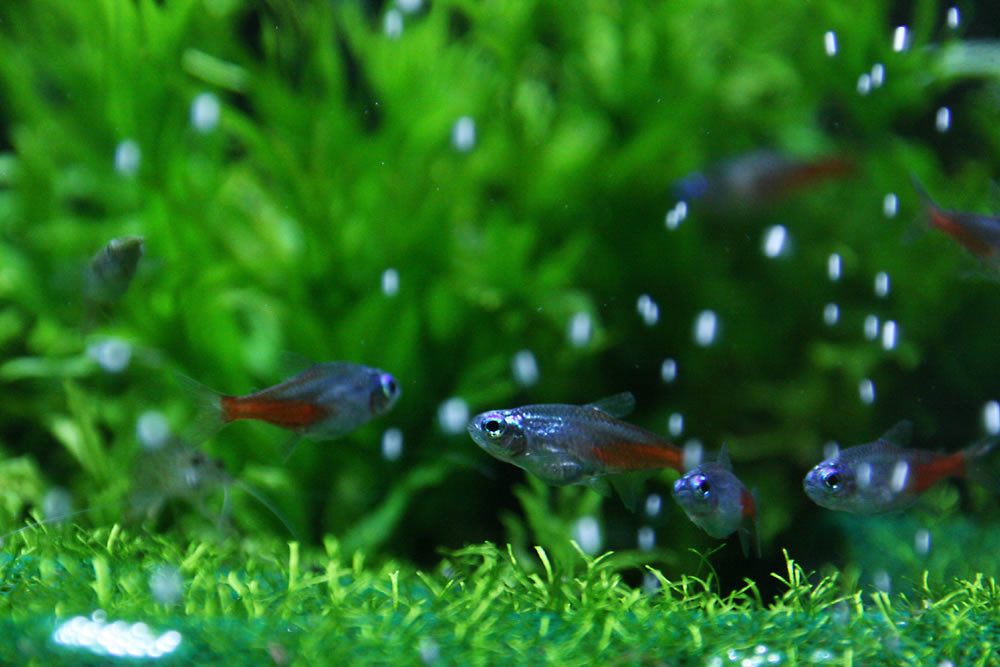
A high-quality filtration system does more than just move water; it creates a stable ecosystem for your fish. Whether you are keeping a school of Paracheirodon innesi (Neon Tetras) or larger species, the filter is the heart of the tank.
In this guide, I will share my experience to help you handle filtration. We will cover everything from flow rates to the nitrogen cycle to make sure your tetras settle in for years.
At a glance: Tetras (general) (Family Characidae and relatives)
- Temperature
- 72–80°F (22–27°C) for most species
- Water pH
- 6.0–7.5 for most species
- Adult size
- 1–3 in (2.5–8 cm)
- Minimum tank
- 10–30 gal depending on species
- Group size
- Groups of 6–10+
- Temperament
- Mostly peaceful schooling fish
- Diet
- Omnivores: quality flakes or micro pellets plus frozen foods
- Lifespan
- 3–8 years
Keeper’s tip: Schooling size matters more than tank size for most tetras: small groups hide, nip and stress.
Why Quality Tetra Fish Filters Are Non-Negotiable
Tetras are generally small, active fish that live in large schools in the wild. In a home aquarium, their waste products can quickly accumulate if the filtration is inadequate.
The primary goal of any filter is to manage the nitrogen cycle. This process involves beneficial bacteria breaking down toxic ammonia into nitrites and then into less harmful nitrates.
Without a reliable filter, these toxins build up, leading to stress, disease, or even death. I have seen many beginners lose their schools simply because they underestimated the importance of biological surface area.
The Role of Beneficial Bacteria
Inside your filter, two main types of bacteria do the heavy lifting. Nitrosomonas bacteria convert ammonia into nitrites, which are still quite toxic to fish.
Next, Nitrobacter bacteria take those nitrites and convert them into nitrates. This process is the foundation of a healthy aquarium and requires constant water flow to provide oxygen to the bacteria.
Maintaining Dissolved Oxygen Levels
Tetras are active swimmers and require high dissolved oxygen levels to remain healthy. A good filter provides surface agitation, which facilitates gas exchange at the water’s surface.
This process allows carbon dioxide to escape while pulling fresh oxygen into the water. In my experience, a tank with poor surface movement often results in lethargic fish that hang near the top of the water.
Pro Tip: If you notice your tetras gasping at the surface, it is often a sign of low oxygen or high ammonia. Increase your filter’s output or add an air stone immediately to help them breathe.
Comparing Different Types of Tetra Fish Filters
Not all filters are created equal, and the “best” one depends on your specific tank size and species. I have used almost every type of filter on the market, and each has its pros and cons.
Selecting the right style helps make sure that your fish aren’t blown around by a current that is too strong. Many tetras prefer a gentle to moderate flow that mimics their natural river habitats.
| Filter Type | Best For | Pros | Cons |
|---|---|---|---|
| Sponge Filter | Nano tanks, Breeding | Gentle flow, safe for fry | No chemical filtration |
| Hang-On-Back (HOB) | Standard community tanks | Easy maintenance, versatile | Can be noisy |
| Canister Filter | Large or planted tanks | High capacity, hidden | More expensive |
| Internal Filter | Small desktop tanks | Space-saving, quiet | Takes up room inside tank |
Sponge Filters for Small Tetras
Sponge filters are a favorite among breeders because they provide excellent biological filtration without any risk of sucking up small fish. I often use these when I am focusing on neon tetra maintenance in smaller setups.
They work by bubbling air through a sponge, which pulls water through the porous material. This provides a massive surface area for beneficial bacteria to colonize.
Hang-On-Back (HOB) Filters
For the average hobbyist, HOB filters are the most common choice. They are easy to clean and allow you to customize your media.
I always recommend adding a mechanical media layer, like filter floss, to catch large debris. You can also add carbon or resins to remove impurities and odors from the water.
Canister Filters for High Performance
If you have a larger tank with various tetra species, a canister filter is often the best investment. These units sit under the tank and offer the highest volume for filter media.
They provide a consistent GPH flow rate that can be adjusted to suit your fish. I find them particularly useful for heavily planted tanks where you want to keep the equipment out of sight.
Understanding GPH Flow Rate and Tank Turnover
When shopping for tetra fish filters, you will frequently see the term “GPH,” which stands for Gallons Per Hour. This number tells you how much water the filter moves in sixty minutes.
For tetras, a general rule of thumb is to have a turnover rate of 4 to 6 times your tank volume. This ensures the water is processed frequently enough to keep it pristine.
Calculating Your Needs
If you have a 20-gallon tank, you should look for a filter with a GPH of at least 80 to 120. This allows for some “head loss” as the filter media gets dirty and slows down the flow.
I have found that slightly over-filtering is always better than under-filtering. However, you must be careful not to create a “whirlpool” effect that exhausts your fish.
| Tank Size (Gallons) | Recommended GPH Range |
|---|---|
| 10 Gallons | 40 – 60 GPH |
| 20 Gallons | 80 – 120 GPH |
| 29 Gallons | 120 – 180 GPH |
| 55 Gallons | 220 – 330 GPH |
Managing Water Current
Tetras like the Rummy Nose or Buenos Aires can handle a stronger flow, but smaller species might struggle. If your filter is too powerful, you can use a baffle or a pre-filter sponge to slow it down.
I’ve noticed that tetras are much more colorful and active when they aren’t constantly fighting a heavy current. A gentle, steady stream is the sweet spot for most species.
The Three Pillars of Filtration for Tetras
To keep your aquarium water crystal clear and chemically safe, your tetra fish filters must perform three specific functions. Most modern filters combine these into one unit.
Understanding how these work together will help you troubleshoot water issues. I always check each of these components during my monthly maintenance routine.
1. Mechanical Filtration
This is the first stage where physical particles are trapped. Sponges, pads, and filter floss are commonly used to catch fish waste and uneaten food.
Keeping this stage clean is vital. If mechanical media becomes clogged, the flow rate drops, and the water quality begins to degrade rapidly.
2. Chemical Filtration
Chemical media, such as activated carbon, removes dissolved impurities from the water. It can help eliminate medications, odors, and that yellowish tint caused by humic substances (tannins).
While not always necessary in every tank, I find it very helpful for keeping the water looking “polished.” Just remember to replace chemical media every 3–4 weeks as it becomes exhausted.
3. Biological Filtration
This is the most important stage. It consists of porous ceramic rings, bio-balls, or sponges where beneficial bacteria live.
Never wash your biological media in tap water. The chlorine will kill your Nitrosomonas and Nitrobacter colonies, effectively “crashing” your tank’s nitrogen cycle.
Common Mistake: Many beginners replace their entire filter cartridge at once. This removes all your beneficial bacteria. Instead, rinse your media in a bucket of used tank water to preserve the bacteria.
Essential Maintenance for Tetra Fish Filters
Regular maintenance is the only way to make sure your filter continues to work efficiently. I have a strict schedule that I follow to prevent any sudden spikes in ammonia.
Neglecting your filter can lead to a buildup of “mulm,” which is organic sludge. This sludge can eventually become a breeding ground for harmful pathogens.
Weekly Visual Checks
Every week, I take a quick look at the water flow. If the output seems weaker than usual, it is a sign that the intake or the media is getting clogged.
I also check for any unusual noises. A rattling sound often means a piece of sand or gravel has found its way into the impeller.
Monthly Deep Cleaning
Once a month, I perform a more thorough cleaning. I unplug the filter and remove the sponges and biological media.
I rinse the sponges in a bucket of aquarium water to remove the heavy debris. I also use a small brush to clean the intake tube and the impeller housing.
Using an Intake Pre-filter Sponge
One of my favorite “hacks” is using an intake pre-filter sponge. This is a small sponge that fits over the intake tube inside the tank.
It prevents small fish from being sucked in and acts as an extra layer of mechanical filtration. It is much easier to pull this small sponge out and rinse it every week than to open the entire filter.
Optimizing the Filter for Your Specific Tetra Species
Different tetras come from different environments. While most are from the Amazon basin, their specific needs can vary slightly based on their natural habitat.
For example, some tetras prefer “blackwater” conditions. These environments are rich in humic substances which lower the pH and provide natural antibacterial properties.
Blackwater Setups
If you are keeping sensitive species like Cardinal Tetras, you might actually want to avoid heavy chemical filtration. Carbon can remove the beneficial tannins that these fish love.
In these cases, I focus heavily on biological and mechanical filtration. I might even add peat moss or almond leaves to the filter to naturally soften the water.
High-Oxygen Environments
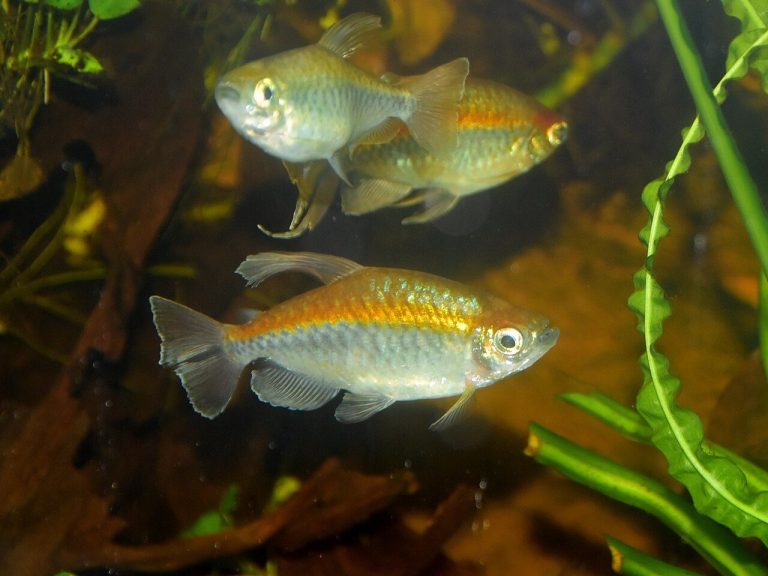
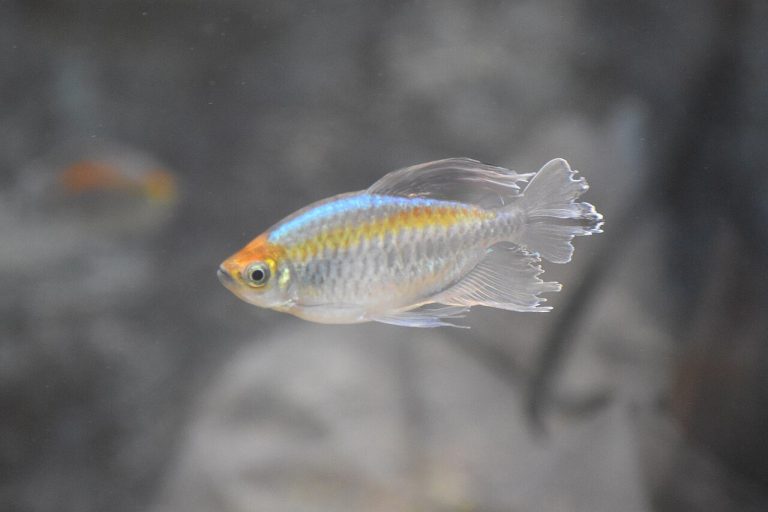
Larger, more active tetras like the Congo Tetra require more oxygenation. For these fish, I help the filter return creates plenty of surface agitation.
You can also use a “spray bar” attachment on your canister filter. This spreads the return water across the surface, maximizing gas exchange and keeping the dissolved oxygen levels high.
FAQ: Frequently Asked Questions About Tetra Fish Filters
Can I turn my filter off at night?
No, you should never turn your filter off. The beneficial bacteria living in the filter need a constant supply of oxygenated water to survive. If the flow stops for several hours, the bacteria can die, leading to toxic ammonia spikes.
How often should I replace the filter sponges?
You rarely need to replace the sponges entirely. I only replace them when they start to fall apart or lose their shape. Most sponges can last for years if they are rinsed gently in tank water.
Why is my filter making a loud humming noise?
A humming or grinding noise usually indicates an issue with the impeller. This is the small spinning part that moves the water. Try cleaning the impeller and the magnet with a soft brush to remove any buildup.
Do I need a filter if I have a lot of live plants?
While plants help process nitrates, they are rarely enough to handle the full biological load of a school of fish. I always recommend using a filter regardless of how many plants you have to ensure proper circulation and oxygenation.
Is a sponge filter enough for a 20-gallon tetra tank?
A single sponge filter might struggle in a heavily stocked 20-gallon tank. I usually recommend using two sponge filters or one HOB filter to make sure there is enough surface area for bacteria and sufficient water movement.
A closing note
Finding the right tetra fish filters is about balancing efficiency with the comfort of your fish. If you focus on the three pillars of filtration and maintaining a consistent flow rate, you create a safe haven for your school.
Remember that the filter is a living part of your aquarium. Treat your beneficial bacteria with care, and they will reward you with clear water and healthy fish.
In my years of keeping aquariums, I have found that a well-maintained filter is the best insurance policy against disease and stress. Take the time to understand your equipment, and your tetras will flourish.
Whether you are just starting or looking to upgrade, your choice of filtration will make all the difference in your success.

- 2003First tank
- 20+Years keeping
- 40+Tanks kept
- 0Sponsored picks
Howard set up his first 10-gallon planted tank in 2003 and lost half of it within six weeks. Two decades and more than forty aquariums later, he writes the guides he wished he had then: clear numbers, the reasons behind them, and what actually goes wrong in home tanks.