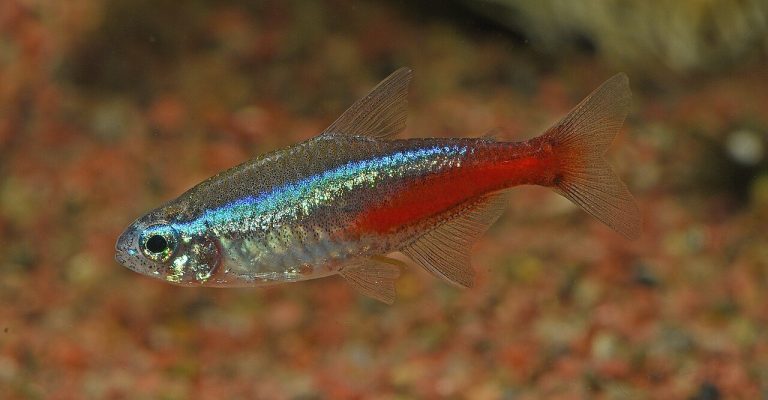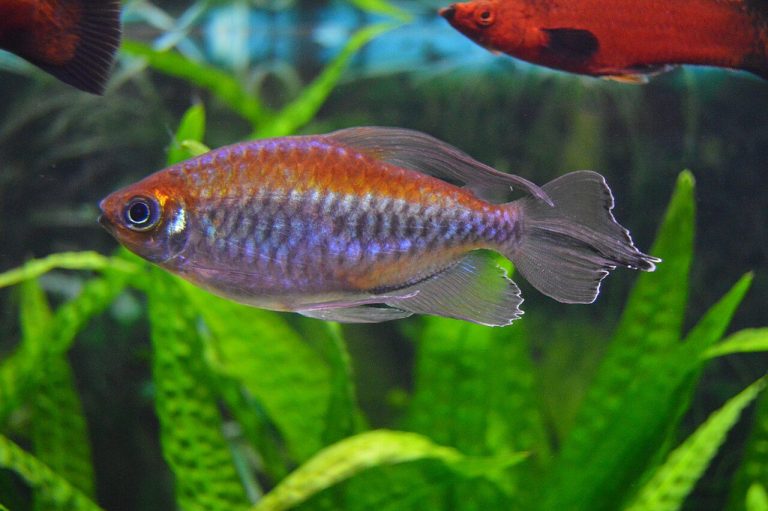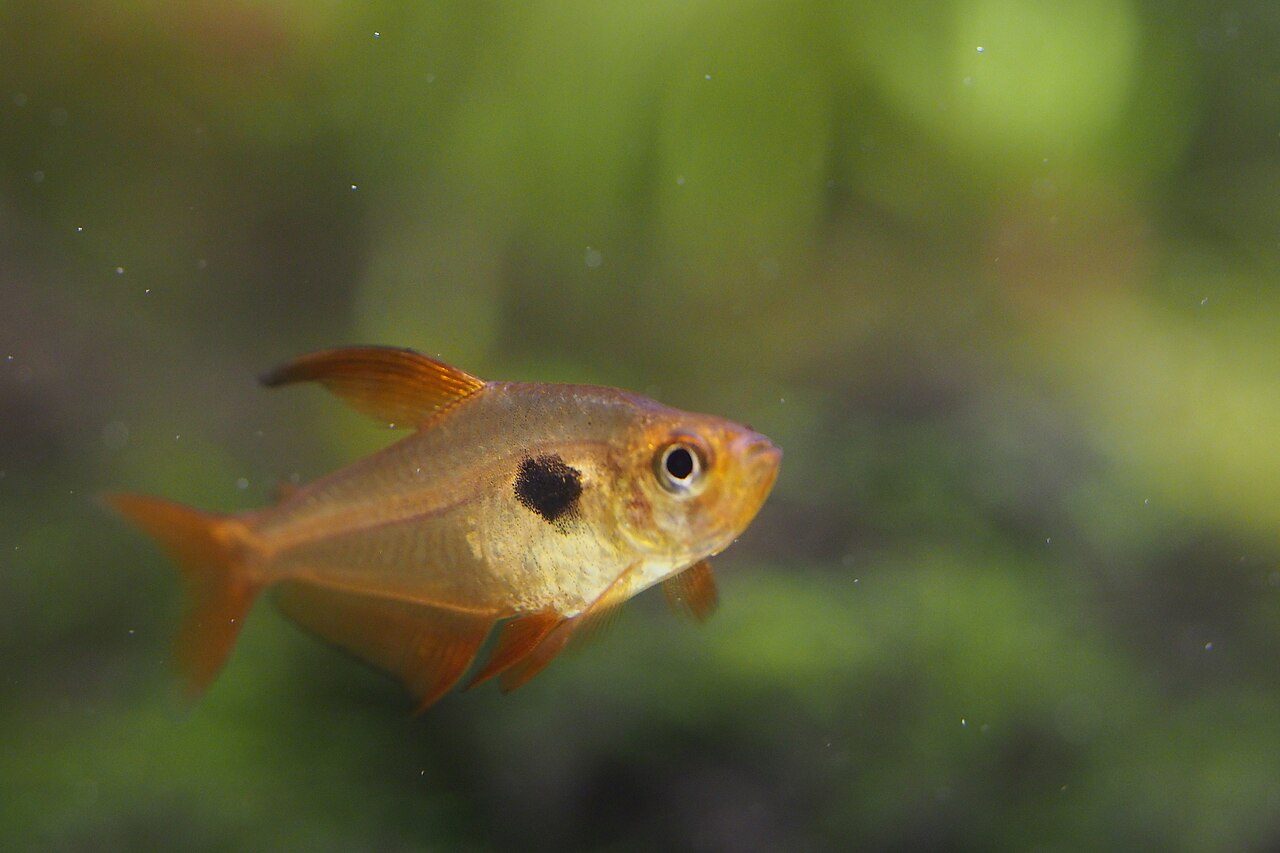
Red Phantom Tetra Disease Dying And Stress Signs
Identify Red Phantom Tetra disease dying and stress signs by spotting clamped fins, lethargy, or white spots. Rapidly improving water quality and using targeted treatments can save your Hyphessobrycon sweglesi school from fatal outcomes.
Watching your Red Phantom Tetras lose their vivid, ruby-red hue is one of the most disheartening experiences for any aquarist. These eye-catching fish, known scientifically as Hyphessobrycon sweglesi, are generally hardy, but they are not invincible to the pressures of a closed ecosystem.
In my ten years of maintaining South American community tanks, I have learned that these fish are “canaries in the coal mine.” They often show subtle hints of distress long before a full-blown crisis occurs in the aquarium.
Understanding Red Phantom Tetra disease dying and stress signs is the first step toward intervention. By catching these symptoms early, you can adjust your care routine and prevent the loss of your entire school.
At a glance: Red phantom tetra (Hyphessobrycon sweglesi)
- Temperature
- 68–77°F (20–25°C)
- Water pH
- 5.5–7.0
- Adult size
- 1.5 in (4 cm)
- Minimum tank
- 15 gal
- Group size
- Groups of 6+
- Temperament
- Peaceful
- Diet
- Omnivore: flakes, micro pellets, frozen foods
- Lifespan
- 4–5 years
Keeper’s tip: Prefers cooler, soft water than most tetras, so check your heater setting before adding them.
Recognizing Early Stress Signs in Red Phantom Tetras
Stress is the primary precursor to almost every disease in the aquarium hobby. When a fish is stressed, its immune system weakens, allowing opportunistic pathogens to take hold.
The most common early indicator I have observed is a change in swimming posture. If you notice your tetras hovering in one spot with their fins tucked tight against their bodies, they are likely experiencing clamped fins.
Behavioral Shifts and Hiding
Red Phantom Tetras are naturally social and active, often engaging in “mock battles” where males display their impressive dorsal fins. If the school stops interacting and starts hiding behind plants or filters, something is wrong.
This behavior often points toward poor water quality or aggressive tank mates. In many cases, it is simply a reaction to a sudden change in their environment that hasn’t been addressed.
Physical Discoloration
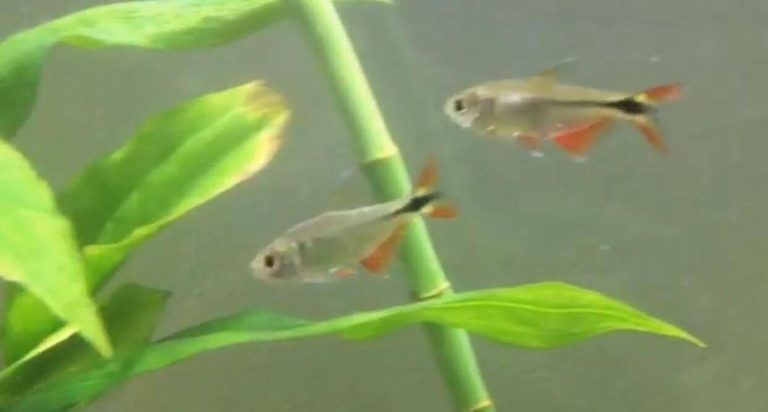
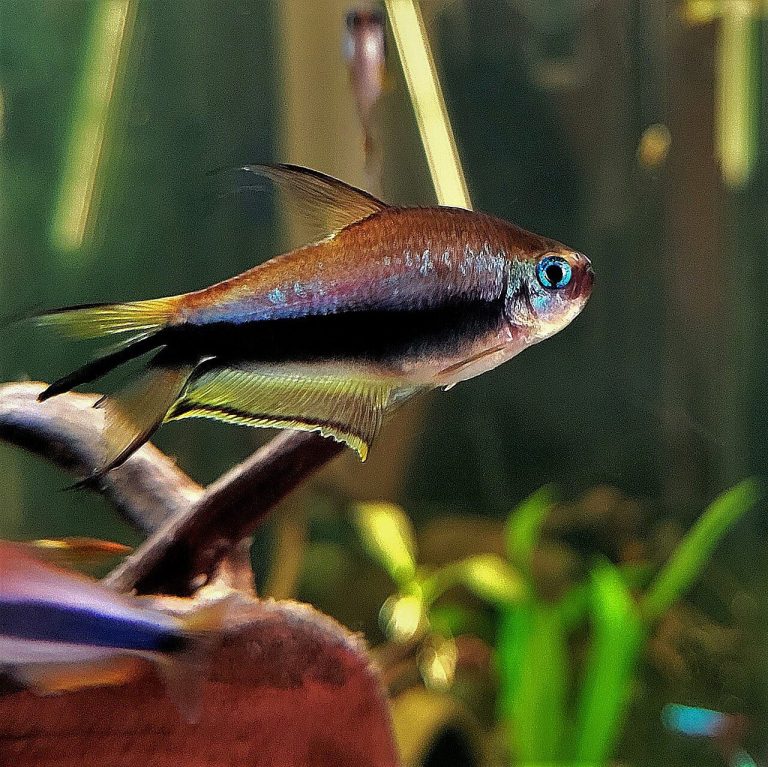
A healthy Red Phantom Tetra should exhibit a deep, translucent red body with a prominent black shoulder patch. When stressed, this red color will fade into a dull, greyish-pink.
Loss of color is frequently tied to osmotic shock or rapid fluctuations in pH levels. If your fish look “washed out” in the morning, it is time to reach for your testing kit immediately.
Expert Pro Tip: In my experience, Red Phantom Tetras are highly sensitive to “new tank syndrome.” I always suggest double-checking your ammonia and nitrite levels if you see them gasping at the surface, as this is often the first sign of nitrite toxicity.
Common Red Phantom Tetra Disease Dying and Stress Signs
When stress is left unchecked, it manifests as specific, often deadly, diseases. Identifying the exact pathogen is important because treating for the wrong illness can actually do more harm than good.
The table below outlines the most frequent ailments I have encountered with this species and how to identify them.
| Disease Name | Primary Symptom | Common Cause |
|---|---|---|
| Ich (White Spot) | Small white salt-like grains | Temperature fluctuations |
| Columnaris | White/grey patches on mouth/body | High organic waste |
| Saprolegnia (Fungus) | Cotton-like growths | Physical injury or poor hygiene |
| Neon Tetra Disease | Lumpy body and spine curvature | Ingesting infected tissue |
Ich (Ichthyophthirius multifiliis)
Ich is perhaps the most well-known parasite in the hobby. It presents as tiny white spots that look like grains of salt sprinkled over the fins and body of the fish.
If you see your Red Phantoms “flashing” or rubbing against decor, they are trying to dislodge these parasites. This disease spreads rapidly and can wipe out a school if not treated with heat and copper-based or malachite green medications.
Columnaris (Flavobacterium columnare)
Often mistaken for a fungal infection, Flavobacterium columnare is actually a bacterial pathogen. It creates “saddleback” lesions or white, fuzzy patches around the mouth and scales.
Unlike many other diseases, Columnaris stays healthy in warmer water. If you suspect this is the cause of your Red Phantom Tetra disease dying and stress signs, you should actually lower the temperature slightly while medicating.
Neon Tetra Disease (Pleistophora hyphessobryconis)
While named after the Neon Tetra, this microsporidian parasite can infect many characins, including Red Phantoms. It is characterized by a loss of color in a specific area, followed by a visible “lumpiness” or curved spine.
Sadly, there is no known cure for Pleistophora hyphessobryconis. The best course of action is to humanely euthanize the infected fish to prevent the rest of the school from scavenging on their remains and contracting the parasite.
Environmental Stressors and Water Quality
In my years of consulting, I’ve found that 90% of fish deaths are caused by the environment rather than a specific germ. Red Phantoms come from “blackwater” or “clearwater” environments in the Orinoco River basin.
They settle in in soft, slightly acidic water. When we force them into hard, alkaline water with high nitrates, their biological systems begin to fail, leading to Red Phantom Tetra disease dying and stress signs.
Nitrite Toxicity and Ammonia Burn
Ammonia and nitrite are silent killers. Even at low levels, they can cause permanent damage to a fish’s gills, leading to labored breathing.
If you notice the gills of your Red Phantoms looking bright red or inflamed, check your parameters immediately. Making sure you have an appropriate tank size helps dilute these toxins more effectively.
The Importance of Dissolved Oxygen Saturation
Red Phantoms are active swimmers that require high levels of dissolved oxygen saturation. If your water is too warm or lacks surface agitation, the fish will hang near the filter outlet or the surface.
Low oxygen levels create chronic stress. Over time, this makes them susceptible to secondary infections like Saprolegnia, which is a common water mold that attacks weakened tissue.
| Parameter | Ideal Range | Critical Level |
|---|---|---|
| Temperature | 72°F – 77°F (22°C – 25°C) | Above 82°F (High Stress) |
| pH | 5.5 – 7.0 | Above 7.5 |
| Ammonia / Nitrite | 0 ppm | Any detectable amount |
| Nitrate | < 20 ppm | Above 40 ppm |
Step-by-Step Implementation: How to Save Your Fish
If you are already seeing Red Phantom Tetra disease dying and stress signs, you need to act quickly but calmly. Sudden, drastic changes to water chemistry can kill a weakened fish faster than the disease itself.
The first thing I always do is a series of small, frequent water changes. Instead of doing one 50% change, try doing 15% daily for four days to stabilize the environment.
Quarantine and Medication
If only one or two fish show signs of Ich or fungus, move them to a separate quarantine tank. This prevents the spread and allows you to use stronger medications without crashing the beneficial bacteria in your main display.
For bacterial issues, I’ve had great success with erythromycin or minocycline. Always follow the full course of treatment, even if the fish looks better after two days.
Using Humic Substances and Tannins
One of my favorite “secrets” for keeping South American tetras healthy is the use of humic substances. These are found in peat moss, driftwood, and Indian Almond leaves (Catappa leaves).
Tannins released by these materials have natural antibacterial and antifungal properties. They also help lower the pH naturally, creating a more “home-like” environment that reduces stress significantly.
Common Mistake: Many beginners try to treat Red Phantom Tetra disease dying and stress signs by dumping multiple medications into the tank at once. This “shotgun approach” often depletes oxygen and stresses the fish’s liver; always identify the ailment first.
Critical Mistakes to Avoid and Common Pitfalls
When people see their fish dying, they often panic. I’ve seen many hobbyists lose an entire school of Hyphessobrycon sweglesi because they ignored basic biological principles during a crisis.
The biggest mistake is over-cleaning the filter during a disease outbreak. While you want clean water, scrubbing your filter media in tap water kills the nitrifying bacteria, leading to an ammonia spike that finishes off the sick fish.
Another pitfall is ignoring stocking levels. Overcrowding leads to higher stress and faster disease transmission.
Finally, never forget to acclimate new fish properly. Osmotic shock occurs when a fish is moved from high-mineral water to low-mineral water (or vice versa) too quickly, leading to organ failure within 48 hours.
Expert-Recommended Best Practices for 2024
To prevent Red Phantom Tetra disease dying and stress signs from ever appearing, you should focus on a “prevention-first” mindset. Modern fish keeping is about stability more than perfection.
I highly recommend investing in a high-quality liquid testing kit rather than relying on paper strips. Accuracy is the top priority when you are trying to troubleshoot why your fish are losing color or acting lethargic.
The Role of Diet in Immunity
A fish that eats well is a fish that survives. I always rotate between high-quality flakes, frozen bloodworms, and daphnia.
Daphnia is particularly useful as it acts as a mild laxative, preventing bloating which can sometimes be confused with internal parasites. High-protein diets help maintain those brilliant red pigments we all love.
Regular Maintenance Schedule
Consistency is the enemy of disease. I’ve found that a 25% weekly water change is the “sweet spot” for most Red Phantom setups.
During these changes, I gently vacuum the substrate to remove decaying organic matter. This reduces the fuel source for bacteria like Columnaris and keeps the dissolved oxygen saturation at right levels.
Frequently Asked Questions (FAQs)
Why is my Red Phantom Tetra turning white?
This is usually a sign of extreme stress or a bacterial infection like Columnaris. It can also be an early stage of Neon Tetra Disease if the whiteness is localized and the fish is losing its ability to swim straight.
Can Red Phantom Tetras recover from Ich?
Yes, they can. If caught early, Ich is very treatable. I recommend raising the tank temperature to 80°F (slowly) and using a reputable Ich medication while increasing aeration.
How long do Red Phantom Tetras live?
Looked after properly and by avoiding common Red Phantom Tetra disease dying and stress signs, these fish can live for 5 to 6 years. Their lifespan is heavily dependent on water stability and a low-stress environment.
Why are my tetras gasping at the surface?
Gasping usually indicates a lack of oxygen or nitrite toxicity. Check your filter flow and test your water for nitrites immediately; a large water change is often the best emergency response.
Are Red Phantom Tetras more sensitive than other tetras?
They are slightly more sensitive to water hardness than Black Skirt Tetras but are generally hardier than many wild-caught species. Understanding recognizing signs of illness in any tetra species will help you manage Red Phantoms effectively.
Summary of Key Takeaways
Keeping your school healthy requires a mix of observation and proactive maintenance. If you remember nothing else, keep in mind that Red Phantom Tetra disease dying and stress signs are your signal to check the water chemistry first.
Key Steps for Success:
- Observe daily: Look for clamped fins, spots, or fading colors.
- Maintain stability: Keep pH and temperature within the ideal ranges.
- Use Tannins: Add Indian Almond leaves to boost natural immunity.
- Quarantine: Always isolate new arrivals for at least two weeks.
If you follow these guidelines and treating your Hyphessobrycon sweglesi with the care they deserve, you can enjoy a bright, active, and healthy aquarium for many years to come. Your fish rely on you to be their advocate—stay curious and stay diligent.

- 2003First tank
- 20+Years keeping
- 40+Tanks kept
- 0Sponsored picks
Howard set up his first 10-gallon planted tank in 2003 and lost half of it within six weeks. Two decades and more than forty aquariums later, he writes the guides he wished he had then: clear numbers, the reasons behind them, and what actually goes wrong in home tanks.