How Much Is A Tetra – The Ultimate Cost And Care Guide
A single tetra typically costs between $1.50 and $5.00 for common species like Neons. Designer or rare varieties can range from $10.00 to $30.00 per fish depending on rarity, size, and health.
Starting a new aquarium is an exciting journey that often begins with a simple question: how much is a tetra? These vivid, schooling fish are staples in the hobby, but the initial sticker price is only one part of the financial equation.
In my decade of keeping various species from the Characidae family, I have learned that budgeting for these fish requires looking at their social needs. Because they exhibit shoaling behavior, you can never buy just one; you are effectively buying a community.
This guide will break down the costs of different species, from the classic Paracheirodon innesi to the more exotic types. We will also explore the hidden costs of equipment and maintenance to help your new school stays healthy for years to come.
At a glance: Tetras (general) (Family Characidae and relatives)
- Temperature
- 72–80°F (22–27°C) for most species
- Water pH
- 6.0–7.5 for most species
- Adult size
- 1–3 in (2.5–8 cm)
- Minimum tank
- 10–30 gal depending on species
- Group size
- Groups of 6–10+
- Temperament
- Mostly peaceful schooling fish
- Diet
- Omnivores: quality flakes or micro pellets plus frozen foods
- Lifespan
- 3–8 years
Keeper’s tip: Schooling size matters more than tank size for most tetras: small groups hide, nip and stress.
how much is a tetra: Breaking Down The Price By Species
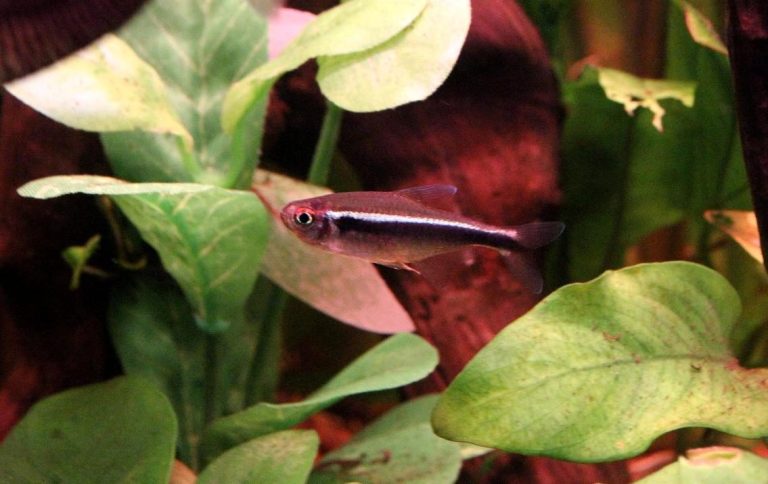
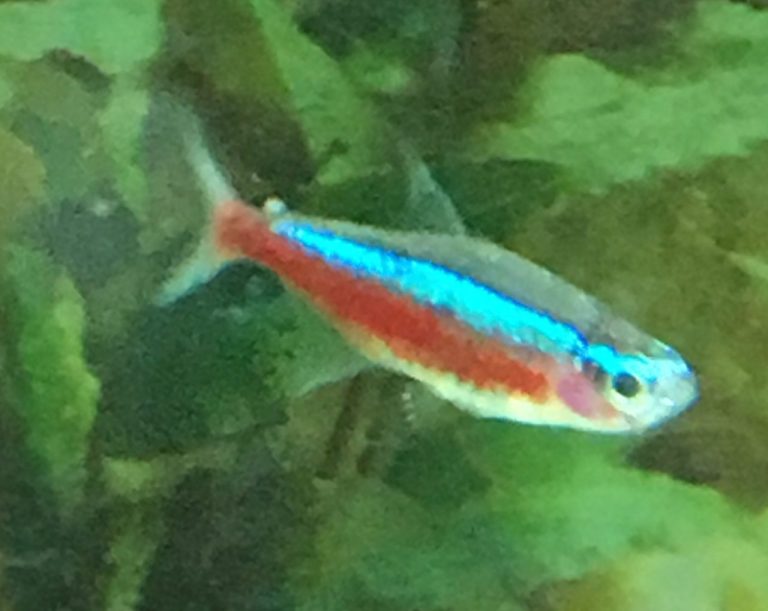
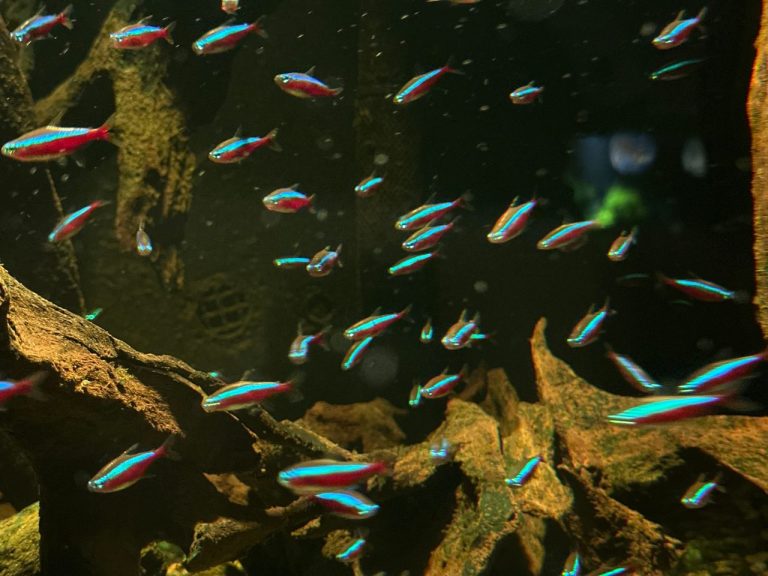
The price of a tetra varies significantly based on the species’ popularity and how easily they are bred in captivity. Most beginners gravitate toward the Neon Tetra because it is widely available and very affordable.
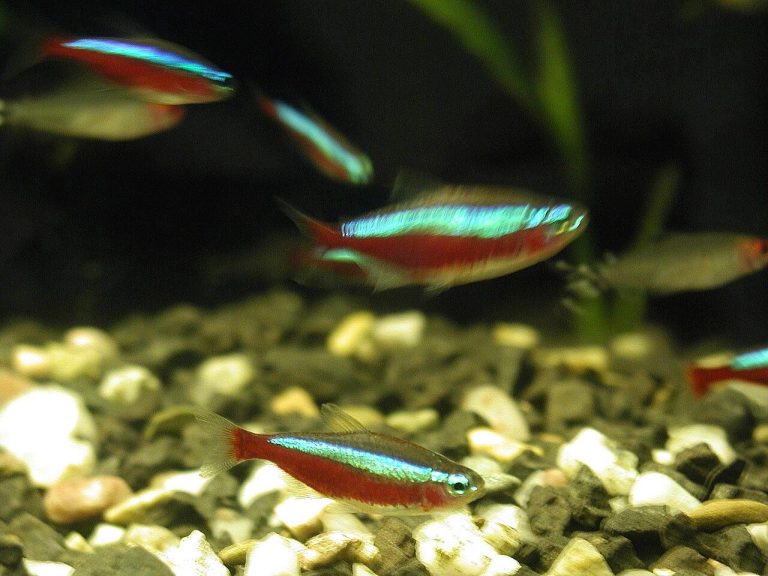
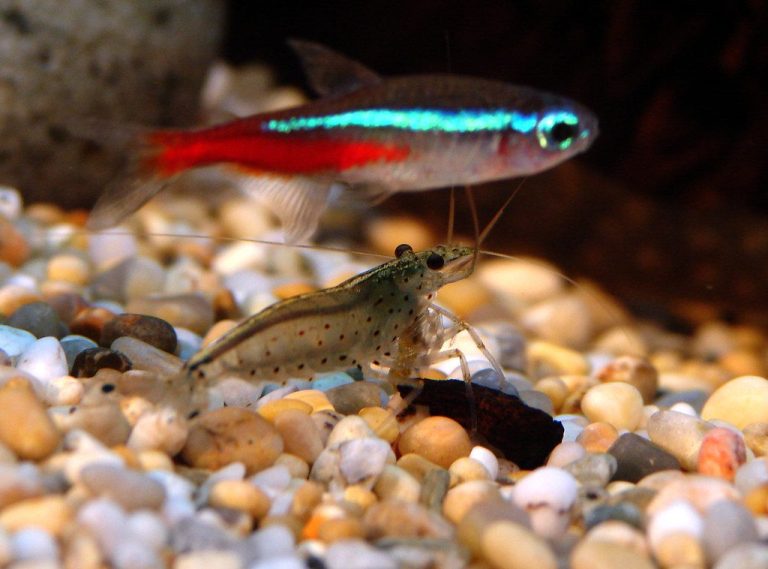
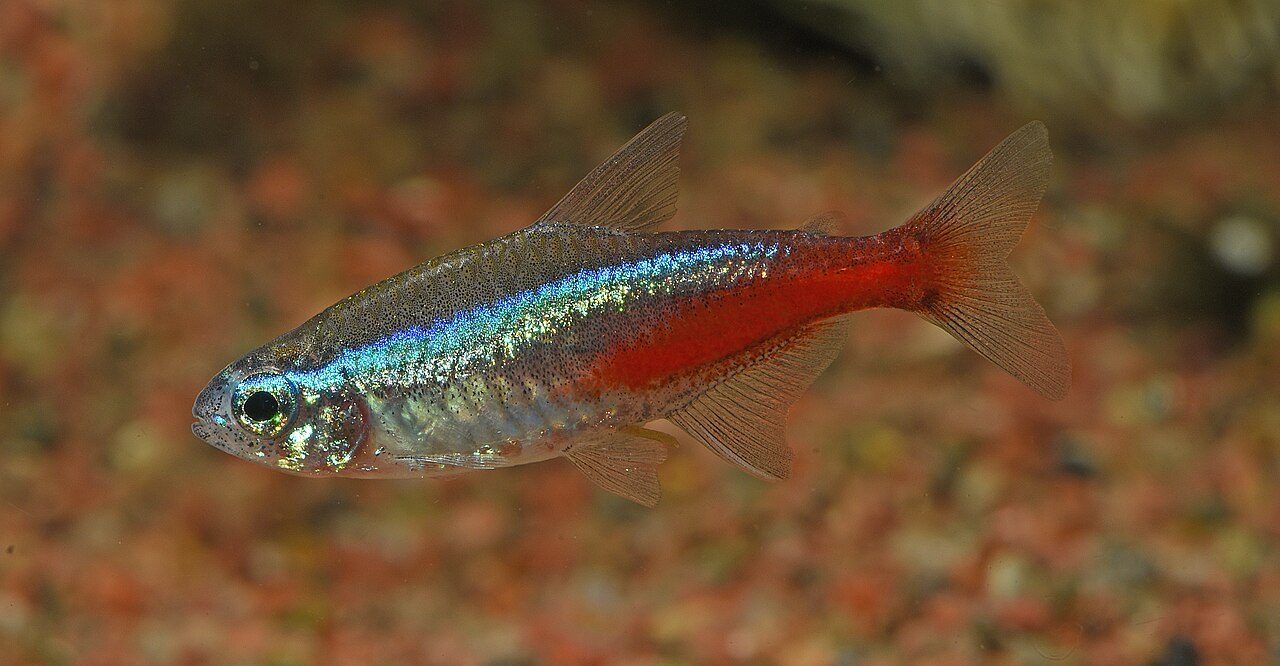
If you are looking for something more striking, the Cardinal Tetra (Paracheirodon axelrodi) often carries a higher price tag. This is because they are slightly larger and often wild-caught in the Amazon basin, requiring more complex logistics.
| Tetra Species | Average Price (Each) | Recommended School Size | Total School Cost |
|---|---|---|---|
| Neon Tetra | $1.50 – $3.00 | 6 – 10 | $9.00 – $30.00 |
| Cardinal Tetra | $3.50 – $6.00 | 6 – 10 | $21.00 – $60.00 |
| Rummy Nose Tetra | $4.00 – $7.00 | 8 – 12 | $32.00 – $84.00 |
| Serpae Tetra | $2.50 – $4.50 | 6+ | $15.00 – $27.00 |
| Congo Tetra | $8.00 – $15.00 | 6+ | $48.00 – $90.00 |
Common vs. Rare Varieties
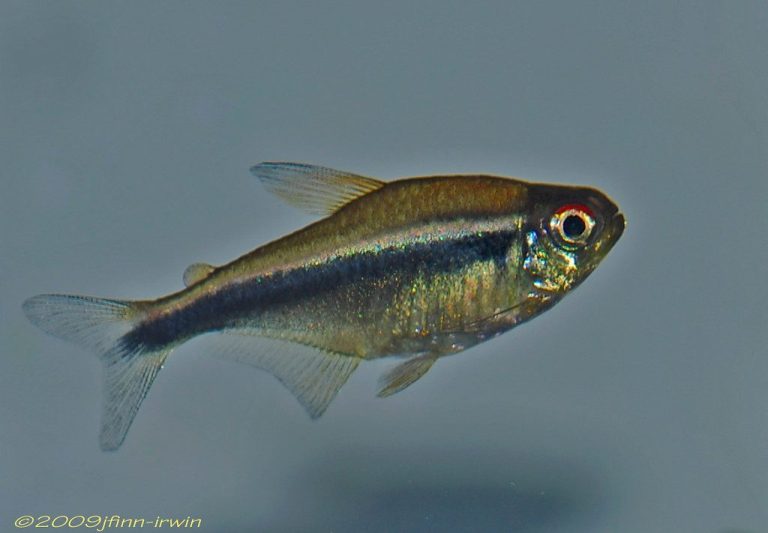
When asking how much is a tetra, you must distinguish between mass-produced fish and specialty breeds. Common species like the Black Skirt or Serpae (Hyphessobrycon eques) are often part of “buy 5, get 1 free” deals at large pet stores.
Rare varieties, such as the Diamond Tetra or certain wild-type variants, may only be available through specialized breeders. These fish often have better genetics but require a higher upfront investment.
Bulk Discounts and Local Fish Stores
Many local fish stores (LFS) offer discounts when you purchase a full school. Since tetras are social, buying them in groups of six or more is better for the fish and usually better for your wallet.
I always recommend checking with your LFS before buying online. Shipping costs for live fish can often exceed $30.00, making the “cheap” online price much more expensive in reality.
The fish themselves are often the least expensive part of the hobby. To keep your tetras healthy, you need a properly cycled environment that mimics their natural habitat.
A basic neon tetra tank setup includes the aquarium, a filter, a heater, and substrate. For most small tetras, a 20-gallon tank is the ideal starting point to provide enough swimming space.
Pro Tip: Never skimp on the heater. Tetras are tropical fish and even a slight drop in temperature can weaken their immune systems, leading to disease outbreaks.
Filtration and the Nitrogen Cycle
Your filter is the life-support system of the tank. It provides a home for beneficial bacteria like Nitrosomonas, which break down toxic ammonia into safer nitrates.
A high-quality sponge filter or power filter will cost between $20 and $50. This investment is important because poor water quality is the number one cause of death for newly purchased tetras.
Heating and Lighting
Most tetras stay healthy in temperatures between 75°F and 80°F. Maintaining proper aquarium temperatures requires a reliable submersible heater with a built-in thermostat.
Lighting is also important, especially if you plan to keep live plants. Many tetras prefer slightly dimmed lighting, which can be achieved with floating plants or adjustable LED fixtures.
Water Chemistry and Maintenance Expenses
Tetras are sensitive to water parameters, particularly those from the Amazon. They often prefer soft, acidic water with low specific conductance.
If your tap water is very hard, you might need to invest in Reverse osmosis deionization (RO/DI) systems. These systems strip minerals from the water, allowing you to “build” the perfect water profile for your fish.
| Maintenance Item | Estimated Monthly Cost | Purpose |
|---|---|---|
| Water Conditioner | $2.00 – $5.00 | Removes chlorine and chloramines |
| High-Quality Food | $5.00 – $8.00 | Provides essential nutrients |
| Test Kits | $3.00 (amortized) | Monitors ammonia, nitrite, nitrate |
| Electricity | $5.00 – $10.00 | Powers filter, heater, and lights |
The Role of Tannic Acid
Many hobbyists use driftwood or Indian Almond leaves to release tannic acid into the water. This creates a “blackwater” effect that mimics the natural environment of many tetras.
While these botanicals add a small recurring cost, they provide natural antibacterial properties. This can be a cost-effective way to keep your fish healthy without expensive medications.
Feeding Your School
When considering how much is a tetra to maintain, don’t forget the food. A varied diet is the key to vivid colors and long lifespans.
I suggest using a mix of high-quality fish food, such as micro-pellets and flakes. Supplementing with frozen bloodworms or brine shrimp once or twice a week will keep your tetras in peak condition.
Common Pitfalls: Disease and Mortality Costs
One of the most frustrating hidden costs is the loss of fish due to disease. New fish are often stressed and susceptible to parasites like Ichthyophthirius multifiliis (commonly known as Ich).
Treating a 20-gallon tank for Ich can cost $15 to $25 in medication. Furthermore, if the disease spreads, you might lose your entire school, forcing you to start over.
Pro Tip: Always use a quarantine tank for new arrivals. Spending $20 on a small setup now can save you hundreds in lost fish and medication later.
Acclimation Mistakes
Many beginners rush the process of adding fish to their tank. If the water parameters at the store are vastly different from yours, the fish can go into shock.
Drip acclimation is the safest method for sensitive tetras. It slowly introduces your tank water to the transport bag, minimizing the stress on the fish’s internal systems.
Overcrowding the Tank
It is tempting to buy as many tetras as possible when they are on sale. However, overcrowding leads to increased waste and aggression.
Stick to the “one inch of fish per gallon” rule as a very loose starting point, but always prioritize filtration capacity. A healthy, smaller school is much cheaper to maintain than a large, sickly one.
Understanding Tetra Biology: Why They Need Friends
To understand why the cost of tetras is usually a “group price,” we have to look at their shoaling behavior. In the wild, tetras stay in large groups to confuse predators.
When kept alone or in too small a group, tetras become chronically stressed. This stress suppresses their immune system and leads to a much shorter lifespan.
The Characidae Family
Tetras belong to a massive family of fish that share a common trait: the adipose fin. This small, fleshy fin is located between the dorsal fin and the tail.
Most species in this family are highly active and require horizontal swimming space. This is why long tanks are generally preferred over tall or hexagonal tanks for tetras.
Specific Conductance and Osmoregulation
Tetras are masters of osmoregulation, but they have their limits. Sudden changes in the mineral content of the water can be fatal.
If you keep your water parameters stable, you reduce the metabolic cost for the fish. This allows them to put more energy into growth and color production rather than just surviving.
Reader questions About Tetra Costs
Are tetras expensive to keep?
No, compared to saltwater fish or large cichlids, tetras are very affordable. The main costs are the initial tank setup and high-quality food.
Why is my local store charging $5 for a Neon Tetra?
Prices can vary based on the size and health of the fish. Stores that source from high-quality breeders or quarantine their fish before sale often charge a premium.
Can I keep different types of tetras together?
Yes, most tetras are peaceful and can share a tank. However, each species still needs its own school of at least six individuals to feel secure.
How long do tetras live?
Looked after properly, most small tetras live between 3 and 5 years. Larger species like the Congo Tetra can live up to 7 or 8 years.
What is the cheapest tetra species?
The Neon Tetra is almost always the least expensive species due to massive commercial breeding programs worldwide.
Conclusion: Investing in Your Aquatic Future
When you ask how much is a tetra, keep in mind that you are investing in a living ecosystem. While the individual fish might only cost a few dollars, their well-being depends on the quality of the environment you provide.
By budgeting for a proper school, a cycled tank, and high-quality nutrition, you make sure your aquarium remains a source of joy rather than stress. Tetras are a wonderful gateway into the hobby, offering endless color and movement for a relatively low investment.
Take your time, research the specific needs of your chosen species, and always prioritize the health of the fish over a bargain price. Your rich, shimmering school of tetras will thank you for it with years of active, healthy behavior.

- 2003First tank
- 20+Years keeping
- 40+Tanks kept
- 0Sponsored picks
Howard set up his first 10-gallon planted tank in 2003 and lost half of it within six weeks. Two decades and more than forty aquariums later, he writes the guides he wished he had then: clear numbers, the reasons behind them, and what actually goes wrong in home tanks.