Do Tetras Eat Bloodworms – What and How Often to Feed
Yes, tetras do eat bloodworms and typically find them irresistible. These high-protein larvae are an excellent supplemental treat that promotes growth, improves natural coloration, and mimics the diet tetras consume in the wild.
Feeding your fish is one of the most rewarding aspects of the aquarium hobby, especially when you see a school of tetras darting around with excitement.
If you have ever wondered, do tetras eat bloodworms, the short answer is a resounding yes.
In my ten years of maintaining community tanks, I have found that bloodworms are often the “steak dinner” of the aquatic world.
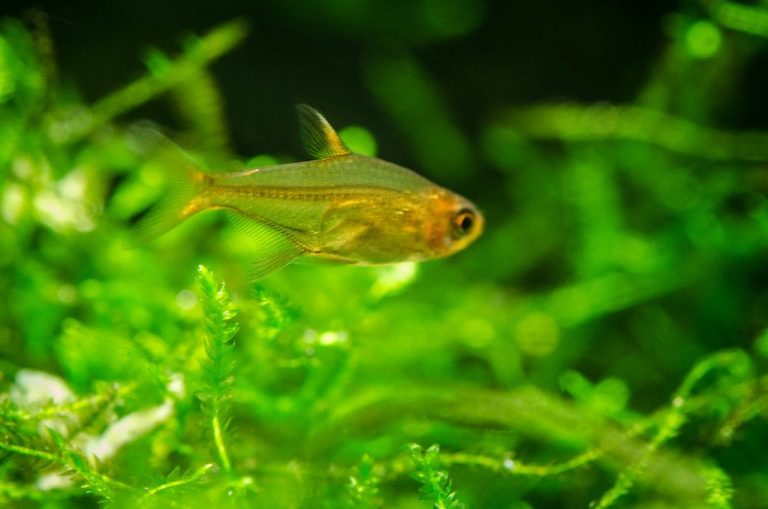
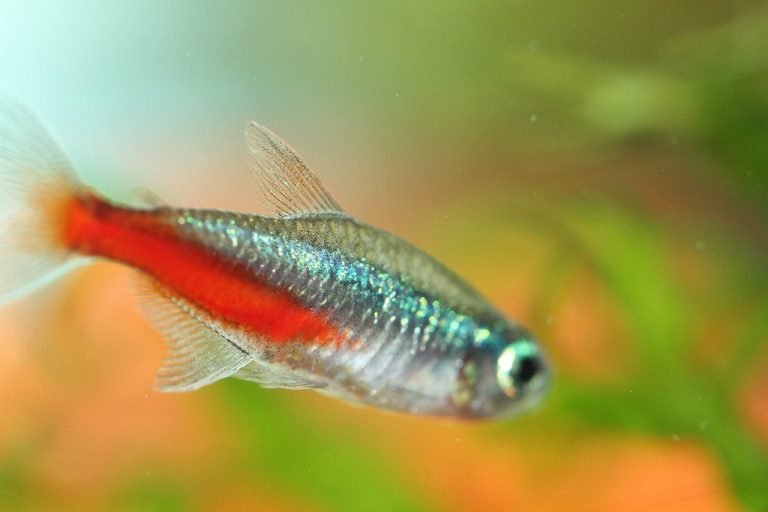
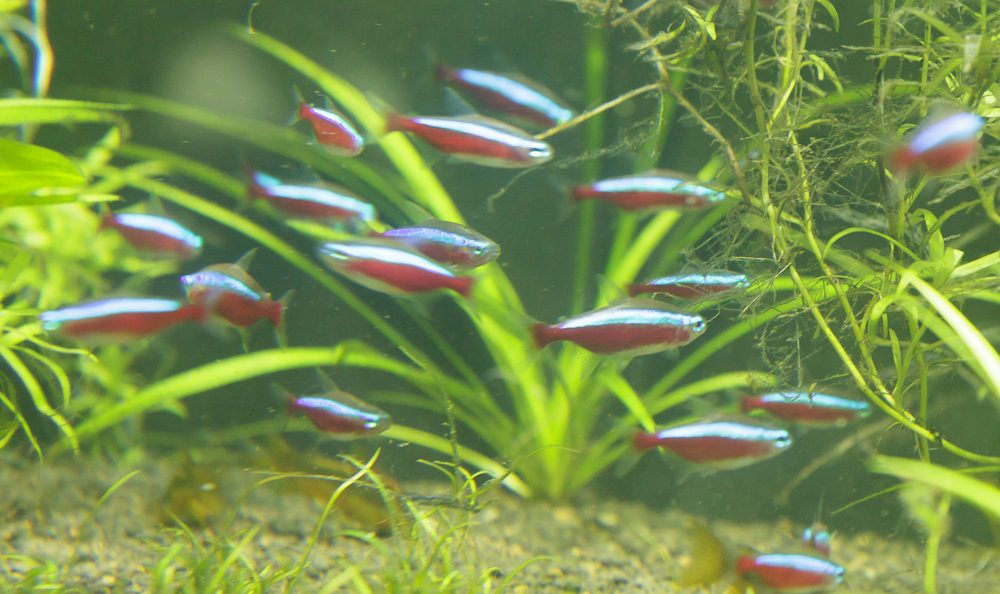
Whether you are keeping the iconic Paracheirodon innesi (Neon Tetra) or the striking Hyphessobrycon herbertaxelrodi (Cardinal Tetra), these fish are naturally adapted to hunt for small invertebrates.
However, while bloodworms are a fantastic addition to their diet, there are specific ways to serve them to ensure your fish remain healthy and your water stays crystal clear.
In this guide, we will look closely at the nutritional benefits, the different forms of bloodworms available, and the potential pitfalls every hobbyist should avoid.
Pro Tip: When introducing bloodworms for the first time, watch your fish closely. Some tetras can be shy, but once they recognize the scent of these protein-rich larvae, they will likely become much more active and competitive during feeding time.
At a glance: Tetras (general) (Family Characidae and relatives)
- Temperature
- 72–80°F (22–27°C) for most species
- Water pH
- 6.0–7.5 for most species
- Adult size
- 1–3 in (2.5–8 cm)
- Minimum tank
- 10–30 gal depending on species
- Group size
- Groups of 6–10+
- Temperament
- Mostly peaceful schooling fish
- Diet
- Omnivores: quality flakes or micro pellets plus frozen foods
- Lifespan
- 3–8 years
Keeper’s tip: Schooling size matters more than tank size for most tetras: small groups hide, nip and stress.
Understanding the Nutritional Power of Bloodworms
To understand why tetras are so attracted to these worms, we first have to look at what they actually are.
Bloodworms are the larvae of non-biting midges, belonging to the family Chironomidae larvae.
They get their bright red color from hemoglobin, which allows them to survive in low-oxygen environments at the bottom of ponds and streams.
For an opportunistic omnivore like a tetra, finding a cluster of these larvae in the wild is like hitting a nutritional jackpot.
The Protein-to-Lipid Ratio
Tetras require a diet high in protein to maintain their energy levels and support their immune systems.
Bloodworms offer an impressive protein-to-lipid ratio, providing the building blocks for muscle growth without being excessively fatty.
This balance is particularly important for juvenile fish that are still developing their skeletal structure and rich pigments.
Improving Natural Colors
If you have noticed your tetras looking a bit pale, it might be due to a lack of variety in their diet.
The iron-rich hemoglobin in bloodworms doesn’t just help the larvae; it also aids in the production of red and orange pigments in your fish.
Regularly offering these treats can make a significant difference in how your school pops against a green, planted background.
The Three Main Types of Bloodworms
Not all bloodworms are created equal, and the type you choose will depend on your budget, storage capacity, and the size of your tetras.
In my experience, having a mix of these on hand is the best way to keep your fish interested.
| Form of Bloodworm | Pros | Cons |
|---|---|---|
| Freeze-Dried | Long shelf life, very convenient, safe from parasites. | Can cause bloating if not soaked; less nutrient-dense. |
| Frozen | Retains most nutrients, very palatable, easy to portion. | Requires freezer storage, must be thawed before feeding. |
| Live | Triggers natural hunting instincts, highest nutritional value. | Risk of introducing parasites/bacteria, hard to find. |
Freeze-Dried Bloodworms
These are the most common type found in local pet stores.
They are processed to remove moisture, making them shelf-stable for months.
However, because they are so dry, they tend to float on the surface, which might be difficult for mid-water feeders to reach.
Frozen Bloodworms
This is my personal favorite for a healthy community tank.
Frozen cubes are flash-frozen to lock in vitamins and minerals while killing off most harmful pathogens.
When you drop a thawed cube into the tank, the worms slowly sink, allowing your tetras to catch them at different levels of the water column.
Live Bloodworms
Feeding live food is the ultimate treat for any fish.
It encourages your tetras to swim vigorously and “hunt” their prey.
Just be sure to source them from a reputable dealer to avoid introducing unwanted pests or diseases into your ecosystem.
How Often Should You Feed Bloodworms?
While it is tempting to feed your fish their favorite food every day, moderation is key.
Think of bloodworms as a supplement rather than a primary meal.
A diet consisting only of bloodworms lacks certain essential vitamins and fiber that tetras need for long-term health.
I typically recommend feeding bloodworms no more than 2 to 3 times per week.
On the other days, you should provide a high-quality flake or micro-pellet to make sure they get a well-rounded varied diet for your neons and other tetra species.
Using a specialized varied diet for your neons will provide the fiber and trace minerals that bloodworms lack.
The Risk of Overfeeding
Overfeeding is one of the most common mistakes in the hobby.
Bloodworms are very rich, and tetras have small stomachs.
If they gorge themselves, they can develop digestive blockages or even swim bladder disorder, which affects their ability to swim upright.
Furthermore, uneaten bloodworms will quickly decay at the bottom of the tank.
This leads to an increase in nitrogenous waste, which can cause a dangerous ammonia spike and stress your fish.
Safety Steps: Preparing Bloodworms for Your Tank
You shouldn’t just toss a frozen cube or a handful of dry worms directly into the water.
Taking a few minutes to prepare the food will make it safer and easier for your fish to digest.
Thawing Frozen Cubes
Never put a frozen block directly into the tank.
The sudden cold can shock small fish, and the “juice” inside the cube is often packed with concentrated phosphates.
Place the cube in a small cup with a bit of tank water, let it melt, and then strain the worms through a fine-mesh net before adding them to the aquarium.
Soaking Freeze-Dried Worms
Freeze-dried foods are essentially sponges.
If a tetra eats a dry worm, it will expand inside the fish’s stomach as it absorbs water.
To prevent bloating, soak freeze-dried bloodworms in a small container of tank water for 5-10 minutes until they are fully hydrated and soft.
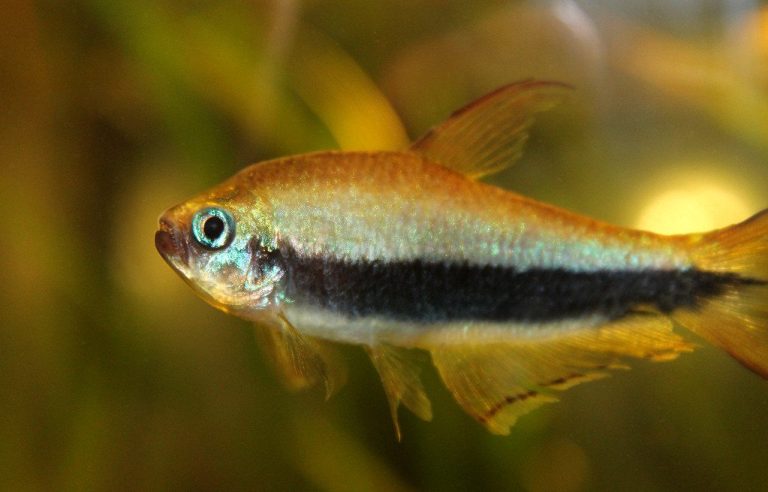
Pro Tip: If you have very small tetras, like Ember Tetras or Green Neons, you may need to chop the bloodworms into smaller pieces. Even though they love the taste, the chitinous exoskeleton of a large worm can be hard for tiny mouths to manage.
Common Problems and How to Avoid Them
While tetras love them, bloodworms can occasionally cause issues if not handled correctly.
Understanding the biology of your fish and the food you provide is part of maintaining ideal water conditions for a healthy community.
Constipation and Bloat
Tetras have relatively short digestive tracts.
The chitinous exoskeleton of the bloodworm is made of a tough material that can be difficult to break down in large quantities.
If you notice your fish looking “round” or struggling to swim, skip feeding for a day and offer some blanched pea insides to help clear their system.
Impact on Water Quality
Because bloodworms are so high in protein, they produce more waste than vegetable-based foods.
Always check your parameters after a heavy feeding session.
If you aren’t already maintaining ideal water conditions with regular water changes, the added waste from bloodworms could push your nitrates to unsafe levels.
Feeding Bloodworms to Specific Tetra Species
While almost all tetras will accept bloodworms, some benefit more than others.
Knowing the specific needs of your school helps in choosing the right food for their lifestyle.
Neon and Cardinal Tetras
These species are the most popular in the hobby.
They are active swimmers and will eagerly take bloodworms from the water column.
Since they are relatively small, help the worms are of an appropriate size so they don’t choke.
Black Skirt and Serpae Tetras
These are slightly larger and more aggressive feeders.
They have no trouble tearing apart larger bloodworms.
In a community tank, make sure these faster fish don’t eat all the worms before the shyer species get a chance.
Congo Tetras
Congo tetras are significantly larger and have a much higher metabolism.
They can handle daily feedings of frozen foods much better than their smaller cousins.
For these fish, bloodworms are an essential part of maintaining their iridescent scales and flowing fins.
If you are unsure about what else to include in their menu, you can check out our guide on choosing the right food for more ideas.
The Role of Bloodworms in Breeding
If you are looking to breed your tetras, bloodworms are almost a requirement.
Professional breeders use “conditioning” to get fish ready for spawning.
This involves feeding high-protein live or frozen foods to help the females produce healthy eggs.
The extra energy provided by bloodworms makes sure the fish are in peak physical condition for the demanding process of spawning.
It also signals to the fish that “food is abundant,” which is a natural trigger for reproduction in the wild.
FAQ
Can I feed my tetras bloodworms every day?
It is not recommended to feed them every day. Bloodworms should be a treat or a supplement, making up about 20-30% of their total diet. Daily feeding can lead to nutritional deficiencies and constipation.
Will bloodworms make my water cloudy?
They shouldn’t make the water cloudy if you thaw and rinse them first. However, if you leave uneaten worms in the tank, they will rot and cause a bacterial bloom or ammonia spike.
Are bloodworms safe for shrimp and snails?
Yes! If any bloodworms fall to the bottom, your shrimp and snails will happily clean them up. They provide a great protein boost for invertebrates as well.
What is the difference between bloodworms and tubifex worms?
Bloodworms are midge larvae, while tubifex worms are segmented worms. Tubifex are often found in dirtier environments and carry a higher risk of parasites, making bloodworms a generally safer choice for tetras.
My tetras are ignoring the bloodworms, what should I do?
This usually happens with freeze-dried worms that stay on the surface. Try soaking them so they sink, or switch to frozen bloodworms, which have a much stronger scent that usually triggers a feeding response immediately.
Final Thoughts on Feeding Bloodworms to Tetras
In conclusion, the answer to do tetras eat bloodworms is a clear yes, and they will likely love you for it.
These iron-rich snacks are a fantastic way to bring out the best in your fish, from their behavior to their colors.
If you choose high-quality frozen or freeze-dried options and preparing them correctly, you can avoid the common pitfalls of bloating and water pollution.
Remember to keep their diet varied and use bloodworms as a special treat rather than a sole food source.
Watching a school of healthy, colorful tetras settle in in a well-maintained tank is the ultimate reward for any aquarist.

- 2003First tank
- 20+Years keeping
- 40+Tanks kept
- 0Sponsored picks
Howard set up his first 10-gallon planted tank in 2003 and lost half of it within six weeks. Two decades and more than forty aquariums later, he writes the guides he wished he had then: clear numbers, the reasons behind them, and what actually goes wrong in home tanks.