Water Temp For Tetras – Care Guide
The ideal water temp for tetras is typically between 75°F and 80°F (24°C to 27°C). While specific species have unique needs, maintaining a stable 78°F (25.5°C) helps keep right health, colorful colors, and active behavior for most varieties.
Properly managing the environment for your fish is more than just a chore; it is the foundation of a stable aquatic ecosystem.
In my experience, many beginners overlook the nuance of thermal stability, assuming a cheap heater is enough to keep their fish happy.
However, understanding the specific water temp for tetras is vital because these fish are ectothermic, meaning their body temperature is dictated by their surroundings.
After keeping various species for over a decade, I have seen firsthand how even a two-degree swing can be the difference between a school that shimmers and one that hides in the shadows.
In this guide, I will share everything I have learned about maintaining the perfect thermal environment to keep your tetras flourishing for years to come.
At a glance: Tetras (general) (Family Characidae and relatives)
- Temperature
- 72–80°F (22–27°C) for most species
- Water pH
- 6.0–7.5 for most species
- Adult size
- 1–3 in (2.5–8 cm)
- Minimum tank
- 10–30 gal depending on species
- Group size
- Groups of 6–10+
- Temperament
- Mostly peaceful schooling fish
- Diet
- Omnivores: quality flakes or micro pellets plus frozen foods
- Lifespan
- 3–8 years
Keeper’s tip: Schooling size matters more than tank size for most tetras: small groups hide, nip and stress.
Understanding Why Water Temp for Tetras is Critical
The temperature of your aquarium water influences almost every biological process occurring within your fish.
For tetras, which primarily hail from the warm, slow-moving waters of South America and Africa, the metabolic rate is directly tied to the thermometer.
When the water is too cold, their digestion slows down, their immune systems weaken, and they become lethargic.
Conversely, water that is too warm can lead to a dangerous drop in dissolved oxygen saturation.
As water temperature rises, its ability to hold oxygen decreases, which can cause your fish to gasp at the surface or suffer from chronic respiratory stress.
This delicate balance is why achieving the right water temp for tetras is a non-negotiable part of successful fish keeping.
Pro Tip: Always place your thermometer at the opposite end of the tank from your heater. This makes sure you are measuring the overall tank temperature rather than just the warm pocket of water surrounding the heating element.
Thermoregulation and Osmoregulation
Tetras rely on external heat to drive their internal chemistry, a process known as thermoregulation.
When the temperature is stable and within the species’ preferred range, their osmoregulation—the way they balance salt and water in their bodies—functions efficiently.
If the water temp for tetras fluctuates wildly, the fish must expend massive amounts of energy just to maintain this internal balance.
This energy drain leaves them vulnerable to opportunistic pathogens that are always present in aquarium water.
Species-Specific Temperature Requirements
While many hobbyists group all tetras together, different species have evolved in slightly different niches.
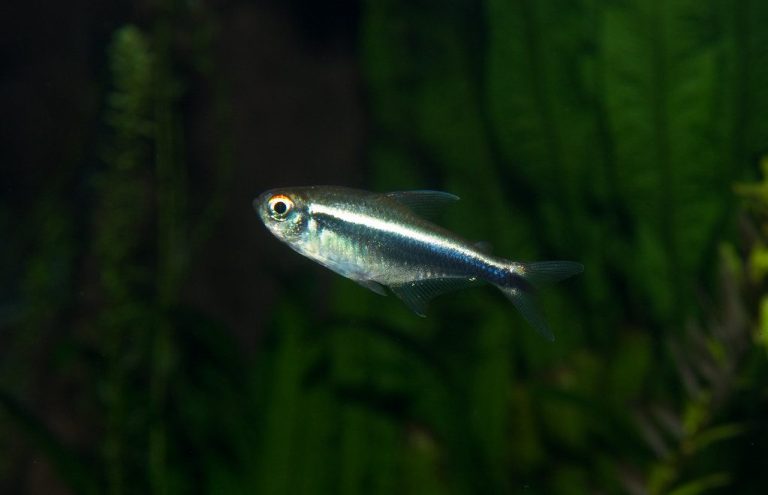
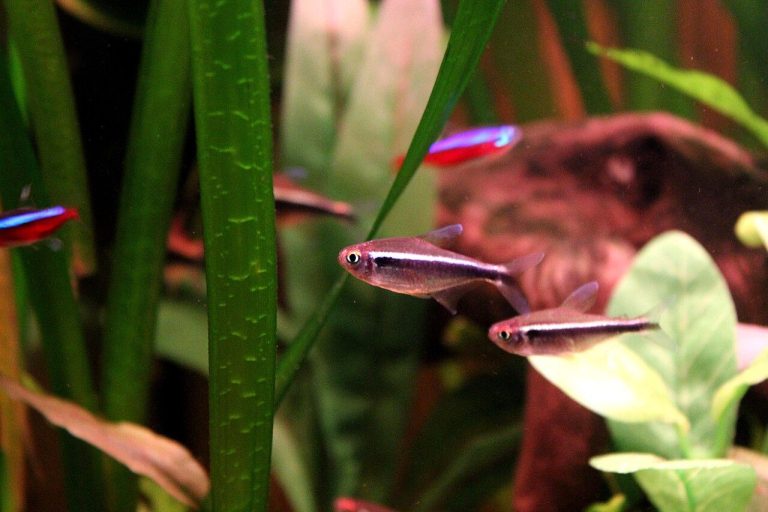
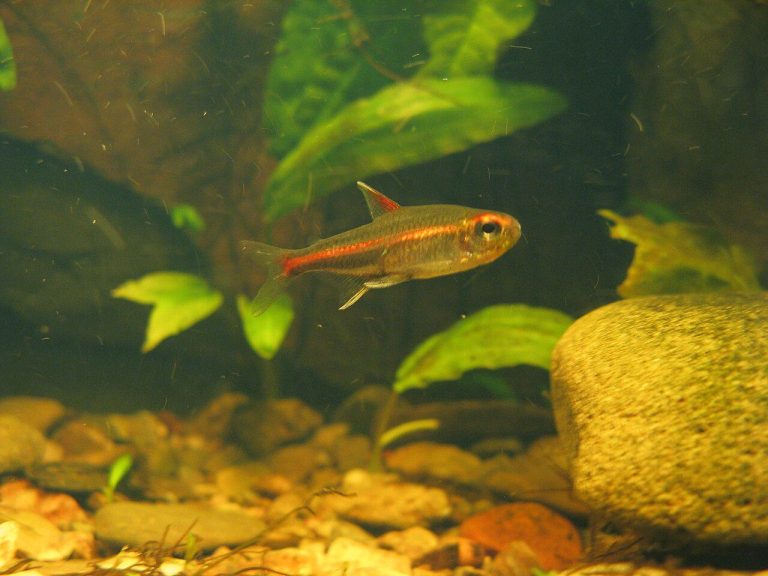
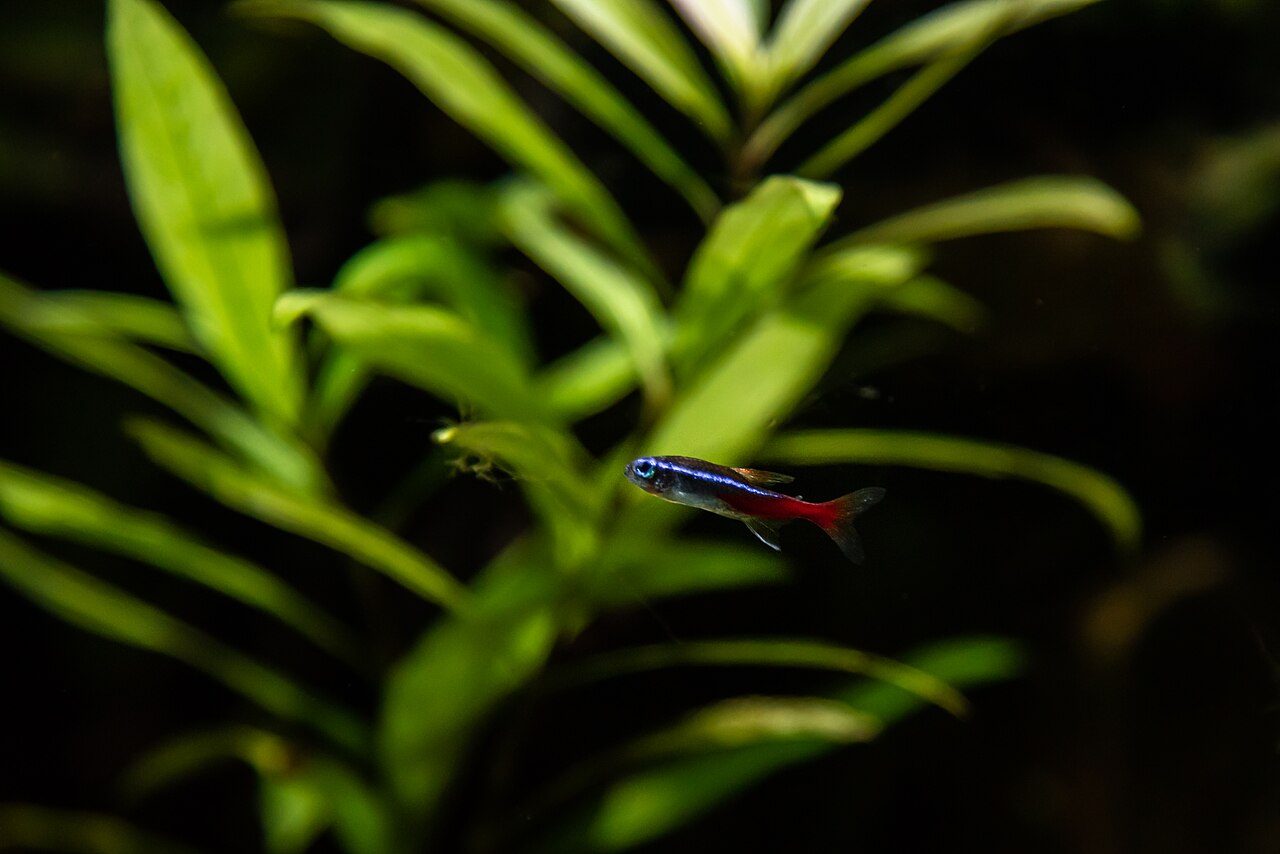
For instance, the classic Paracheirodon innesi, or Neon Tetra, prefers slightly cooler water than its cousin, the Cardinal Tetra.
If you are building a community setup, you must find a “middle ground” temperature that satisfies all inhabitants.
Below is a comparison of common tetra species and their preferred thermal ranges:
| Tetra Species | Ideal Temp Range (°F) | Ideal Temp Range (°C) | Climate Origin |
|---|---|---|---|
| Neon Tetra | 70°F – 78°F | 21°C – 25°C | Subtropical/Tropical |
| Cardinal Tetra | 73°F – 82°F | 23°C – 28°C | Tropical Blackwater |
| Rummy Nose Tetra | 75°F – 84°F | 24°C – 29°C | Tropical Amazon |
| Buenos Aires Tetra | 64°F – 82°F | 18°C – 28°C | Temperate/Tropical |
| Blind Cave Tetra | 68°F – 77°F | 20°C – 25°C | Subterranean Cave |
As you can see, the Hemigrammus rhodostomus (Rummy Nose) does well in much warmer conditions than the blind cave tetra.
When I first started keeping Paracheirodon innesi, I kept them at 82°F thinking “tropical meant hot,” only to find they were much more active and lived longer when I dropped the temperature to 75°F.
Always research your specific species before setting your submersible heater thermostat.
How to Maintain the Ideal Water Temp for Tetras
Stability is often more important than hitting a specific number.
A tetra can usually adapt to 76°F or 80°F, but it will struggle if the temperature swings between those two numbers every single day.
To achieve this, you need a high-quality submersible heater thermostat that is appropriately rated for your tank size.
I generally recommend a heater that provides 3 to 5 watts of power per gallon of water.
If you have a 20-gallon tank, a 75W or 100W heater is usually sufficient to maintain a steady water temp for tetras.
Heater Placement for Even Distribution
Where you put your heater is just as important as the heater itself.
In my experience, placing the heater near the intake or outflow of your filter is the most effective way to prevent “cold spots.”
The moving water carries the heat across the entire aquarium, making sure that your fish don’t experience thermal shock as they swim from one side of the tank to the other.
If you are keeping neon tetras, they are particularly sensitive to these micro-climates within the tank.
Common Mistake: Many hobbyists rely solely on the dial on their heater. These dials are notoriously inaccurate. Always use a separate digital or glass thermometer to verify the actual temperature of the water.
The Dangers of Thermal Shock and Fluctuations
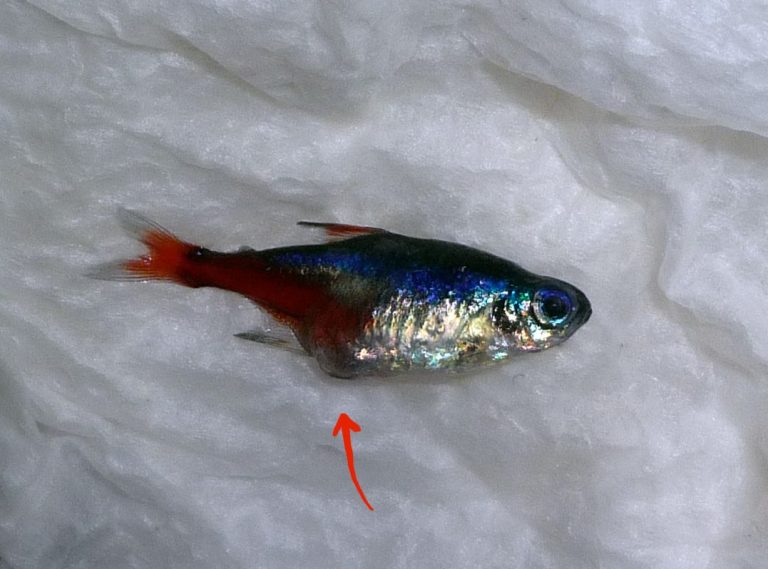
Thermal shock occurs when a fish is exposed to a rapid change in temperature, which can happen during large water changes or heater failure.
When tetras experience shock, their metabolic processes essentially grind to a halt.
You may notice them sinking to the bottom, breathing rapidly, or losing their colorful colors.
Long-term fluctuations are also the primary trigger for Ichthyophthirius multifiliis, more commonly known as Ich.
This parasite does well when the fish’s immune system is suppressed by the stress of inconsistent water temperatures.
Handling Summer Heatwaves
In the summer, maintaining the correct water temp for tetras becomes a challenge of cooling rather than heating.
If your tank exceeds 84°F, you need to take immediate action to increase oxygenation.
I have found that simply aiming a small fan at the water’s surface can drop the temperature by 2-4 degrees through evaporative cooling.
Additionally, keeping the aquarium lights off during the hottest part of the day can prevent the bulbs from adding extra heat to the water.
Temperature and Spawning Induction
If you are interested in breeding, the water temp for tetras becomes a tool rather than just a parameter.
Many species associate a slight drop in temperature with the arrival of the rainy season in the wild.
This influx of cool, fresh rainwater is often the primary signal for spawning induction.
By performing a slightly cooler water change (dropping the tank by about 2-3 degrees), you can often trigger your tetras to start their breeding rituals.
However, this should be done carefully to avoid causing the thermal shock mentioned earlier.
I have used this technique successfully with many species, and it is a unusual way to witness natural behaviors in the home aquarium.
Reader questions
What is the absolute maximum water temp for tetras?
Most tetras can tolerate up to 84°F (29°C) for short periods, but sustained temperatures this high will lead to oxygen deprivation and a shortened lifespan.
Can tetras live in unheated tanks?
Generally, no. Unless your home stays at a consistent 75°F year-round, you will need a heater. Tetras are tropical fish and will suffer from a suppressed immune system in room-temperature water that drops at night.
Does the water temp for tetras change as they age?
While their requirements remain fairly stable, older fish are often less resilient to fluctuations. Keeping the temperature at the lower end of their preferred range can sometimes slow their metabolism and potentially extend their lifespan.
Is 82 degrees too hot for Neon Tetras?
Yes, 82°F is on the high side for Neons. They prefer 72°F to 76°F. Keeping them at 82°F will speed up their metabolism, causing them to age faster and potentially suffer from reduced oxygen levels.
How do I lower the temperature safely?
The safest way is through evaporation using a fan. Never drop ice cubes directly into the tank, as this creates extreme temperature zones that can shock the fish.
Before you go
Finding and maintaining the right water temp for tetras is one of the most satisfying aspects of the hobby.
When you provide that perfect, stable environment, your tetras will reward you with active schooling behavior and colors so bright they seem to glow.
Equipment can fail, so making a habit of checking your thermometer daily is the best way to catch a malfunctioning heater before it becomes a tragedy.
Whether you are keeping a high-energy school of Rummy Noses or a peaceful group of Neons, temperature is the key to their long-term health.
Stay observant, invest in a reliable heater, and always prioritize stability over perfection.
If you follow these guidelines, you are well on your way to mastering the art of the tetra aquarium.

- 2003First tank
- 20+Years keeping
- 40+Tanks kept
- 0Sponsored picks
Howard set up his first 10-gallon planted tank in 2003 and lost half of it within six weeks. Two decades and more than forty aquariums later, he writes the guides he wished he had then: clear numbers, the reasons behind them, and what actually goes wrong in home tanks.