Albino Cardinal Tetra – Care Guide
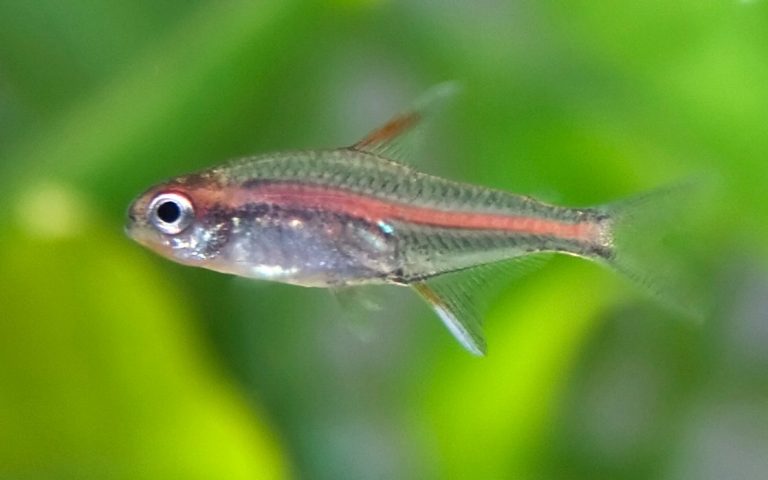
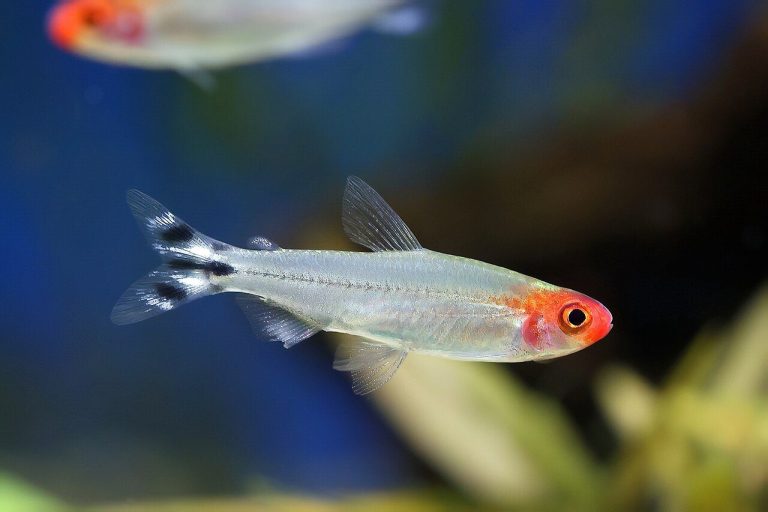
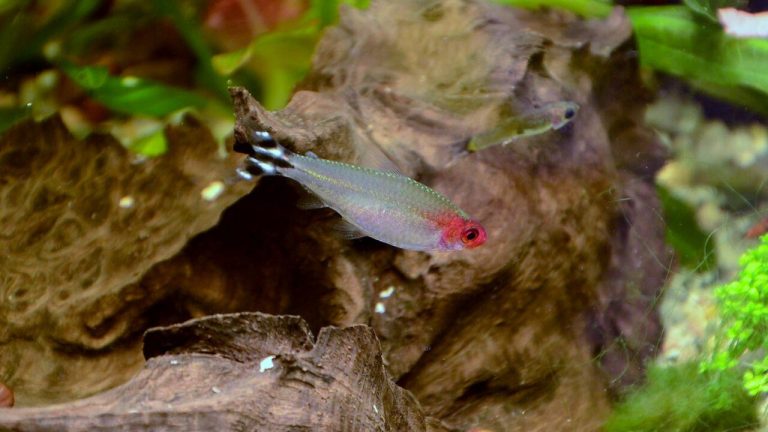
The albino cardinal tetra is a rare, pigment-deficient color morph of the classic Cardinal Tetra, prized for its ghostly cream body and glowing red stripe. They require soft, acidic water and dim lighting to flourish.
The albino cardinal tetra is one of those fish that makes even seasoned aquarists stop in their tracks. After more than a decade of maintaining South American biotopes, I still find their ethereal glow eye-catching.
While they share the same DNA as the standard Paracheirodon axelrodi, these albinos bring a completely different aesthetic to the aquarium. They lack the dark melanin that usually defines the “mask” and back of the fish, allowing their internal colors to shine through.
In this guide, I will share everything I have learned about keeping these delicate beauties healthy. From mimicking the waters of the Rio Negro to choosing the right tank mates, we will cover it all.
At a glance: Cardinal tetra (Paracheirodon axelrodi)
- Temperature
- 76–84°F (24–29°C)
- Water pH
- 4.5–7.0
- Adult size
- 2 in (5 cm)
- Minimum tank
- 20 gal
- Group size
- Groups of 8+
- Temperament
- Peaceful
- Diet
- Omnivore: small pellets, flakes, frozen bloodworm
- Lifespan
- 4–6 years
Keeper’s tip: Cardinals like it warmer and softer than neons, so they are a poor match for cool-water tank mates.
Understanding the Albino Cardinal Tetra
The albino cardinal tetra is not a separate species but a genetic variation within the family Characidae. This variation is caused by a tyrosinase deficiency, which prevents the fish from producing black pigment.
In the wild, these individuals rarely survive to adulthood because they lack the natural camouflage needed to hide from predators. In the home aquarium, however, they can live long, colorful lives under the care of a dedicated keeper.
I’ve noticed that because they lack dark pigments, their eyes often appear pink or bright red. This makes them particularly sensitive to bright aquarium lights, which is something we must account for in our tank design.
Ideal Water Parameters and Tank Setup
Setting up a home for the albino cardinal tetra requires a focus on stability. These fish come from environments with very low specific conductivity and high levels of dissolved organic compounds.
To succeed, you should aim for a “blackwater” feel, even if you prefer your water clear. The presence of humic acid from driftwood or leaf litter provides essential health benefits for their delicate skin and immune systems.
| Parameter | Ideal Range |
|---|---|
| Temperature | 75°F to 82°F (24°C to 28°C) |
| pH Level | 4.5 to 6.5 |
| Hardness (dGH) | 1 to 4 degrees |
| Minimum Tank Size | 20 Gallons (Long) |
Pro Tip: When setting up your aquarium, I highly recommend using a dark substrate. The contrast against a dark floor makes the colors of the albino cardinal tetra pop, and it helps the fish feel more secure.
If you are just starting out, choosing a 20-gallon setup is the perfect way to provide enough swimming space for a school of ten or more. A larger volume of water also helps buffer against sudden changes in chemistry.
The Importance of Peat Filtration
In my experience, using peat filtration is the “secret sauce” for keeping these tetras. Peat moss helps naturally lower the pH and softens the water without the use of harsh chemicals.
It also tints the water slightly, creating a blackwater biotope look that mimics the Rio Negro. This tinted water filters out harsh light, which is much more comfortable for the albino’s sensitive eyes.
Diet and Nutrition for a Micro-Predator
In their natural habitat, these tetras function as a micro-predator. They spend their days hunting for tiny crustaceans, insect larvae, and zooplankton among the submerged roots.
To maintain their health, you must provide a varied diet that replicates this high-protein intake. While they will accept high-quality flakes, their colors will shine if you include frozen or live foods.
I have found that baby brine shrimp and daphnia are among their favorites. These small, moving prey items trigger their natural hunting instincts and provide the essential fats they need for growth.
Pro Tip: Avoid feeding only dry foods. Incorporating live foods once or twice a week significantly reduces stress and prepares the fish if you ever intend to try breeding them.
For a school to look its best, you should offer best foods for tetras that contain natural color enhancers. Carotenoids found in certain crustaceans can help deepen the red stripe on your albino specimens.
Behavior and Ideal Tank Mates
The albino cardinal tetra is a quintessential schooling fish. You should never keep fewer than six, though a group of 12 or 15 is much more impressive and keeps the fish feeling safe.
They are incredibly peaceful and will generally ignore other inhabitants. However, they are easily intimidated by large, boisterous fish or species that swim too aggressively.
I’ve had great success keeping them with other small, calm species. Think about Corydoras catfish, small Rasboras, or even peaceful dwarf cichlids like Apistogramma.
| Compatible Mates | Mates to Avoid |
|---|---|
| Corydoras Catfish | Large Angelfish |
| Otocinclus Algae Eaters | Tiger Barbs |
| Cherry Shrimp | Large Cichlids |
Keep in mind that while they are peaceful, they can be “fin-nipped” by faster fish. Always observe the group during feeding time to ensure every tetra is getting its fair share of food.
Common Health Challenges and Disease Prevention
Albinos are often slightly more sensitive than their “wild-type” counterparts. One major concern for any characin keeper is Pleistophora hyphessobryconis, commonly known as Neon Tetra Disease.
While the albino cardinal tetra is slightly more resistant to this than the standard Neon Tetra, they are not immune. Symptoms include loss of color, cyst-like lumps, and difficulty swimming.
The best defense is a strong offense: quarantine all new fish for at least four weeks. I have learned the hard way that one sick fish can quickly compromise an entire established school.
Light Sensitivity and Stress
Because of their genetic makeup, these fish can experience high stress in bright environments. Stress is the leading cause of “Ich” or white spot disease in tetras.
If you notice your fish hovering in the corners or hiding constantly, your lighting may be too intense. Try adding floating plants like Amazon Frogbit or Salvinia to create dappled shade.
This mimics the canopy of the rainforest and provides the albino cardinal tetra with a sense of security. A secure fish is a healthy fish with a strong immune system.
Breeding the Albino Cardinal Tetra
Breeding this specific morph is a challenge even for experienced hobbyists. They are egg-scatterers and require extremely specific conditions to trigger spawning.
You will need a dedicated breeding tank with very soft water (GH below 1) and a pH near 5.0. The tank must be kept in almost total darkness, as the eggs are light-sensitive and will “burn” if exposed to bright light.
I have found that using a mesh bottom or a layer of glass marbles helps. This allows the eggs to fall through where the parents cannot reach and eat them.
If you manage to get a successful spawn, the fry are microscopic. You will need to have “infusoria” or liquid fry food ready, as they cannot eat standard crushed flakes for several weeks.
Reader questions
Are albino cardinal tetras harder to keep than regular ones?
Slightly. They are more sensitive to light and can be a bit more fragile during the acclimation process. However, once established in a stable tank, their care requirements are nearly identical.
How long do they live?
With proper care, an albino cardinal tetra can live for 3 to 5 years. High water quality and a low-stress environment are the keys to maximizing their lifespan.
Can they be kept with Neon Tetras?
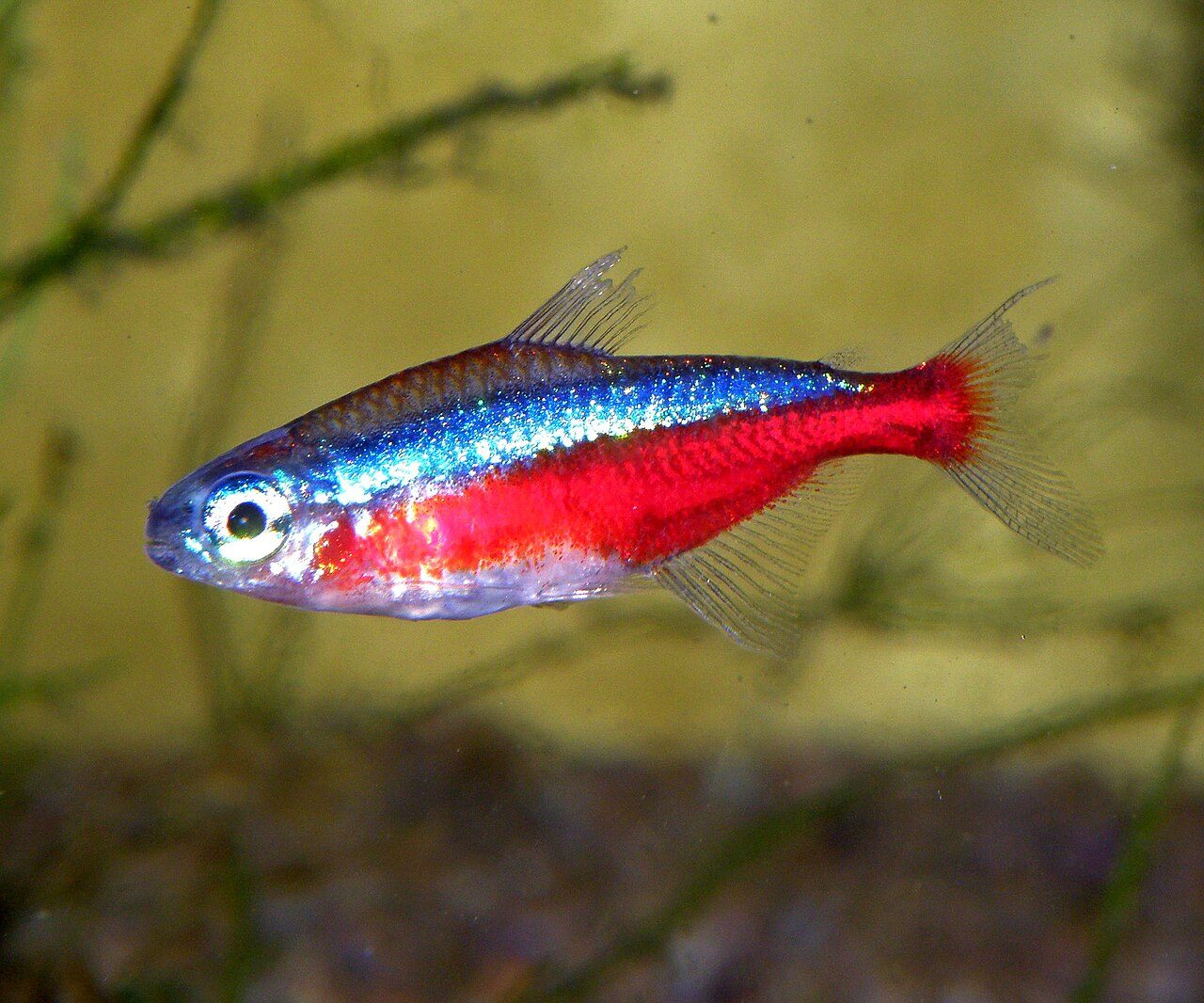
Yes, they can. They will often school together, though the Cardinals grow slightly larger and prefer slightly warmer water than Neons.
Before you go
The albino cardinal tetra is a satisfying challenge for any aquarist looking to add a touch of the extraordinary to their tank. Their unique appearance and peaceful nature make them a standout choice for a dedicated South American display.
If you focus on soft, acidic water and providing plenty of cover, you can enjoy these shimmering gems for years to come. Take things slow, maintain your water parameters, and always prioritize the comfort of your fish.
If you are looking for more ways to boost your aquarium, exploring different types of neon fish can help you find the perfect companions for your new albino school.

- 2003First tank
- 20+Years keeping
- 40+Tanks kept
- 0Sponsored picks
Howard set up his first 10-gallon planted tank in 2003 and lost half of it within six weeks. Two decades and more than forty aquariums later, he writes the guides he wished he had then: clear numbers, the reasons behind them, and what actually goes wrong in home tanks.