Red Phantom Tetra For Beginners – Complete Guide
Red Phantom Tetras are peaceful, schooling fish known for their translucent red color and striking black spots. They do well in well-planted, soft-water aquariums, making them a hardy and visually satisfying choice for beginner hobbyists.
aquarium keeping often starts with a search for color and activity.
In my experience, few species balance these two traits as gracefully as the Red Phantom Tetra.
Scientifically known as Hyphessobrycon sweglesi, these fish offer a deep, ruby-red hue that can transform a standard tank into a living piece of art.
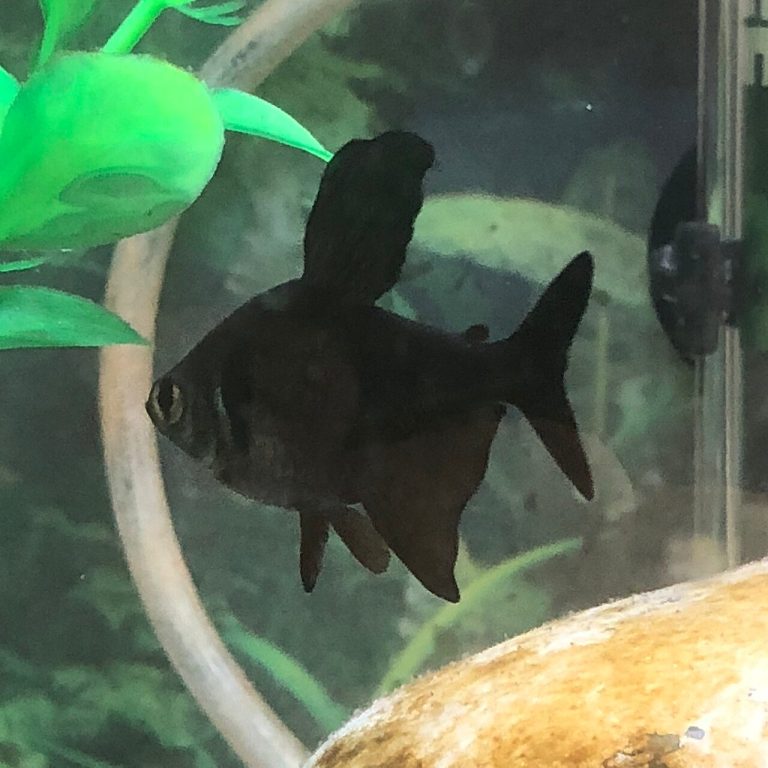
If you are researching the Red Phantom Tetra for beginners, you have likely seen their cousin, the Black Phantom Tetra.
While they share a similar body shape, the Red Phantom brings a warmth to the aquarium that is hard to match.
They are resilient enough for those just starting out, yet interesting enough to keep seasoned experts engaged for years.
I’ve spent over a decade maintaining various South American biotopes, and I’ve noticed that these tetras are often overlooked.
However, once you see a school of twelve or more darting through a planted tank, it’s hard to choose anything else.
In this guide, I will walk you through everything you need to know to make sure these fish stay healthy in your home.
At a glance: Red phantom tetra (Hyphessobrycon sweglesi)
- Temperature
- 68–77°F (20–25°C)
- Water pH
- 5.5–7.0
- Adult size
- 1.5 in (4 cm)
- Minimum tank
- 15 gal
- Group size
- Groups of 6+
- Temperament
- Peaceful
- Diet
- Omnivore: flakes, micro pellets, frozen foods
- Lifespan
- 4–5 years
Keeper’s tip: Prefers cooler, soft water than most tetras, so check your heater setting before adding them.
Understanding the Red Phantom Tetra (Hyphessobrycon sweglesi)
Before we look at the technical details, it is vital to understand where these fish come from.
The Hyphessobrycon sweglesi is native to the Orinoco River basin in South America.
This region is characterized by slow-moving waters, often stained with tannins from fallen leaves and wood.
Origin and Natural Habitat
In the wild, these fish inhabit streams and floodplains across Colombia and Venezuela.
These waters are typically soft and acidic, filled with humic substances that leach from decaying organic matter.
This natural environment provides plenty of cover in the form of aquatic plants and submerged branches.
When we keep the Red Phantom Tetra for beginners, our goal is to mimic this environment as closely as possible.
I have found that the closer you get to their natural “blackwater” conditions, the more rich their red coloration becomes.
They are naturally social and rely on the safety of a group to feel secure in their surroundings.
Appearance and Sexual Dimorphism
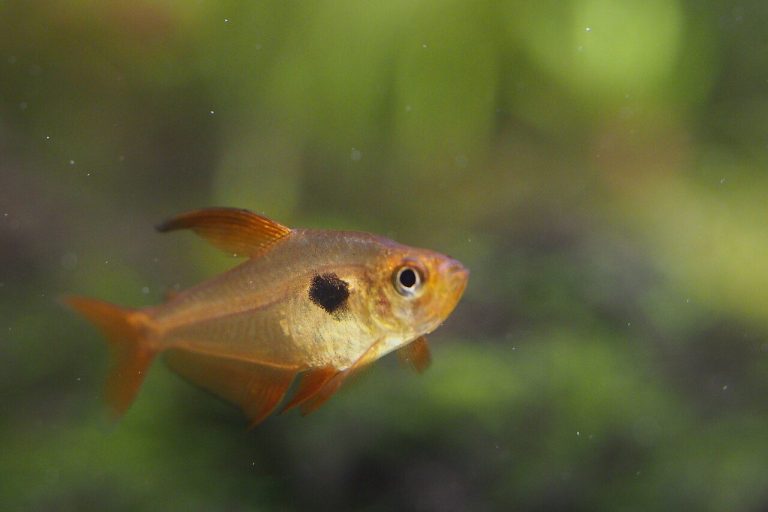
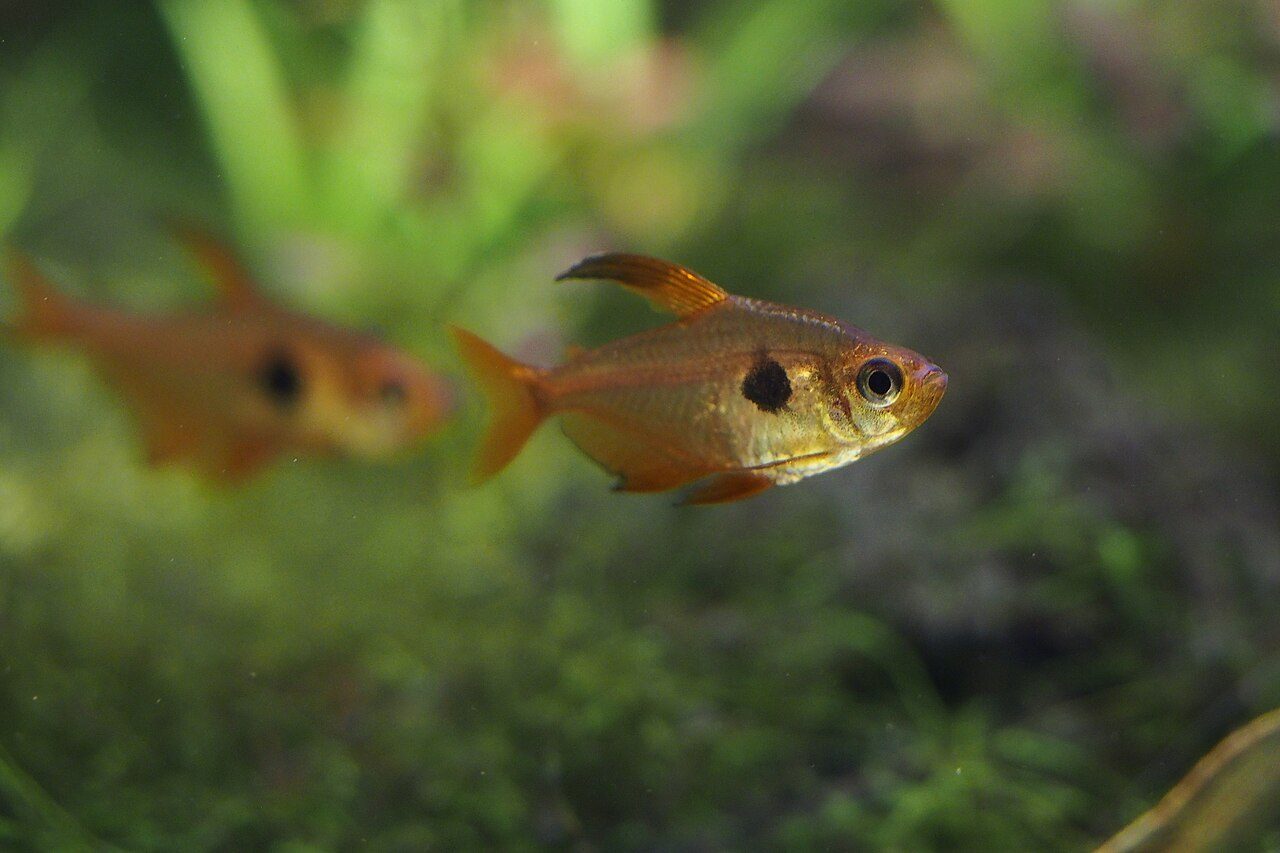
The Red Phantom Tetra features a deep, almost heart-shaped body that is largely translucent.
A prominent black “phantom” spot sits just behind the gill cover, providing a sharp contrast to their red scales.
One of the most unusual aspects of this species is their sexual dimorphism, which refers to the physical differences between males and females.
Males typically possess a more elongated dorsal fin morphology, often extending back toward the tail.
Females, on the other hand, usually have a shorter dorsal fin that often features a white tip or edging.
In my experience, observing the “sparring” behavior of males—where they flare these impressive fins at one another—is a highlight of keeping this species.
Pro Tip: When selecting your fish at the store, look for a mix of males and females. The presence of multiple males will encourage them to display their best colors and finnage as they compete for the attention of the females.
Red Phantom Tetra for beginners: Setting Up the Ideal Tank
Setting up the right environment is the most important step for any new fish keeper.
While they are hardy, they do have specific preferences that will help them live a long, healthy life.
A well-thought-out tank setup reduces stress and prevents many common diseases.
Tank Size and Dimensions
While some resources suggest a 10-gallon tank is sufficient, I strongly recommend a 20-gallon long aquarium.
These are active swimmers that need horizontal space to school effectively.
A larger volume of water also provides a “buffer,” making it easier for tetras for beginners to maintain stable water chemistry.
If you choose a smaller tank, you limit the number of fish you can keep, which can lead to increased stress.
A school of at least 6 to 8 individuals is necessary, but a group of 10 or 12 is where you see their natural behavior.
The more fish in the school, the more confident each individual becomes.
Substrate and Planting
To make your Red Phantoms feel at home, use a dark substrate like sand or fine gravel.
Darker backgrounds and floors help the fish feel less “exposed” and make their red colors pop.
Live plants are not just decorative; they provide essential hiding spots and help filter the water.
I recommend including Echinodorus grisebachii, commonly known as the Amazon Sword.
These broad-leaved plants offer excellent cover and fit the South American theme perfectly.
Floating plants can also be beneficial, as they dim the light and mimic the canopy of the Orinoco rainforest.
Using Humic Substances and Peat Filtration
In the wild, the water is rich in tannins, which are humic substances that provide health benefits to the fish.
You can replicate this by adding dried Indian Almond leaves or using peat filtration in your filter media.
This naturally lowers the pH and creates a slight amber tint in the water.
I’ve noticed that when I use these methods, the fish show much less stress during water changes.
The humic acids also have mild antibacterial properties, which can help protect your fish from infections.
It creates a more “authentic” feel that many hobbyists find very satisfying.
Water Parameters and Maintenance
Consistency is more important than achieving “perfect” numbers.
Red Phantom Tetras can adapt to a range of conditions, but they do not handle sudden swings well.
As a beginner, your focus should be on regular maintenance and monitoring.
Temperature and pH Levels
These fish prefer slightly cooler water compared to many other tropical species.
Keeping the temperature between 72°F and 77°F (22°C – 25°C) is ideal.
If the water gets too warm, their metabolism increases, which can lead to a shorter lifespan.
The pH should ideally be between 6.0 and 7.0.
While they can tolerate slightly alkaline water, their colors may fade, and they may be less likely to spawn.
Using a reliable liquid test kit is essential for monitoring these levels during your weekly checks.
| Parameter | Ideal Range |
|---|---|
| Temperature | 72°F – 77°F (22°C – 25°C) |
| pH Level | 6.0 – 7.0 |
| Hardness (GH) | 2 – 10 dGH |
| Carbonate Hardness (KH) | 1 – 5 dKH |
| Ammonia / Nitrite | 0 ppm (Strictly) |
| Nitrate | < 20 ppm |
Managing Carbonate Hardness
Carbonate hardness (KH) acts as a buffer for your pH levels.
If your KH is too low, your pH can crash suddenly, which is dangerous for the fish.
However, if it is too high, it becomes difficult to maintain the acidic conditions these tetras prefer.
I usually aim for a low but stable KH to keep the environment consistent.
Regular water changes of 20-30% weekly are the best way to manage these parameters.
Always remember to treat your tap water with a conditioner to remove chlorine and chloramines.
If you live in an area with very hard water, you might consider mixing your tap water with Reverse Osmosis (RO) water.
Feeding and Nutrition for Peak Health
A healthy diet is the secret to those deep, glowing reds you see in professional photos.
In the wild, the Red Phantom Tetra is a micropredator.
This means they spend their days hunting for tiny insects, larvae, and small crustaceans.
The Importance of Variety
In the home aquarium, they are not picky eaters, but they should not be fed only one type of food.
A high-quality flake or micro-pellet should form the base of their diet.
Look for foods that contain natural color enhancers like spirulina or astaxanthin.
These ingredients directly support the development of red pigments in their scales.
I highly recommend supplementing their dry food with frozen or live options.
Daphnia, brine shrimp, and bloodworms are all excellent choices.
Feeding live foods once or twice a week encourages their natural hunting instincts and improves overall vitality.
Feeding Habits
These fish have small mouths, so ensure the food particles are appropriately sized.
They are mid-water feeders, meaning they prefer to catch food as it falls through the water column.
They rarely eat food once it has hit the substrate, so feed in small amounts to avoid waste.
I’ve found that feeding twice a day—only what they can consume in about two minutes—is the best approach.
Overfeeding is a common mistake that leads to poor water quality and health issues.
For more details on dietary needs, you can check out our guide on high-quality fish food options.
Choosing the Right Tank Mates
One of the best things about the Red Phantom Tetra for beginners is their peaceful nature.
They make wonderful additions to community tanks because they rarely bother their neighbors.
However, choosing the right companions is important to keeping the peace.
Ideal Community Partners
Red Phantoms do best with other peaceful, small-to-medium-sized fish.
Good examples include Corydoras catfish, small Rasboras, and other tetras.
They also get along well with peaceful bottom dwellers like Kuhli Loaches.
If you are interested in keeping them with a centerpiece fish, they can be compatible with certain Gouramis.
Some hobbyists even keep a Red Phantom Tetra with Betta fish, provided the tank is large enough and heavily planted.
Avoid keeping them with large, aggressive, or fast-moving species that might outcompete them for food or view them as a snack.
The Schooling Dynamic
Always keep in mind that these are schooling fish.
If kept alone or in too small a group, they will become timid and hide constantly.
A stressed tetra is also much more susceptible to disease.
When they are in a proper school, you will see them interact, “spar” playfully, and explore the tank with confidence.
Common Mistake: Many beginners buy two or three of several different species. This prevents any of the fish from forming a proper school. It is much better to have 10 Red Phantoms than 2 Red Phantoms, 2 Neons, and 2 Glowlights.
Common Health Issues and Prevention
Like all freshwater fish, Red Phantoms can fall ill if their environment is not maintained.
The most common issue beginners face is “Ich,” caused by the parasite Ichthyophthirius multifiliis.
This usually appears as small white spots on the body and fins, resembling grains of salt.
Preventing Ich and Other Ailments
Stress is the primary trigger for Ich outbreaks.
Sudden temperature drops or poor water quality weaken the fish’s immune system.
If you notice your fish scratching against decorations or breathing heavily, check your water parameters immediately.
Treatment usually involves raising the tank temperature slightly and using a copper-based or malachite green medication.
Always follow the instructions on the medication bottle carefully, as some “scaleless” tank mates like snails or shrimp can be sensitive to these treatments.
Quarantining new arrivals for two weeks before adding them to your main tank is the single best way to prevent disease.
Longevity and Care
With proper care, these tetras can live for 5 to 6 years.
Keeping their environment stable and their diet varied is the key to longevity.
Check your equipment, like heaters and filters, daily to make sure everything is functioning correctly.
A small investment in time each day prevents large problems down the road.
Quick answers
Are Red Phantom Tetras fin nippers?
Generally, no. Red Phantom Tetras are very peaceful.
While they may nip at each other during playful sparring, they rarely bother other species.
If you notice nipping, it is usually a sign that the school is too small or the tank is too crowded.
Do they need a heater?
Yes, they are tropical fish and require a consistent temperature.
While they prefer slightly cooler water than some other tetras, they cannot survive in unheated “goldfish” conditions.
A reliable submersible heater is a must-have for any Red Phantom setup.
Can they live with shrimp?
Yes, they are generally safe with adult dwarf shrimp like Cherry Shrimp.
However, since they are micropredators, they will likely eat any tiny shrimplets they can find.
If you want to breed shrimp in the same tank, keep there is plenty of dense moss for the young to hide in.
Why are my Red Phantom Tetras losing their color?
This is usually a sign of stress or poor diet.
Check your ammonia and nitrite levels first.
If the water is clean, try feeding high-quality frozen foods and adding some tannins to the water to make them feel more secure.
Final Thoughts on Red Phantom Tetras
The Red Phantom Tetra for beginners is one of the most satisfying species to keep in the home aquarium.
Their striking red color, interesting social behavior, and relatively hardy nature make them a perfect choice for those starting their journey.
If you focus on soft water, plenty of plants, and a varied diet, you can enjoy these “crimson phantoms” for many years.
Successful fish keeping is about observation.
Spend time watching your school every day.
You will soon learn their personalities and be able to spot any issues before they become serious.
Whether you are building your first community tank or adding to an existing one, the Red Phantom Tetra is a classic choice that never goes out of style.
If you are looking for other great options to fill out your aquarium, consider exploring our guide on the Black Neon Tetra for a beautiful contrast to the Red Phantom’s ruby glow.

- 2003First tank
- 20+Years keeping
- 40+Tanks kept
- 0Sponsored picks
Howard set up his first 10-gallon planted tank in 2003 and lost half of it within six weeks. Two decades and more than forty aquariums later, he writes the guides he wished he had then: clear numbers, the reasons behind them, and what actually goes wrong in home tanks.