Black Phantom Tetra For Beginners – Complete Guide
Black Phantom Tetras are ideal for beginners due to their hardiness, peaceful nature, and striking charcoal appearance. They flourish in well-planted 20-gallon tanks with stable water parameters and a group of six or more.
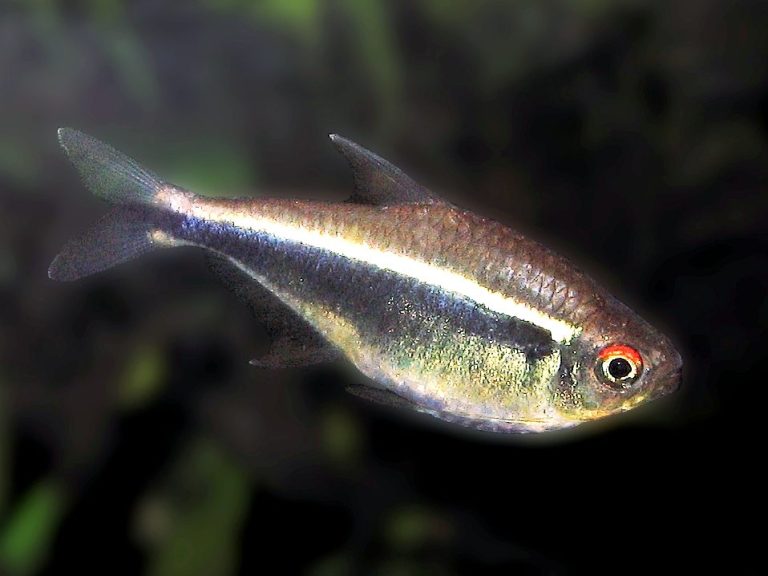
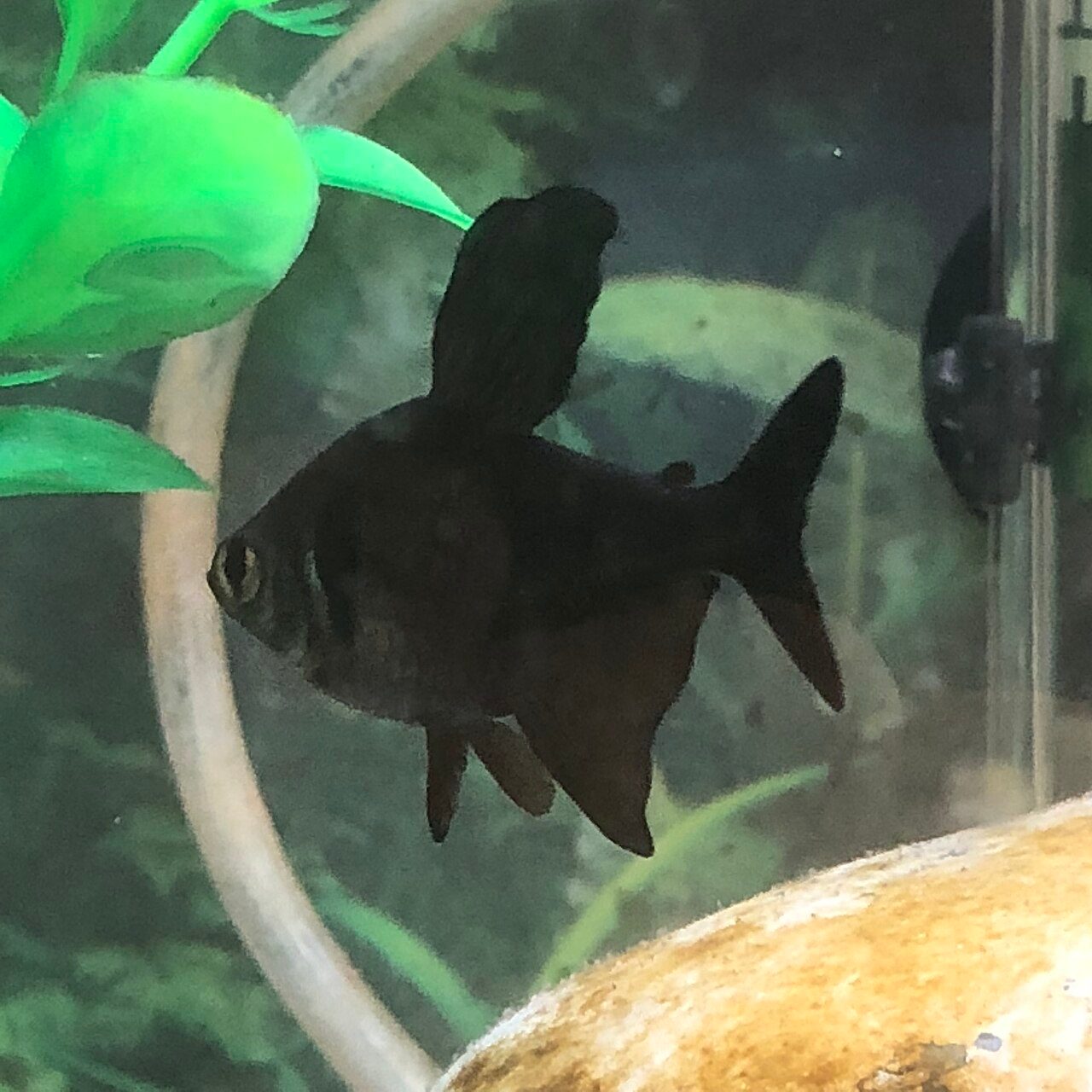
fish keeping is vast, but few species offer the same blend of elegance and resilience as the Black Phantom Tetra. Scientifically known as Hyphessobrycon megalopterus, these fish are a staple in the hobby for good reason.
When I first started keeping characins over a decade ago, this was one of the first species that taught me the beauty of subtle coloration. They may not have the neon glow of some relatives, but their smoky translucent bodies and dramatic fins are eye-catching.
If you are just starting your first aquarium, you will quickly realize that choosing the right inhabitants is the difference between a relaxing hobby and a stressful one. The Black Phantom Tetra is a forgiving, active, and interesting species that rewards even the most basic care.
At a glance: Black phantom tetra (Hyphessobrycon megalopterus)
- Temperature
- 72–82°F (22–28°C)
- Water pH
- 6.0–7.5
- Adult size
- 1.75 in (4.5 cm)
- Minimum tank
- 20 gal
- Group size
- Groups of 6+
- Temperament
- Peaceful, males display
- Diet
- Omnivore: flakes, small pellets, frozen foods
- Lifespan
- 5 years
Keeper’s tip: Males flare fins at each other without real damage; it is display, not aggression.
Black Phantom Tetra for beginners: Why They Are the Perfect Choice
One of the primary reasons I recommend the Black Phantom Tetra for beginners is their adaptable nature. Unlike some sensitive species, these fish can handle slight fluctuations in water chemistry that often occur as a new keeper learns the ropes.
They are also incredibly peaceful, making them the “good neighbors” of the community tank. You won’t have to worry about them bullying other fish or nipping at delicate fins, provided they have enough space.
Their unique shoaling behavior adds a dynamic layer to your tank. Seeing a group of these fish move in unison through the plants is one of the most satisfying sights in the hobby.
Pro Tip: Always buy Black Phantom Tetras in groups of at least six. In my experience, keeping them in smaller numbers leads to high stress, which can weaken their immune systems and cause them to hide constantly.
Understanding Water Parameters and Tank Requirements
To keep your Hyphessobrycon megalopterus healthy, you need to replicate their natural environment. They hail from the upper Paraguay basin in South America, where the water is often soft and slightly acidic.
While they are hardy, they do best when you pay attention to the carbonate hardness and the presence of humic substances. These substances, often released by driftwood or leaf litter, help mimic the “blackwater” conditions they love.
Below is a breakdown of the ideal water parameters for your new school.
| Parameter | Ideal Range |
|---|---|
| Temperature | 72°F to 82°F (22°C to 28°C) |
| pH Level | 6.0 to 7.5 |
| Water Hardness (GH) | 4 to 15 dGH |
| Carbonate Hardness (KH) | 2 to 8 dKH |
| Minimum Tank Size | 20 Gallons (Long preferred) |
The Importance of Stability
While the ranges above are ideal, the most important factor for a beginner is stability. Rapidly changing the pH or temperature to hit a “perfect” number is more dangerous than keeping them at a slightly “off” but stable level.
If your local tap water is very hard, you might consider peat filtration. This involves placing aquarium-safe peat in your filter to naturally lower the pH and soften the water without using harsh chemicals.
Creating the Ideal Habitat for Black Phantoms
The environment you build will determine how much of your fish’s personality you actually see. In a bare tank, they often look washed out and stay near the bottom.
I have found that these tetras show their deepest blacks and most colorful silver highlights when kept in a “low-tech” planted tank. The contrast between their dark bodies and leafy green leaves is spectacular.
Plant Selection and Aquascaping
Use plenty of live plants to provide cover. The Echinodorus amazonicus (Amazon Sword) is a classic choice that provides broad leaves for the fish to hover under.
Floating plants are also a great addition. They help dim the light, which makes the Black Phantoms feel more secure and encourages them to swim in the middle and upper layers of the tank.
Substrate and Lighting
A dark substrate, such as black sand or fine gravel, is highly recommended. It helps the fish feel camouflaged and makes their colors pop, unlike light-colored sand which can make them feel exposed.
Keep the lighting moderate. If the lights are too bright, you might notice your fish spending most of their time tucked away in the shadows of the plants.
Dietary Needs and Feeding Habits
Feeding is usually the easiest part of keeping these fish. They are omnivores and will accept almost anything you drop into the tank, but a varied diet is the secret to their longevity.
In the wild, they feed on small insects, crustaceans, and plant matter. In your home aquarium, you should aim to provide a mix of dry, frozen, and live foods.
I recommend starting with a high-quality flake food as their daily staple. This helps make sure they get the basic vitamins and minerals they need for growth.
Pro Tip: To see their best colors and encourage natural behavior, offer frozen bloodworms or brine shrimp twice a week. I’ve noticed that the protein boost from these foods significantly improves the dorsal fin morphology and overall vigor of the males.
Feeding Frequency
Feed them small amounts twice a day. Only give them what they can consume in about two minutes to prevent excess food from rotting and spiking your ammonia levels.
If you notice your fish are looking a bit “round” or sluggish, feel free to skip a day of feeding once a week. This helps clear their digestive systems and mimics natural food availability.
One of the most unusual aspects of the Black Phantom Tetra is the behavior of the males. They possess an impressive dorsal fin morphology, which they use to communicate with one another.
You might see two males facing off, extending their large, sail-like fins and “dancing” around each other. This is a harmless mock battle used to establish a hierarchy within the school.
Unlike some other species where fighting leads to torn fins or injuries, Black Phantoms rarely ever touch each other during these displays. It is purely a visual competition of who looks the most “impressive.”
Choosing Tank Mates
Because they are so peaceful, they can live with a wide variety of other fish. If you enjoy the look of darker-toned fish, they pair beautifully with Black Neon Tetras or even small Corydoras catfish.
Avoid keeping them with large, aggressive fish like Oscars or large Cichlids. Anything that can fit a Black Phantom in its mouth eventually will.
Identifying and Preventing Common Health Issues
Black Phantom Tetras are generally strong, but they are not immortal. Like all freshwater fish, they are susceptible to common ailments if the water quality drops.
The most common issue beginners face is Ichthyophthirius multifiliis, commonly known as “Ich” or white spot disease. This parasite looks like small grains of salt sprinkled over the fish’s body and fins.
Prevention is Better Than Cure
The best way to prevent Ich is to quarantine any new fish before adding them to your main tank. Stress is the primary trigger for Ich, so keeping the water clean and the temperature stable is your best defense.
If you do spot Ich, it can usually be treated by slightly raising the tank temperature to 82°F and using a copper-based medication or aquarium salt, depending on the other inhabitants in your tank.
Monitoring for Stress
Watch for signs of “clamped fins,” where the fish keeps its fins tight against its body. This is a universal sign of distress in tetras and usually indicates a problem with the water parameters or bullying from a tank mate.
Breeding the Black Phantom Tetra
While breeding might seem advanced, the Black Phantom Tetra is actually a great candidate for those looking to try it for the first time. The first step is identifying sexual dimorphism.
Males are generally slimmer and have much larger, blacker dorsal and anal fins. Females are often rounder and, interestingly, have a reddish tint to their pelvic, anal, and adipose fins.
The Spawning Setup
To successfully breed them, you will need a separate, smaller tank with soft water and plenty of fine-leaved plants or a spawning mop. They are egg-scattering fish, meaning they will lay eggs randomly across the plants.
| Breeding Factor | Requirement |
|---|---|
| Water Hardness | Very Soft (Below 4 dGH) |
| pH | 5.5 to 6.5 |
| Lighting | Dim or Dark |
| Parental Care | None (Parents eat eggs) |
Once the eggs are laid, you must remove the parents immediately. The fry are tiny and will require “infusoria” or liquid fry food until they are large enough to eat baby brine shrimp.
Things people often ask
Are Black Phantom Tetras fin nippers?
In my experience, they are not typically fin nippers. However, if they are kept in a tank that is too small or if they are the only one of their kind, they may nip out of stress or boredom.
How big do they get?
They usually reach a maximum size of about 1.75 to 2 inches. This makes them perfect for mid-sized community tanks.
Can they live with shrimp?
Yes, they can generally live with adult dwarf shrimp like Cherry Shrimp. However, they may eat the tiny shrimplets if the tank doesn’t have enough moss or hiding places.
Do they need a heater?
Absolutely. As tropical fish, they require a stable temperature. A high-quality adjustable heater is a must-have for any tetra keeper.
Why is my Black Phantom Tetra turning grey or pale?
This is usually a sign of stress, poor water quality, or it being nighttime. They often “turn off” their colors when they sleep or when ammonia levels rise.
The short version
Starting your journey with the Black Phantom Tetra for beginners is a decision you won’t regret. Their striking appearance, interesting social displays, and hardy nature make them one of the most satisfying species to keep.
If you focus on a stable environment, providing a varied diet, and keeping them in a proper school, you will enjoy these “ghosts of the aquarium” for years to come. The biggest factor is patience and observation.
Whether you are setting up your very first 20-gallon tank or looking to add a touch of class to an existing community, the Black Phantom Tetra is a classic choice that never goes out of style.

- 2003First tank
- 20+Years keeping
- 40+Tanks kept
- 0Sponsored picks
Howard set up his first 10-gallon planted tank in 2003 and lost half of it within six weeks. Two decades and more than forty aquariums later, he writes the guides he wished he had then: clear numbers, the reasons behind them, and what actually goes wrong in home tanks.