How Often To Feed Neon Tetras – What and How Often to Feed
Neon tetras should be fed small amounts once or twice daily. Only provide what they can consume within two minutes to prevent overfeeding and maintain water quality in your aquarium.
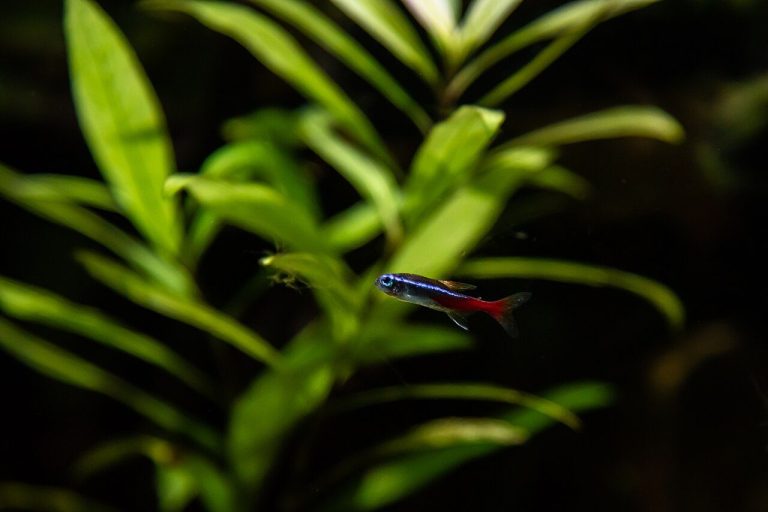
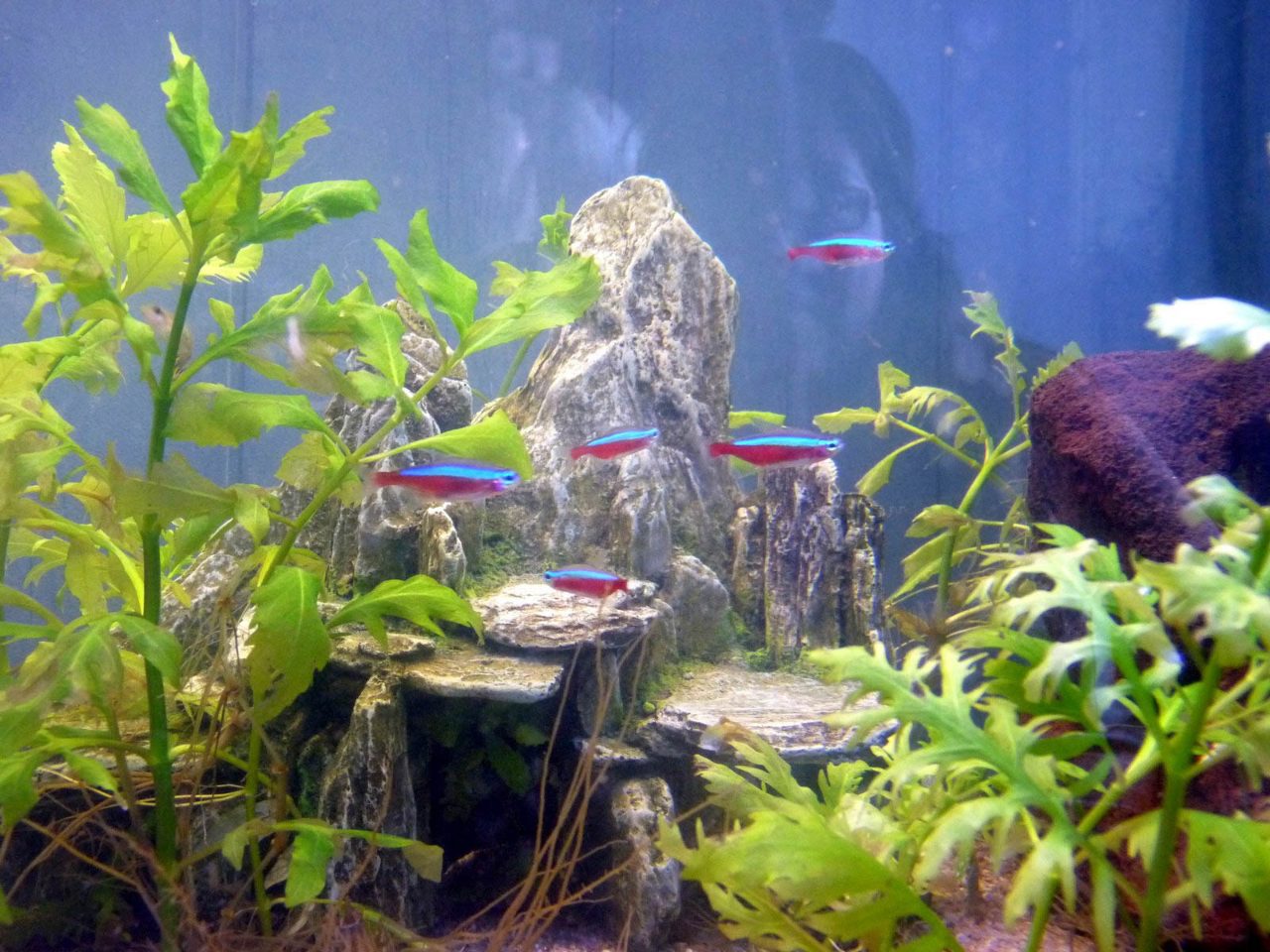
Keeping a bright school of Paracheirodon innesi is one of the most satisfying experiences for any aquarist. These glowing jewels bring life to any tank, but their health depends heavily on a consistent and appropriate nutritional schedule.
In my 10 years of maintaining various setups, I have found that feeding is the single most important daily interaction you have with your fish. Getting the frequency and amount right helps make sure your tetras remain colorful, active, and long-lived.
This guide will look closely at the nuances of feeding these delicate creatures. We will cover everything from biological needs to the practicalities of choosing the right neon tetra aquarium fish diet.
At a glance: Neon tetra (Paracheirodon innesi)
- Temperature
- 72–78°F (22–26°C)
- Water pH
- 6.0–7.0
- Adult size
- 1.5 in (4 cm)
- Minimum tank
- 10 gal (20 gal for a proper school)
- Group size
- Groups of 8+
- Temperament
- Peaceful
- Diet
- Omnivore: micro pellets, flakes, frozen daphnia
- Lifespan
- 5–8 years
Keeper’s tip: Add neons only to a fully cycled, stable tank; they are among the first fish to suffer from ammonia swings.
How Often to Feed Neon Tetras: The Golden Rule
The most common question beginners ask is exactly how often to feed neon tetras to make sure they settle in without polluting the water. In most stable home aquariums, feeding your fish once or twice a day is the ideal standard.
If you choose to feed twice a day, help the portions are very small. If you prefer a once-a-day schedule, you can offer a slightly larger amount, provided it is consumed quickly.
Consistency is more important than the exact minute you drop the food. In my experience, tetras that are fed at the same time each day exhibit less stress and more natural schooling behavior.
Pro Tip: I always recommend skipping one day of feeding per week. This “fasting day” allows the fish to fully clear their digestive tracts and helps prevent issues like constipation or bloating.
Feeding Frequency Based on Life Stage
Not all neon tetras have the same nutritional requirements. Young, growing fish have a much higher fish metabolism rate than older, sedentary adults.
Juvenile tetras are building muscle and bone, meaning they need more frequent energy boosts. If you are raising young fish, you might even consider three small feedings spread throughout the day.
The table below outlines the recommended feeding frequencies based on the age of your fish and the environment they live in.
| Life Stage / Condition | Feeding Frequency | Primary Food Goal |
|---|---|---|
| Fry (Newborns) | 4-5 times daily | Rapid growth and survival |
| Juveniles (Growing) | 2-3 times daily | Development and color boost |
| Adults (Maintenance) | 1-2 times daily | Health and energy maintenance |
| Breeding Pairs | 2-3 times daily | Conditioning and egg production |
Factors Influencing Feeding Frequency
While once or twice a day is the standard, several environmental factors can change how often you should reach for the food container. Understanding these biological triggers will make you a much better fish keeper.
The most significant factor is the aquarium water temperature. Since tetras are ectothermic, their internal processes are dictated by the warmth of their surroundings.
When water is on the warmer side (around 78°F), their digestive enzyme activity (fish) increases. This means they process food faster and may require slightly more frequent feedings.
The Impact of Water Temperature
In cooler water, a neon tetra’s heart rate and digestion slow down significantly. If your tank sits at the lower end of their range, say 72°F, feeding them twice a day might actually lead to leftover food.
I have noticed that during the summer months, my tetras are much more “beggary” at the front of the glass. This is a direct result of the higher ambient temperature boosting their appetite.
Always monitor your thermometer. If the temperature spikes, be prepared to offer small, high-protein snacks to keep up with their energy demands.
Tank Size and Waste Management
The size of your aquarium also plays a role in how often you can safely feed. In a smaller setup, such as a 10-gallon tank, excess food leads to rapid nitrate accumulation.
Large tanks have more water volume to buffer the waste produced by feeding. However, regardless of tank size, you must make sure your aquarium filter media clogging isn’t occurring due to decaying flakes.
If you find yourself cleaning your sponge filters every few days, it is a clear sign you are feeding too much or too often. Adjusting your schedule can save you hours of maintenance.
What to Feed: Quality vs. Quantity
Deciding how often to feed neon tetras is only half the battle; the other half is choosing the right fuel. High-quality food reduces waste and improves the immune system of your school.
Neon tetras are omnivores, meaning they require both plant matter and protein. In the wild, they snack on tiny crustaceans, worms, and various plant debris.
I strongly recommend using a high-quality micro pellet fish food as your staple. These pellets are specifically sized for their tiny mouths and tend to float or sink slowly, giving the fish time to grab them.
Best Food Types for Neon Tetras
Variety is the spice of life, and it is also the key to rich fish colors. Relying on a single type of flake food often leads to nutritional deficiencies over time.
I like to rotate between dry foods, frozen treats, and the occasional live snack. This mimics their natural environment and keeps the fish mentally stimulated.
Consider incorporating the following into your rotation:
- High-quality tropical flakes (crushed for small mouths).
- Frozen bloodworms or brine shrimp (as a weekly treat).
- A daphnia live culture to provide essential roughage and protein.
- Freeze-dried tubifex worms (soaked in water first).
The Importance of Live and Frozen Foods
Live foods like daphnia are incredible for neon tetras. They contain natural enzymes that aid in digestion and help prevent fish bloat symptoms.
If you notice your tetras looking a bit “round” or struggling to swim straight, they might be experiencing constipation. Swapping a dry meal for live daphnia often clears this right up.
I’ve found that feeding frozen foods twice a week significantly improves the red and blue pigmentation in my school. The natural carotenoids in these foods are far superior to synthetic additives.
Recognizing Overfeeding and Underfeeding
One of the hardest things for new keepers to master is the visual cues of a well-fed fish. Overfeeding is the number one killer of aquarium fish, usually through secondary water quality issues.
When you overfeed, the uneaten food rots, causing ammonia spikes. This can lead to fin rot, cloudy eyes, and general lethargy in your neon school.
Furthermore, overfed fish are prone to internal issues. Watch for fish bloat symptoms, such as a distended belly or scales that stick out slightly like a pinecone.
Pro Tip: Use the “eye rule.” A fish’s stomach is roughly the size of its eye. When feeding, try to visualize how much food it would take to fill that tiny space.
Signs Your Tetras Are Hungry
Underfeeding is less common but can happen if you are overly cautious about water quality. A hungry neon tetra will look thin, with a slightly concave belly.
You might also notice increased aggression. While they are generally peaceful, hungry tetras may nip at the fins of their tank mates.
Check our compatibility chart to see if your tank mates might be outcompeting your neons for food. If your neons are always the last to eat, you may need to adjust your feeding technique.
The Two-Minute Rule
To avoid the pitfalls of overfeeding, I always use the two-minute rule. Only drop enough food that the entire school can finish within 120 seconds.
If there is food still floating or resting on the substrate after two minutes, you have offered too much. Use a small net or a gravel vacuum to remove the excess immediately.
This practice prevents the nitrate accumulation that leads to algae blooms. It also keeps your water crystal clear and your fish’s environment healthy.
Feeding Neon Tetras in a Community Tank
Neon tetras are often kept in a tetra community tank alongside larger or faster species. This presents a unique challenge for feeding.
Faster fish like Danios or larger Tetras might gobble up all the food before the neons can get a bite. This often leads the keeper to add more food, which then fouls the water.
To solve this, I use a “distraction” method. I drop larger flakes at one end of the tank for the big fish, then quickly sprinkle micro pellet fish food at the other end for the neons.
Strategy for Bottom Dwellers
If you have Corydoras or shrimp, you must make sure some food reaches the bottom. However, you don’t want the neons to overeat by chasing the bottom-dweller pellets.
I prefer feeding the neons first. Once they are full and less interested in the surface, I drop sinking wafers for the bottom inhabitants.
This tiered approach makes sure everyone gets fed without any single group becoming obese. It also minimizes the stress of competition during mealtime.
Managing Feeding While Away
Many hobbyists worry about how often to feed neon tetras when they go on vacation. It is a valid concern, but fish can actually survive longer than you think without food.
A healthy adult neon tetra can easily go 3 to 5 days without a meal. Their metabolism will slow down slightly, and they will graze on biofilm or algae in the tank.
For longer trips, you have two main options: a pet sitter or an automatic feeder. Both have pros and cons that you must weigh carefully.
Automatic Fish Feeders
If you use a machine, automatic fish feeder programming is critical. Most feeders dispense far too much food on their default settings.
I always recommend testing the feeder for a full week while you are still home. This allows you to adjust the opening to help it only releases a tiny pinch.
Excessive food from an automatic feeder is a recipe for disaster. It can lead to aquarium filter media clogging and a complete tank crash while you are away.
| Vacation Length | Recommended Action | Risk Level |
|---|---|---|
| 1-3 Days | Do nothing; fish will be fine. | Very Low |
| 4-7 Days | Automatic feeder (tested) or one mid-week visit. | Low to Medium |
| 7+ Days | Trusted pet sitter with pre-portioned meals. | Medium |
Still wondering?
Can I feed my neon tetras once every other day?
Yes, for adult tetras in a mature tank, feeding every other day is perfectly acceptable. It often results in cleaner water and very healthy fish.
Why are my neon tetras not eating?
Stress is the most common cause. Check your water parameters for ammonia or nitrites, and ensure the aquarium water temperature is stable between 72°F and 78°F.
Do neon tetras need light to eat?
Tetras are diurnal, meaning they are active during the day. It is best to feed them about 30 minutes after the lights come on and at least an hour before the lights go out.
What is the best time of day to feed them?
Morning is generally best as it aligns with their natural activity spike. If you feed twice, a second small meal in the late afternoon works well.
Can neon tetras eat Betta food?
In a pinch, yes, but Betta pellets are often too large and contain too much protein for long-term neon tetra health. It is better to use food formulated for community tropical fish.
Wrapping up
Mastering how often to feed neon tetras is a journey of observation and adjustment. If you provide small, high-quality meals once or twice a day, you lay the foundation for a healthy aquarium.
Every tank is a unique ecosystem. What works for a heavily planted 20-gallon tank might be too much for a sparse 10-gallon setup.
Pay close attention to your fish’s behavior and the clarity of your water. If the fish are active and the water stays clear, you have found the perfect balance.
Feeding your tetras should be a moment of calm and enjoyment. Watching the school dart through the water to catch their meal is one of the true joys of being an aquarist.

- 2003First tank
- 20+Years keeping
- 40+Tanks kept
- 0Sponsored picks
Howard set up his first 10-gallon planted tank in 2003 and lost half of it within six weeks. Two decades and more than forty aquariums later, he writes the guides he wished he had then: clear numbers, the reasons behind them, and what actually goes wrong in home tanks.