Water Temperature For Tetras – Care Guide
The ideal water temperature for tetras typically ranges between 75°F and 80°F (24°C–27°C). Maintaining a stable temperature within this window is essential for supporting their immune systems and preventing stress-related diseases.
At a glance: Tetras (general) (Family Characidae and relatives)
- Temperature
- 72–80°F (22–27°C) for most species
- Water pH
- 6.0–7.5 for most species
- Adult size
- 1–3 in (2.5–8 cm)
- Minimum tank
- 10–30 gal depending on species
- Group size
- Groups of 6–10+
- Temperament
- Mostly peaceful schooling fish
- Diet
- Omnivores: quality flakes or micro pellets plus frozen foods
- Lifespan
- 3–8 years
Keeper’s tip: Schooling size matters more than tank size for most tetras: small groups hide, nip and stress.
Understanding the Importance of Water Temperature for Tetras
In my decade of keeping various Characins, I have learned that temperature is the invisible foundation of a successful tank. Unlike humans, fish are ectothermic, meaning their internal body temperature is regulated by the water surrounding them.
When the water temperature for tetras is kept within the correct range, their biological functions operate at peak efficiency. This internal balance, known as homeostasis, allows them to process nutrients and fight off pathogens effectively.
If the water is too cold, their metabolic rate slows down significantly. This leads to lethargy, a suppressed immune system, and poor digestion, which can eventually be fatal for these small tropical fish.
Conversely, water that is too warm can be just as dangerous. High temperatures lead to a decrease in dissolved oxygen solubility, making it harder for your fish to breathe even if the water looks clean.
The Biological Impact of Temperature on Tetra Health
Every species of tetra has a specific “comfort zone” dictated by their ancestral waters in South America or Africa. When we replicate these conditions, we see more vivid colors and active schooling behavior.
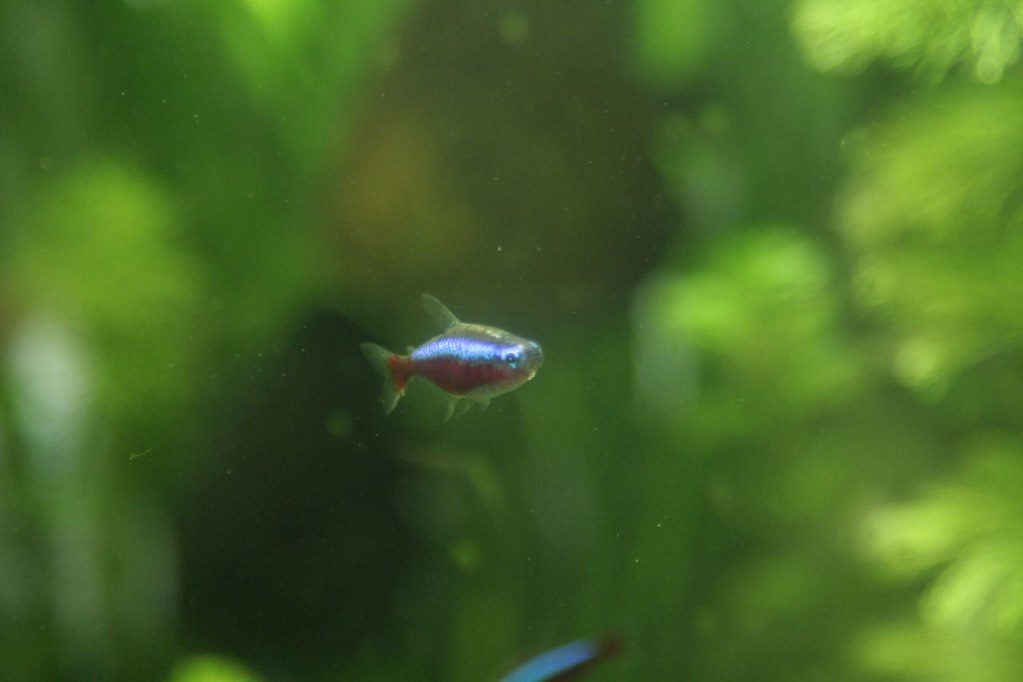
Maintaining the correct water temperature for tetras ensures that their enzymes function correctly. This is particularly important for Paracheirodon innesi, commonly known as the Neon Tetra, which prefers slightly cooler water than its cousins.
I have often noticed that keepers who ignore temperature stability struggle with mysterious fish deaths. Sudden shifts can lead to thermal shock, a condition where the fish’s organs begin to fail due to the rapid change in environment.
Pro Tip: Always use two thermometers—one digital and one traditional glass—on opposite ends of the tank. This helps you identify dead spots where the water might be significantly cooler than the heater’s setting.
Common Tetra Species and Their Temperature Needs
While most tetras share a similar range, there are nuances between species. For instance, the Paracheirodon axelrodi (Cardinal Tetra) stays healthy in slightly warmer, more acidic water compared to the standard Neon.
Below is a breakdown of the ideal temperature ranges for some of the most popular species in the hobby.
| Tetra Species | Ideal Temperature (°F) | Ideal Temperature (°C) |
|---|---|---|
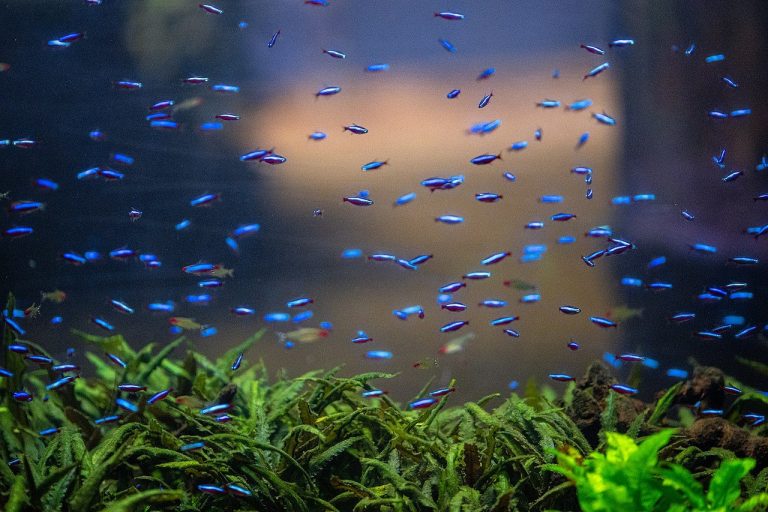
| Neon Tetra | 70°F – 78°F | 21°C – 25°C |
| Cardinal Tetra | 73°F – 82°F | 23°C – 28°C |
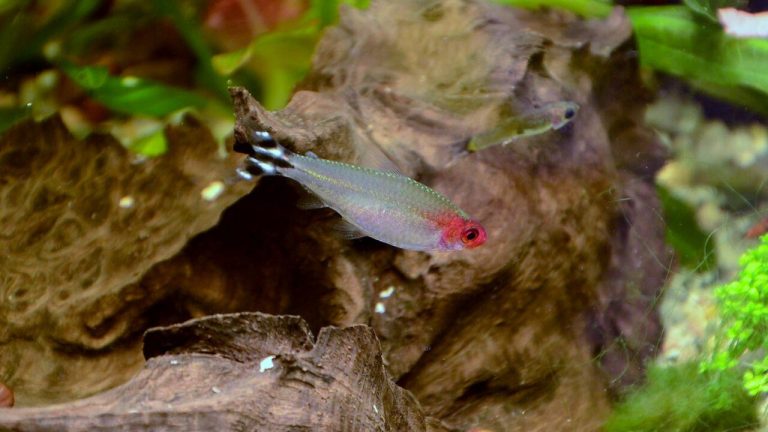
| Rummy Nose Tetra | 75°F – 84°F | 24°C – 29°C |
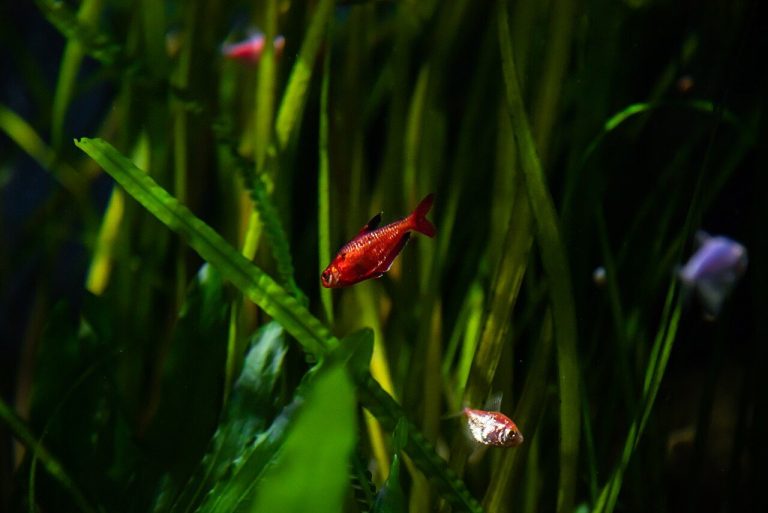
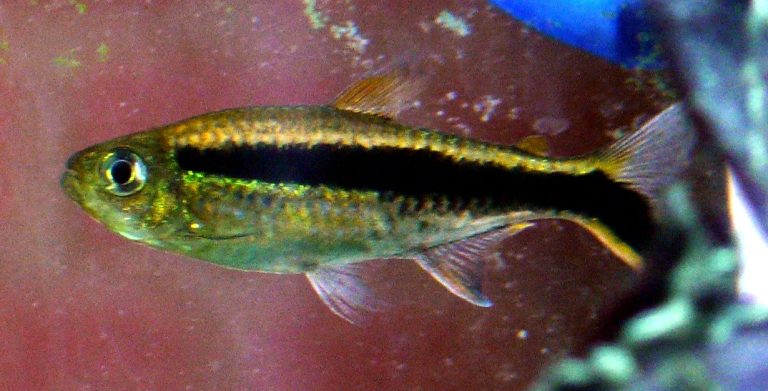
| Ember Tetra | 73°F – 84°F | 23°C – 29°C |
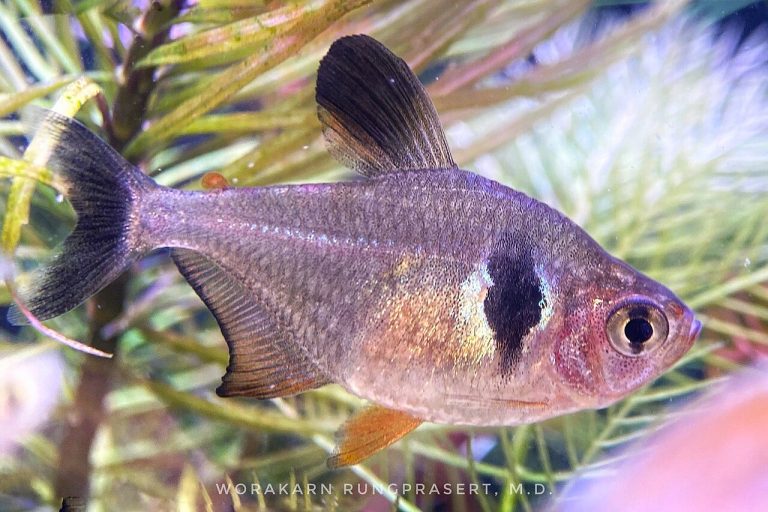
| Black Skirt Tetra | 70°F – 82°F | 21°C – 28°C |
Maintaining a bright neon schools requires staying on the lower end of that spectrum to maximize their lifespan. In my experience, keeping them at a constant 75°F provides the best balance of health and activity.
Essential Equipment for Managing Water Temperature for Tetras
To achieve a stable environment, you cannot rely on the ambient temperature of your room. You need a high-quality submersible heater thermostat that can automatically adjust based on the water’s needs.
I always recommend choosing a heater that is appropriately sized for your tetra tank size. A general rule is 3 to 5 watts of power per gallon of water.
If your heater is underpowered, it will run constantly, shortening its lifespan. If it is overpowered, it might heat the water too quickly, causing stress to your fish.
The Danger of Thermal Stratification
In larger tanks, you may encounter thermal stratification. This occurs when layers of water at different temperatures form, usually with warmer water at the top and cooler water at the bottom.
This can be avoided by making sure proper water circulation. Using a strong filter or an air stone helps mix the water, keeping the water temperature for tetras is consistent throughout the entire volume.
Temperature and Disease Prevention
One of the most common issues in the hobby is the outbreak of Ichthyophthirius multifiliis, or white spot disease. This parasite often takes hold when a fish’s immune system is weakened by fluctuating temperatures.
When the water is too cold, the parasite’s life cycle slows down, but the fish’s ability to fight it off slows down even more. Maintaining a steady, warm environment is your first line of defense.
If you do encounter Ich, raising the temperature slightly (to around 82°F-84°F) can speed up the parasite’s life cycle. This makes it more vulnerable to treatments and the fish’s own natural defenses.
Pro Tip: When performing water changes, always use a thermometer to match the new water to the tank water. Even a 3-degree difference can cause enough stress to trigger an illness in sensitive species.
How Temperature Influences Breeding Behavior
If you are interested in breeding your own tetras, temperature manipulation is one of the most powerful tools at your disposal. Many species respond to a slight rise or fall in temperature as a seasonal cue.
Spawning induction often involves mimicking the onset of the rainy season. This usually includes a slight drop in temperature followed by a gradual return to the warmer range.
During this time, the increased metabolic rate from the warmer water encourages the female to produce eggs. For many tetras, a temperature of 80°F is the “sweet spot” for successful spawning.
Common Mistakes with Tetra Temperatures
Many beginners make the mistake of placing their aquarium near a window or an air conditioning vent. Direct sunlight can cause the water temperature for tetras to spike dangerously in just a few hours.
Similarly, an AC vent can cause the heater to work overtime, creating a localized cold spot near the glass. Always place your tank on an interior wall away from drafts and direct light.
Another common error is failing to calibrate the heater. Just because the dial says 78°F doesn’t mean the water is actually that temperature. Always verify with an independent thermometer.
Emergency Scenarios: Heater Failure
Heater failure is a nightmare for any aquarist. If a heater sticks “on,” it can literally cook the fish. If it fails “off,” the water can drop to room temperature overnight.
In the event of a cooling tank, you can insulate the glass with towels or blankets to retain heat. If the tank is overheating, floating a sealed bag of cool (not frozen) water can help bring the temperature down slowly.
FAQ
Can tetras live in unheated tanks?
Generally, no. While some species like the Buenos Aires Tetra are hardier, most tetras are tropical and require a heater to maintain a stable water temperature for tetras above 72°F.
What happens if the water is too hot?
When water exceeds 85°F, oxygen levels drop significantly. You may see your tetras gasping at the surface. High heat also accelerates their metabolism, causing them to age faster and potentially starve if not fed more frequently.
How do I lower the temperature in summer?
Using a small clip-on fan to blow across the water surface can lower the temperature by several degrees through evaporation. Make sure you top off the tank with dechlorinated water frequently if you use this method.
Is a 2-degree fluctuation okay?
A slow fluctuation of 1-2 degrees over 24 hours is natural and usually safe. However, a 2-degree drop in ten minutes (like during a water change) can be very stressful for small fish.
Conclusion: Consistency is Key
Successfully managing the water temperature for tetras is not about hitting a perfect number, but about providing a stable environment. These small, schooling fish stay healthy when they aren’t constantly forced to adapt to changing conditions.
If you put in a reliable heater, using multiple thermometers, and being mindful of tank placement, you create a foundation for a stable aquatic community. Your tetras will reward you with active swimming, bright colors, and perhaps even some fry.
The goal is to recreate the well-grown, warm environments of the tropics. When you master the temperature, you master the most critical element of tetra care.

- 2003First tank
- 20+Years keeping
- 40+Tanks kept
- 0Sponsored picks
Howard set up his first 10-gallon planted tank in 2003 and lost half of it within six weeks. Two decades and more than forty aquariums later, he writes the guides he wished he had then: clear numbers, the reasons behind them, and what actually goes wrong in home tanks.