Lifespan Of Tetras – The Expert Guide To Maximizing Fish Longevity
The average lifespan of tetras typically ranges from 3 to 10 years depending on the species. Providing pristine water quality, a diverse diet, and a stress-free environment are the most effective ways to ensure your tetras live a full life.
In my decade of maintaining freshwater ecosystems, I have found that the lifespan of tetras is one of the most common concerns for new hobbyists. These rich, schooling fish are the jewels of the aquarium world, yet many keepers are surprised by how long they can actually live when given the right care.
When I first started keeping characins, I assumed three years was the limit for most small species. However, through careful attention to water chemistry and nutrition, I have seen many of my personal fish do well well beyond their expected years.
Understanding the biological needs of these fish is the first step toward success. This guide will walk you through the factors that influence the lifespan of tetras and provide actionable steps to help your aquatic friends reach their full potential.
Pro Tip: Always research the specific species you plan to keep. While many tetras share similar needs, some require significantly cooler water or softer parameters to reach their maximum age.
At a glance: Tetras (general) (Family Characidae and relatives)
- Temperature
- 72–80°F (22–27°C) for most species
- Water pH
- 6.0–7.5 for most species
- Adult size
- 1–3 in (2.5–8 cm)
- Minimum tank
- 10–30 gal depending on species
- Group size
- Groups of 6–10+
- Temperament
- Mostly peaceful schooling fish
- Diet
- Omnivores: quality flakes or micro pellets plus frozen foods
- Lifespan
- 3–8 years
Keeper’s tip: Schooling size matters more than tank size for most tetras: small groups hide, nip and stress.
Understanding the Lifespan of Tetras Across Different Species
The term “tetra” covers a massive variety of fish within the Characidae family. Because they come from diverse habitats across South America and Africa, their natural longevity varies quite a bit.
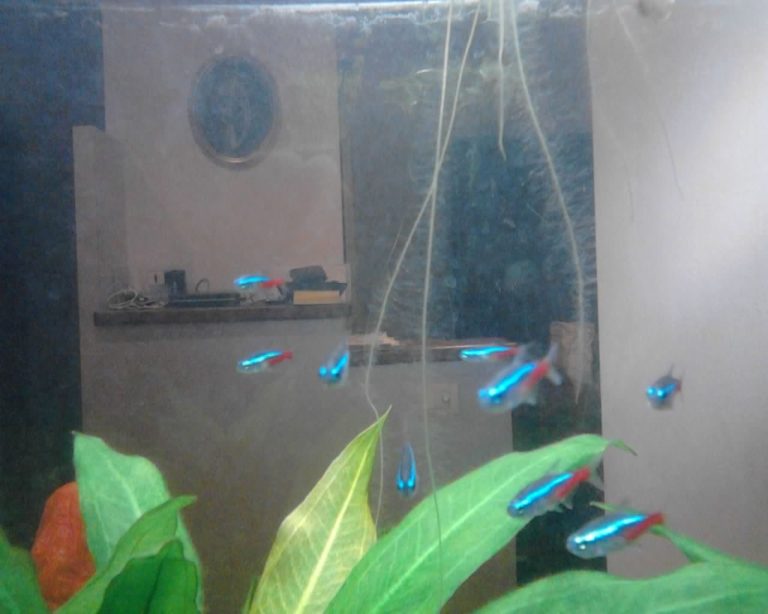
For instance, the common Neon Tetra (Paracheirodon innesi) typically lives for 3 to 5 years in a home aquarium. In contrast, larger or hardier species like the Congo Tetra can easily reach 7 to 10 years with consistent care.
It is helpful to view the lifespan of tetras as a reflection of their environment. In the wild, predation and environmental shifts often shorten their lives, but in a controlled aquarium, we can remove those threats.
| Tetra Species | Scientific Name | Average Lifespan | Care Difficulty |
|---|---|---|---|
| Neon Tetra | Paracheirodon innesi | 3–5 Years | Intermediate |
| Cardinal Tetra | Paracheirodon axelrodi | 4–6 Years | Intermediate |
| Congo Tetra | Phenacogrammus interruptus | 7–10 Years | Beginner |
| Buenos Aires Tetra | Hyphessobrycon anisitsi | 5–6 Years | Beginner |
The Role of Genetics in Longevity
Genetics play a significant role in how long your fish will live. In my experience, fish sourced from high-quality local breeders often outlive those from mass-produced commercial sources.
Overbreeding can lead to weakened immune systems and genetic defects. When selecting your fish, look for colorful colors, active swimming patterns, and clear eyes to make sure you are starting with healthy stock.
The longevity of Buenos Aires varieties is often higher because they are incredibly hardy compared to more sensitive species. Starting with hardy species is a great way for beginners to see long-term success.
Water Quality and the Nitrogen Cycle
The single most important factor affecting the lifespan of tetras is water quality. In a closed system, waste products like ammonia and nitrite can quickly become toxic.
Maintaining a strong Nitrogen cycle is non-negotiable for any aquarist. This biological process uses beneficial bacteria to convert toxic ammonia into less harmful nitrates.
I always recommend over-filtering your tank to keep high levels of Biological filtration. This provides a safety net if a fish dies unnoticed or if you accidentally overfeed.
Monitoring Carbonate Hardness and pH
Tetras generally prefer soft, acidic water, which mimics their native blackwater environments. Carbonate hardness (KH) acts as a buffer for your pH, preventing dangerous swings that can stress a fish’s system.
If the KH is too low, your pH can crash, leading to immediate health issues. I’ve noticed that keeping a stable environment is far more important than hitting a “perfect” number on a chart.
Using Humic substances, such as those found in driftwood or Indian Almond leaves, can help naturally lower pH. These substances also provide mild antibacterial properties that support the fish’s slime coat.
The Importance of Dissolved Oxygen
Many keepers overlook the role of Dissolved oxygen in fish longevity. Tetras are active swimmers and require well-oxygenated water to maintain a healthy Metabolic rate.
Low oxygen levels force the fish to work harder to breathe, which puts unnecessary strain on their hearts. Help you have plenty of surface agitation from your filter or an air stone to facilitate gas exchange.
Dietary Requirements for a Longer Life
A fish is only as healthy as what it eats. In the wild, tetras are opportunistic omnivores, consuming a mix of insects, larvae, and plant matter.
I’ve found that a diet consisting solely of dry flakes is rarely enough for a fish to reach its maximum age. To support the lifespan of tetras, you must provide variety.
High-quality pellets should be supplemented with frozen or live foods. These nutrient-dense options provide essential amino acids and fats that support immune function and rich coloration.
| Food Type | Benefits | Frequency |
|---|---|---|
| High-Quality Flakes/Pellets | Balanced vitamins and minerals | Daily (Base diet) |
| Frozen Bloodworms | High protein for growth and repair | 1-2 times per week |
| Brine Shrimp | Excellent for color enhancement | 2-3 times per week |
| Daphnia | Aids in digestion and prevents bloating | Weekly |
Metabolic Rate and Temperature
Temperature has a direct impact on a fish’s Metabolic rate. If you keep your tank at the upper end of a species’ tolerance, their metabolism will speed up.
While this can lead to faster growth, it often results in a shorter overall lifespan. I prefer to keep my community tanks in the middle of the recommended range to balance activity with longevity.
For a diverse community setup, aim for a steady temperature of 75°F to 78°F (24°C to 26°C). This range is a “sweet spot” for most common tetra species.
Preventing Disease and Parasites
Disease is the most common cause of premature death in aquarium fish. The lifespan of tetras can be cut short by pathogens that do well in stressed environments.
One of the most frequent invaders is Ichthyophthirius multifiliis, commonly known as Ich. This parasite appears as small white spots on the fish’s body and fins.
Prevention is always better than cure. Quarantining new additions for at least two weeks is a practice I never skip, as it protects the established inhabitants of my main display tank.
Common Mistake: Many hobbyists stop treatment the moment the white spots disappear. However, the parasite is still in the water column; you must continue treatment for several days after the last spot is gone to ensure total eradication.
Osmoregulation and Stress
Osmoregulation is the process by which a fish maintains the balance of water and salts in its body. When water parameters are incorrect, the fish must spend a massive amount of energy on this process.
This energy expenditure leaves the fish with fewer resources for its immune system. If you keep the water parameters stable, you reduce the “osmotic stress” on your fish, directly extending their lives.
Make sure you are choosing compatible tank mates to prevent physical stress from nipping or bullying. Constant hiding or fleeing will eventually lead to a weakened fish and a shorter life.
Environmental Factors for Longevity
The physical layout of your aquarium matters more than you might think. Tetras are schooling fish that find security in numbers and cover.
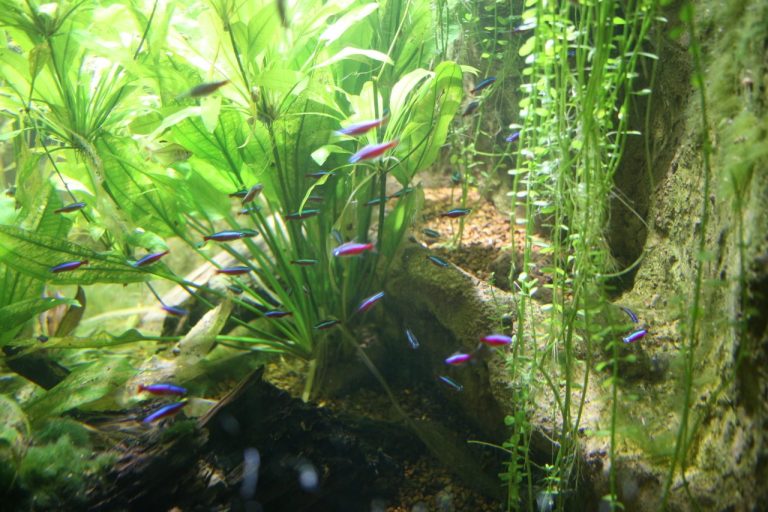
In my experience, a bare tank is a recipe for a short-lived tetra. They need places to retreat if they feel threatened. Live plants are the best option for this, as they also help maintain water quality by absorbing nitrates.
The Importance of School Size
Tetras should never be kept alone or in pairs. A group of at least six to ten individuals is necessary for them to feel safe.
In a large school, the fish display more natural behaviors and experience less individual stress. This social structure is vital for their mental well-being and long-term health.
I have observed that tetras in larger schools are much bolder and more likely to feed aggressively. This increased activity contributes to a healthier cardiovascular system and a longer life.
Quick answers about the Lifespan of Tetras
How can I tell how old my tetra is?
It is very difficult to determine the exact age of a tetra once it reaches adulthood. Generally, older tetras may appear slightly larger, have less colorful colors, or show a slight “hump” in their back as they age.
Do Neon Tetras live longer than Cardinal Tetras?
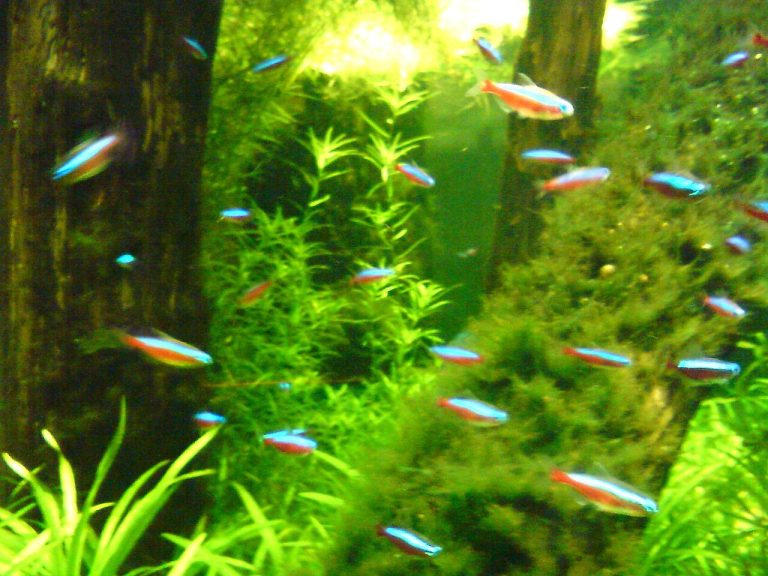
Actually, Cardinal Tetras (Paracheirodon axelrodi) often live slightly longer than Neons. While Neons usually live 3-5 years, Cardinals can frequently reach 5 or 6 years because they are slightly hardier once established.
Does tank size affect the lifespan of tetras?
Yes, indirectly. A larger tank provides more stable water parameters and more swimming space. In a cramped environment, waste builds up faster and the fish experience more stress, which can shorten their lives.
Can tetras live for 10 years?
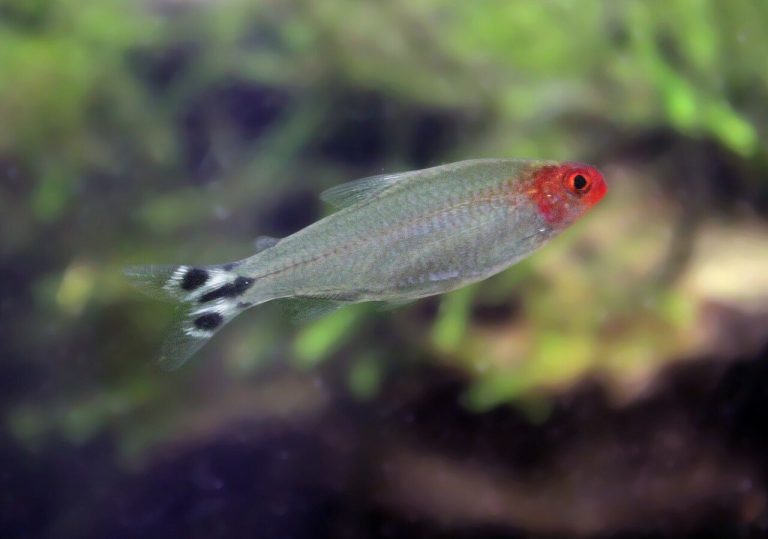
Some species, like the Congo Tetra or the Rummy Nose Tetra, have been known to reach 8 to 10 years in exceptional conditions. However, for most small species, 5 years is considered a very successful run.
What is the shortest-lived tetra?
Most small tetras have similar lifespans, but the Neon Tetra is often perceived as short-lived because it is sensitive to water changes and prone to “Neon Tetra Disease,” which can wipe out a school quickly.
Before you go
Maximizing the lifespan of tetras is a satisfying challenge that requires a holistic approach to fish keeping. If you focus on high-quality nutrition, stable water chemistry, and a stress-free environment, you can enjoy these beautiful fish for many years.
You are creating a tiny slice of nature in your home. The more you respect the biological needs of your fish—from the Nitrogen cycle to their social schooling requirements—the more they will reward you with vivid health.
In my years of keeping these wonderful creatures, I have found that consistency is the ultimate secret. Avoid chasing “perfect” parameters and instead focus on maintaining a stable, clean, and peaceful aquarium. Your tetras will thank you with a long and colorful life.

- 2003First tank
- 20+Years keeping
- 40+Tanks kept
- 0Sponsored picks
Howard set up his first 10-gallon planted tank in 2003 and lost half of it within six weeks. Two decades and more than forty aquariums later, he writes the guides he wished he had then: clear numbers, the reasons behind them, and what actually goes wrong in home tanks.