How Long Does A Neon Tetra Live – Lifespan Facts
Neon Tetras typically live for 3 to 5 years in a properly maintained home aquarium. However, with ideal care, pristine water conditions, and a stress-free environment, these beautiful fish can do well for 8 to 10 years or even longer.
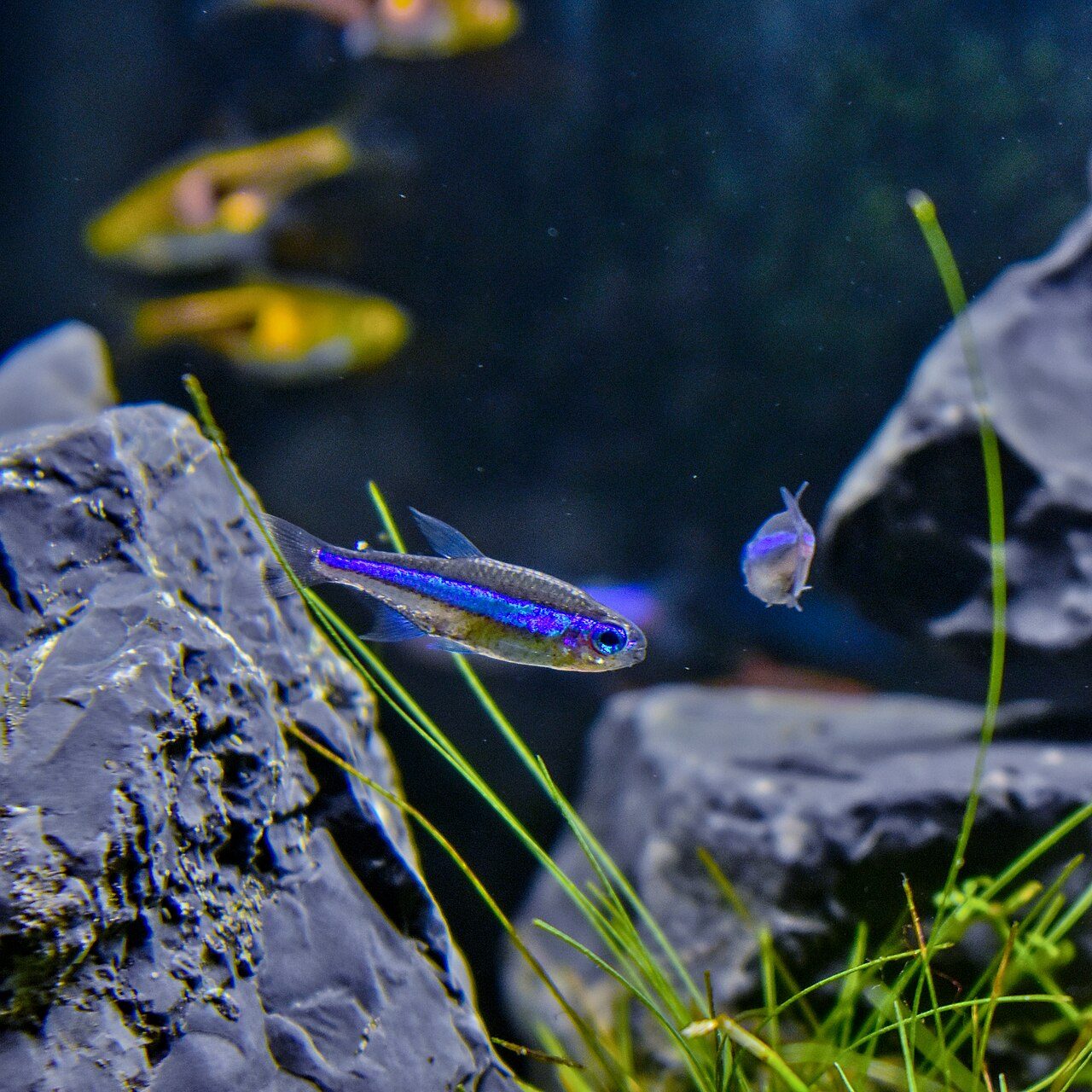
Welcome to “Successful Aquarium,” where we empower you to create stable aquatic worlds. Few freshwater fish capture the heart of an aquarist quite like the Neon Tetra. Their iridescent stripes and peaceful schooling behavior bring a colorful splash of color to any community tank.
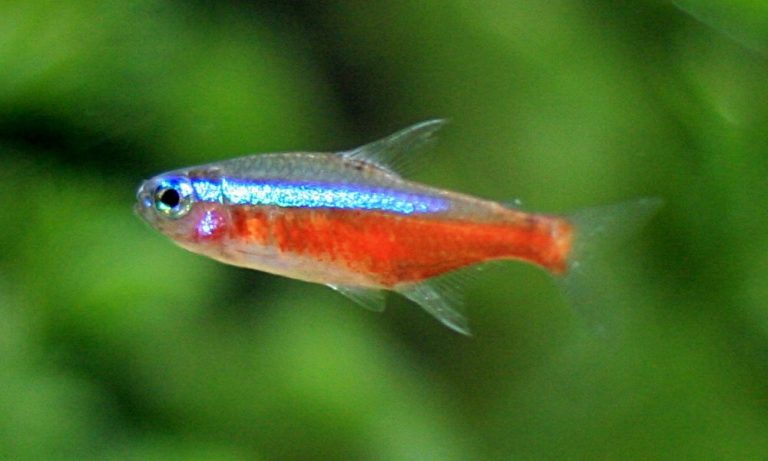
But as with any well-loved pet, a common question arises: how long does a Neon Tetra live? Understanding their natural lifespan and the factors that influence it is vital for every responsible fish keeper. This guide will look deep into Paracheirodon innesi, providing you with expert insights and actionable advice to help your Neon Tetras not just survive, but flourish for years to come.
Unlocking the Longevity Potential of Your Neon Tetras
Achieving the upper end of the Neon Tetra lifespan spectrum isn’t just about luck; it’s about dedicated care. It’s a sign of the environment you provide and your commitment to their well-being. From water quality to diet, every aspect plays a vital role.
In my years of keeping these enchanting members of the Characidae family, I’ve learned that consistency and attention to detail are the top priority. Let’s explore how you can maximize the potential for a long, healthy life for your glittering school.
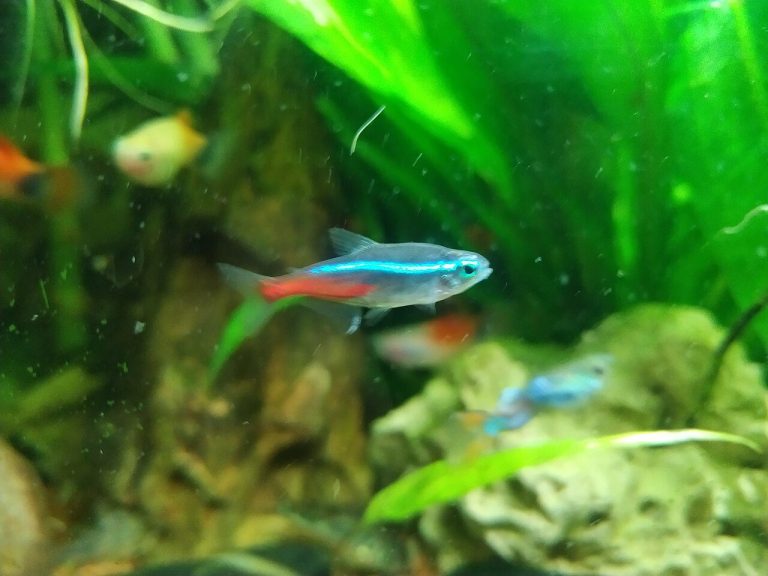
At a glance: Neon tetra (Paracheirodon innesi)
- Temperature
- 72–78°F (22–26°C)
- Water pH
- 6.0–7.0
- Adult size
- 1.5 in (4 cm)
- Minimum tank
- 10 gal (20 gal for a proper school)
- Group size
- Groups of 8+
- Temperament
- Peaceful
- Diet
- Omnivore: micro pellets, flakes, frozen daphnia
- Lifespan
- 5–8 years
Keeper’s tip: Add neons only to a fully cycled, stable tank; they are among the first fish to suffer from ammonia swings.
The Expected Lifespan of a Neon Tetra
The average lifespan for a Neon Tetra in captivity generally ranges from three to five years. This is a good benchmark for most hobbyists who provide standard care. Wild populations, however, often face harsher conditions and predators, leading to shorter average lifespans.
The controlled environment of a home aquarium, paradoxically, can offer both better protection and unique challenges. Our goal as aquarists is to create conditions that mimic their natural habitat while mitigating risks.
Understanding the Variances in Lifespan
Several factors contribute to the wide range in how long a Neon Tetra lives. Genetics certainly play a part, but environmental conditions are overwhelmingly the most significant. A fish from a reputable breeder, kept in a stable, clean tank, will almost always outlive one subjected to fluctuating parameters or poor nutrition.
I’ve personally seen Neon Tetras that have been with me for seven or eight years, vivid and active. These individuals are usually in tanks with consistent water changes, proper filtration, and a varied diet. This shows the incredible potential these small fish possess.
Key Factors Influencing Neon Tetra Longevity
To understand how to extend the life of your Neon Tetras, we must examine the core elements that impact their health. These are the pillars of successful aquarium keeping for any species.
Neglecting even one of these areas can drastically reduce your fish’s lifespan and overall quality of life. Let’s break down each critical component.
Water Quality and Parameters
This is arguably the single most important factor. Neon Tetras are sensitive to changes in water chemistry. Maintaining stable and appropriate water parameters is non-negotiable for their long-term health.
Fluctuations in pH, temperature, or hardness cause immense stress, weakening their immune systems. This makes them susceptible to disease and shortens their lifespan.
| Parameter | Ideal Range for Neon Tetras | Why it Matters |
|---|---|---|
| Temperature | 70-78°F (21-26°C) | Maintains ideal metabolic rate and supports thermal homeostasis. |
| pH | 6.0-7.0 (slightly acidic to neutral) | Vital for proper osmoregulation and enzyme function. |
| GH (General Hardness) | 1-2 dGH (soft water) | Reflects mineral content, important for fish electrolyte balance. |
| Ammonia (NH3) | 0 ppm | Highly toxic, even in small amounts; causes gill damage. |
| Nitrite (NO2) | 0 ppm | Toxic, impairs oxygen uptake in blood. |
| Nitrate (NO3) | <20 ppm (ideally <10 ppm) | Less toxic but high levels cause chronic stress and health issues. |
Regular testing with a reliable liquid test kit is essential. Weekly water changes of 20-30% help to dilute accumulated nitrogenous waste and replenish essential minerals.
Tank Size and Stocking Levels
While small, Neon Tetras need space, especially as a schooling fish. Overcrowding leads to increased stress, aggressive behavior, and rapid buildup of toxins. For a healthy school of 6-8 Neon Tetras, a minimum of a 10-gallon tank is often recommended.
In my experience, a 20-gallon long tank offers much better stability and swimming room for these active fish. For information on appropriate tank sizes for various tetras, you can refer to our guide on Tetra Tank Size.
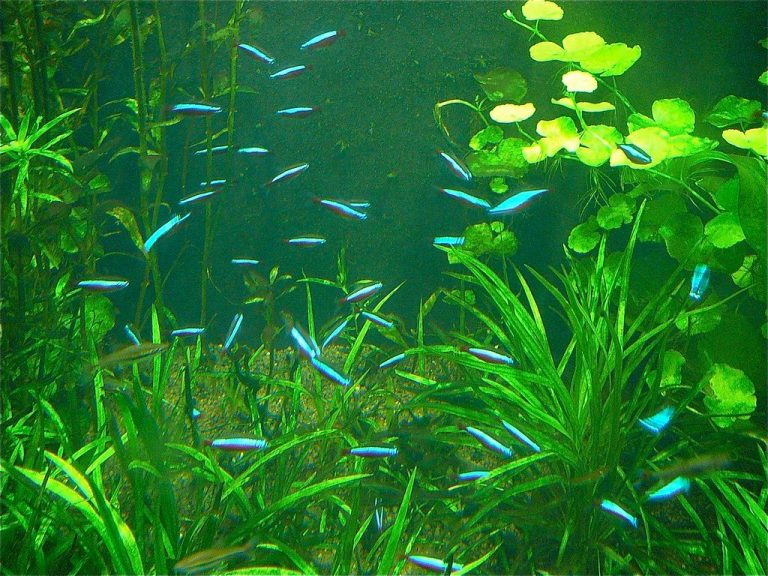
Pro Tip: The Power of a School! Neon Tetras are schooling fish; they do well in groups of at least six, ideally 10 or more. A larger school provides security, reduces individual stress, and encourages natural behavior. Lonely Neon Tetras are often stressed Neon Tetras, leading to a shorter lifespan.
Diet and Nutrition
A varied and high-quality diet is fundamental to a long and healthy life. Neon Tetras are omnivores, requiring a balance of protein and plant matter. Flake food alone, even premium brands, isn’t enough.
Offer a mix of high-quality micro-pellets, frozen foods like daphnia, brine shrimp, and bloodworms, and even live foods when possible. This ensures they receive all necessary vitamins and minerals, boosting their immune system and colorful coloration.
Tank Mates and Stress Levels
Peaceful tank mates are critical for the well-being of these timid fish. Aggressive or fin-nipping species will cause chronic stress, leading to illness and a significantly reduced lifespan. Help any other fish in the tank are calm, similarly sized, and have similar water parameter requirements.
Avoid housing them with large, predatory fish that might see them as food. For advice on building a peaceful tetra community tank, check out our dedicated article.
Creating the Ideal Habitat for Your Neon Tetras
Beyond just parameters, the physical environment of the aquarium plays a huge role in the comfort and longevity of your Neon Tetras. A well-designed tank provides security, enrichment, and a stable ecosystem.
Think about their natural habitat: slow-moving, tannin-stained rivers and streams in South America, often with dense vegetation and subdued lighting. We can replicate many of these conditions.
Substrate, Plants, and Decor
A dark substrate helps to bring out their colors and makes them feel more secure. Live plants are highly beneficial, offering hiding places, breaking up line of sight, and contributing to water quality by absorbing nitrates. Driftwood and botanicals release beneficial tannic acid, which can slightly lower pH and provide anti-bacterial properties, mimicking their blackwater origins.
I’ve noticed that my Neon Tetras are always more vivid and active in heavily planted tanks. They love darting in and out of the foliage.
Filtration and Aeration
A solid biological filtration system is non-negotiable for processing nitrogenous waste. Sponge filters, hang-on-back filters with good media, or canister filters are excellent choices. The key is to maintain a healthy colony of beneficial bacteria to convert toxic ammonia and nitrite into less harmful nitrate.
Ensure adequate dissolved oxygen saturation, especially if your tank is heavily planted or warm. A gentle air stone or filter outflow breaking the surface can help. For guidance on selecting the right filter, explore our article on Tetra Fish Filters.
Common Mistake: Under-cycling Your Tank! Many new aquarists rush to add fish to a freshly set up tank. Without a fully established biological filtration system, ammonia toxicity and nitrite poisoning are inevitable. Always make sure your tank is properly cycled before introducing any fish. This foundational step is important for how long a Neon Tetra lives.
Lighting and Water Flow
Neon Tetras prefer subdued lighting. Bright lights can stress them out and cause their colors to fade. Floating plants are excellent for diffusing intense light. Gentle water flow, rather than strong currents, is also preferred, as they come from slow-moving waters.
Excessive current can exhaust them, leading to unnecessary stress and a shorter lifespan.
Nutrition and Feeding for a Long, Healthy Life
Feeding your Neon Tetras correctly is more than just dropping food into the tank. It’s about quality, variety, and frequency. This directly impacts their growth, immune system, and overall vitality.
A poorly fed fish will be prone to disease and have a significantly reduced lifespan. You are what you eat, and the same goes for your fish.
The Importance of a Varied Diet
As mentioned, a diverse diet is critical. Don’t rely solely on one type of food. Alternate between different flakes, micro-pellets, and frozen options. This helps keep a broad spectrum of nutrients.
I always keep a few different types of food on hand and rotate them daily. This keeps the fish interested and ensures they get a balanced diet.
| Food Type | Benefits | Feeding Frequency |
|---|---|---|
| High-Quality Flakes/Micro-pellets | Staple diet, balanced nutrition, easy to feed. | Once or twice daily |
| Frozen Brine Shrimp/Daphnia | Protein-rich, excellent for conditioning, natural prey. | 2-3 times per week |
| Frozen Bloodworms (chopped) | High protein, treats, good for color enhancement. | Once a week (sparingly) |
| Live Foods (e.g., micro worms, baby brine shrimp) | Stimulates natural hunting instincts, highly nutritious. | Occasionally, as a treat |
Feeding Frequency and Portion Control
Feed small amounts two to three times a day, only what they can consume in 2-3 minutes. Overfeeding pollutes the water rapidly, leading to spikes in ammonia and nitrite, and contributes to obesity in fish. Obesity can shorten their lifespan.
It’s better to underfeed slightly than to overfeed. Leftover food quickly degrades, impacting water quality.
Recognizing and Preventing Common Health Issues
Even with the best care, fish can sometimes fall ill. Early detection and prompt treatment are key to recovery and making sure a long life. Prevention, however, is always better than cure.
Being observant of your Neon Tetras’ behavior and appearance is an essential part of responsible fish keeping.
Common Ailments Affecting Neon Tetras
Neon Tetras are susceptible to a few common diseases, some of which are particularly known for them.
- Neon Tetra Disease (NTD): Caused by the parasite Pleistophora hyphessobryconis, this is a notorious and often fatal disease. Symptoms include faded colors, erratic swimming, cysts, and spinal deformities. There is no reliable cure, so prevention (quarantining new fish) is the top priority.
- Ich (White Spot Disease): A common parasitic infection appearing as small white spots on the body and fins. Usually caused by stress or fluctuating temperatures. Treatable with medication and increased temperature.
- Fin Rot: Bacterial infection, often a secondary issue from stress or poor water quality. Fins appear ragged or frayed. Treatable with antibiotics and improved water conditions.
- Bloat: Can be caused by overfeeding, poor diet, or internal parasites/bacterial infections. Fish appear swollen. Adjust diet and consider anti-parasitic or antibiotic treatments.
Prevention Strategies
The best way to keep how long a Neon Tetra lives is to prevent disease in the first place.
- Quarantine New Fish: Always quarantine new fish for 2-4 weeks in a separate tank. This prevents introducing diseases like NTD to your main display tank.
- Maintain Pristine Water Quality: Consistent water changes and proper filtration are your best defense against most illnesses.
- Varied, High-Quality Diet: Boosts the immune system, making fish more resilient.
- Stable Environment: Avoid sudden changes in temperature or pH, which stress fish.
- Observe Daily: Spend a few minutes each day watching your fish. Look for unusual swimming patterns, faded colors, spots, or gasping.
Early intervention can make all the difference in saving a sick fish and preventing the spread of disease to the rest of your school.
Breeding Neon Tetras and Lifespan Considerations
Breeding Neon Tetras is a challenging but satisfying endeavor. It also brings specific considerations regarding their lifespan, especially for the females.
Spawning is a stressful process, and if successful, raising fry requires careful care.
Impact of Breeding on Lifespan
Female Neon Tetras, in particular, can experience a slightly reduced lifespan if bred frequently. The energy expenditure for egg production and laying is significant. If you plan to breed them, help the breeding pair is in peak condition and provide ideal post-spawning care.
This means a highly nutritious diet and a clean, stress-free environment to help them recover. For more on breeding these remarkable fish, you can explore our guide on How to Breed Tetra Fish.
Common questions
Here are some common questions about Neon Tetra lifespan that new and intermediate aquarists often ask.
How do I know if my Neon Tetra is old?
As Neon Tetras age, you might notice their colors become slightly less vivid, their movements might be a bit slower, and they may show signs of spinal curvature. They might also appear thinner or develop a slight hump on their back. These are natural signs of aging.
Can a single Neon Tetra live as long as a school?
While a single Neon Tetra can survive, it will likely be under constant stress and very timid. This chronic stress can significantly shorten its lifespan compared to one kept in a flourishing school of six or more. They are schooling fish by nature; a school provides security and reduces individual stress.
Do water changes prolong Neon Tetra lifespan?
Absolutely. Regular water changes are one of the most effective ways to prolong a Neon Tetra’s lifespan. They remove accumulated nitrates, replenish essential minerals, and maintain stable water parameters, all of which are important for reducing stress and preventing disease.
What is the biggest threat to a Neon Tetra’s lifespan?
Poor water quality, specifically high levels of ammonia, nitrite, and nitrate, is the biggest threat. These nitrogenous waste products are highly toxic and cause severe stress, organ damage, and ultimately death. Unstable water parameters (pH, temperature) also pose significant risks.
Is it true that blackwater setups extend their life?
Many aquarists, including myself, believe that blackwater setups, which mimic their natural Amazonian habitat, can contribute to a longer lifespan. The presence of humic substances and tannic acid from driftwood and botanicals can lower pH, provide a mild antiseptic effect, and reduce stress, thereby boosting their immune system.
A last word
The question of “how long does a Neon Tetra live” doesn’t have a single, simple answer, but rather a spectrum determined by the quality of care you provide. While 3-5 years is a common benchmark, achieving 8-10 years is entirely possible with dedication and attention to detail.
If you focus on pristine water quality, a spacious and well-decorated tank, a varied and nutritious diet, and peaceful tank mates, you are setting your Paracheirodon innesi up for a long, colorful, and healthy life. Successful aquarium keeping is a journey of continuous learning and observation. Your commitment to these small, dazzling fish will be rewarded with years of beauty and joy in your aquatic world. Keep learning, keep observing, and enjoy your successful aquarium.

- 2003First tank
- 20+Years keeping
- 40+Tanks kept
- 0Sponsored picks
Howard set up his first 10-gallon planted tank in 2003 and lost half of it within six weeks. Two decades and more than forty aquariums later, he writes the guides he wished he had then: clear numbers, the reasons behind them, and what actually goes wrong in home tanks.