Tetra Temperature Range – Your Expert Guide To Thriving Aquarium Fish
The ideal tetra temperature range for most popular species typically falls between 72°F and 80°F (22°C to 27°C). Maintaining this stable environment is key for their health, metabolic functions, and overall well-being in an aquarium setting.
Welcome to “Successful Aquarium,” your trusted resource for creating vivid aquatic worlds. If you’re an aquarist, whether new or experienced, understanding the nuanced needs of your fish is the top priority. Today, we’re diving deep into a fundamental aspect of tetra care: the ideal tetra temperature range.
Keeping the correct water temperature is far more critical than many beginners realize. It directly impacts your fish’s health, behavior, and even their lifespan. As someone who has maintained successful aquariums for over a decade, I’ve seen firsthand how a stable, appropriate temperature can be the difference between healthy tetras and constant struggles.
Tetras, like most fish, are ectothermic. This means their internal body temperature is regulated by their external environment. Unlike mammals, they cannot generate their own body heat. Therefore, the water temperature directly controls their metabolic rate, immune system, and overall physiological functions. Let’s explore how to master this essential parameter for your cherished schooling fish.
At a glance: Tetras (general) (Family Characidae and relatives)
- Temperature
- 72–80°F (22–27°C) for most species
- Water pH
- 6.0–7.5 for most species
- Adult size
- 1–3 in (2.5–8 cm)
- Minimum tank
- 10–30 gal depending on species
- Group size
- Groups of 6–10+
- Temperament
- Mostly peaceful schooling fish
- Diet
- Omnivores: quality flakes or micro pellets plus frozen foods
- Lifespan
- 3–8 years
Keeper’s tip: Schooling size matters more than tank size for most tetras: small groups hide, nip and stress.
Why Stable Water Temperature is Non-Negotiable for Tetras
Getting the temperature right isn’t just about comfort; it’s about survival. Every biological process within your tetra, from digestion to fighting off disease, is temperature-dependent. Fluctuations or incorrect temperatures can lead to significant stress and health issues.
The Science Behind Tetra Thermoregulation
As ectothermic creatures, tetras rely entirely on the surrounding water for their thermoregulation. Their metabolic rate, which dictates how quickly they process food, use energy, and grow, directly correlates with water temperature. When the temperature is too low, their metabolism slows down, making them sluggish and susceptible to illness. Conversely, if it’s too high, their metabolism speeds up excessively, leading to stress, rapid aging, and compromised immune function.
Pro Tip: Understanding Dissolved Oxygen
Higher water temperatures reduce dissolved oxygen solubility. This means warmer water holds less oxygen. If your tank runs too hot, especially combined with inadequate surface agitation or dense plant cover, your tetras could suffer from oxygen deprivation, leading to gasping at the surface and severe stress. Always ensure good filtration and aeration.
Impact on Health and Immunity
A stable and appropriate temperature range helps bolster your tetras’ immune systems. When fish are stressed by inconsistent temperatures, their immune response weakens, making them prime targets for common diseases like Ichthyophthirius multifiliis (Ich) or fin rot. Maintaining the right conditions is your first line of defense against illness.
Decoding the Ideal Tetra Temperature Range for Popular Species
While a general range exists, specific tetra species often have their own preferred temperatures. Understanding these nuances is key to creating a peaceful environment. For a broader look at suitable tank mates and environments, check out our guide on tetras for aquarium.
Here’s a breakdown of common tetra species and their ideal temperature ranges:
| Tetra Species | Scientific Name | Best Temperature Range (°F) | Right Temperature Range (°C) |
|---|---|---|---|
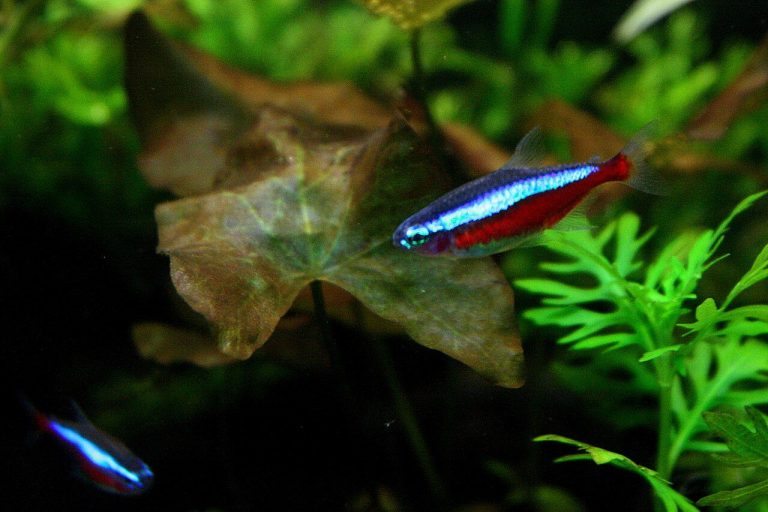
| Neon Tetra | Paracheirodon innesi | 72°F – 78°F | 22°C – 26°C |
| Cardinal Tetra | Paracheirodon axelrodi | 73°F – 81°F | 23°C – 27°C |
| Rummy Nose Tetra | Hemigrammus bleheri | 75°F – 84°F | 24°C – 29°C |
| Black Skirt Tetra | Gymnocorymbus ternetzi | 70°F – 85°F | 21°C – 29°C |
| Glowlight Tetra | Hemigrammus erythrozonus | 74°F – 82°F | 23°C – 28°C |
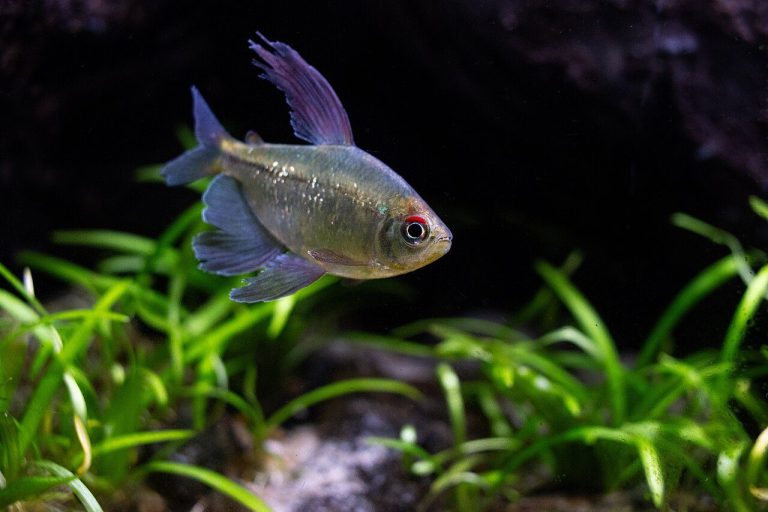
| Emperor Tetra | Nematobrycon palmeri | 72°F – 80°F | 22°C – 27°C |
| Congo Tetra | Phenacogrammus interruptus | 75°F – 80°F | 24°C – 27°C |
When setting up your tetra tank size, always consider the specific needs of the species you plan to keep.
Considerations for Mixed Species Tanks
If you’re planning a community tank with multiple tetra species, you’ll need to find a common temperature range that suits all inhabitants. Often, aiming for the middle ground (e.g., 75-77°F or 24-25°C) will keep most tetras happy. Always research the needs of all species before stocking.
The Dangers of Inconsistent or Extreme Temperatures
Deviation from the ideal tetra temperature range can have severe consequences. Understanding these risks helps you prioritize temperature stability.
Thermal Shock: A Silent Killer
Rapid changes in water temperature, even by a few degrees, can induce thermal shock in fish. This is particularly dangerous during water changes if the new water isn’t properly matched to the tank temperature. Symptoms include erratic swimming, lethargy, and a weakened immune system, often leading to rapid death.
Common Mistake: Not Acclimating Properly
When introducing new fish or performing water changes, a common error is failing to acclimate fish or match water temperatures. Always float new fish bags for at least 15-20 minutes to equalize temperature gradually. For water changes, make sure your replacement water is within 1-2 degrees of your tank’s current temperature.
Compromised Immune System and Disease Outbreaks
As mentioned, stress from incorrect temperatures significantly weakens a fish’s immune system. This makes them highly susceptible to parasites like Ich, bacterial infections, and fungal issues. I’ve often seen Ich outbreaks occur shortly after a heater malfunction or a sudden drop in room temperature.
Stunted Growth and Behavioral Issues
Fish kept in suboptimal temperatures may exhibit stunted growth, lethargy, or abnormal behaviors such as hiding excessively or lack of schooling. Their natural instincts and activity levels are heavily influenced by their environment’s warmth.
Maintaining Stable Temperatures: Equipment and Best Practices
Achieving and maintaining the ideal tetra temperature range requires the right equipment and diligent practices.
Choosing the Right Heater
A reliable submersible heater is indispensable for any heated aquarium. When selecting a heater, a general rule of thumb is to use 3-5 watts per gallon for tanks up to 50 gallons, and 2-3 watts per gallon for larger tanks. It’s often better to have two smaller heaters than one large one, especially for larger tanks, to provide redundancy in case one fails. Look for heaters with adjustable thermostats and clear temperature displays.
Accurate Thermometers are Key
You cannot manage what you don’t measure. Invest in at least one, preferably two, accurate aquarium thermometers. Stick-on liquid crystal thermometers are convenient but often less accurate. Digital thermometers with probes, or traditional glass thermometers, usually provide more precise readings. Place thermometers at opposite ends of the tank to monitor for hot or cold spots.
Environmental Factors and Insulation
The ambient room temperature plays a significant role in your aquarium’s stability. If your room temperature fluctuates wildly, your heater will work harder and may struggle to maintain consistent warmth. Consider insulating your tank, especially the back and sides, with styrofoam or specialized aquarium insulation to minimize heat loss. A sturdy aquarium lid also helps reduce evaporation and heat escape.
Routine Checks and Maintenance
Make checking your thermometer part of your daily routine. Regularly inspect your heater for any signs of damage or malfunction. Calibrate your heater’s thermostat if possible, using an accurate separate thermometer as a reference.
Troubleshooting Temperature Fluctuations
Even with the best equipment, fluctuations can occur. Knowing how to diagnose and address them quickly is key.
Sudden Drops in Temperature
- Heater Failure: Check if the heater’s indicator light is on. If not, unplug and replug it. If it remains off, the heater may have failed and needs replacement.
- Power Outage: During power outages, tanks rapidly lose heat. Insulate the tank, reduce feeding, and consider battery-operated air pumps to maintain surface agitation.
- Room Temperature: A sudden drop in room temperature (e.g., open window, AC unit) can overwhelm your heater.
- Water Changes: Make sure new water is temperature-matched.
Unexplained Temperature Increases
- Heater Malfunction: A heater can sometimes get stuck in the “on” position, leading to overheating. Unplug it immediately.
- High Ambient Temperature: Hot summer days can raise tank temperature. Consider a cooling fan aimed at the water surface or specialized aquarium chillers for extreme cases.
- Equipment Heat: Powerful pumps or lights can contribute to tank heat, especially in smaller, enclosed tanks.
Temperature and Tetra Breeding
For those interested in breeding, precise temperature control becomes even more critical. Many tetra species require specific temperature triggers to induce spawning. For instance, some species, like the Neon Tetra (Paracheirodon innesi), might require a slight temperature drop followed by a gradual increase to simulate natural breeding conditions.
Researching the specific breeding requirements for fish like the Penguin Tetra breeding or other species is vital for success. These conditions often include a specific temperature, pH, and diet to encourage spawning.
FAQ: Your Top Questions About Tetra Temperature Answered
What is the absolute minimum temperature a tetra can tolerate?
While some tetras can briefly tolerate temperatures as low as 68°F (20°C), staying below their ideal range for extended periods will stress them, suppress their immune system, and make them prone to disease. It’s best to avoid pushing these limits.
Can tetras survive without a heater?
Only if your ambient room temperature consistently stays within their best tetra temperature range, typically 72-80°F (22-27°C), both day and night, throughout the year. For most homes, a reliable submersible heater is essential to prevent fluctuations and make sure stability.
How quickly can I change the temperature in my tetra tank?
Temperature changes should be gradual, ideally no more than 1-2°F (0.5-1°C) per hour. Rapid changes can cause thermal shock, which is extremely dangerous for fish. When adjusting a heater, make small increments and monitor closely.
My tetras are active, but the temperature is a bit high. Is that okay?
While increased activity might seem positive, excessively high temperatures can accelerate their ectothermic metabolism, leading to a shorter lifespan, increased stress, and reduced dissolved oxygen. Always aim for the middle of their recommended range.
How often should I check my aquarium temperature?
Ideally, you should check your aquarium temperature daily. This allows you to catch any heater malfunctions or environmental changes before they become critical issues for your fish.
Conclusion: Mastering the Art of Tetra Temperature Management
Mastering the tetra temperature range is a foundational skill for any successful aquarist. It’s not just about picking a number; it’s about understanding the biological needs of your fish, investing in reliable equipment, and maintaining diligent care. If you provide a stable, appropriate thermal environment, you make sure your tetras remain healthy, vivid, and active.
In my experience, consistency is key. Small, regular checks and proactive maintenance go a long way in preventing major issues. Your tetras will reward your efforts with their eye-catching colors and lively behavior, making your aquarium a flourishing display.

- 2003First tank
- 20+Years keeping
- 40+Tanks kept
- 0Sponsored picks
Howard set up his first 10-gallon planted tank in 2003 and lost half of it within six weeks. Two decades and more than forty aquariums later, he writes the guides he wished he had then: clear numbers, the reasons behind them, and what actually goes wrong in home tanks.