Penguin Tetra Breeding – Step-by-Step Guide
Penguin Tetra breeding is highly satisfying, requiring soft, acidic water and a separate spawning tank to protect eggs. By conditioning adults with live foods and providing fine-leaved plants, you can successfully raise these unique, head-standing characins.
Breeding fish is one of the most fulfilling milestones in the aquarium hobby.
When it comes to the Penguin Tetra, scientifically known as Thayeria boehlkei, the process offers a unique window into the life of a distinctive species.
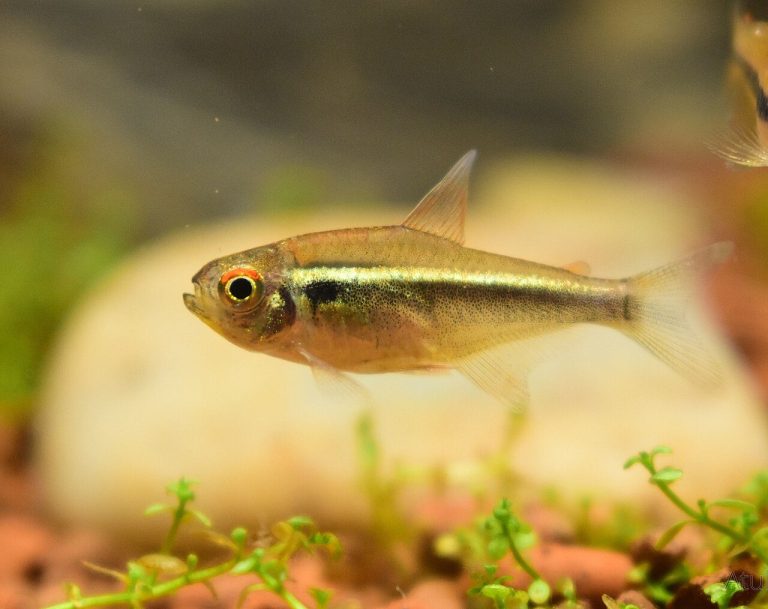
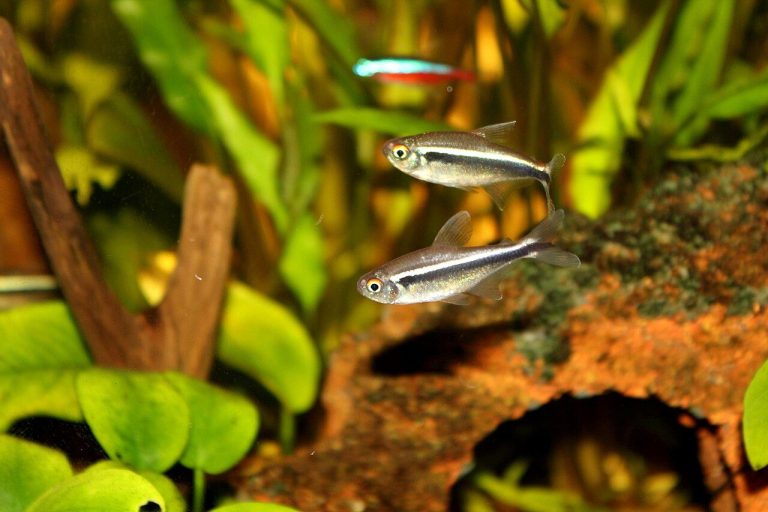
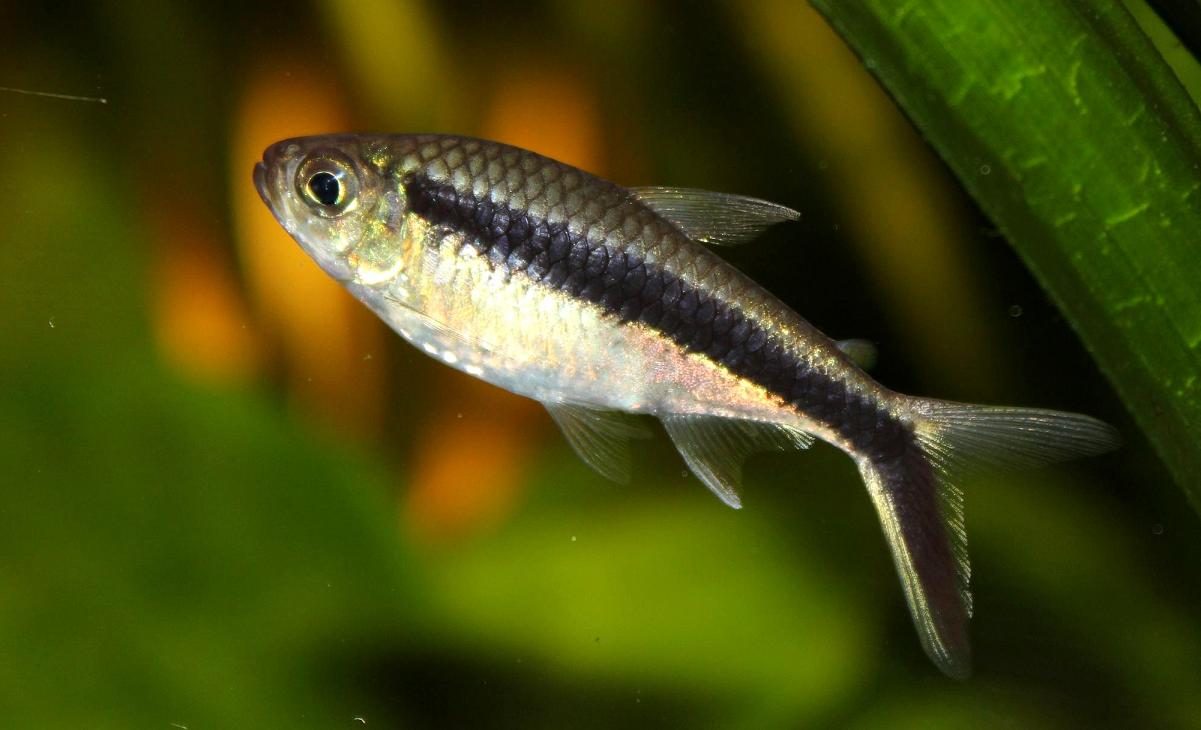
In my experience, these fish are often overlooked in favor of more colorful species, but their “head-up” swimming posture makes them a standout addition to any collection.
At a glance: Penguin tetra (Thayeria boehlkei)
- Temperature
- 72–82°F (22–28°C)
- Water pH
- 6.0–8.0
- Adult size
- 2.5 in (6 cm)
- Minimum tank
- 20 gal
- Group size
- Groups of 6+
- Temperament
- Peaceful, slightly nippy
- Diet
- Omnivore: flakes, small pellets, frozen foods
- Lifespan
- 5 years
Keeper’s tip: They swim at a head-up angle naturally; that tilt is normal and not a swim bladder problem.
Understanding the Basics of Penguin Tetra Breeding
Before you set up a tank, you must understand the nature of the species you are working with.
The Penguin Tetra is a hardy characin from the Amazon basin, known for its striking black stripe that extends into the lower lobe of the tail.
They are categorized as an egg scatterer, meaning they do not provide parental care and will likely eat their own eggs if given the chance.
Successful spawning requires a dedicated approach that mirrors their natural blackwater environment.
This involves manipulating water chemistry and providing the right physical triggers to encourage the female to release her eggs.
I have found that while they aren’t the easiest tetras to breed, they are far from the most difficult if you follow a structured plan.
Pro Tip: Always start with a group of at least 6 to 10 individuals in your main tank. This allows the fish to form natural pairs and reduces the stress on any single female during the conditioning phase.
Preparing the Broodstock: Conditioning for Success
You cannot expect a successful spawn if your fish are not in peak physical condition.
Conditioning involves feeding the prospective parents high-protein, nutrient-dense foods for about two weeks before the planned breeding attempt.
In my early years of fish keeping, I made the mistake of relying solely on flake food, which rarely resulted in viable eggs.
Now, I always prioritize live or frozen foods to trigger the biological drive to reproduce.
The goal is to see the females become noticeably rounded with eggs, while the males become more active and colorful.
You should look for the best fish food for tetras to make sure they are getting the fatty acids necessary for egg production.
| Food Type | Frequency | Benefit |
|---|---|---|
| Live Bloodworms | 3 times per week | High protein for egg development |
| Daphnia | Daily | Acts as a laxative and provides chitin |
| Brine Shrimp | Daily | Excellent overall nutrition and energy |
Setting Up the Dedicated Breeding Tank
While Penguin Tetra breeding can happen in a community tank, the survival rate of the fry will be zero.
A separate 10 to 15-gallon breeding tank is essential to protect the eggs from the hungry parents.
The setup should be simple: a bare-bottom tank makes it easier to clean and observe the eggs.
I prefer using a sponge filter to provide gentle aeration without the risk of sucking up tiny fry.
The lighting should be very dim, as the eggs of many characins are sensitive to light and can easily fungus over if exposed to bright rays.
You can achieve this by using floating plants or simply keeping the aquarium light off and relying on ambient room light.
Water Parameters and Chemistry
Water quality is the single most important factor when trying to induce spawning.
Penguin Tetras require very soft, acidic water to successfully fertilize and hatch their eggs.
I often use peat filtration or add Indian Almond leaves to the water to release humic acid.
This lowers the pH and also provides natural antifungal properties that protect the developing embryos.
If your tap water is naturally hard, you may need to use an RO (Reverse Osmosis) system to achieve the necessary general hardness levels.
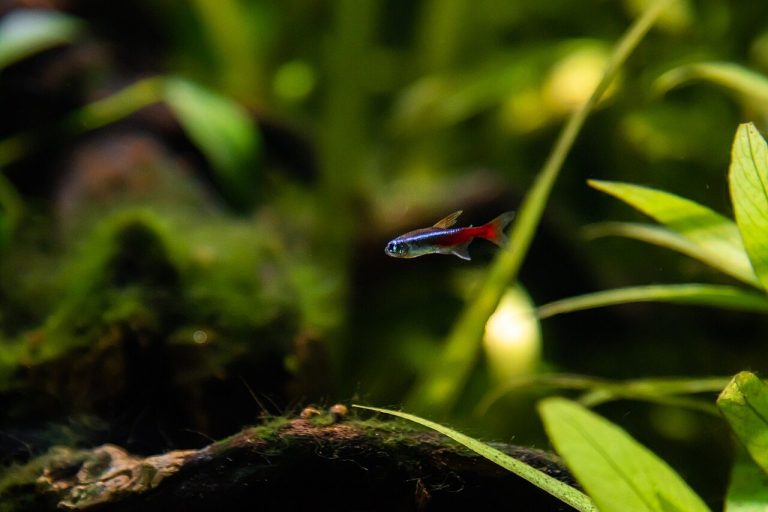
This is a similar requirement to what you might see in neon tetra fish care, where soft water is the key to health.
| Parameter | Ideal Breeding Range |
|---|---|
| Temperature | 77°F – 82°F (25°C – 28°C) |
| pH Value | 5.5 – 6.5 |
| General Hardness (dGH) | 1 – 4 degrees |
Spawning Media and Substrate
Since Thayeria boehlkei scatter their eggs, you need a way to catch them before the parents can turn around and eat them.
I highly recommend using a thick layer of Java Moss, known scientifically as Taxiphyllum barbieri.
The dense fronds of the moss provide a safe landing spot for the eggs and hide them from view.
Alternatively, a spawning mop made of synthetic yarn can be used if you prefer a more sterile and easily removable option.
Some breeders also use a mesh grate at the bottom of the tank, allowing the eggs to fall through where the adults cannot reach them.
In my experience, a combination of moss and a bare floor works best for visibility and maintenance.
Inducing the Spawn: Timing and Technique
Once your breeding tank is ready and your fish are conditioned, it is time to move the best-looking pair into the setup.
I usually move the fish in the evening, just before the lights go out.
The change in environment, combined with the soft water, often triggers spawning by the following morning.
If they do not spawn immediately, I suggest performing a small water change with slightly cooler water.
This mimics the onset of the rainy season in the wild, which is the natural signal for Penguin Tetra breeding.
Keep a close eye on the tank; you will notice the male chasing the female into the plants or mops.
Common Mistake: Leaving the parents in the tank for too long. Once you see the female looking thinner and notice tiny clear beads in the moss, remove the adults immediately. They have no “parental instinct” and will begin hunting for the eggs as soon as the drive to mate subsides.
Egg Care and Hatching
After the parents are removed, the real work begins.
Penguin Tetra eggs are tiny and incredibly fragile.
To prevent the growth of fungus, many experts add a few drops of Methylene blue to the water.
This antifungal agent is a staple in my breeding room, as it significantly increases the hatch rate.
The eggs typically hatch within 24 to 36 hours, depending on the temperature.
At first, you won’t see much movement; the fry will remain attached to surfaces as they absorb their yolk sacs.
During this stage, they do not need to be fed, as they are getting all their nutrition from the yolk.
Raising the Fry: The First Weeks
Once the fry are free-swimming, which usually takes 3 to 4 days, they are exceptionally small.
They are too small to eat crushed flakes or even standard baby brine shrimp.
Your first line of defense is Infusoria, which are microscopic organisms that the fry can easily swallow.
I recommend starting an Infusoria culture a week before you expect the eggs to hatch.
You can also use specialized liquid fry foods, but I’ve found that live cultures lead to much faster growth.
After about 7 to 10 days, the fry should be large enough to handle Artemia nauplii (newly hatched brine shrimp).
Feeding Schedule for Fry
Feeding fry is a delicate balance of providing enough food without fouling the water.
I feed my fry 4 to 6 times a day in very small amounts.
Because the fry are in a small tank with no heavy filtration, leftovers can quickly lead to ammonia spikes.
I use a small airline tube to siphon out waste and uneaten food every single day.
Replacing that water with aged, treated water of the same temperature is vital for their survival.
As they grow, you can gradually introduce them to the different kinds of tetra fish diets, including high-quality powdered foods.
Common Challenges in Penguin Tetra Breeding
Even with the best preparation, you might face some hurdles.
One common issue is the eggs “turning white,” which indicates they are unfertilized or have been attacked by fungus.
This often points to water that is too hard or a pH that is too high.
Another challenge is “belly sliders,” where the fry fail to develop their swim bladders correctly.
This is often caused by poor water quality during the first few days of the free-swimming stage.
I’ve noticed that keeping the water level shallow (about 4-5 inches) during the first week can help fry reach the surface to gulp air and inflate their bladders.
FAQ: Penguin Tetra Breeding
How many eggs do Penguin Tetras lay? A healthy, well-conditioned female can lay anywhere from 100 to 300 eggs in a single spawning event.
Can I breed Penguin Tetras in a community tank? While they may spawn there, the eggs and fry are almost certain to be eaten by other fish or the parents themselves.
How long does it take for fry to reach adult size? With proper feeding and frequent water changes, they can reach a sellable or “adult-looking” size in about 4 to 6 months.
What is the best temperature for hatching eggs? I find that keeping the water at a steady 80°F (26.5°C) provides the best balance between fast hatching and fry health.
Why are my Penguin Tetras not spawning? The most common reasons are improper water chemistry (too hard or alkaline) or the fish not being sufficiently conditioned with live foods.
My final take
Mastering Penguin Tetra breeding is a badge of honor for any freshwater aquarist.
It requires patience, attention to detail, and a willingness to manipulate water chemistry to meet the needs of Thayeria boehlkei.
If you focus on high-quality conditioning, providing the right spawning media like Taxiphyllum barbieri, and maintaining pristine water for the fry, you can witness the full life cycle of these amazing fish.
In my decade of keeping aquariums, I’ve found that the effort put into the breeding tank is always repaid by the sight of a healthy school of home-bred tetras.
Stay diligent with your water changes, keep your live food cultures stable, and you will soon have a flourishing population of Penguin Tetras to enjoy.

- 2003First tank
- 20+Years keeping
- 40+Tanks kept
- 0Sponsored picks
Howard set up his first 10-gallon planted tank in 2003 and lost half of it within six weeks. Two decades and more than forty aquariums later, he writes the guides he wished he had then: clear numbers, the reasons behind them, and what actually goes wrong in home tanks.