Red Minor Tetra – Care
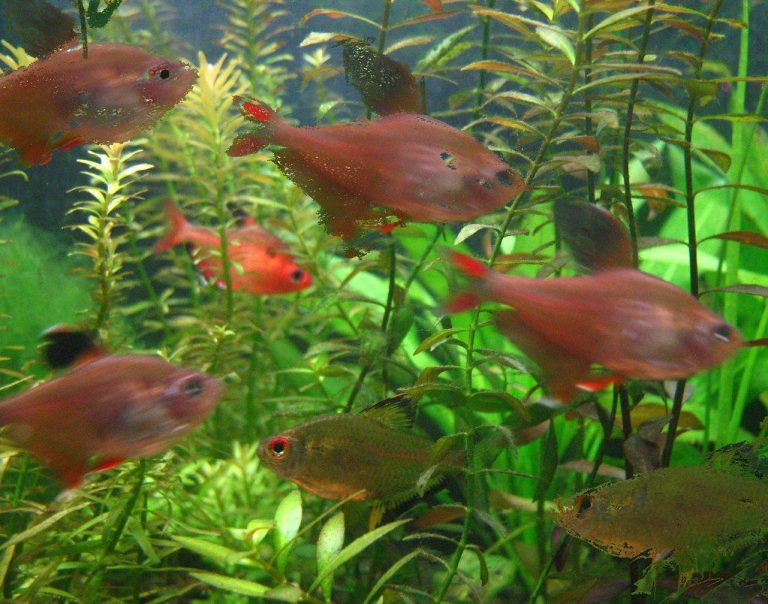
The red minor tetra is a hardy, ruby-colored freshwater fish known for its active shoaling behavior and striking black dorsal fin spot. They settle in in well-planted aquariums with soft water and high-quality flake or live foods.
The red minor tetra, scientifically known as Hyphessobrycon eques, is a staple in the aquarium hobby for a very good reason.
In my experience, few fish can match the sheer intensity of their deep crimson color when they are kept in a healthy, well-balanced environment.
I have spent over a decade watching these lively members of the Characidae family transform standard community tanks into shimmering displays of movement.
When I first started keeping these tetras, I was immediately drawn to their energetic nature and the way they interact with their surroundings.
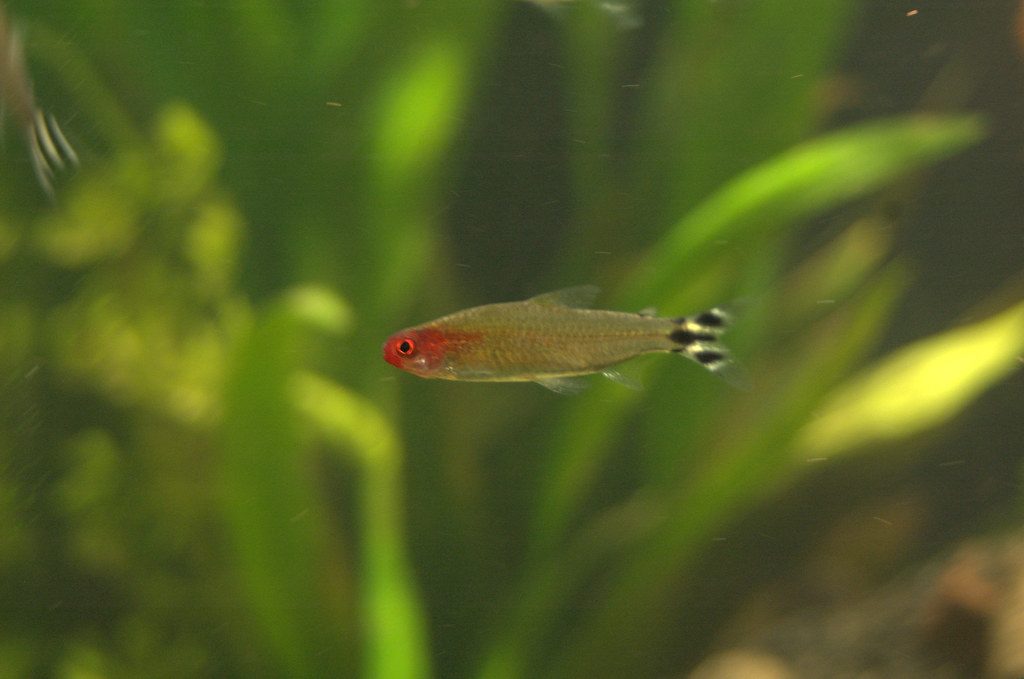
They are often confused with Serpae tetras, and while they share many similarities, the red minor tetra often displays a more consistently deep red hue throughout its body.
Successfully keeping them requires an understanding of their social dynamics and their preference for slightly “stained” water conditions.
At a glance: Tetras (general) (Family Characidae and relatives)
- Temperature
- 72–80°F (22–27°C) for most species
- Water pH
- 6.0–7.5 for most species
- Adult size
- 1–3 in (2.5–8 cm)
- Minimum tank
- 10–30 gal depending on species
- Group size
- Groups of 6–10+
- Temperament
- Mostly peaceful schooling fish
- Diet
- Omnivores: quality flakes or micro pellets plus frozen foods
- Lifespan
- 3–8 years
Keeper’s tip: Schooling size matters more than tank size for most tetras: small groups hide, nip and stress.
Understanding the Appearance of the Red Minor Tetra
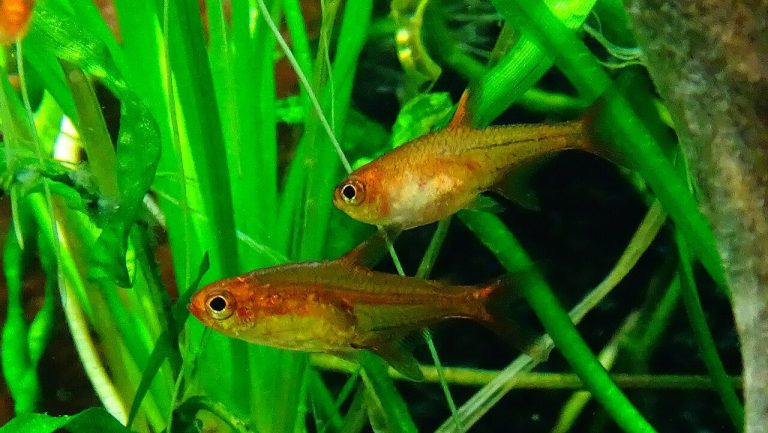
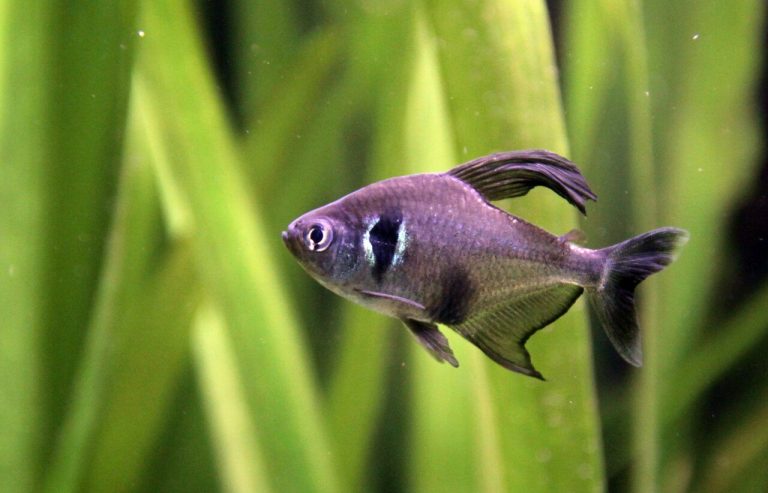
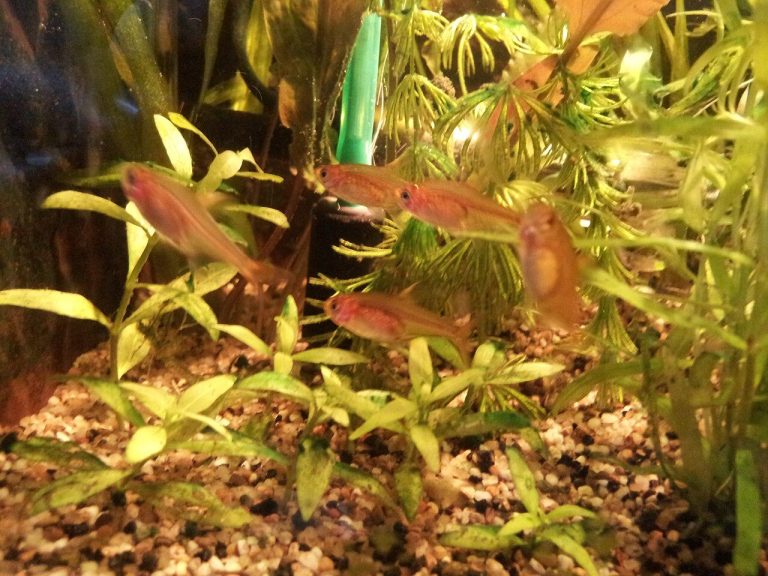
The most defining feature of this species is undoubtedly its rich coloration, which can range from a bright orange-red to a deep, blood-red mahogany.
A prominent, comma-shaped dorsal fin spot is usually present, often edged with a crisp white border that makes it pop against the red.
Their bodies are deep and laterally compressed, a classic shape for many species within the Characidae family.
In my years of observing them, I’ve noticed that their color is a direct reflection of their well-being and diet.
A pale fish is often a sign of stress or poor water quality, while a healthy specimen will look almost like a glowing ember in the water.
They typically grow to a maximum size of about 1.5 to 2 inches, making them an ideal choice for mid-sized setups.
Distinguishing Males from Females
Telling the difference between males and females can be a bit of a challenge for the untrained eye.
Males are generally more slender and possess more intense coloration, especially when they are trying to impress a potential mate.
Females tend to have a rounder, deeper body shape, which becomes particularly obvious when they are carrying eggs.
Pro Tip: To see the most intense colors in your fish, try using a dark substrate like black sand or fluorite. The contrast against the dark floor makes the red pigments appear significantly more saturated and dramatic.
Designing the Perfect Red Minor Tetra Habitat
Creating a home for these fish involves more than just filling a glass box with water.
Because of their active shoaling behavior, they need plenty of horizontal swimming space to dart around and interact.
I always recommend starting with at least a 20-gallon aquarium to allow for a proper group size and stable water conditions.
In the wild, these fish are often found in slow-moving streams and backwaters filled with fallen leaves and submerged roots.
You can replicate this by adding driftwood and dried Indian Almond leaves to the tank.
These organic materials release humic substances, which naturally lower the pH and give the water a slight tea-colored tint that these fish love.
Vegetation and Hiding Spots
While they are active swimmers, they also appreciate dense thickets of plants where they can retreat if they feel threatened.
I’ve found that species like Amazon Swords, Vallisneria, and various Cryptocorynes work exceptionally well.
Floating plants are also a fantastic addition because they dim the light, making the tetras feel more secure and less exposed.
Ideal Water Parameters for Health and Longevity
Maintaining stable water conditions is the cornerstone of successful fish keeping.
The red minor tetra is relatively hardy, but they will stay healthy when kept within their preferred ranges.
They prefer soft, slightly acidic water, which mimics the blackwater environments of South America.
Monitoring your carbonate hardness (KH) is important because it acts as a buffer for your pH levels.
If your tap water is exceptionally hard, you might consider using peat filtration or an RO/DI system to soften it.
Below is a breakdown of the ideal parameters I have used to keep my schools healthy for years:
| Parameter | Ideal Range |
|---|---|
| Temperature | 72°F – 82°F (22°C – 28°C) |
| pH Level | 5.5 – 7.5 (6.5 is right) |
| Water Hardness | 5 – 15 dGH |
| Ammonia / Nitrite | 0 ppm |
| Nitrate | < 20 ppm |
Managing Behavior and Choosing Tank Mates
One of the most frequent questions I get about the red minor tetra concerns their reputation for fin nipping.
It is true that they can be a bit “nippy,” but this behavior is almost always a result of being kept in too small a group.
When kept in a school of at least 8 to 10 individuals, they focus their energy on each other rather than their tank mates.
Establishing a proper hierarchy within the school is vital for their social health.
If you are building a community setup, avoid pairing them with slow-moving fish that have long, flowing fins, such as Angelfish or Bettas.
Instead, opt for fast-moving or strong tank mates that can hold their own.
Top Tank Mate Recommendations
I have had great success keeping them with other active tetras, corydoras catfish, and various rasboras.
Bottom-dwelling fish are usually ignored by the red minors, as they tend to occupy the middle and upper layers of the tank.
For more specific combinations, you can check out a compatibility chart to ensure a peaceful environment.
Pro Tip: If you notice excessive aggression, try increasing the frequency of your feedings or adding more visual barriers like tall plants. Often, “nippiness” is just a sign of boredom or a lack of defined territories within the tank.
Feeding Your Red Minor Tetras for Maximum Color
In the wild, these fish are omnivores, consuming a variety of small insects, crustaceans, and plant matter.
To maintain that eye-catching red color, a varied diet is absolutely essential.
I recommend a high-quality flake or micro-pellet as the daily staple, but you should supplement this with frozen or live foods.
Foods rich in carotenoids will directly boost their red pigmentation.
I’ve found that Daphnia pulex, brine shrimp, and bloodworms are their absolute favorites.
Feeding small amounts two or three times a day is much better than one large feeding, as it keeps their metabolism steady and reduces waste.
Common Health Issues and Prevention
Like many tropical fish, the red minor tetra can be susceptible to common ailments if the water quality dips.
The most frequent issue I see is Ichthyophthirius multifiliis, more commonly known as Ich or white spot disease.
This parasite often appears as tiny white salt-like grains on the body and fins, usually triggered by temperature fluctuations or stress.
Maintaining a consistent temperature and performing regular 25% weekly water changes are your best defenses.
If you do encounter Ich, it can usually be treated by slightly raising the tank temperature and using a copper-based medication or aquarium salt.
Always remember to remove any carbon from your filter during medication, as it will neutralize the treatment.
Breeding the Red Minor Tetra
Breeding these fish is a satisfying challenge for intermediate keepers.
They are egg-scatterers, meaning they do not provide any parental care and will actually eat their own eggs if given the chance.
To succeed, you will need a separate breeding tank with very soft water and a mesh bottom or plenty of fine-leaved plants like Java Moss.
Condition the breeding pair with live foods for a week before moving them to the spawning tank.
Spawning usually occurs in the early morning hours.
Once you see eggs among the plants, remove the adults immediately to improve the survival of the fry.
FAQ
How many red minor tetras should be kept together?
You should keep a minimum of 6 to 8, but 10 or more is much better. Larger groups reduce aggression and make the fish feel much more secure.
Can red minor tetras live with shrimp?
It is risky. While they might not eat adult Amano shrimp, they will almost certainly hunt and eat baby cherry shrimp. If you want to keep them together, help there is a massive amount of moss for the shrimp to hide in.
How long do red minor tetras live?
Looked after properly, a stable diet, and clean water, they typically live between 5 and 7 years. Some hobbyists have even reported them living up to 8 years in exceptional conditions.
Why is my red minor tetra losing its color?
Loss of color is usually a sign of stress. Check your water parameters immediately for ammonia or nitrite spikes. It could also be due to poor nutrition or a lack of hiding spots in the tank.
Putting it all together
The red minor tetra is a fantastic addition to the aquarium, bringing a splash of fiery color and endless activity to any room.
While they have a minor reputation for being nippy, this is easily managed by providing them with a large enough school and a spacious environment.
By mimicking their natural habitat with humic substances and dense planting, you will be rewarded with a healthy, bright school that lives for many years.
In my experience, the biggest factor with Hyphessobrycon eques is consistency.
Keep your water clean, your diet varied, and your school large, and you will see exactly why these fish remain a favorite among aquarists worldwide.

- 2003First tank
- 20+Years keeping
- 40+Tanks kept
- 0Sponsored picks
Howard set up his first 10-gallon planted tank in 2003 and lost half of it within six weeks. Two decades and more than forty aquariums later, he writes the guides he wished he had then: clear numbers, the reasons behind them, and what actually goes wrong in home tanks.