How Long Do Neon Fish Live – Lifespan Facts
In a well-maintained home aquarium, neon fish typically live for 5 to 8 years. With expert care, pristine water chemistry, and a high-quality diet, some individuals can even reach the 10-year mark.
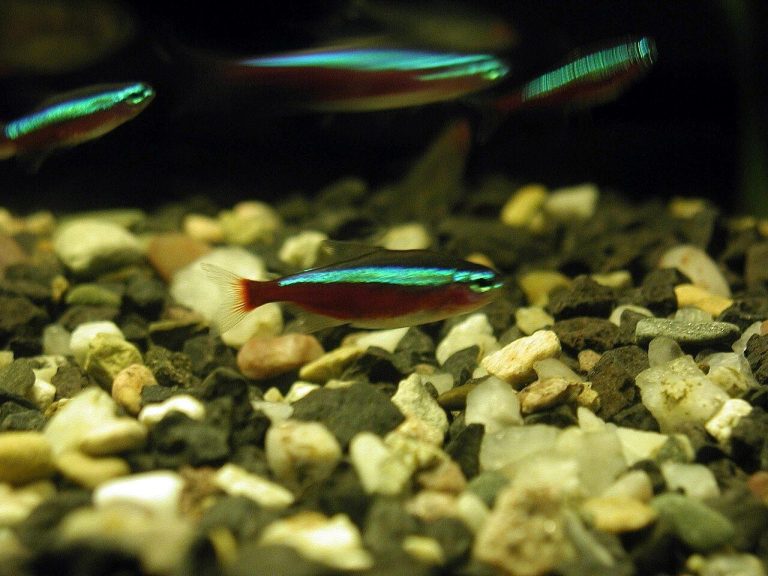
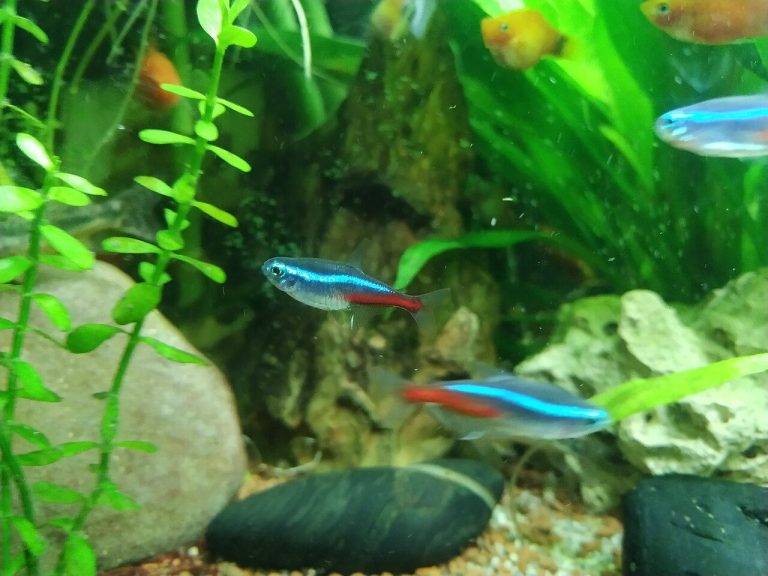
Bringing home a shimmering school of Paracheirodon innesi is one of the most satisfying moments for any fish keeper. I remember my first school of neons over a decade ago; their iridescent blue stripes seemed to light up the entire room.
However, many beginners are often disappointed when their new fish don’t seem to last more than a few months. Understanding how long do neon fish live is the first step in moving from a casual hobbyist to a successful aquarist.
In this guide, I will share the exact strategies I use to help my vivid neon tetras flourish for many years. We will cover everything from water chemistry to disease prevention to help you achieve maximum longevity for your school.
Pro Tip: When buying neons, look for active swimmers with straight spines and clear eyes. If you see even one fish in the store tank with a milky white patch on its back, avoid the entire batch, as this is a primary sign of Pleistophora hyphessobryconis (Neon Tetra Disease).
At a glance: Neon tetra (Paracheirodon innesi)
- Temperature
- 72–78°F (22–26°C)
- Water pH
- 6.0–7.0
- Adult size
- 1.5 in (4 cm)
- Minimum tank
- 10 gal (20 gal for a proper school)
- Group size
- Groups of 8+
- Temperament
- Peaceful
- Diet
- Omnivore: micro pellets, flakes, frozen daphnia
- Lifespan
- 5–8 years
Keeper’s tip: Add neons only to a fully cycled, stable tank; they are among the first fish to suffer from ammonia swings.
Understanding the Natural Lifespan of Neon Tetras
In the wild, the lifespan of a neon tetra is often much shorter than in captivity. They face predators, seasonal changes, and fluctuating food sources in the blackwater streams of South America.
In your home aquarium, you have the power to eliminate these threats. If you provide a stable environment, you can significantly extend their lives beyond what they would experience in nature.
Most hobbyists find that 5 years is the standard average. However, I have seen dedicated keepers maintain healthy schools for nearly a decade by focusing on the fine details of their aquarium setup.
The Impact of Water Quality on Longevity
Water quality is the single most important factor when considering how long do neon fish live. These fish are sensitive to changes in their environment, and poor water parameters lead to chronic stress.
Chronic stress weakens the immune system, making them susceptible to opportunistic pathogens. I have found that keeping nitrates consistently low is the “secret sauce” for a long-lived school.
Nitrate toxicity is a slow killer that many beginners overlook. While a level of 20ppm is often cited as safe, aiming for under 10ppm will yield much better results for these delicate characins.
| Parameter | Ideal Range | Impact on Lifespan |
|---|---|---|
| Temperature | 72°F – 78°F | Stability prevents Ichthyophthirius multifiliis outbreaks. |
| pH Level | 6.0 – 7.0 | Slightly acidic water mimics their natural habitat. |
| Ammonia/Nitrite | 0 ppm | Any presence causes immediate gill damage. |
| Nitrates | < 10 ppm | Low levels reduce long-term physiological stress. |
The Role of Osmoregulation
Neon tetras come from very soft, mineral-poor water. Osmoregulation is the process by which fish maintain the balance of water and salt in their bodies.
When kept in very hard water with high Total Dissolved Solids (TDS), their organs have to work much harder to maintain this balance. Over several years, this extra work can lead to kidney failure and a shortened lifespan.
I always recommend using a mix of RO (Reverse Osmosis) water and tap water if your local supply is excessively hard. This small adjustment can add years to your fish’s life.
Creating a Stress-Free Environment
Stress is a silent contributor to why people ask how long do neon fish live when their fish die early. A neon tetra that feels safe will live much longer than one that is constantly hiding.
These fish are highly social and must be kept in groups of at least 6 to 10. In my experience, a larger school of 15 or more leads to much more natural behavior and reduced aggression within the group.
Providing plenty of live plants and driftwood also helps. Plants like Java Fern and Amazon Swords provide cover, while driftwood releases humic substances that have natural antibacterial properties.
Pro Tip: Consider using peat filtration or adding dried Indian Almond leaves to your tank. The tannins released mimic the “blackwater” conditions of the Amazon, which significantly boosts the immune health of your tetras.
Avoiding Thermal Shock
Neon tetras are very sensitive to sudden temperature swings. Thermal shock can happen during water changes if the new water isn’t matched to the tank’s temperature.
I always use a digital thermometer to ensure the replacement water is within 1 degree of the aquarium water. This prevents the “shivering” or lethargy often seen after a careless water change.
Stable temperatures also help prevent Ichthyophthirius multifiliis (Ich). While Ich is treatable, the stress of the disease and the medication can take a toll on the fish’s long-term vitality.
Nutrition for a Decade of Health
To reach that 8-to-10-year milestone, a diet of generic fish flakes simply won’t cut it. Neon tetras are omnivores that do well on a varied diet rich in proteins and vitamins.
I prefer to rotate between high-quality micro-pellets, frozen bloodworms, and live daphnia. Daphnia is particularly excellent because it acts as a natural laxative, preventing bloating and swim bladder issues.
Avoid overfeeding, as uneaten food quickly decays and spikes your ammonia levels. Feed small amounts that they can consume entirely within two minutes, once or twice a day.
Common Diseases That Shorten Lifespan
If you want to know how long do neon fish live, you must know what usually kills them. Awareness of common ailments allows for early intervention and better survival rates.
The most dreaded is “Neon Tetra Disease,” caused by the microsporidian parasite Pleistophora hyphessobryconis. Unfortunately, there is no known cure for this, so prevention and quarantine are your only defenses.
Another common issue is Columnaris, a bacterial infection that often looks like a fungus. It typically attacks when the fish are stressed by high temperatures or poor water quality.
Identifying Symptoms Early
- Loss of Color: A fading red or blue stripe is often the first sign of stress or illness.
- Separation from School: A healthy neon will almost always stay with its peers.
- Erratic Swimming: This can indicate neurological damage or advanced parasitic infection.
- Lumps or Cysts: Often a sign of the aforementioned Neon Tetra Disease.
Maintaining a proper aquarium setup with strong biological filtration is your best defense against these pathogens. A healthy fish in a clean environment can often fight off minor infections on its own.
Choosing the Right Tank Mates
The longevity of your neon tetras is also determined by who they live with. Stress from aggressive tank mates can lead to fin nipping, injuries, and a shortened life.
Avoid keeping them with large or predatory fish like Angelfish, which may see them as a snack. Instead, look for compatible tank mates that share their peaceful nature and water requirements.
Good options include Corydoras catfish, small Rasboras, and other peaceful tetras. When the environment is peaceful, the neons spend less energy on “flight” and more on maintaining their health.
Quick answers
Can neon tetras live in a 5-gallon tank?
While they can technically survive, I strongly advise against it. Smaller volumes of water are much harder to keep stable, and the lack of swimming space will cause significant stress, shortening their lives.
Why did my neon tetras die after only a week?
This is usually due to “New Tank Syndrome” or improper acclimation. If the biological filter isn’t fully established, ammonia spikes will quickly kill sensitive fish like neons.
Do male or female neon tetras live longer?
There is no significant difference in lifespan between the sexes. However, females may be more prone to becoming “egg-bound” if water conditions aren’t ideal, which can occasionally lead to health complications.
How can I tell if my neon tetra is old?
Older tetras often develop a slight “hump” in their back and may have slightly duller colors. They also tend to be less active during feeding times compared to the younger members of the school.
A closing note
So, how long do neon fish live? While the average is 5 years, your dedication to their care can push that number much higher. If you focus on water stability, low nitrates, and a stress-free environment, you are giving them the best possible life.
I have found that the most successful keepers are those who observe their fish daily. Noticing a subtle change in behavior or color can be the difference between a minor fix and a total loss of the school.
Keep your water soft, your diet varied, and your tank mates peaceful. If you do these things, you will enjoy the striking beauty of your neon tetras for many years to come.

- 2003First tank
- 20+Years keeping
- 40+Tanks kept
- 0Sponsored picks
Howard set up his first 10-gallon planted tank in 2003 and lost half of it within six weeks. Two decades and more than forty aquariums later, he writes the guides he wished he had then: clear numbers, the reasons behind them, and what actually goes wrong in home tanks.