Fish Tank For Neon Tetras – Complete Guide
The ideal fish tank for neon tetras is at least 10 gallons for a school of 6-8 fish, providing ample swimming space and stability. A 20-gallon long tank is even better, especially for larger schools or a mixed-species community aquarium, as it offers more horizontal swimming room.
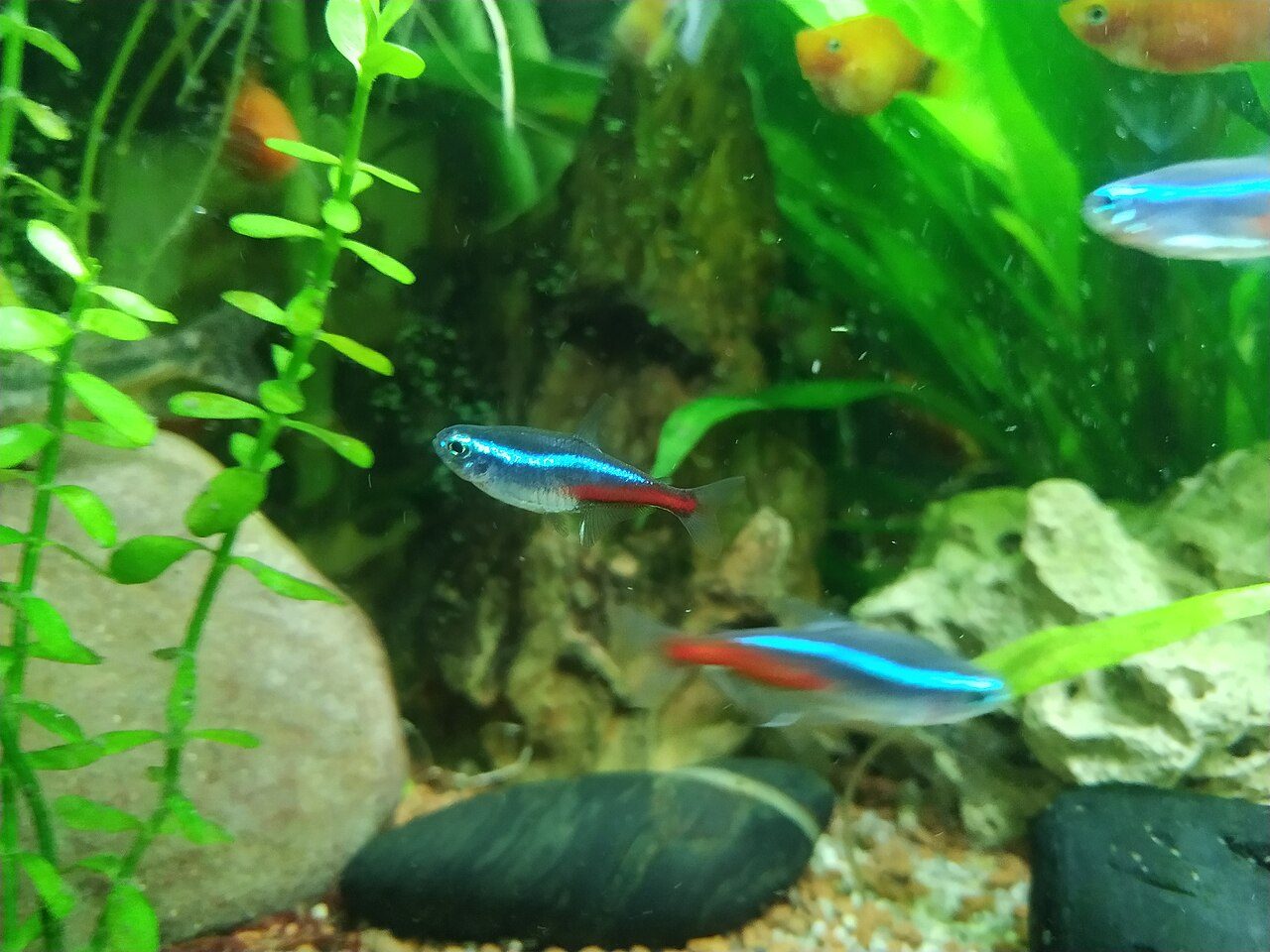
Welcome to “Successful Aquarium,” where we empower hobbyists to create flourishing aquatic environments. Today, we’re diving deep into setting up the perfect habitat for one of the most well-loved freshwater fish: the rich neon tetra (Paracheirodon innesi). These small, iridescent beauties are a staple in many aquariums, known for their peaceful nature and dazzling colors.
However, their delicate nature and schooling instincts mean that selecting and preparing the right fish tank for neon tetras is essential to their long-term health and happiness. It’s not just about tank size; it’s about creating a miniature ecosystem that mimics their natural Amazonian environment. In this comprehensive guide, we’ll cover everything from tank dimensions to essential equipment, water parameters, and even common pitfalls to avoid.
With over a decade of personal experience in the aquarium hobby, I’ve had the pleasure of keeping countless schools of neon tetras. I’ve learned firsthand what makes these fish stay healthy, and I’m excited to share that knowledge with you. Let’s make sure your neon tetras don’t just survive, but sparkle in their new home.
At a glance: Neon tetra (Paracheirodon innesi)
- Temperature
- 72–78°F (22–26°C)
- Water pH
- 6.0–7.0
- Adult size
- 1.5 in (4 cm)
- Minimum tank
- 10 gal (20 gal for a proper school)
- Group size
- Groups of 8+
- Temperament
- Peaceful
- Diet
- Omnivore: micro pellets, flakes, frozen daphnia
- Lifespan
- 5–8 years
Keeper’s tip: Add neons only to a fully cycled, stable tank; they are among the first fish to suffer from ammonia swings.
Choosing the Right Fish Tank for Neon Tetras
The first and most critical decision you’ll make is the size of your aquarium. Neon tetras are small, typically growing to about 1.5 inches (4 cm). However, they are schooling fish, meaning they need to be kept in groups of at least six, preferably ten or more, to feel secure and display their natural behaviors.
A solitary neon tetra, or one kept in too small a group, will become stressed, shy, and prone to illness. This is why the “one inch of fish per gallon” rule often falls short for schooling species. They need horizontal swimming space, not just vertical volume.
For a minimum school of 6-8 neon tetras, a 10-gallon tank is generally considered the smallest acceptable size. This provides enough space for them to school comfortably without feeling overcrowded. However, in my experience, a 15 or 20-gallon tank is significantly better.
A 20-gallon long tank, in particular, offers superior horizontal dimensions compared to a standard 20-gallon high. This extra length is invaluable for active schooling fish like tetras. It also provides greater water volume, which helps maintain stable water parameters, a essential factor for these sensitive fish. If you’re considering a larger tetra tank size, the benefits for stability and fish comfort only increase.
| Tank Size (Gallons) | Minimum School Size | Benefits | Considerations |
|---|---|---|---|
| 10 Gallons | 6-8 Neon Tetras | Small footprint, good for beginners on a budget. | Less stable parameters, limited stocking options, requires diligent maintenance. |
| 15-20 Gallons | 10-15 Neon Tetras | More stable, better swimming space, allows for more tank mates. | Larger footprint, slightly higher cost for equipment. |
| 20 Gallons Long | 15-20 Neon Tetras | Best horizontal swimming space, excellent stability, ideal for community tanks. | Requires a sturdy stand due to weight. |
Aquarium Shape and Material
For neon tetras, a rectangular tank is always preferred over tall, hexagonal, or bow-front tanks of the same volume. The rectangular shape maximizes horizontal swimming area, which is what these fish need. Glass aquariums are durable and scratch-resistant, making them a popular choice.
Acrylic tanks are lighter and less prone to shattering, but they scratch more easily. Whichever material you choose, ensure it has a sturdy lid or hood to prevent fish from jumping out, as tetras can be quite active, especially when startled.
Essential Equipment for Your Neon Tetra Aquarium
Once you’ve selected your tank, equipping it properly is the next step. Each piece of equipment plays a vital role in creating a healthy and stable environment for your neon tetras.
Filtration System
A good filter is non-negotiable. Neon tetras, like most fish, require clean water. I recommend a hang-on-back (HOB) filter or a sponge filter for smaller tanks (10-20 gallons). For larger setups or community tanks, a canister filter offers superior filtration and less frequent maintenance.
Make sure the filter’s flow rate isn’t too strong, as neon tetras prefer relatively calm waters. If the flow is too powerful, you can diffuse it with a spray bar or by positioning decorations. Regular cleaning of your tetra fish filters is essential to maintain water quality.
Heater and Thermometer
Neon tetras are tropical fish and require stable water temperatures between 72-78°F (22-26°C). An adjustable submersible heater is vital for maintaining this range. Always use a reliable thermometer to monitor the water temperature accurately.
Sudden temperature fluctuations can stress your fish and make them susceptible to diseases like Ich (white spot disease). Aim for a heater with a wattage appropriate for your tank size, typically 5 watts per gallon.
Lighting
While neon tetras don’t have specific lighting requirements beyond what’s needed for viewing, appropriate lighting is vital if you plan to keep live plants. Many aquarists find that moderate lighting brings out the neon tetras’ colors best.
Avoid overly bright lights, as these can stress the fish, which naturally inhabit dimly lit, densely vegetated waters in the wild. A timer is an excellent investment to keep a consistent light cycle, typically 8-10 hours a day.
Substrate and Decorations
A dark substrate, such as fine gravel or sand, will help your neon tetras feel more secure and can even bring out their bright coloration. Avoid sharp or abrasive substrates that could injure their delicate fins.
Live plants are highly recommended for a neon tetra tank. They provide hiding spots, reduce stress, help oxygenate the water, and absorb nitrates. Good choices include Java Fern, Anubias, Amazon Sword, and Cryptocoryne species. Driftwood and smooth rocks also make excellent additions, offering more cover and a naturalistic feel.
Pro Tip: The Power of Live Plants
In my early years, I underestimated the impact of live plants. I’ve since learned that densely planted areas are incredibly beneficial for neon tetras. They feel safer, exhibit more natural schooling behaviors, and the plants help maintain stable water parameters by consuming nitrates. Don’t just decorate; build a living environment.
Setting Up Your Neon Tetra Habitat
Setting up your tank properly is a process that requires patience, especially when it comes to cycling. Rushing this stage is one of the most common mistakes new aquarists make.
The Nitrogen Cycle: A Must-Understand
Before any fish enter the tank, it absolutely must be cycled. The nitrogen cycle is the biological process that converts toxic ammonia and nitrite, produced by fish waste and uneaten food, into less harmful nitrates. This cycle is established by beneficial bacteria that colonize your filter media and substrate.
Cycling typically takes 4-6 weeks and involves adding an ammonia source (fish food or pure ammonia) and monitoring water parameters with a test kit until ammonia and nitrite consistently read zero. Skipping this step, or “fish-in cycling,” can be very stressful and often fatal for delicate fish like neon tetras.
Aquascaping for Neon Tetras
When arranging your decorations, aim for a balance of open swimming space and dense planted areas or caves. Neon tetras love to dart through plants and hide when they feel threatened. Create a sense of depth and security. I often place taller plants at the back and sides, with shorter plants and open areas in the front.
Make sure all decorations are aquarium-safe and have no sharp edges. Rinse new substrate thoroughly before adding it to prevent cloudy water. If using driftwood, pre-soak it to leach out tannins that can stain the water, though a slight tea stain can actually be beneficial for blackwater fish like tetras.
Water Parameters and Maintenance for Healthy Neon Tetras
Maintaining stable and appropriate water conditions is arguably the most critical aspect of keeping neon tetras. They are sensitive to fluctuations and poor water quality.
Ideal Water Parameters
Neon tetras originate from soft, acidic blackwater rivers. While captive-bred specimens are more adaptable, replicating these conditions as closely as possible will lead to the healthiest, most colorful fish.
| Parameter | Ideal Range | Notes |
|---|---|---|
| Temperature | 72-78°F (22-26°C) | Stability is key. Avoid sudden drops or spikes. |
| pH | 6.0-7.0 | Slightly acidic is preferred. Consistency is more important than exact value. |
| GH (General Hardness) | 2-10 dGH (35-175 ppm) | Soft to moderately soft water. |
| KH (Carbonate Hardness) | 1-2 dKH (18-36 ppm) | Low KH helps maintain acidic pH. |
| Ammonia (NH3/NH4+) | 0 ppm | Highly toxic. Any detectable amount is dangerous. |
| Nitrite (NO2-) | 0 ppm | Highly toxic. Any detectable amount is dangerous. |
| Nitrate (NO3-) | <20 ppm | Acceptable at low levels. Removed by water changes. |
Regular Water Changes and Testing
Weekly or bi-weekly water changes of 25-30% are essential to dilute nitrates and replenish essential minerals. Always use a good quality water conditioner to neutralize chlorine and chloramines in tap water. Match the temperature of the new water to your tank water to avoid shocking your fish.
Regularly test your water parameters using a liquid test kit. I’ve found that strips can be less accurate over time. Monitoring ammonia, nitrite, and nitrate levels is key, especially in a new or densely stocked fish tank for neon tetras.
Feeding Your Neon Tetras
Neon tetras are omnivores. Feed them a varied diet of high-quality flake food, micro-pellets, and occasional live or frozen foods like brine shrimp or daphnia. Feed small amounts 2-3 times a day, only what they can consume in 2-3 minutes. Overfeeding leads to uneaten food decaying, which spikes ammonia and nitrite levels.
Common Challenges and Troubleshooting
Even with the best intentions, you might encounter some challenges. Being prepared can make all the difference.
Neon Tetra Disease (NTD)
This is a notorious and often fatal parasitic disease specific to tetras, though it can affect other fish. Symptoms include loss of color (especially the neon stripe), cysts, spinal deformities, and erratic swimming. There is no definitive cure, and affected fish should be immediately quarantined or humanely euthanized to prevent spread. Prevention through strict quarantine of new fish and excellent water quality is your best defense.
Ich (White Spot Disease)
Ich is a common parasitic infection appearing as tiny white spots resembling salt grains on the fish’s body and fins. It’s often triggered by stress, sudden temperature changes, or poor water quality. Treatment typically involves slowly raising the tank temperature (if tank mates can tolerate it) to 82-84°F (28-29°C) for several days, coupled with aquarium salt or commercially available Ich medications.
Common Mistake: Rushing New Fish into the Tank
A mistake I made early on was not quarantining new fish. It’s tempting to add those beautiful neons straight into your display tank. However, a separate quarantine tank for 2-4 weeks allows you to observe new arrivals for signs of disease and treat them if necessary, preventing potential outbreaks in your main aquarium. This small step can save your entire tank from devastating illnesses.
Creating a Stable Community Tank
Neon tetras are excellent candidates for a community aquarium, provided their tank mates are carefully chosen. Remember their peaceful nature and small size.
Compatible Tank Mates
When selecting tank mates, look for other peaceful, small to medium-sized fish that prefer similar water parameters. Good options include:
- Other small tetras (e.g., Penguin Tetras, Ember Tetras, Rummy Nose Tetras)
- Corydoras catfish (e.g., Panda Cories, Pygmy Cories)
- Small peaceful rasboras (e.g., Harlequin Rasboras)
- Otocinclus catfish
- Dwarf Gouramis (make sure they are not aggressive)
- Small, peaceful shrimp (e.g., Cherry Shrimp, though neons might snack on shrimplets)
Avoid any fish that are significantly larger or known to be aggressive, fin-nippers, or predatory. This includes larger cichlids, aggressive barbs, or even some angelfish, which, while sometimes compatible, can view small neon tetras as food.
Stocking Density
Even in a community tank, avoid overstocking. Overstocking leads to increased waste, poor water quality, and stress for all inhabitants. Always research the adult size and temperament of any fish you plan to add. A general guideline is to allow at least 1-2 gallons per inch of adult fish, but remember to prioritize schooling needs and swimming space, especially for active fish.
Quick answers About Fish Tank for Neon Tetras
How many neon tetras should be kept together?
You should keep a minimum of 6 neon tetras together, but a school of 10-15 is ideal for them to feel secure, reduce stress, and display their natural schooling behaviors. The larger the school, the more comfortable and rich they will be.
Can neon tetras live in a 5-gallon tank?
No, a 5-gallon tank is too small for neon tetras. While they are small fish, their need to be kept in a school of at least 6-8 requires more swimming space and stable water volume than a 5-gallon tank can provide. A 10-gallon tank is the absolute minimum, with 15-20 gallons being much more suitable.
What temperature is best for neon tetras?
Neon tetras do well in water temperatures between 72-78°F (22-26°C). Consistency within this range is more important than hitting an exact number. Use a reliable aquarium heater and thermometer to maintain stable temperatures.
Do neon tetras need live plants?
While not strictly mandatory for survival, live plants are highly recommended for a neon tetra tank. They provide essential hiding spots, reduce stress, improve natural behaviors, and contribute to better water quality by absorbing nitrates. Dimly lit, densely planted tanks mimic their natural habitat.
How often should I clean a neon tetra tank?
You should perform a partial water change (25-30%) weekly or bi-weekly, depending on your tank’s stocking level and filtration. Clean your filter media every 2-4 weeks (in old tank water) and wipe down the glass as needed. Avoid deep cleaning the entire tank at once, as this can disrupt beneficial bacterial colonies.
Final thoughts
Creating the perfect fish tank for neon tetras is a satisfying endeavor that brings colorful life and natural beauty into your home. Once you understand their specific needs for space, water parameters, and community, you can provide an environment where these striking fish flourish. Patience, attention to detail, and consistent maintenance are the hallmarks of a successful aquarist.
From choosing the right tank size and essential equipment to mastering the nitrogen cycle and selecting compatible tank mates, every step contributes to the well-being of your aquatic companions. With the guidance provided here, you’re well on your way to enjoying a beautiful, healthy, and flourishing neon tetra aquarium.

- 2003First tank
- 20+Years keeping
- 40+Tanks kept
- 0Sponsored picks
Howard set up his first 10-gallon planted tank in 2003 and lost half of it within six weeks. Two decades and more than forty aquariums later, he writes the guides he wished he had then: clear numbers, the reasons behind them, and what actually goes wrong in home tanks.