Aquarium Neon Fish – Care Guide
To successfully maintain aquarium neon fish, provide a 10 to 20-gallon tank with soft, acidic water (pH 6.0-7.0) and temperatures between 72°F and 78°F. Keep them in schools of at least six to keep their health and colorful coloration.
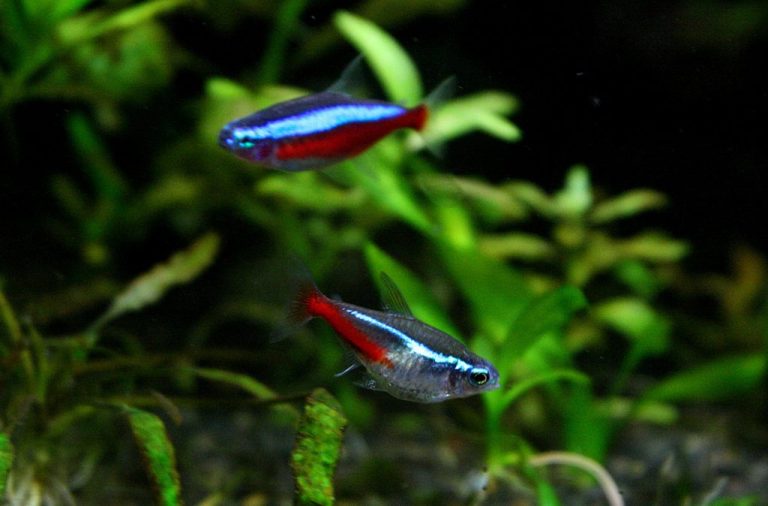
aquarium neon fish have captivated keepers for decades with their shimmering blue and red horizontal stripes.
In my experience of over ten years maintaining community tanks, I have found that these small gems are the perfect addition for both beginners and seasoned pros. They bring a sense of movement and “electric” color that few other species can match.
Scientifically known as Paracheirodon innesi, these fish belong to the Characidae family. While they are small, their impact on the aesthetics of a planted tank is massive.
At a glance: Neon tetra (Paracheirodon innesi)
- Temperature
- 72–78°F (22–26°C)
- Water pH
- 6.0–7.0
- Adult size
- 1.5 in (4 cm)
- Minimum tank
- 10 gal (20 gal for a proper school)
- Group size
- Groups of 8+
- Temperament
- Peaceful
- Diet
- Omnivore: micro pellets, flakes, frozen daphnia
- Lifespan
- 5–8 years
Keeper’s tip: Add neons only to a fully cycled, stable tank; they are among the first fish to suffer from ammonia swings.
Understanding the Biology of aquarium neon fish
Before you bring these fish home, it is essential to understand what makes them unique. They are native to the blackwater streams of the Amazon basin, where the water is stained dark by decaying organic matter.
One distinctive feature of the neon tetra is the presence of a small adipose fin. This is a tiny, fleshy fin located between the dorsal fin and the tail, which is a common trait among many characins.
It is also important to distinguish them from their close relative, Paracheirodon axelrodi, or the Cardinal Tetra. While they look similar, the red stripe on a neon only extends halfway across the body, whereas the Cardinal’s stripe runs the full length.
Pro Tip: When selecting your fish at the store, look for individuals with the brightest colors and active swimming patterns. If you notice any “faded” patches on the skin, it could be an early sign of stress or disease.
Natural Habitat and Behavior
In the wild, these fish handle through dense vegetation and submerged tree roots. This environment provides them with plenty of hiding spots from predators while they hunt for tiny crustaceans and larvae.
Because they are a schooling species, they feel most secure when surrounded by their own kind. A lone neon is a stressed neon, which often leads to a weakened immune system and a dulling of those famous colors.
Setting Up Your Aquarium for Success
Choosing the right environment is the first step toward a stable school. While some sources suggest very small containers, a perfect aquarium dimensions for a school of neons should start at 10 gallons, though 20 gallons is much better for stability.
A larger volume of water helps dilute toxins and provides more swimming room. In a 20-gallon long tank, you can see the natural schooling behavior as they zip from one side to the other.
The substrate should ideally be dark in color. A black sand or fine gravel mimics the riverbeds of South America and also makes the blue iridescent stripe of the aquarium neon fish pop significantly.
| Requirement | Minimum Specification | Ideal Specification |
|---|---|---|
| Tank Size | 10 Gallons | 20 Gallons (Long) |
| Filter Type | Sponge Filter | Hang-on-Back or Canister |
| Lighting | Moderate | Dimmable LED with Plant Growth Spectrum |
Aquascaping and Plants
Plants are not just decorative; they are functional tools for maintaining water quality. Neons love swimming through the leaves of Amazon Swords or hiding under the broad leaves of Anubias.
Floating plants like Frogbit or Salvinia are also highly recommended. These plants help dim the light, which mimics the shaded canopy of the rainforest and makes the fish feel much safer.
Including driftwood is another great way to boost the setup. Driftwood releases humic substances into the water, which provides a natural look and beneficial chemical properties for the fish.
Water Chemistry and Filtration
Maintaining the right water parameters is where many hobbyists struggle. Neons are sensitive to sudden changes in water chemistry, especially when it comes to carbonate hardness and pH levels.
They prefer soft, acidic water, which can be achieved through various methods. One effective technique is using peat filtration or adding Indian Almond leaves to the tank.
These botanical additions release tannic acid, which gradually lowers the pH and gives the water a slight “tea-stained” tint. This “blackwater” effect is incredibly soothing for South American species.
| Parameter | Target Range |
|---|---|
| Temperature | 72°F – 78°F (22°C – 26°C) |
| pH Level | 6.0 – 7.0 |
| General Hardness (GH) | 2 – 10 dGH |
| Ammonia / Nitrite | 0 ppm (Strict) |
The Importance of Stability
While neons can adapt to a range of parameters, they cannot handle fluctuations. I have noticed that most “unexplained” deaths in new schools are due to rapid shifts in temperature or pH during water changes.
Always pre-condition your water and make sure it matches the tank temperature before pouring it in. Slow and steady is the name of the game when it comes to aquarium neon fish care.
Diet and Feeding Requirements
In the wild, neons are omnivores that feed on algae, larvae, and small insects. In the home aquarium, they are generally not picky eaters, but a varied diet is the key to longevity.
High-quality micro-pellets or crushed flakes should form the staple of their diet. Make sure the pieces are small enough for their tiny mouths, as they can sometimes struggle with standard-sized flakes.
I highly recommend supplementing their diet with frozen or live foods. Baby brine shrimp, daphnia, and bloodworms are excellent choices that provide essential proteins and fats.
Pro Tip: Only feed what they can consume in two minutes. Any leftover food will sink to the bottom, rot, and cause a spike in ammonia, which can be lethal to sensitive tetras.
Frequency of Feeding
Feeding small amounts once or twice a day is better than one large feeding. This keeps their metabolism active and prevents the fish from becoming bloated.
If you notice your fish looking particularly round after feeding, you might be overdoing it. A healthy neon should have a sleek, streamlined appearance.
Choosing Compatible Tank Mates
Creating a rich community setup involves more than just picking pretty fish. You must choose species that share similar water requirements and temperaments.
Because neons are small and peaceful, they should never be kept with large or aggressive fish. Anything that can fit a neon in its mouth will eventually try to eat it.
Excellent companions include other small tetras, rasboras, and peaceful bottom-dwellers like Corydoras catfish. They also coexist wonderfully with dwarf shrimp and snails.
| Compatible Tank Mates | Avoid These Fish |
|---|---|
| Harlequin Rasboras | Angelfish (Adults) |
| Panda Corydoras | Large Cichlids |
| Honey Gourami | Tiger Barbs (Nippy) |
| Cherry Shrimp | Goldfish |
Schooling Dynamics
To see the best behavior from your aquarium neon fish, aim for a group of 10 or more. In larger groups, they exhibit a eye-catching “tight” school when they feel a slight threat or during feeding time.
If you have a very large tank, a school of 30 to 50 neons is one of the most striking sights in the hobby. The collective shimmer of their blue stripes is a living work of art.
Common Health Issues and Diseases
Unfortunately, neon tetras are susceptible to a few specific ailments. The most notorious is “Neon Tetra Disease,” caused by the parasite Pleistophora hyphessobryconis.
Symptoms include a loss of color, cyst-like lumps on the body, and difficulty swimming. Unfortunately, there is no known cure for this parasitic infection, so prevention through quarantine is vital.
Another common issue is Columnaris, a bacterial infection that often appears as white, “cottony” patches around the mouth or fins. This is often triggered by poor water quality or high stress levels.
Prevention and Quarantine
The best way to protect your aquarium neon fish is to maintain pristine water conditions. Regular 25% weekly water changes go a long way in preventing bacterial outbreaks.
I always recommend quarantining new fish for at least two weeks before adding them to your main display. This allows you to observe them for any signs of illness without risking your established school.
If you do notice a sick fish, move it to a separate “hospital tank” immediately. Early intervention with salt baths or specific antibacterial medications can sometimes save the individual.
Breeding aquarium neon fish at Home
While most neons in the trade are commercially bred, spawning these tiny fish at home is a satisfying challenge for the advanced keeper.
You will need a dedicated breeding tank with extremely soft water (1-2 dGH) and a low pH (around 5.5 to 6.0). The tank should be dimly lit, as the eggs are light-sensitive.
Using fine-leaved plants like Java Moss or a spawning grid will protect the eggs from the parents. Neons are egg-scatterers and will readily eat their own eggs if given the chance.
Raising the Fry
Once the eggs hatch, the fry are microscopic and require specialized food. Infusoria or “liquid fry food” is necessary for the first few days of their lives.
As they grow, you can transition them to vinegar eels and eventually baby brine shrimp. It takes several weeks for the iconic blue and red stripes to begin appearing on the young fish.
Frequently asked questions
How many neon tetras can I keep in a 10-gallon tank?
In a well-filtered 10-gallon tank, you can safely keep a school of 6 to 8 neons. However, I always recommend a 20-gallon tank if you want to include other species or larger schools.
Why are my neon tetras losing their color at night?
This is a natural phenomenon. Neons “turn off” their colors when they sleep to hide from predators. Their vivid glow should return within a few minutes of the lights being turned back on.
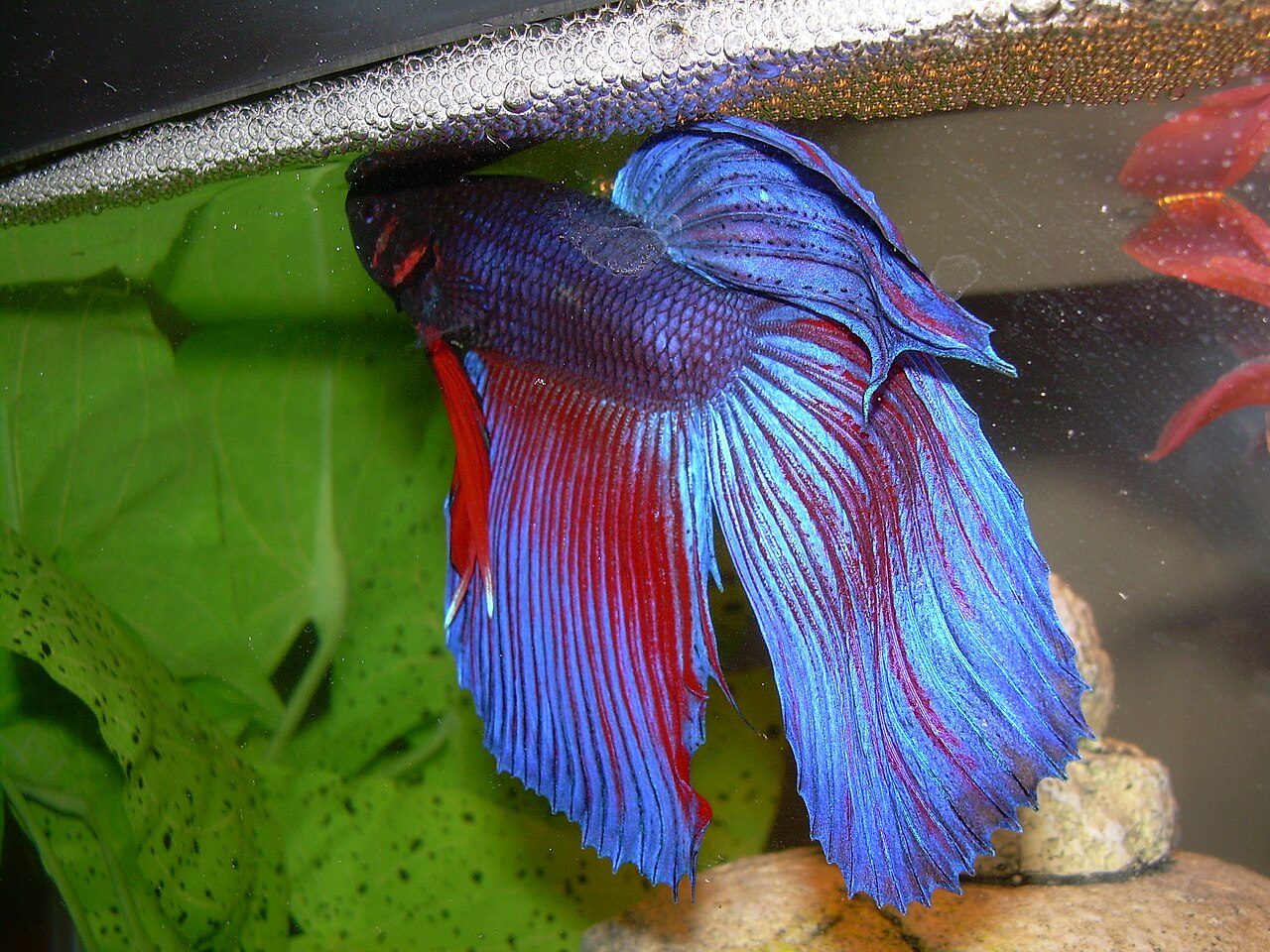
Can neon tetras live with Betta fish?
Yes, they often can, but it depends on the individual Betta’s personality. Ensure the tank is at least 10-15 gallons and has plenty of plants so the neons can stay out of the Betta’s territory.
How long do neon tetras live?
With proper care, stable water parameters, and a high-quality diet, these fish typically live for 3 to 5 years. Some exceptionally well-cared-for individuals have been known to reach 8 years.
Conclusion: Bringing the Amazon to Your Living Room
Keeping aquarium neon fish is a journey that rewards patience and attention to detail. By mimicking their natural environment with soft water, plenty of plants, and a peaceful community, you can enjoy their beauty for years.
Stability is your best friend. Avoid the temptation to overstock or change things too quickly, and your school of neons will remain the glowing centerpiece of your home aquarium.
Whether you are setting up your first tank or adding to a seasoned collection, the neon tetra remains a timeless classic. Their brilliant colors and active nature are sure to bring success and joy to your fish-keeping hobby.

- 2003First tank
- 20+Years keeping
- 40+Tanks kept
- 0Sponsored picks
Howard set up his first 10-gallon planted tank in 2003 and lost half of it within six weeks. Two decades and more than forty aquariums later, he writes the guides he wished he had then: clear numbers, the reasons behind them, and what actually goes wrong in home tanks.