Blue Neon Fish – Care Guide
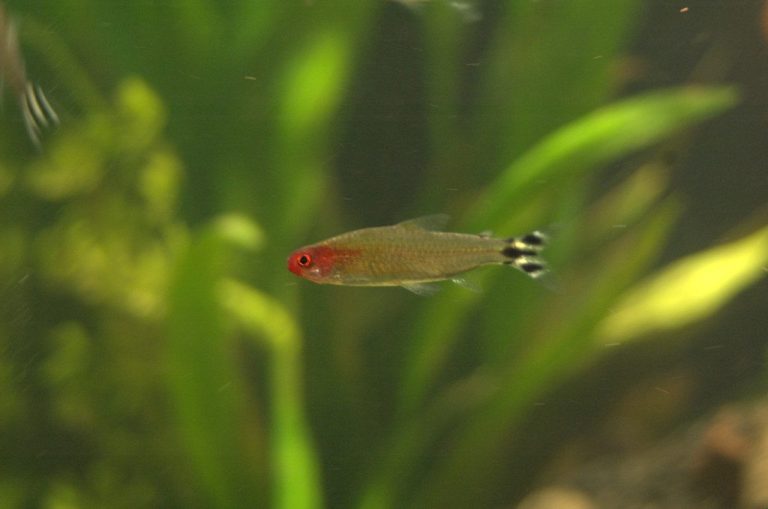
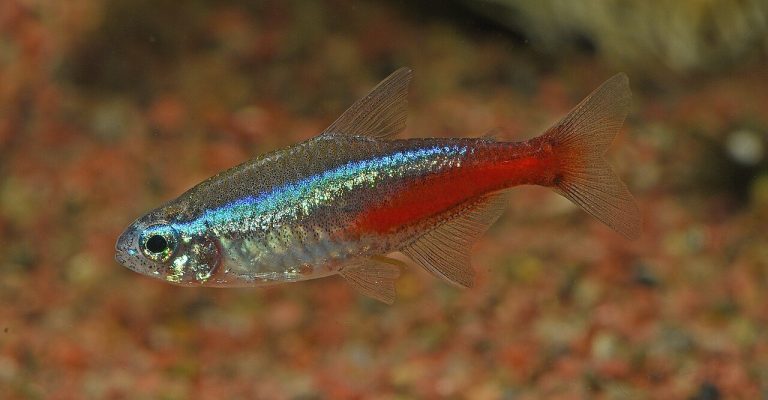
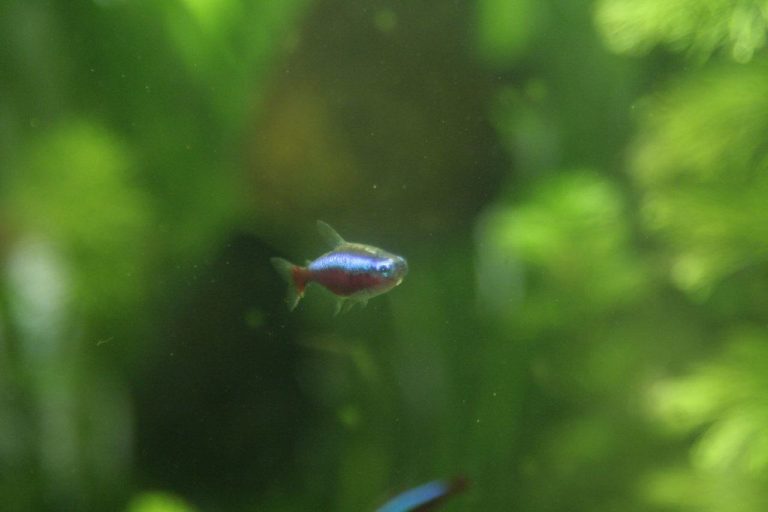
The blue neon fish, scientifically known as Paracheirodon simulans, is a eye-catching nano fish prized for its vivid blue-green lateral stripe and peaceful nature, flourishing best in soft, acidic blackwater environments.
At a glance: Neon tetra (Paracheirodon innesi)
- Temperature
- 72–78°F (22–26°C)
- Water pH
- 6.0–7.0
- Adult size
- 1.5 in (4 cm)
- Minimum tank
- 10 gal (20 gal for a proper school)
- Group size
- Groups of 8+
- Temperament
- Peaceful
- Diet
- Omnivore: micro pellets, flakes, frozen daphnia
- Lifespan
- 5–8 years
Keeper’s tip: Add neons only to a fully cycled, stable tank; they are among the first fish to suffer from ammonia swings.
freshwater aquaria is filled with colorful colors, but few species capture the eye quite like the blue neon fish. Often referred to by hobbyists as the Green Neon Tetra, this species offers a more subtle, ethereal glow than its more famous cousins.
In my experience, these fish are the “hidden gems” of the South American rivers. They provide a level of sophistication to a planted tank that is hard to replicate with other species.
When I first started keeping blue neon fish, I was struck by how their colors shifted depending on the lighting. Under the right spectrum, that lateral line glows with an intense, electric brilliance that seems to light up the dark corners of the tank.
Pro Tip: To see the best colors from your blue neon fish, use a dark substrate and plenty of floating plants. The dimmed lighting encourages them to “turn on” their reflective cells, making that blue-green stripe pop against the shadows.
Understanding the Origins of Paracheirodon simulans
To successfully keep the blue neon fish, we must first look at where they come from. These fish are native to the Rio Negro basin in South America, a region known for its unique water chemistry.
They are typically found in the Igapó, which are seasonally flooded forests where the water is stained the color of tea. This staining is caused by the decomposition of leaf litter, which releases Tannic acid and Humic acid into the water column.
Living in these environments has adapted the blue neon fish to very specific conditions. They prefer water that is extremely soft and acidic, which can sometimes be a challenge for beginners to maintain.
The Science of Their Shine: Iridophores and Anatomy
The most striking feature of the blue neon fish is undoubtedly its glowing stripe. This isn’t bioluminescence, but rather a clever use of light reflection through specialized cells called Iridophores.
These cells contain tiny crystals that reflect light at specific angles. In the wild, this helps the school stay together in the murky, dark waters of the flooded forest.
Physically, they are smaller than the standard Neon Tetra, usually topping out at about 1 inch in length. They also possess a tiny Adipose fin, a common trait among characins that sits between the dorsal fin and the tail.
Creating the Perfect blue neon fish Habitat
Setting up a home for these fish requires a bit more thought than a standard “plug-and-play” aquarium. Because they are so small, they feel most secure in a heavily decorated environment.
I always recommend starting with a high-quality aquarium size that allows for a large school. While they can survive in smaller tanks, a group of 15 to 20 individuals in a 20-gallon long tank is a sight to behold.
The use of driftwood and dried Indian Almond leaves is essential for a blackwater biotope. These elements leach tannins into the water, mimicking their natural home and providing natural antibacterial properties.
Common Mistake: Many keepers try to keep blue neon fish in “liquid rock” (very hard water). While they may survive for a few months, their colors will fade, and their immune systems will eventually weaken.
Ideal Water Parameters for Success
Consistency is the key when dealing with South American tetras. They do not handle sudden swings in pH or temperature well, so a stable environment is your top priority.
I have found that using Peat filtration is an excellent way to naturally lower the pH while adding beneficial organic compounds. This method provides a more gradual change than using liquid pH down products.
Below is a table outlining the ideal ranges for keeping your fish healthy and vivid:
| Parameter | Ideal Range |
|---|---|
| Temperature | 75°F to 82°F (24°C – 28°C) |
| pH Level | 5.0 to 6.5 |
| Water Hardness (dGH) | 1 to 5 degrees |
| Ammonia / Nitrite | 0 ppm (Strict) |
| Nitrate | < 15 ppm |
Diet and Nutritional Requirements
In their natural habitat, blue neon fish are micropredators. They spend their days hunting for tiny crustaceans, insect larvae, and zooplankton among the leaf litter.
In the home aquarium, they are generally not picky eaters, but a varied diet is essential for maintaining those electric colors. I’ve noticed that a diet heavy in live or frozen foods results in much more active spawning behavior.
I recommend a base of high-quality crushed flakes or micro-pellets. Supplement this with baby brine shrimp or daphnia at least three times a week.
Selecting Compatible Tank Mates
Because of their diminutive size and peaceful nature, choosing the right neighbors is critical. They should never be kept with large or aggressive fish that might view them as a snack.
They excel in a community tank filled with other peaceful nano species. Consider companions like Corydoras catfish, Otocinclus, or even small Rasboras.
Shrimp keepers often ask if these fish are safe for their colonies. In my experience, they are much safer than larger tetras, though they may still hunt the smallest shrimplets if they find them in the open.
Health and Disease Prevention
The most feared ailment for any tetra keeper is Neon Tetra Disease, caused by the parasite Plistophora hyphessobryconis. While the blue neon fish is slightly more resistant than the standard Neon, it is not immune.
Symptoms include a loss of color in specific patches, cysts on the body, and a curved spine. Unfortunately, there is no known cure for this parasite, so prevention through strict quarantine is vital.
Always quarantine new arrivals for at least four weeks before adding them to your main display. This allows you to monitor for any signs of stress or illness without risking your entire collection.
Breeding the blue neon fish at Home
Breeding this species is considered a “master level” challenge in the hobby. They require very specific triggers to initiate spawning, primarily focused on water quality and light cycles.
You will need a separate breeding tank with “water of near-zero hardness” and a very low pH. The tank should be kept in total darkness, as their eggs are photosensitive and can be damaged by light.
I have found that a sudden drop in temperature, mimicking a tropical rainstorm, often encourages the fish to spawn. Once the eggs are scattered, the parents must be removed immediately to prevent them from eating the brood.
Maintenance and Long-Term Care
Maintaining a blue neon fish aquarium is all about the “slow and steady” approach. Large, sudden water changes can shock their delicate systems.
I prefer doing smaller, more frequent water changes—about 10-15% twice a week. This keeps the nitrate levels low while making sure the water chemistry remains stable.
Don’t forget to maintain your filtration system. Using a high-quality aquarium filter with adjustable flow is best, as these fish do not enjoy strong currents.
A few common questions
How many blue neon fish should I keep together? You should keep a minimum of 8 to 10 individuals. They are a schooling species and will become very stressed and shy if kept in smaller numbers.
Can they live in tap water? It depends on your local water source. If your tap water is very hard and alkaline, you will likely need to use an RO/DI system to mix it down to a softer consistency.
How long do blue neon fish live? With proper care and stable water parameters, they typically live for 3 to 5 years. Some exceptionally well-maintained specimens have been known to reach 6 years.
Are they the same as Neon Tetras? No, they are a distinct species (Paracheirodon simulans). They are smaller and their blue-green stripe extends all the way to the base of the tail, unlike the standard Neon.
Final Thoughts on the Shimmering Blue Neon
The blue neon fish is more than just a colorful inhabitant; it is a window into the complex ecosystems of the Amazon. By mimicking their blackwater homes, we can enjoy their full brilliance right in our living rooms.
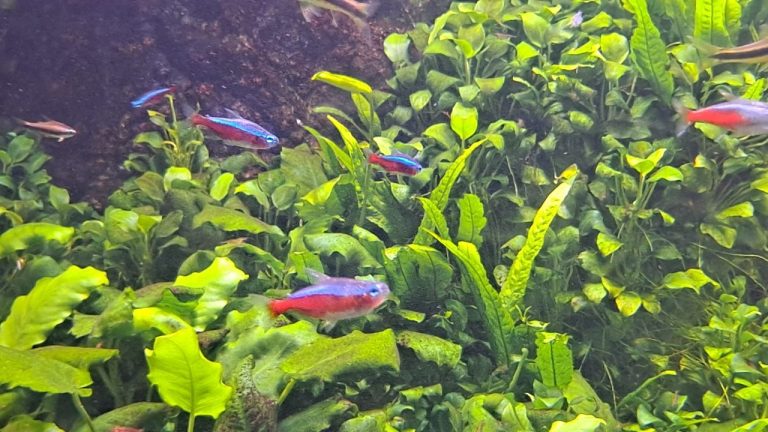
While they require a bit more attention to water chemistry than some of the hardier tetra species, the reward is well worth the effort. There is nothing quite like watching a massive school of these glowing gems handle through a well-grown, green forest of aquatic plants.
They are one of nature’s most spectacular creations.

- 2003First tank
- 20+Years keeping
- 40+Tanks kept
- 0Sponsored picks
Howard set up his first 10-gallon planted tank in 2003 and lost half of it within six weeks. Two decades and more than forty aquariums later, he writes the guides he wished he had then: clear numbers, the reasons behind them, and what actually goes wrong in home tanks.