How Big Do Cardinal Tetras Get – A Complete Guide To Growth And Care
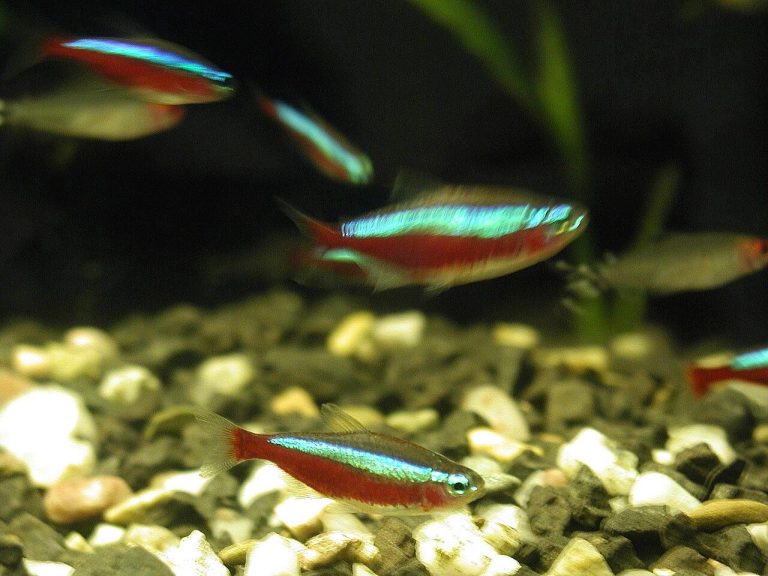
Cardinal tetras typically reach a maximum adult size of 2 inches (5 cm) in length. While most specimens in home aquariums average between 1.5 and 1.75 inches, best care and diet can help them reach their full potential.
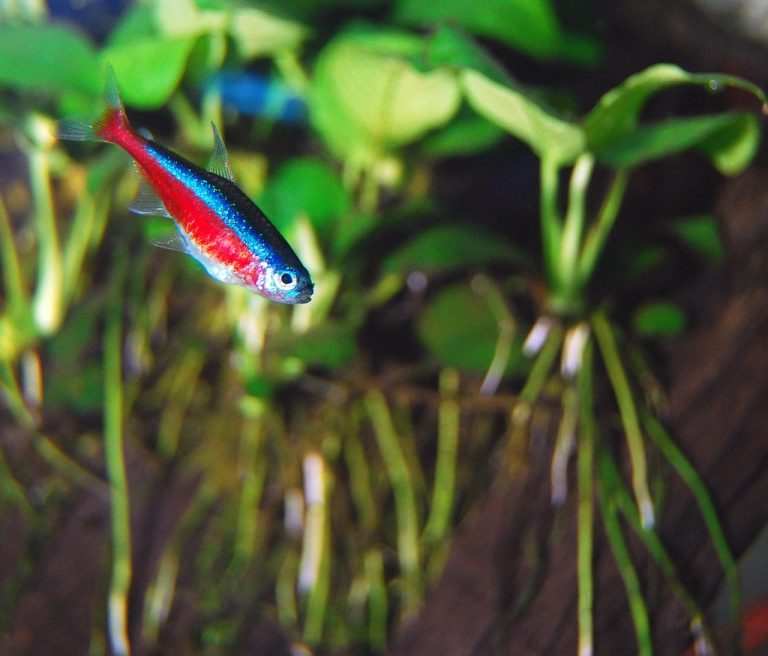
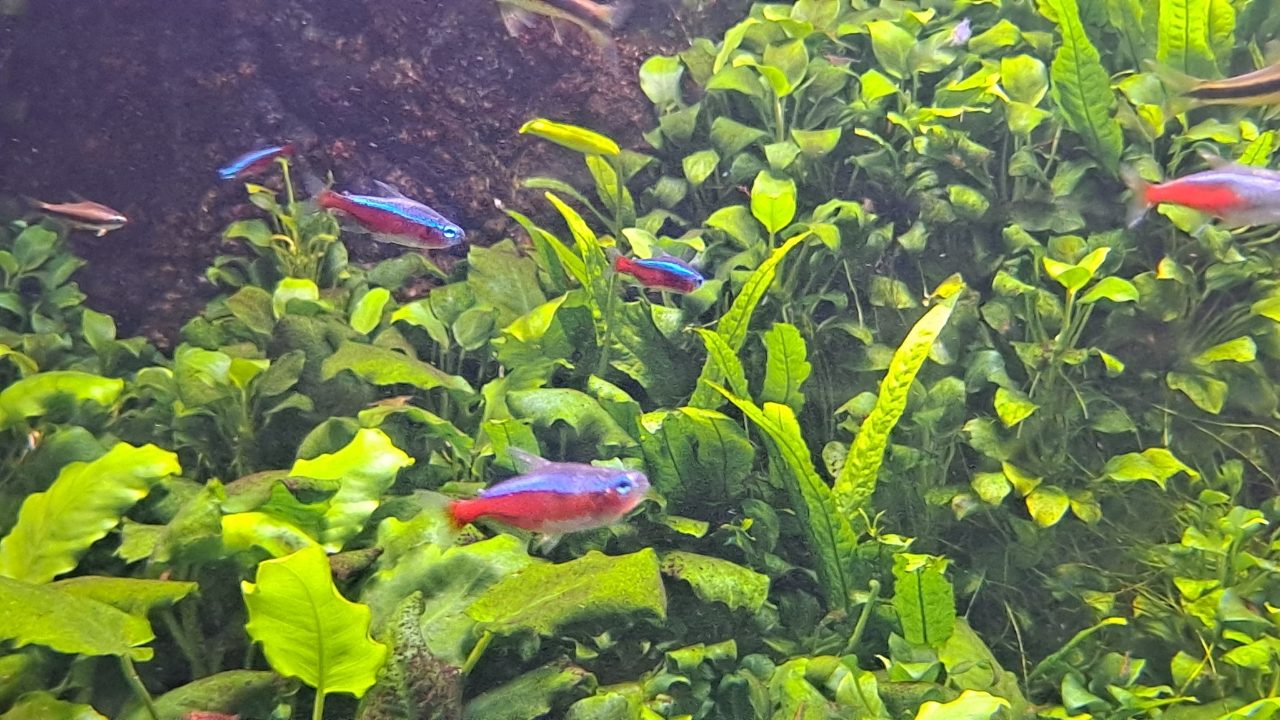
The colorful blue and deep red stripes of the cardinal tetra make it a crown jewel of the freshwater hobby. Over my ten years of maintaining various South American setups, I have found that understanding how big do cardinal tetras get is the first step toward creating a stable community.
These fish are more than just a splash of color; they are a long-term commitment that requires specific environmental conditions. Many beginners mistake them for their smaller cousins, the neon tetras, leading to surprises as the cardinals continue to grow.
In this guide, we will look closely at the biology, habitat, and care requirements that dictate the final size of your school.
At a glance: Cardinal tetra (Paracheirodon axelrodi)
- Temperature
- 76–84°F (24–29°C)
- Water pH
- 4.5–7.0
- Adult size
- 2 in (5 cm)
- Minimum tank
- 20 gal
- Group size
- Groups of 8+
- Temperament
- Peaceful
- Diet
- Omnivore: small pellets, flakes, frozen bloodworm
- Lifespan
- 4–6 years
Keeper’s tip: Cardinals like it warmer and softer than neons, so they are a poor match for cool-water tank mates.
how big do cardinal tetras get in an aquarium?
When discussing the size of the cardinal tetra (Paracheirodon axelrodi), it is important to distinguish between their wild growth and captive growth. In a well-maintained home aquarium, you can expect your cardinals to reach about 2 inches (5 cm).
In my experience, most cardinals you find at a local fish store are juveniles, measuring around 0.75 to 1 inch. It often takes several months of high-quality feeding and stable water parameters for them to reach their full adult standard length.
Standard length refers to the measurement from the tip of the snout to the base of the tail fin. When you include the tail, the total length is slightly longer, often pushing that 2-inch mark in exceptional specimens.
Expert Tip: Don’t be alarmed if your new cardinals look tiny compared to your other fish. They are slow growers, and providing a diet rich in protein during their first six months in your care is important for reaching maximum size.
Size Comparison: Cardinal vs. Neon Tetra
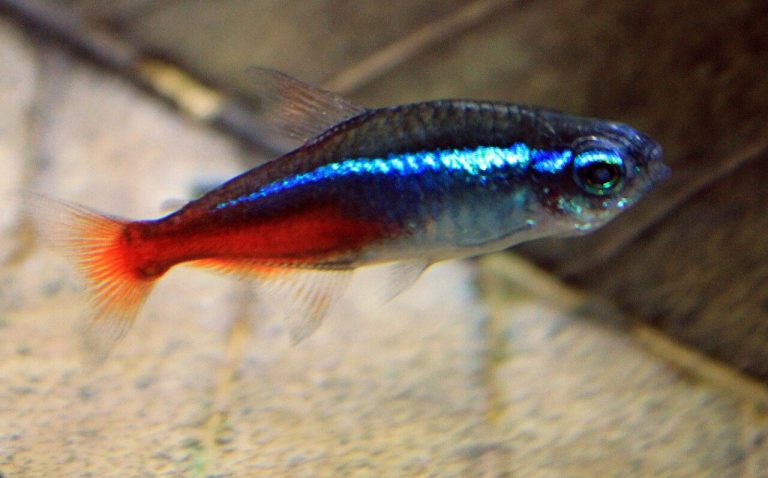
One of the most frequent questions I receive is how to tell these two apart based on size. While they look similar, the cardinal tetra is a member of the Characidae family that grows significantly larger and bulkier than the neon tetra.
The red stripe on a cardinal runs the entire length of its body, whereas the neon’s stripe stops halfway. This extra “meat” on the cardinal’s frame makes them more solid and capable of living in slightly larger community tanks.
| Feature | Cardinal Tetra | Neon Tetra |
|---|---|---|
| Max Adult Size | 2.0 Inches | 1.5 Inches |
| Body Shape | Deep and Strong | Slender and Narrow |
| Red Stripe | Full Length | Half Length |
Factors That Influence Cardinal Tetra Growth
Several factors determine if your fish will hit that 2-inch mark or stay stunted. Water quality, nutrition, and genetics all play a massive role in the development of the Paracheirodon axelrodi.
In the wild, these fish are found in the Rio Negro basin, where the water is soft and acidic. Replicating these conditions is the best way to ensure your fish grow to their maximum potential without stress-related issues.
The Role of Water Chemistry
Cardinal tetras are sensitive to high specific conductance and hard water. In my early years, I noticed that cardinals kept in hard water often remained smaller and had less rich colors than those in soft water.
Using humic substances like Indian almond leaves or peat moss can help simulate a blackwater biotope. These substances release tannins that support the fish’s immune system and encourage healthy growth rates.
Nutrition and Diet
To reach their full size, cardinal tetras need a varied diet that mimics what they eat in nature. They are primarily insectivores, feeding on small crustaceans and insect larvae in the wild.
I highly recommend a mix of high-quality crushed flakes, micro-pellets, and frozen foods like baby brine shrimp or daphnia. Feeding small amounts twice a day is much better than one large feeding, as it keeps their metabolism active.
Does Tank Size Affect How Big Cardinal Tetras Get?
There is a common myth in the hobby that fish only grow to the size of their tank. While a tiny tank won’t physically “squeeze” a fish, it will stunt their growth through poor water quality and chronic stress.
For a school of cardinals to reach their full 2-inch potential, they need swimming space. They are active schoolers and require a horizontal run to exercise their muscles and maintain a healthy body mass.
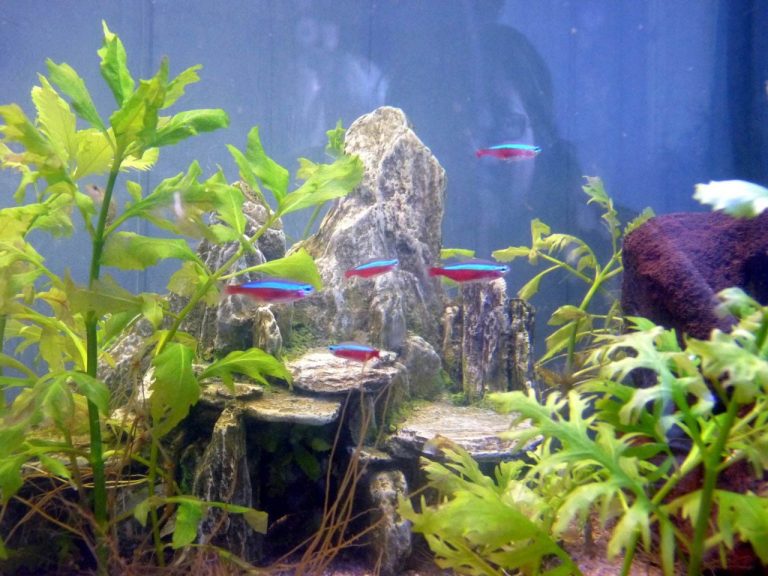
I always suggest starting with a 20-gallon long tank for a school of 10 to 12 cardinals. This provides enough volume to keep parameters stable while giving them the room they need to do well. Choosing a suitable aquarium volume is the foundation of their long-term health.
Cardinal tetras are social creatures that rely on a hierarchy within the school. If the school is too small, individual fish may become stressed or bullied, which diverts energy away from growth and toward survival.
A group of at least 6 to 10 is the bare minimum, but I’ve found that groups of 15 or more exhibit much more natural behavior. In larger groups, they feel secure, eat better, and ultimately grow larger.
Expert Tip: If you notice one or two tetras that are significantly smaller than the rest after six months, check for “alpha” behavior during feeding. Sometimes the most dominant fish will hog the best food, leaving the others slightly smaller.
Understanding Sexual Dimorphism in Cardinals
When you are looking at your school and wondering why some fish are bigger than others, you might be seeing sexual dimorphism. In cardinal tetras, the females are actually the larger of the two sexes.
Females tend to be deeper-bodied and rounder, especially when viewed from above. Males are generally more slender and may appear slightly shorter, though their colors are often just as intense.
Identifying these differences is key if you are interested in distinguishing males from females for potential breeding projects. While breeding them is difficult, seeing a “fat” cardinal is usually a sign of a healthy, egg-carrying female rather than an overweight fish.
Identifying the Adipose Fin
Like many members of the Characidae family, cardinal tetras possess a small, fleshy adipose fin located between the dorsal fin and the tail. While this doesn’t directly affect their length, it is a key anatomical feature to look for.
A healthy, well-developed adipose fin is a sign of a fish that has had a consistent supply of nutrients during its juvenile stages. If this fin appears tattered or missing, it may indicate a history of poor care or nipping from tank mates.
Common Health Issues That Stunt Growth
Disease is one of the primary reasons a cardinal tetra might never reach its full size. One of the most notorious threats is Pleistophora hyphessobryconis, also known as Neon Tetra Disease.
Despite the name, it affects cardinals as well, causing muscle wasting, spinal deformities, and a total halt in growth. Once a fish is infected, it typically stops eating and loses its colorful coloration.
Maintaining a strict quarantine protocol and following proper care routines is the best way to prevent these issues. High water quality acts as a shield, allowing the fish to focus its biological resources on growing rather than fighting off pathogens.
Water Parameters for Right Growth
To help your fish reach that 2-inch mark, you should aim for the following parameters. Consistency is more important than chasing “perfect” numbers, but staying within these ranges will yield the best results.
| Parameter | Ideal Range |
|---|---|
| Temperature | 73°F – 82°F (23°C – 28°C) |
| pH Level | 4.5 – 7.0 |
| Water Hardness (dGH) | 1 – 4 degrees |
| Ammonia / Nitrite | 0 ppm |
The Lifespan of a Cardinal Tetra
The size of your fish is often a reflection of its age. Cardinal tetras are relatively long-lived for small fish, often reaching 3 to 5 years in a home aquarium.
In their first year, you will see the most rapid growth. By the end of year two, they have usually reached their maximum standard length. After this point, they may continue to “fill out” and become deeper in the body, but they won’t necessarily get longer.
I have seen some specimens in expert-level blackwater tanks live up to 7 years. These older fish are impressive, displaying a girth and color intensity that you simply won’t see in younger, store-bought fish.
Frequently asked questions
How big do cardinal tetras get in a 10-gallon tank?
While they may physically reach 1.5 to 2 inches in a 10-gallon tank, the lack of swimming space often leads to stress. This stress can hinder their immune system, making them more susceptible to diseases that stunt growth.
Can cardinal tetras live with larger fish?
Because they only reach 2 inches, they should not be kept with fish large enough to swallow them, such as Oscars or large Angelfish. Always choose tank mates that are peaceful and of a similar size to avoid your cardinals becoming an expensive snack.
Why are my cardinal tetras not growing?
The most common reasons for stunted growth are poor diet, high nitrates, or internal parasites. Ensure you are performing weekly water changes and offering a variety of frozen and dry foods to stimulate growth.
Do cardinal tetras grow faster in warmer water?
Warmer water increases a fish’s metabolism, which can lead to faster growth if they are fed enough. However, this also shortens their lifespan, so it is best to keep them at a steady, moderate temperature around 78°F.
Is a 2-inch cardinal tetra considered “jumbo”?
In the trade, cardinals that reach the full 2-inch mark are often sold as “Jumbo Cardinals.” These are typically older, wild-caught adults that have already reached their maximum biological size.
My final take
Understanding how big do cardinal tetras get is vital for any aquarist looking to master the art of the community tank. These 2-inch wonders are the perfect size for planted aquariums, providing enough presence to be noticed without overwhelming their environment.
If you focus on soft, acidic water and a high-protein diet, you can make sure your Paracheirodon axelrodi school reaches its full potential. Patience is key; these fish grow slowly but reward the dedicated keeper with years of brilliant color.
I hope this guide helps you feel more confident in managing your cardinal tetra school. Whether you are setting up your first 20-gallon or refining a mature blackwater biotope, these fish remain one of the most satisfying species in the hobby.

- 2003First tank
- 20+Years keeping
- 40+Tanks kept
- 0Sponsored picks
Howard set up his first 10-gallon planted tank in 2003 and lost half of it within six weeks. Two decades and more than forty aquariums later, he writes the guides he wished he had then: clear numbers, the reasons behind them, and what actually goes wrong in home tanks.