Will Neon Tetras Eat Shrimp? The Expert Guide To A Thriving
Neon tetras generally will not eat adult dwarf shrimp because they are too large to fit in their mouths. However, these fish are opportunistic predators and will eagerly consume tiny shrimp fry if they are not provided with adequate hiding spots.
One of the most common questions I receive from hobbyists looking to add a splash of color to their tanks is whether these two popular species can coexist. After more than a decade of maintaining various South American and Southeast Asian biotope setups, I can tell you that the answer isn’t a simple “yes” or “no.”
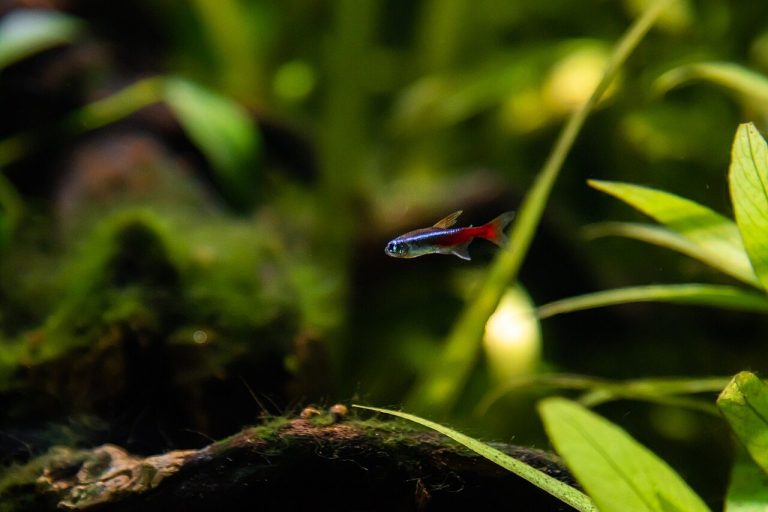
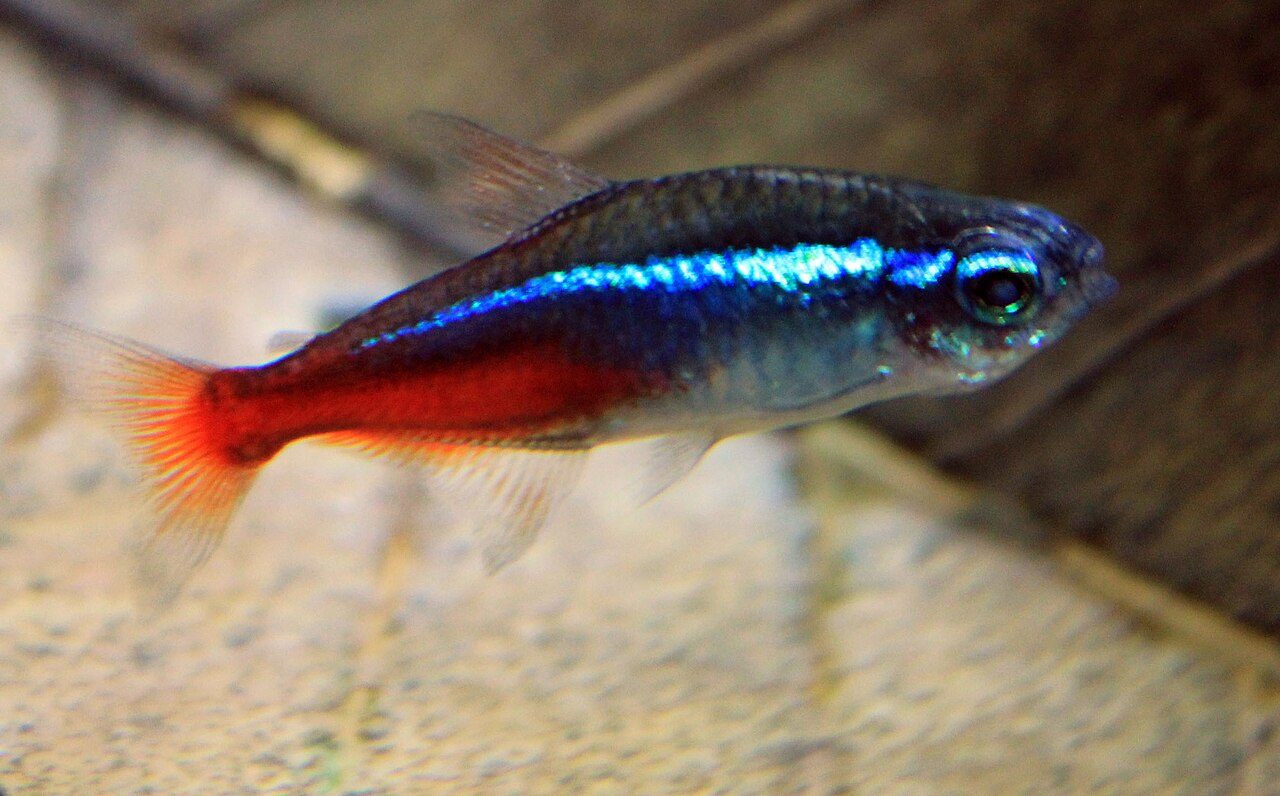
The reality of whether will neon tetras eat shrimp depends heavily on the size of the shrimp, the density of your plants, and the temperament of your specific school of fish. While Paracheirodon innesi (the scientific name for the Neon Tetra) is widely considered a peaceful community fish, they are still biologically driven by the “if it fits in the mouth, it is food” rule.
In this comprehensive guide, I will share my personal experiences and professional observations to help you create a peaceful environment where both your tetras and your shrimp can flourish. We will look closely at predator-prey dynamics, essential water parameters, and the secret to protecting the next generation of your shrimp colony.
At a glance: Neon tetra (Paracheirodon innesi)
- Temperature
- 72–78°F (22–26°C)
- Water pH
- 6.0–7.0
- Adult size
- 1.5 in (4 cm)
- Minimum tank
- 10 gal (20 gal for a proper school)
- Group size
- Groups of 8+
- Temperament
- Peaceful
- Diet
- Omnivore: micro pellets, flakes, frozen daphnia
- Lifespan
- 5–8 years
Keeper’s tip: Add neons only to a fully cycled, stable tank; they are among the first fish to suffer from ammonia swings.
will neon tetras eat shrimp? Understanding the Risks
To understand the relationship between these two species, we have to look at their natural behaviors. Neon tetras are micro-predators in the wild, spending their days foraging for tiny crustaceans, insect larvae, and worms.
When you introduce dwarf shrimp like Neocaridina davidi (Cherry Shrimp) into a vivid neon tetra tank, the fish will naturally investigate these new arrivals. If the shrimp is large enough to be perceived as a neighbor rather than a snack, the tetras will usually lose interest after a few minutes.
However, the risk shifts significantly when we talk about shrimp fry. A newly hatched shrimp is barely the size of a grain of rice, making it the perfect protein-packed snack for a hungry tetra.
Pro Tip: In my experience, the best way to test the “aggression” of your tetras is to feed them right before introducing new shrimp. A well-fed fish is a much more curious and less “munchy” observer than one that hasn’t eaten all day.
The Mouth-Size Rule
The primary factor determining safety is the dwarf shrimp size relative to the tetra’s mouth. Neon tetras have surprisingly small mouths, which limits their ability to harm adult Amano shrimp or even fully grown Cherry shrimp.
If a tetra attempts to nip at an adult shrimp, the shrimp’s quick flick of its tail (the “escape reflex”) is usually more than enough to get it to safety. The danger occurs during the molting process, when the shrimp’s shell is soft and it is physically vulnerable.
Instinct vs. Aggression
It is important to keep in mind that tetras aren’t “mean.” They are simply following millions of years of evolution that tell them small, moving things in the water column are potential food sources.
When a shrimp fry swims out into the open, its jerky movements trigger the tetra’s hunting instinct. This is why you might see a school of tetras hovering around a patch of moss, waiting for a tiny snack to emerge.
Protecting Shrimp Fry from Predation
If your goal is to have a self-sustaining colony of shrimp that breeds regularly, you must acknowledge that some losses are inevitable in a community tank. However, you can minimize these losses by understanding how fry behave.
Shrimp fry are most vulnerable during the first two weeks of their lives. During this time, they spend most of their time biofilm grazing on surfaces like sponge filters, stones, and plant leaves.
If they have to travel across open substrate to find food, they become easy targets. By ensuring food is available exactly where they hide, you reduce their need to venture into the “danger zone” of the mid-water column.
Common Mistake: Many beginners assume that a few plastic plants provide enough cover. In reality, tetras can easily swim through the gaps in plastic decorations; you need dense, natural textures to protect your shrimp.
The Importance of Moss
I have found that Java Moss, Christmas Moss, and Subwassertang are the absolute best tools for any shrimp keeper. These plants create a complex 3D matrix that tetras simply cannot handle.
Within these moss thickets, shrimp fry can find safety and an endless supply of microorganisms to eat. If you provide enough aquatic plant cover, you will likely find that your shrimp population grows even with tetras present.
Comparing Shrimp Species for Neon Tetra Tanks
Not all shrimp are created equal when it comes to living with fish. Some are bold and large, while others are shy and delicate.
Selecting the right species is the first step in keeping a successful community. In the table below, I have compared the most common shrimp species based on their compatibility with Neon Tetras.
| Shrimp Species | Average Size | Risk Level | Best For |
|---|---|---|---|
| Amano Shrimp | 2.0 – 2.5 inches | Very Low | Algae control & beginners |
| Cherry Shrimp (Neocaridina) | 1.0 – 1.5 inches | Moderate (Fry at risk) | Color & breeding |
| Crystal Red (Caridina) | 1.0 – 1.2 inches | High (Delicate) | Experienced keepers |
| Ghost Shrimp | 1.5 – 2.0 inches | Low | Budget-friendly scavenging |
Why Amano Shrimp are the Safest Bet
If you are worried about your tetras attacking your shrimp, start with Amano Shrimp. They are significantly larger than Neocaridina species and are quite “feisty” when it comes to food.
I’ve even seen Amano shrimp steal food directly from the mouths of tetras! Their size alone makes them virtually immune to being eaten by a Neon Tetra.
The Challenge of Caridina cantonensis
Species like Crystal Red or Bee Shrimp (Caridina cantonensis) are much more sensitive to water fluctuations. Because they are often more expensive and delicate, I generally don’t recommend keeping them with tetras unless you have a very large, heavily planted tank.
The stress of being “chased” by a curious fish can sometimes be enough to kill a sensitive Caridina shrimp, even if the fish never actually bites them.
Maintaining Ideal Water Parameters for Both Species
To keep both species healthy, you need to find a “sweet spot” where their requirements overlap. Neon tetras prefer slightly acidic, soft water, while many shrimp need specific minerals for molting.
Getting the General Hardness (GH) and water temperature range right is vital. If the water is too soft, the shrimp cannot form their shells; if it is too hard, the tetras may experience long-term health issues.
| Parameter | Neon Tetra Range | Cherry Shrimp Range | Ideal “Sweet Spot” |
|---|---|---|---|
| Temperature | 70°F – 81°F | 65°F – 78°F | 74°F – 76°F |
| pH Level | 5.0 – 7.0 | 6.5 – 8.0 | 6.8 – 7.0 |
| GH (Hardness) | 2 – 10 dGH | 6 – 12 dGH | 7 – 8 dGH |
When setting up your appropriate aquarium dimensions, keep in mind that stability is more important than hitting a perfect number. Sudden swings in pH or hardness will kill shrimp much faster than a slightly sub-ideal GH level.
I always recommend using a high-quality liquid test kit rather than strips. Strips can be notoriously inaccurate, especially when measuring the subtle mineral levels that shrimp depend on.
Feeding Strategies to Minimize Predation
A hungry fish is a hunting fish. By managing how and when you feed your aquarium inhabitants, you can significantly reduce the likelihood that your tetras will go looking for shrimp.
I prefer to feed my tetras high-quality micro-pellets or crushed flakes that stay in the upper half of the water column. This keeps the fish focused on the surface and away from the substrate where the shrimp reside.
Target Feeding the Shrimp
Shrimp are scavengers, but they benefit greatly from dedicated shrimp pellets. I usually drop these pellets into a specific “feeding dish” or a clear patch of sand at the front of the tank.
Interestingly, if you feed the shrimp at night after the aquarium lights are off, the tetras will be in their “sleep mode” and won’t interfere. Shrimp are highly active at night and will easily find the food using their antennae.
The Role of Variety
Providing a varied diet for your tetras—including frozen daphnia or brine shrimp—satisfies their need for high-protein live prey. When they get their “fix” of small moving organisms from you, they are less likely to spend their energy hunting down your expensive shrimp fry.
Step-by-Step Implementation Guide for a Mixed Tank
If you are ready to combine these species, follow this checklist to help the highest chance of success. I have used this exact method for dozens of building a community setup projects over the years.
Step 1: Prepare the Environment
Before adding any livestock, ensure the tank is mature. A “seasoned” tank has plenty of biofilm and algae for the shrimp to eat.
Plant heavily with various textures. Use tall stem plants in the back for the tetras to swim through and dense mosses or “shrimp caves” on the bottom.
Step 2: Introduce Shrimp First
If possible, add your shrimp colony to the tank 2-4 weeks before the fish. This allows the shrimp to establish their territory, find all the best hiding spots, and feel confident in their environment.
When shrimp are added to a tank that already contains fish, they often go into “survival mode” and hide constantly. If they are the “kings of the castle” first, they will be much more visible and active later on.
Step 3: Monitor Tank Stocking Density
Do not overcrowd the tank. A high tank stocking density leads to increased waste and higher stress levels for all inhabitants.
In a 20-gallon tank, a school of 10-12 Neon Tetras and a colony of 15-20 shrimp is a perfect balance. This gives everyone enough “personal space” to avoid constant confrontation.
Step 4: Use the “Drip Acclimation” Method
Shrimp are incredibly sensitive to changes in water chemistry. Always use a drip line to slowly introduce them to your tank water over the course of 1-2 hours.
Reader questions
Will Neon Tetras eat Ghost Shrimp?
Generally, no. Ghost shrimp are quite large and can be somewhat aggressive themselves. They are usually more than a match for a small Neon Tetra.
Can I keep shrimp and tetras in a 5-gallon tank?
I strongly advise against this. A 5-gallon tank is too small for a school of Neon Tetras to swim comfortably, and the lack of space makes it nearly impossible for shrimp to escape the fish’s attention.
How many hiding spots do I need?
There is no such thing as too many hiding spots. At a minimum, you should have one significant “safe zone” (like a large patch of moss or a pile of cholla wood) for every 5 shrimp in the tank.
Do Neon Tetras eat shrimp eggs?
No, because female shrimp carry their eggs under their tails (this is called being “berried”) until they hatch. The eggs are never left unattended in the tank. The danger only begins once the eggs hatch into free-swimming fry.
Final Thoughts on Keeping Neon Tetras and Shrimp
So, will neon tetras eat shrimp? The answer is that while they usually won’t bother adults, they are almost certain to snack on any fry they can catch.
The what really counts co-habitation lies in the environment you build. If you provide massive amounts of moss, maintaining stable water parameters, and keeping your fish well-fed, you can enjoy the best of both worlds.
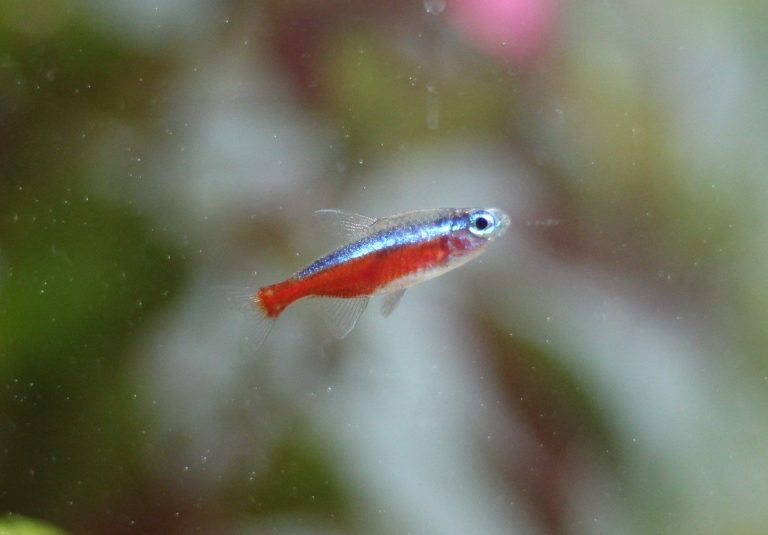
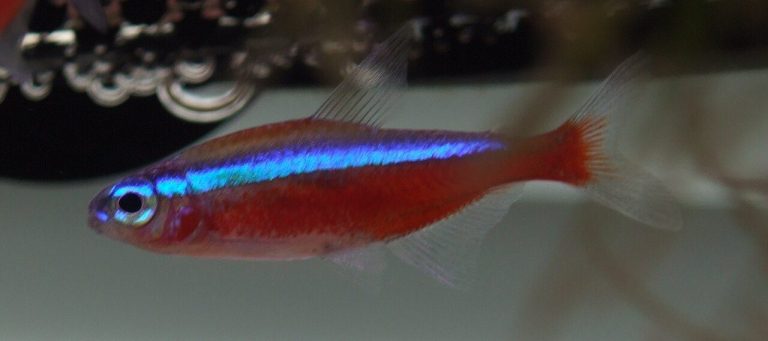
There is nothing quite as beautiful as the shimmering blue and red of a school of tetras swimming above a bright carpet of red cherry shrimp. With a little patience and the right setup, you can successfully maintain this eye-catching aquatic balance in your own home. Strong plants, a bit of planning, and a watchful eye are all you need to turn your aquarium into a well-kept ecosystem.

- 2003First tank
- 20+Years keeping
- 40+Tanks kept
- 0Sponsored picks
Howard set up his first 10-gallon planted tank in 2003 and lost half of it within six weeks. Two decades and more than forty aquariums later, he writes the guides he wished he had then: clear numbers, the reasons behind them, and what actually goes wrong in home tanks.