Buenos Aires Tetra Care Guide – Diet, Tank and Tank Mates
A Buenos Aires Tetra care guide focuses on providing a 30-gallon tank, maintaining a subtropical thermal range (64-82°F), and managing their active shoaling behavior with hardy plants like Anubias to prevent nipping.
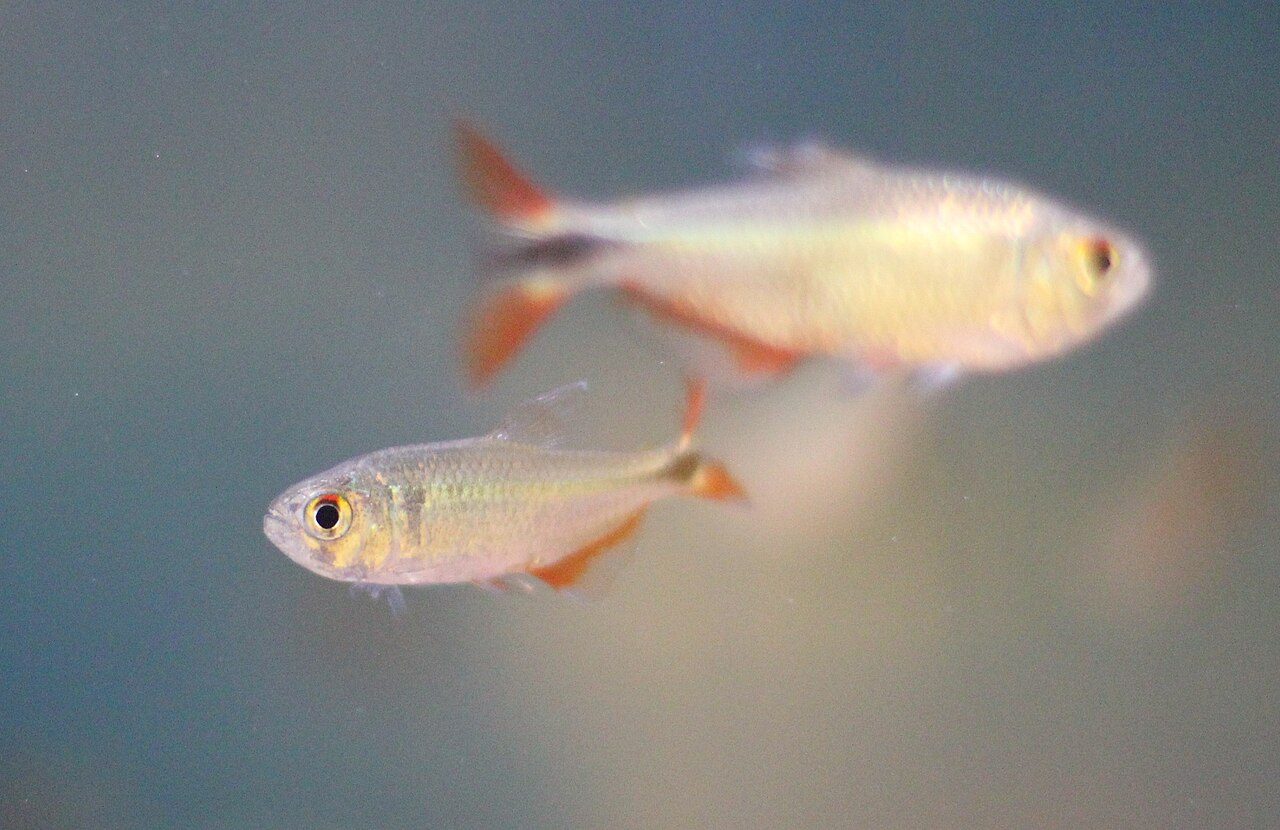
The Buenos Aires Tetra is a classic in the aquarium hobby, known for its shimmering silver body and striking orange-red fins.
In my experience, few fish offer the same level of resilience and activity, making them a top choice for those just starting their journey.
This Buenos Aires Tetra care guide will walk you through everything you need to know to keep these energetic fish flourishing in your home aquarium.
Whether you are looking to add movement to a large community tank or want a hardy species that can handle slight water fluctuations, this fish is a fantastic candidate.
I have kept these beauties for over a decade, and I still find their playful nature and schooling patterns absolutely eye-catching to watch.
At a glance: Buenos Aires tetra (Psalidodon anisitsi)
- Temperature
- 64–82°F (18–28°C)
- Water pH
- 5.8–8.5
- Adult size
- 2.75 in (7 cm)
- Minimum tank
- 30 gal
- Group size
- Groups of 6+
- Temperament
- Boisterous, eats soft plants
- Diet
- Omnivore with a plant appetite: flakes, pellets, blanched greens
- Lifespan
- 5 years
Keeper’s tip: They will strip soft-leaved plants, so use tough species like java fern and anubias.
Understanding the Origins of Hyphessobrycon anisitsi
To care for any fish, we must first look at where they come from in the wild.
The Buenos Aires Tetra, scientifically known as Hyphessobrycon anisitsi, belongs to the diverse Characidae family.
They are native to South America, specifically found in the Paraná River basin and the Uruguay River basin.
These regions are characterized by a subtropical thermal range, which means these fish are more tolerant of cooler temperatures than many other various tetra species.
In their natural habitat, they work through through flowing rivers and slower-moving streams filled with vegetation.
Understanding this background helps us realize why they are so adaptable yet have specific needs when it comes to tank decor.
Pro Tip: Because they come from regions with fluctuating temperatures, these fish are “temperature generalists.” While they can survive in unheated indoor tanks in warmer climates, I’ve noticed they show much better coloration and activity levels when kept at a stable, mid-range temperature.
Essential Water Parameters and Tank Requirements
One of the reasons this fish is so popular is its incredible hardiness.
However, “hardy” does not mean we should ignore their basic environmental needs.
A Buenos Aires Tetra care guide must emphasize that while they are tough, providing ideal conditions will extend their lifespan and boost their colors.
They are an active, fast-swimming species that requires plenty of open space to exercise.
I always recommend a minimum tank size of 30 gallons for a small school.
| Parameter | Ideal Range |
|---|---|
| Temperature | 64°F to 82°F (18°C – 28°C) |
| pH Level | 6.0 to 8.5 |
| Water Hardness (dGH) | 5 to 20 dGH |
| Minimum Tank Size | 30 Gallons (Long preferred) |
Temperature and Stability
As mentioned, their subtropical thermal range is quite broad.
In my early years of fish keeping, I once kept a group in a room that dipped to 65°F during winter nights, and they didn’t miss a beat.
However, for a community setting, keeping the water around 72°F to 75°F is usually the “sweet spot” for most tank mates.
Water Hardness and pH
These fish are not picky about dGH (degrees of General Hardness).
They can stay healthy in soft water or moderately hard water, which makes them ideal for newcomers who may not want to mess with water chemistry too much.
Regular 25% weekly water changes are usually enough to keep the nitrates in check and the fish healthy.
Setting Up the Perfect Buenos Aires Tetra Habitat
Setting up a tank for Hyphessobrycon anisitsi requires a bit of strategy, especially regarding plants.
Unlike many other tetras, these fish have a reputation for being “aquatic lawnmowers.”
If you put soft-leaved plants in their tank, they will likely view them as a delicious salad bar.
The Planting Dilemma
In my experience, if you want a planted look, you must choose your species carefully.
Plants with tough, fibrous leaves are generally safe from their nibbling.
I highly recommend using Anubias barteri and Microsorum pteropus (Java Fern).
These plants are bitter and tough, making them unappealing to the tetras.
You can also use plastic or silk plants if you want to avoid the risk of herbivory entirely.
Substrate and Lighting
A dark substrate, such as black sand or fine gravel, really makes the silver bodies and red fins of these fish pop.
Lighting should be moderate; they don’t need intense light, and having some shaded areas will make them feel more secure.
Floating plants can provide shade, but again, choose hardy ones like Amazon Frogbit, though they may still take a few bites out of the roots.
Filtration and Flow
Since they come from river basins like the Paraná River basin, they enjoy a bit of water movement.
A strong hang-on-back filter or a canister filter will provide the necessary flow and keep the water oxygenated.
Help the intake is covered if you decide to try breeding them later on.
Diet and Nutrition for Vivid Health
The Buenos Aires Tetra is a classic omnivore with a very healthy appetite.
To maintain their rich fin colors, a varied diet is essential.
In the wild, they eat insects, small crustaceans, and plenty of plant matter.
I recommend starting with a high-quality flake or pellet as their staple food.
However, don’t stop there if you want to see them do well.
Live and Frozen Foods
Offering treats like bloodworms, brine shrimp, or daphnia once or twice a week is a great way to provide protein.
I’ve noticed that when I feed frozen foods, the red in their tail and dorsal fins becomes much more intense.
You can find more details on choosing the quality fish food to ensure they get the nutrients they need.
Providing Vegetable Matter
To discourage them from eating your expensive aquarium plants, try feeding them blanched vegetables.
Small pieces of spinach, zucchini, or shelled peas are usually a hit.
Spirulina-based flakes are also an excellent addition to their diet to satisfy their craving for greens.
Pro Tip: If you notice your tetras are relentlessly attacking your Java Ferns, it usually means they aren’t getting enough vegetable matter in their diet. Try increasing the frequency of algae wafers or blanched greens to distract them.
One of the most important aspects of a Buenos Aires Tetra care guide is understanding their social structure.
These fish exhibit strong shoaling behavior, meaning they need to be in a group to feel safe and behave naturally.
I always suggest keeping a group of at least six, though ten or more is even better.
In a large group, their energy is focused on interacting with each other rather than bothering other tank mates.
Managing Nipping and Aggression
When kept in groups that are too small, they can become “nippy.”
They might chase slower-moving fish or those with long, flowing fins.
This is why they are generally not recommended for tanks with Bettas or Fancy Guppies.
Ideal Tank Mates
Because of their size and speed, they do well with other active, solid fish.
Think of larger tetras, danios, or medium-sized barbs.
Bottom dwellers like Corydoras or Bristlenose Plecos are also excellent choices as they occupy different areas of the tank.
Health Challenges and Disease Prevention
Even though they are hardy, no fish is completely immune to illness.
The most common issue I have seen with this species is Ichthyophthirius multifiliis, commonly known as Ich or White Spot Disease.
Recognizing Ich
If you see small white grains on their fins or body, they likely have Ich.
This usually happens after a sudden temperature drop or the introduction of new, unquarantined fish.
Treating Ich early with increased temperature (slowly) and appropriate medication is usually very successful with this species.
Preventing Stress
Stress is the primary precursor to disease.
Keep their water clean, provide plenty of swimming space, and make sure they are in a large enough school.
A stressed Buenos Aires Tetra will often lose its silver sheen and look dull or “clamped.”
Breeding the Buenos Aires Tetra
Breeding these fish is a satisfying experience and is relatively straightforward compared to other tetras.
They are egg scatterers and do not provide any parental care.
In fact, they will eat their own eggs if given the chance.
Setting Up a Spawning Tank
To successfully breed them, you will need a separate 10-gallon spawning tank.
Fill it with soft, slightly acidic water and keep the temperature around 78°F.
Use a mesh bottom or plenty of fine-leaved plants (like Java Moss) to catch the eggs and hide them from the parents.
Conditioning the Parents
Select a healthy pair or a small group with a ratio of two males to one female.
Condition them for a week with high-quality live foods.
The females will become noticeably rounder when they are full of eggs.
Once spawning occurs, usually in the early morning, you must remove the adults immediately.
The fry will hatch in about 24 to 36 hours and will need tiny foods like infusoria or vinegar eels until they are large enough for baby brine shrimp.
Buenos Aires Tetra Care Guide: Frequently Asked Questions
Do Buenos Aires Tetras eat all aquarium plants?
They are notorious for eating soft-leaved plants. While they might leave tough plants like Anubias alone, they will often shred species like Amazon Swords or Valisneria. Providing them with vegetable-based foods can help mitigate this behavior.
Are Buenos Aires Tetras aggressive?
They aren’t “aggressive” in the sense of being territorial, but they are very boisterous. Their high energy and nipping tendencies can stress out shy or slow-moving fish. Always keep them in a school of 6+ to minimize nipping.
How big do Buenos Aires Tetras get?
They typically reach a maximum size of about 2.5 to 3 inches in captivity. Because they are deep-bodied and very active, they feel larger than a Neon Tetra and require significantly more swimming room.
Can they live in a cold water tank?
They are subtropical fish from the Uruguay River basin. While they can handle temperatures in the mid-60s, they are not true “cold-water” fish like goldfish. They settle in best in a tank with a heater set to at least 70°F.
How long do they live?
With proper care, a healthy Buenos Aires Tetra can live for 5 to 6 years. Some hobbyists have reported them living even longer in well-maintained, large aquariums.
Final thoughts
The Buenos Aires Tetra is a rich, energetic, and incredibly resilient addition to the home aquarium.
While their appetite for plants and nippy tendencies require some planning, the payoff is a beautiful, active school that brings life to every corner of the tank.
If you follow this Buenos Aires Tetra care guide, you are setting yourself up for success.
Provide them with plenty of space, a varied diet rich in greens, and a group of their own kind to interact with.
In my years of keeping fish, I’ve found that few things are as satisfying as a shimmering school of these tetras darting through a well-maintained aquarium.
, and I hope you enjoy the lively personality of these South American gems.

- 2003First tank
- 20+Years keeping
- 40+Tanks kept
- 0Sponsored picks
Howard set up his first 10-gallon planted tank in 2003 and lost half of it within six weeks. Two decades and more than forty aquariums later, he writes the guides he wished he had then: clear numbers, the reasons behind them, and what actually goes wrong in home tanks.