Silvertip Tetra Disease / Dying / Stress Signs
Silvertip Tetra stress signs include clamped fins, faded coloration, and gasping at the surface. Rapid deaths often stem from ammonia toxicity, osmotic shock, or bacterial infections like Columnaris, requiring immediate water testing and isolation.
Silvertip Tetras, scientifically known as Hasemania nana, are among the most energetic and hardy fish in the aquarium hobby. However, even these resilient little swimmers can succumb to illness if their environment isn’t maintained correctly.
Recognizing Silvertip Tetra disease / dying / stress signs early is the difference between a healthy community and a devastating loss. In my decade of keeping characins, I have found that these fish are excellent communicators through their behavior and color.
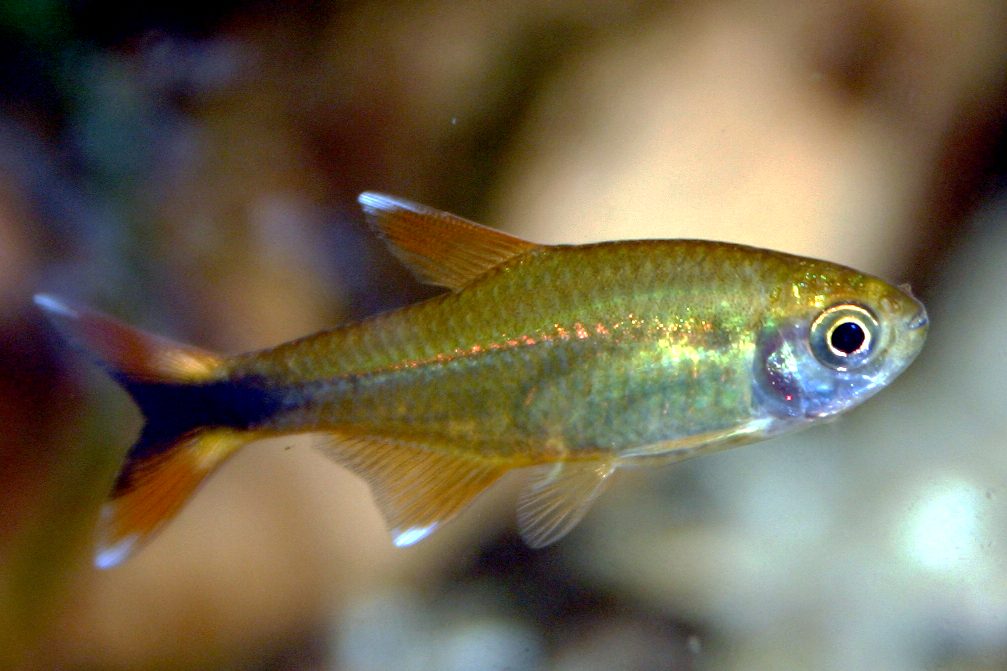
When a Silvertip is healthy, its copper body glows and the white tips on its fins are crisp and bright. If you notice those colors fading or the fish acting lethargic, it is time to take immediate action to investigate the root cause.
At a glance: Silvertip tetra (Hasemania nana)
- Temperature
- 72–82°F (22–28°C)
- Water pH
- 6.0–8.0
- Adult size
- 2 in (5 cm)
- Minimum tank
- 20 gal
- Group size
- Groups of 8+
- Temperament
- Active, can nip fins
- Diet
- Omnivore: flakes, small pellets, frozen foods
- Lifespan
- 3–5 years
Keeper’s tip: A busy, fast swimmer that does best with other quick fish rather than slow long-finned species.
Recognizing Early Stress Signs in Hasemania Nana
Stress is the precursor to almost every major fish disease. In Hasemania nana, stress often manifests as a sudden change in schooling behavior or physical appearance.
One of the most common signs I see is “glass surfing,” where the fish swim rapidly up and down against the aquarium glass. This usually indicates that the fish are unhappy with the water parameters or feel exposed due to a lack of cover.
Physical Indicators of Trouble
Watch for clamped fins, which is when the fish holds its fins tight against its body. This is a universal sign of discomfort in tetras and often points to poor water quality or a fluctuating pH level.
Another clear indicator is the loss of the “silvertips” themselves. If the white distal margins of the fins appear translucent or ragged, the fish may be suffering from fin rot or high stress levels.
Behavioral Changes to Watch For
Healthy Silvertip Tetras are active, sometimes even “nippy,” swimmers. If you notice a fish isolating itself from the school or hiding near the heater, something is wrong.
Gasping at the surface is a critical emergency sign. This typically suggests a low dissolved oxygen saturation or high levels of ammonia affecting their gill function.
Pro Tip: In my experience, Silvertip Tetras are most colorful in the morning after the lights have been on for an hour. If they remain pale throughout the day, it is a definitive sign of chronic stress.
Silvertip Tetra disease / dying / stress signs
Understanding the specific Silvertip Tetra disease / dying / stress signs requires a keen eye for detail. These fish are fast, so you may need to observe them during feeding time to get a good look at their condition.
If you find a fish is suddenly dying without obvious external symptoms, the culprit is often internal. This could range from ammonia toxicity to more complex issues like osmotic shock after a large water change.
Common Causes of Sudden Death
Sudden deaths in a seemingly healthy tank are often linked to a spike in nitrogenous waste. Even a small trace of nitrite can lead to nitrite poisoning, which prevents the fish’s blood from carrying oxygen.
Another factor is temperature shock. Silvertip Tetras prefer stability, and a sudden drop or rise in temperature can compromise their immune systems, leading to rapid decline.
| Symptom | Potential Cause | Urgency Level |
|---|---|---|
| White spots (salt-like) | Ich (Ichthyophthirius multifiliis) | High |
| Frayed fins/White edges | Columnaris or Fin Rot | Moderate/High |
| Bloated belly/Raised scales | Dropsy (Organ failure) | Critical |
| Rapid breathing at surface | Ammonia or Low Oxygen | Emergency |
Infectious Diseases in Silvertip Tetras
Silvertip Tetras are susceptible to several common tropical fish pathogens. Being able to identify these early can save the entire school.
One of the most frequent visitors to a stressed tank is Ichthyophthirius multifiliis, commonly known as Ich. This parasite presents as small white crystals on the body and fins.
Bacterial Infections: Columnaris
Flavobacterium columnare is a particularly nasty bacterium that can wipe out Silvertips quickly. It often looks like a saddle-shaped patch of white or gray fungus near the dorsal fin.
Unlike true fungus, Columnaris is highly contagious and stays healthy in warmer water. If you suspect this, you must treat the entire tank with an appropriate antibiotic.
Fungal and Parasitic Issues
True fungus, such as Saprolegnia, usually appears as cotton-like growths on the body. This is typically a secondary infection that takes hold after the fish has been injured or stressed by poor water quality.
You should also be aware of “Neon Tetra Disease” (Pleistophora hyphessobryconis). While it is named after Neons, it can affect Silvertips, causing muscle whitening and curved spines. There is no known cure for this, so removal of the affected fish is vital.
Water Quality: The Silent Killer
In my years of consulting for new hobbyists, I’ve noticed that 90% of Silvertip Tetra disease / dying / stress signs are caused by water chemistry issues. These fish need clean, stable water to maintain their slime coat.
High ammonia or nitrite levels are toxic. They burn the gills and skin, leading to secondary infections that wouldn’t normally affect a healthy fish.
The Danger of Osmotic Shock
Osmotic shock occurs when a fish is moved too quickly between waters with different mineral concentrations. This often happens when bringing new fish home from the store.
If you don’t drip-acclimate your Silvertips, their internal organs struggle to balance the salt and water in their cells. This can lead to death within 24 to 48 hours.
Ideal Parameters for Silvertip Tetras
To keep your school healthy, you should aim for the following water parameters. Consistency is more important than hitting a specific number perfectly.
| Parameter | Ideal Range |
|---|---|
| Temperature | 72°F – 82°F (22°C – 28°C) |
| pH Level | 6.0 – 7.5 |
| Ammonia / Nitrite | 0 ppm (Strictly) |
| Nitrate | < 20 ppm |
Environmental Stress and Tank Mates
Sometimes the issue isn’t biological, but social. Silvertip Tetras are known for being high-energy and occasionally semi-aggressive toward slower tank mates.
However, if they are kept in a tank that is too small or with aggressive predators, they will become the victims of stress. This constant state of “fight or flight” suppresses their immune system.
Choosing Compatible Tank Mates
When considering keeping these tetras with a betta, you must make sure the tank is large enough. A cramped environment leads to nipping and stress for both species.
I always recommend keeping Silvertips in a group of at least 6 to 10. In smaller groups, the dominant fish may harass the weaker ones to the point of exhaustion and death.
The Role of Tank Decor
Silvertip Tetras come from blackwater environments in Brazil. They appreciate plenty of plants and driftwood to break up lines of sight.
If your tank is too bright and lacks hiding spots, you will see more Silvertip Tetra disease / dying / stress signs. Adding floating plants can help dim the light and make them feel more secure.
Pro Tip: Use humic substances like Indian Almond Leaves or peat moss. These release tannins that naturally lower the microbial load in the water and soothe the fish’s skin.
How to Treat and Prevent Disease
Prevention is always better than cure. The most important tool in your arsenal is a quarantine tank. Never add new fish directly to your main display.
If you do notice signs of illness, the first step is a 25% water change. This reduces the pathogen load and improves water quality instantly.
Using Medications Safely
When treating for Ich or Columnaris, follow the dosage instructions exactly. Some medications can be harsh on the biological filter, leading to an ammonia spike.
I prefer using “shotgun” treatments only as a last resort. Diagnose the specific symptom first—whether it’s parasitic, bacterial, or fungal—and treat accordingly.
Diet and Nutrition
A weak fish cannot fight off disease. Providing the best possible diet ensures their immune system stays strong.
Vary their food between high-quality flakes, frozen bloodworms, and brine shrimp. This variety provides the essential vitamins they need to maintain their vivid colors and energy levels.
Common questions
Why are my Silvertip Tetras losing their color?
Loss of color is usually the first sign of stress. It can be caused by poor water quality, lack of sleep (lights on too long), or the presence of a predator.
How do I know if my Silvertip Tetra is dying?
A dying Silvertip will often separate from the school, stop eating, and may struggle to maintain its position in the water column (swimming sideways or upside down).
Can Silvertip Tetras survive Ich?
Yes, Ich is very treatable if caught early. Raising the temperature slightly (to 82-84°F) and using a copper-based or malachite green medication usually clears it up in a week.
What are the most common Silvertip Tetra disease / dying / stress signs?
The most common signs are clamped fins, gasping at the surface, white spots on the body, and sudden lethargy or “hiding” behavior.
Why is my Silvertip Tetra gasping at the surface?
This is usually due to low oxygen or high ammonia. Increase surface agitation with an air stone and test your water for ammonia and nitrite immediately.
A last word
Keeping Silvertip Tetras is a satisfying experience, but it requires vigilance. Once you understand the Silvertip Tetra disease / dying / stress signs, you can intervene before a minor issue becomes a tank-wide catastrophe.
In my experience, the what really counts with Hasemania nana lies in the “Three S’s”: Stability, Schooling, and Subdued lighting. When you provide a stable environment with plenty of friends and cover, these fish will reward you with years of activity.
Don’t panic when you see a problem. Take a deep breath, test your water, and observe your fish closely. Most issues are fixable if you act with the knowledge and patience of a seasoned aquarist.

- 2003First tank
- 20+Years keeping
- 40+Tanks kept
- 0Sponsored picks
Howard set up his first 10-gallon planted tank in 2003 and lost half of it within six weeks. Two decades and more than forty aquariums later, he writes the guides he wished he had then: clear numbers, the reasons behind them, and what actually goes wrong in home tanks.