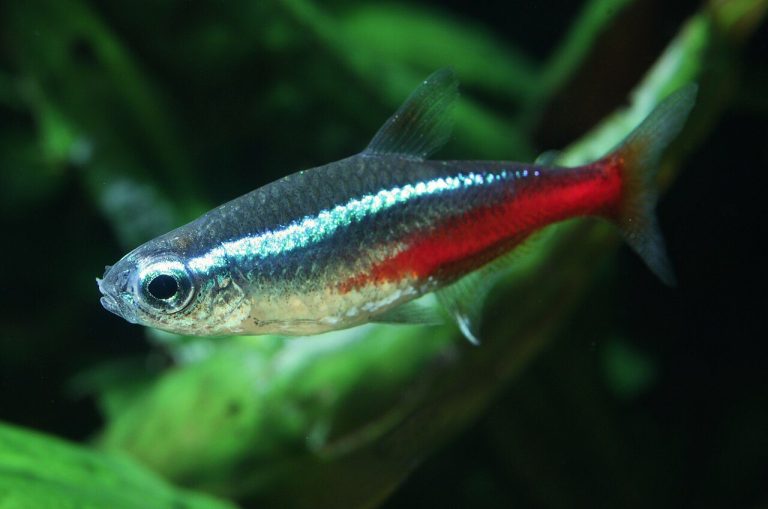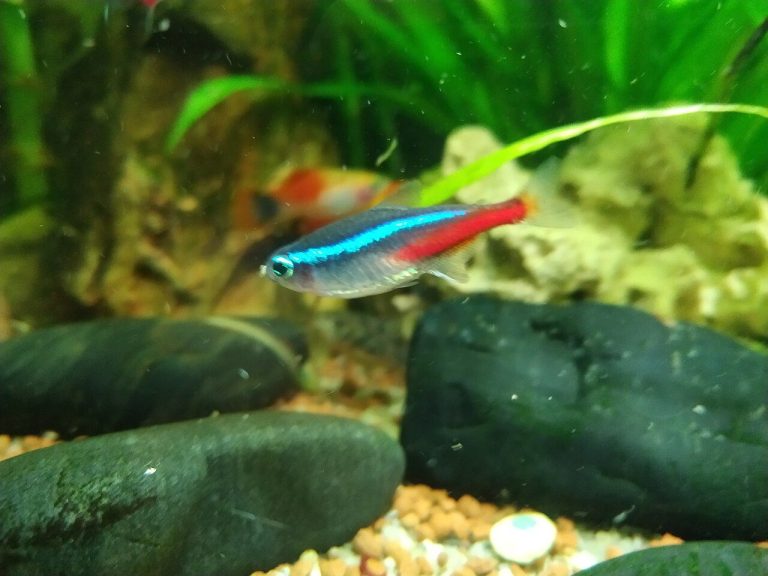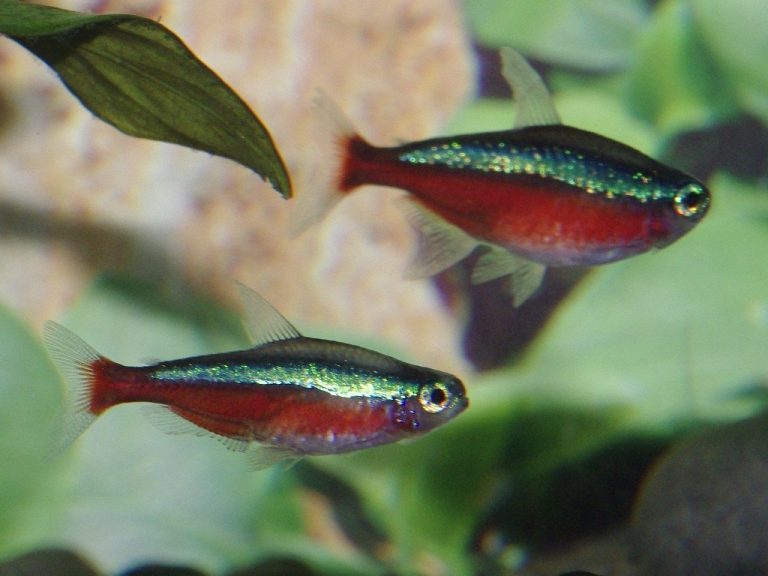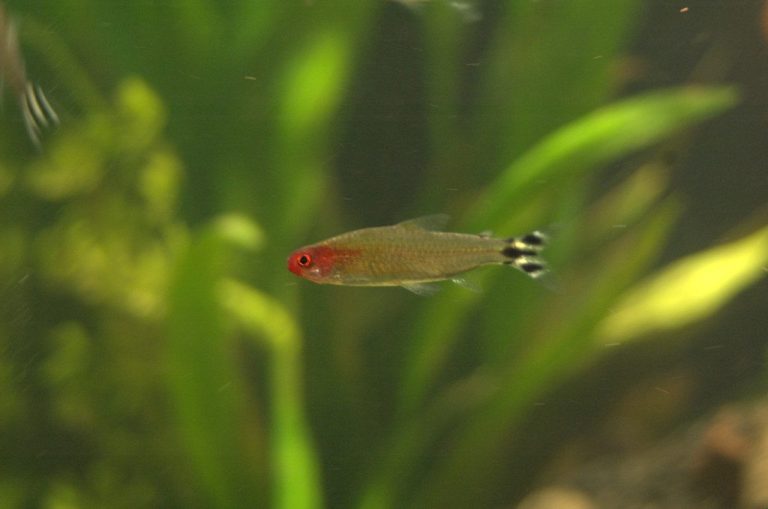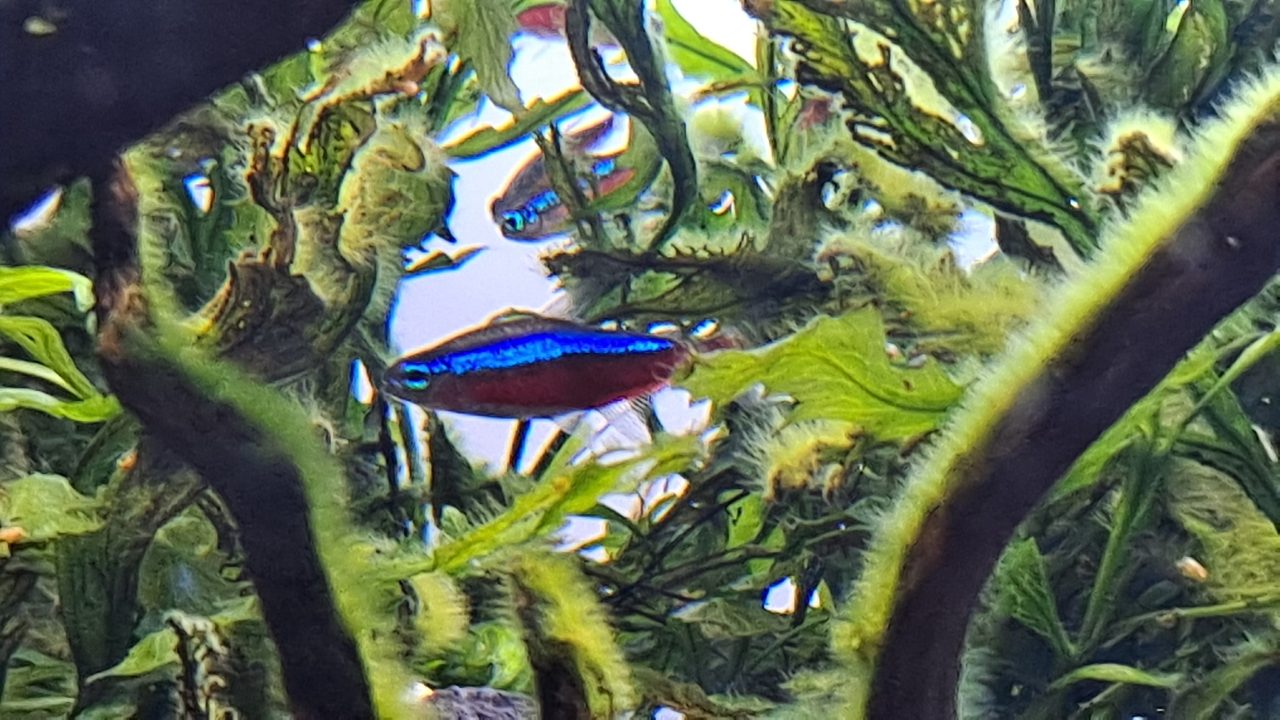
Lifespan Of Neon Tetra Fish – How to Help Them Live Longer
The average lifespan of neon tetra fish in a home aquarium is typically 2 to 5 years. With pristine water conditions, a high-quality diet, and a stress-free environment, some individuals can flourish for up to 8 years.
At a glance: Neon tetra (Paracheirodon innesi)
- Temperature
- 72–78°F (22–26°C)
- Water pH
- 6.0–7.0
- Adult size
- 1.5 in (4 cm)
- Minimum tank
- 10 gal (20 gal for a proper school)
- Group size
- Groups of 8+
- Temperament
- Peaceful
- Diet
- Omnivore: micro pellets, flakes, frozen daphnia
- Lifespan
- 5–8 years
Keeper’s tip: Add neons only to a fully cycled, stable tank; they are among the first fish to suffer from ammonia swings.
Introduction to the Neon Tetra Journey
In my decade of keeping tropical aquariums, few sights are as rewarding as a shimmering school of Paracheirodon innesi. These tiny gems are the heartbeat of many community tanks, offering a brilliant flash of blue and red.
However, many beginners are surprised when their new additions don’t last more than a few months. Understanding the lifespan of neon tetra fish is the first step toward becoming a successful aquarist.
While they are often sold as “beginner fish,” they actually require specific care to reach their full potential. In this guide, I will share the exact strategies I use to keep my tetras healthy for years, not just months.
Key Factors Influencing the Lifespan of Neon Tetra Fish
The lifespan of neon tetra fish is not just determined by luck; it is a direct result of their environment and genetics. When you buy fish from a big-box store, they often come from mass-breeding facilities where quantity is prioritized over health.
I’ve noticed that tetras sourced from local, high-quality breeders tend to be much hardier. These fish haven’t endured the stress of multiple shipping cycles, which can significantly weaken their immune systems.
Beyond genetics, the environment you provide acts as the foundation for their longevity. A stable tank is a healthy tank, and for neons, stability is the absolute golden rule.
Pro Tip: When selecting your fish at the store, watch them for at least five minutes. Avoid any tank that has a dead fish or individuals with clamped fins, as these are early signs of a weakened colony.
The Role of Water Quality and the Nitrogen Cycle
The most common reason for a shortened lifespan of neon tetra fish is poor water chemistry. Neon tetras are highly sensitive to ammonia toxicity and nitrite spikes, which can cause irreversible gill damage.
Establishing a solid aquarium nitrogen cycle is non-negotiable before adding these fish. Your biological filtration media must be fully colonized by beneficial bacteria to process waste efficiently.
In my experience, keeping a slightly larger tank makes it much easier to maintain these stable conditions. A larger volume of water dilutes toxins and prevents the rapid fluctuations that often kill smaller fish.
Temperature and pH Stability
Neon tetras originate from the blackwater streams of the Amazon, where the water is soft and acidic. While captive-bred specimens are more adaptable, water pH stability remains a critical factor for their long-term health.
Using a reliable tropical aquarium heater is essential to prevent temperature swings. Fluctuations of even a few degrees can stress their tiny bodies, making them susceptible to opportunistic infections.
| Parameter | Ideal Range for Longevity |
|---|---|
| Temperature | 72°F to 78°F (22°C to 26°C) |
| pH Level | 6.0 to 7.0 |
| Water Hardness (GH) | 2 to 10 dGH |
| Ammonia / Nitrite | 0 ppm (Strict) |
| Nitrate | < 20 ppm |
Creating a Stress-Free Habitat for Your Tetras
Stress is the silent killer in the aquarium hobby. For a schooling fish, being alone is a major source of anxiety that can shorten the lifespan of neon tetra fish significantly.
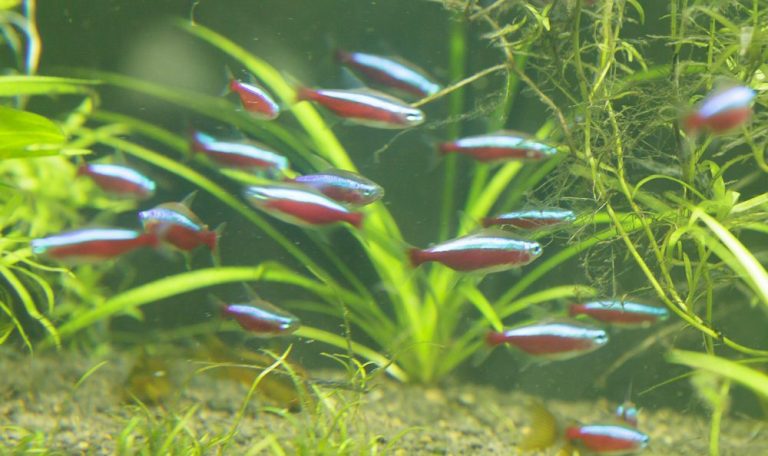
I always recommend keeping them in groups of at least 6 to 10 individuals. This allows them to exhibit natural “shoaling” behavior, which provides them with a sense of security and safety.
A well-designed colorful neon tetra setup should include plenty of hiding spots and visual barriers. This mimics their natural habitat and reduces the stress of being in an open, exposed space.
The Importance of Aquatic Plant Density
High aquatic plant density provides both shelter and natural water purification. Live plants like Java Fern, Anubias, and Amazon Swords help absorb nitrates and provide a surface for micro-organisms to grow.
I’ve observed that tetras in heavily planted tanks are much more active and display more intense coloration. The presence of plants also helps break up the line of sight, preventing any minor squabbles within the school.
Floating plants are particularly useful for neon tetras. They prefer dimmed lighting, and floating leaves provide the perfect dappled shade that mimics the forest canopy of the Amazon.
Choosing the Right Tank Mates
Selecting compatible neighbors is vital for keeping a long lifespan of neon tetra fish. Large or aggressive fish will see these tiny tetras as a snack, or at the very least, keep them in a constant state of fear.
I recommend checking a tetra compatibility guide before adding any new species. Peaceful bottom-dwellers like Corydoras catfish or small shrimp make excellent companions.
Avoid “fin-nippers” or highly active swimmers that might outcompete the tetras for food. When tetras are forced to compete aggressively for every meal, their health eventually declines.
Nutrition: Feeding for Longevity and Vitality
A varied diet is the cornerstone of a healthy immune system. Relying solely on a single type of flake food is a common mistake that can limit the lifespan of neon tetra fish.
In the wild, they are omnivores, consuming small insects, larvae, and plant matter. To replicate this, I use a rotation of high-quality micro-pellets, crushed flakes, and frozen treats.
Frozen daphnia and baby brine shrimp are excellent for improving their colors and providing essential proteins. These foods are also easy for their small mouths to manage without causing digestive issues.
Pro Tip: Only feed what your fish can consume in two minutes. Excess food rots and causes ammonia spikes, which is the fastest way to compromise the health of your school.
Vitamins and Mineral Supplements
Sometimes, even the best food lacks specific micronutrients. I occasionally soak my fish food in a liquid vitamin supplement designed for ornamental fish.
This boost is especially helpful during the first few weeks after you bring your fish home. It helps them recover from the stress of transit and builds up their natural defenses against common pathogens.
Consistent feeding schedules also help. I prefer feeding small amounts twice a day rather than one large meal, as this keeps their metabolism steady and reduces waste.
Common Diseases and Health Challenges
Even with the best care, you may encounter health issues. Being able to identify problems early is the key to preserving the lifespan of neon tetra fish in your care.
The most dreaded condition is Neon Tetra Disease (Pleistophora hyphessobryconis). This is a parasitic infection that currently has no known cure, often characterized by a loss of color and curved spines.
Prevention is the only real defense against this disease. Quarantining new arrivals for at least two to four weeks is a practice I never skip, as it protects my established colony from outside threats.
Managing Ich and Other Parasites
Another common ailment is Ichthyophthirius multifiliis, commonly known as “Ich” or white spot disease. This parasite looks like small grains of salt sprinkled on the fish’s body and fins.
Ich is often triggered by sudden temperature drops or high stress levels. Fortunately, it is treatable with over-the-counter medications and a slight increase in tank temperature to speed up the parasite’s life cycle.
Regular water changes and maintaining water hardness (GH/KH) within the appropriate range will keep their slime coat healthy. A thick, healthy slime coat is the fish’s primary barrier against these external parasites.
Maintenance Routine for a Stable School
Consistency is more important than perfection in fish keeping. A regular maintenance routine makes sure that the lifespan of neon tetra fish reaches that 5-to-8-year mark.
I perform a 20% to 30% water change every week. During this process, I use a gravel vacuum to remove waste from the substrate, preventing the buildup of organic matter that can foul the water.
Don’t forget to maintain your filter. Your biological filtration media should be rinsed in old tank water—never tap water—to keep the beneficial bacteria alive and flourishing.
| Task | Frequency | Purpose |
|---|---|---|
| Water Testing | Weekly | Monitor Ammonia, Nitrite, Nitrate |
| Partial Water Change | Weekly | Dilute Nitrates and replenish minerals |
| Filter Inspection | Monthly | Ensure flow and clean mechanical media |
| Algae Scrubbing | As needed | Improve visibility and plant health |
The Importance of Observation
Spend time every day just watching your fish. I find that a quick five-minute observation during feeding time tells me everything I need to know about the health of the tank.
Are they all eating? Is anyone hiding away from the school? Do their colors look bright or washed out? Catching a problem when only one fish is affected can save the entire school.
Early intervention, such as adjusting the heater or performing an extra water change, is often enough to resolve minor issues before they become fatal.
Frequently asked questions
How long do neon tetras live in the wild?
In their natural habitat, the lifespan of neon tetra fish is often shorter than in an aquarium, usually around 1 to 2 years. This is due to predation, seasonal changes, and fluctuating food availability.
Can neon tetras live in a 5-gallon tank?
While they are small, a 5-gallon tank is generally too small for a school. For the best lifespan of neon tetra fish, I recommend at least a 10-gallon or 20-gallon tank to provide enough swimming space and water stability.
Why did my neon tetras die after a water change?
This is usually caused by “osmotic shock” or a sudden change in temperature or pH. Always match the temperature and use a dechlorinator for the new water to avoid stressing their sensitive systems.
Do neon tetras need a heater?
Yes, they are tropical fish. Without a tropical aquarium heater, their metabolism slows down, their immune system weakens, and their overall lifespan will be significantly reduced.
Can I keep just one neon tetra?
No, making sure a single neon tetra is cruel and will lead to extreme stress. They are social creatures and need the company of their own kind to feel safe and live a full life.
Conclusion: The Reward of Proper Care
Maximizing the lifespan of neon tetra fish is a journey that requires patience, observation, and a commitment to quality. If you focus on water stability, proper nutrition, and a stress-free environment, you can enjoy these brilliant fish for many years.
Remember that you are creating a tiny ecosystem. When you provide the right water pH stability and high aquatic plant density, you aren’t just keeping fish alive—you are helping them stay healthy.
In my years of experience, the effort put into a proper setup always pays off in the end. Seeing a healthy, five-year-old school of neon tetras is proof of your skill as an aquarist and provides a beautiful centerpiece for any home.

- 2003First tank
- 20+Years keeping
- 40+Tanks kept
- 0Sponsored picks
Howard set up his first 10-gallon planted tank in 2003 and lost half of it within six weeks. Two decades and more than forty aquariums later, he writes the guides he wished he had then: clear numbers, the reasons behind them, and what actually goes wrong in home tanks.