Small Tetra Species – Top Picks for Your Tank
Small tetra species are tiny, rich freshwater fish from the Characidae family that typically reach a maximum size of 0.5 to 1.5 inches, making them ideal for nano aquariums and lushly planted community tanks.
In my twelve years of managing various aquatic setups, I have found that nothing brings a tank to life quite like a shimmering school of small fish. These tiny gems offer a sense of scale and movement that larger species simply cannot replicate in a home environment.
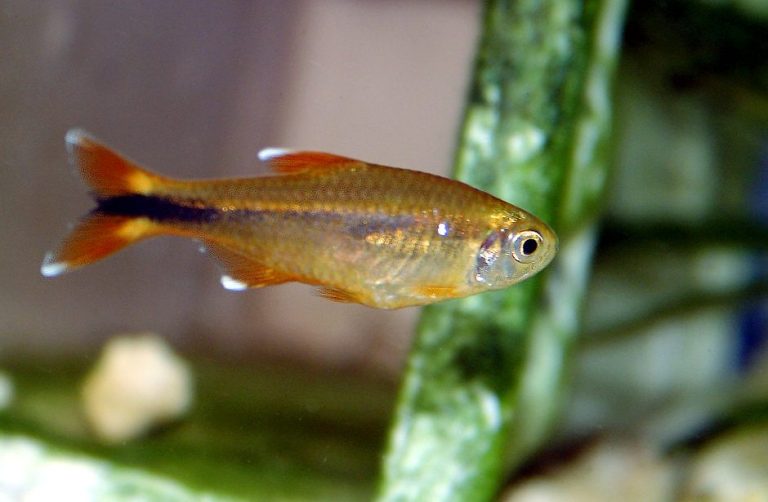
When you start exploring small tetra species, you quickly realize that “small” doesn’t mean “boring.” From the fiery orange of the Ember Tetra to the subtle neon glow of the Green Neon, these fish pack incredible color into a minuscule package.
In this guide, I will share my personal experiences and the technical knowledge you need to keep these delicate creatures healthy.
At a glance: Tetras (general) (Family Characidae and relatives)
- Temperature
- 72–80°F (22–27°C) for most species
- Water pH
- 6.0–7.5 for most species
- Adult size
- 1–3 in (2.5–8 cm)
- Minimum tank
- 10–30 gal depending on species
- Group size
- Groups of 6–10+
- Temperament
- Mostly peaceful schooling fish
- Diet
- Omnivores: quality flakes or micro pellets plus frozen foods
- Lifespan
- 3–8 years
Keeper’s tip: Schooling size matters more than tank size for most tetras: small groups hide, nip and stress.
Understanding the Characidae Family and Nano Tetras
Most of the popular small tetra species we keep belong to the family Characidae. This is a massive group of fish primarily found in the soft, acidic waters of South America and Africa.
In the wild, these fish often inhabit slow-moving streams or flooded forests where the water is stained dark by decaying organic matter. This environment provides them with cover and a rich supply of micro-predatory feeding opportunities.
In my experience, understanding their origin is the what really counts. When we replicate these natural conditions, their colors become more intense, and their natural schooling behaviors shine.
Expert Pro Tip: Many beginners assume small fish are easier to care for, but nano species can be more sensitive to water fluctuations. Always make sure your tank is fully cycled and biologically stable before adding your first school.
Top Small Tetra Species for Your Aquarium
Selecting the right fish depends on your tank size and the aesthetic you want to achieve. Not all small tetras have the same requirements, so it is vital to match the species to your specific setup.
Below is a comparison of some of the most popular and hardy nano tetras currently available in the hobby.
| Species Name | Scientific Name | Max Size | Care Level |
|---|---|---|---|
| Ember Tetra | Hyphessobrycon amandae | 0.8 inches | Beginner |
| Green Neon Tetra | Paracheirodon simulans | 1.0 inch | Intermediate |
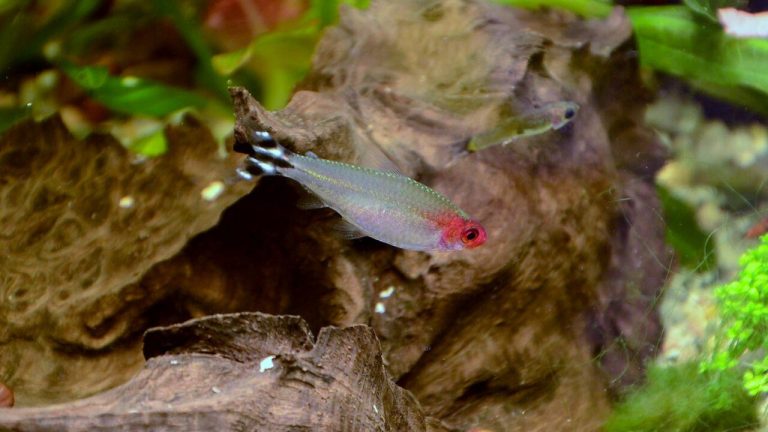
| Ruby Tetra | Axelrodia riesei | 0.7 inches | Intermediate |
| Tucano Tetra | Tucanoichthys tucano | 0.65 inches | Advanced |
The Versatile Ember Tetra (Hyphessobrycon amandae)
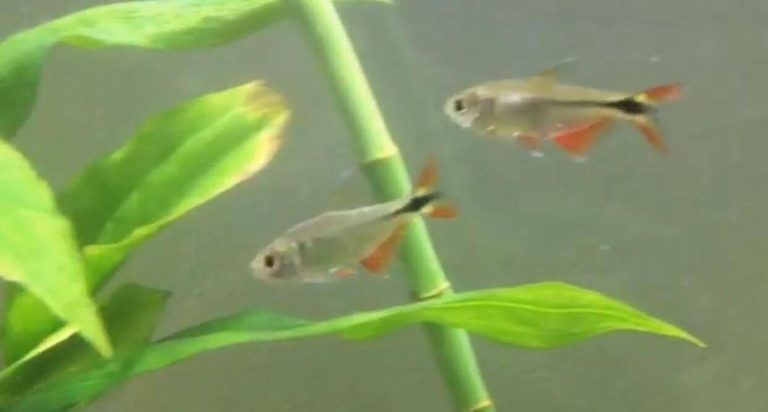
The Ember Tetra is perhaps my favorite recommendation for anyone starting with small tetra species. They are incredibly hardy and exhibit a eye-catching fiery orange hue that contrasts beautifully with green aquatic plants.
I have found that they are most comfortable in groups of 10 or more. In smaller groups, they tend to hide, but a large school will confidently swim in the open mid-water areas of the tank.
The Shimmering Green Neon Tetra (Paracheirodon simulans)
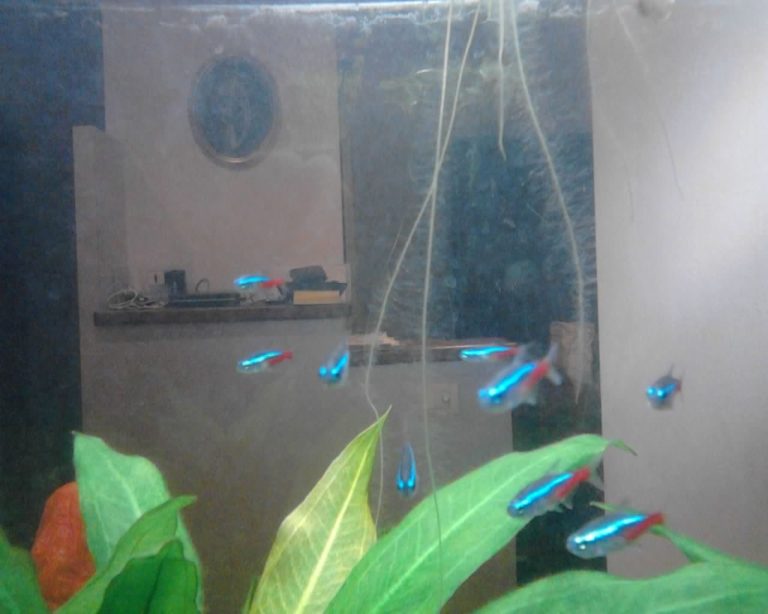
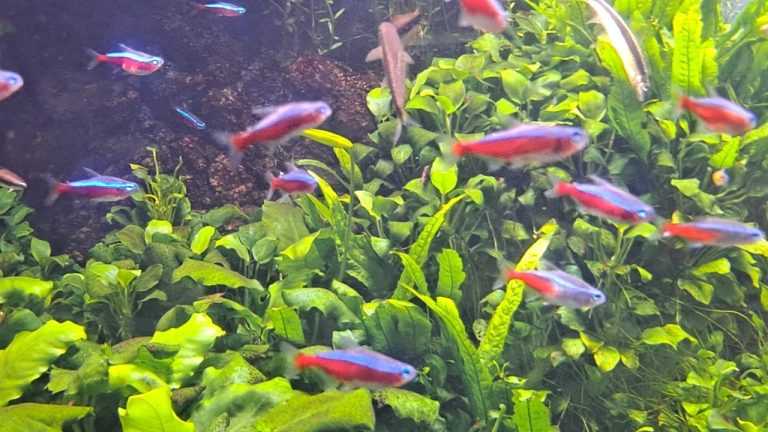
While many people are familiar with the standard Neon Tetra, the Green Neon is a superior choice for smaller tanks. They stay smaller than their famous cousins and have a more continuous iridescent line that glows under aquarium lighting.
These fish are particularly sensitive to water quality. I always recommend maintaining ideal water parameters that lean toward the acidic side to keep them healthy.
The Rare and Beautiful Tucano Tetra (Tucanoichthys tucano)
The Tucano Tetra is a true specialist fish. Found in the Upper Negro River basin, these fish are often kept in a blackwater biotope where the water is very soft and acidic.
They are quite small and can be shy, so they should only be kept with other very peaceful nano species or in a species-only tank. Their unique cream and black coloration makes them a standout for collectors.
Creating the Ideal Environment for Small Tetra Species
To see these fish at their best, you must provide an environment that mimics their natural habitat. This involves more than just a filter and a heater; it requires attention to water chemistry and decor.
Most small tetra species originate from waters rich in humic substances. These substances are released by decaying wood and leaves, giving the water a tea-colored tint and providing natural antibacterial properties.
Using tannic acid from sources like driftwood or Indian Almond leaves can significantly reduce the stress levels of your fish. This is especially true for more sensitive species like the Ruby Tetra (Axelrodia riesei).
Water Parameters and Filtration
While these fish are small, they require stable conditions. A high specific conductance (high mineral content) can be stressful for fish evolved for soft water, so many keepers use Reverse Osmosis (RO) water mixed with minerals.
| Parameter | Ideal Range |
|---|---|
| Temperature | 73°F – 82°F (23°C – 28°C) |
| pH Level | 5.5 – 7.0 |
| Hardness (dGH) | 1 – 8 degrees |
| Ammonia/Nitrite | 0 ppm |
Maintaining stable water temperatures is also essential. Sudden drops in temperature can weaken their immune systems, making them susceptible to diseases.
The Importance of Aquascaping
Small tetras feel vulnerable in wide-open spaces. In my experience, a heavily planted tank with plenty of hiding spots is essential for their well-being.
Floating plants are excellent for diffusing light, as many of these species prefer slightly dimmed conditions. I often use species like Salvinia or Amazon Frogbit to create a natural canopy.
Feeding and Nutrition for Nano Tetras
Because of their tiny mouths, you cannot simply throw in standard fish flakes. You must provide food that is appropriately sized, or they may struggle to eat and eventually waste away.
I recommend a variety of high-quality micro-pellets and crushed flakes. For the best results, you should also include live or frozen foods like baby brine shrimp, daphnia, or Moina.
Using high-quality flake and pellet options specifically designed for nano fish helps make sure they get the vitamins and minerals needed for rich colors. I’ve noticed that a varied diet also encourages more active schooling behavior.
Expert Pro Tip: If your tetras are ignoring food on the surface, try “pre-soaking” your dried foods in a small cup of tank water. This allows the food to sink slowly through the water column where the fish are more likely to strike.
Health Management and Disease Prevention
One of the most significant challenges with small tetra species is their susceptibility to certain pathogens. Because they have very little body mass, an infection can take hold and become fatal very quickly.
A common concern in the hobby is Neon Tetra Disease, caused by the microsporidian parasite Pleistophora hyphessobryconis. This is notoriously difficult to treat, making prevention through quarantine and high water quality essential.
I always recommend a quarantine period of at least two to four weeks for any new additions. During this time, observe them for any signs of lethargy, loss of color, or unusual cysts on the body.
Regular water changes and avoiding overfeeding are your best defenses. A clean environment keeps their immune systems strong enough to fight off most opportunistic bacteria and parasites.
Compatibility and Tank Mates
When keeping small tetra species, you must be very selective about their tank mates. Any fish large enough to fit a nano tetra in its mouth will eventually try to eat it.
Excellent tank mates include other nano fish like Chili Rasboras, Celestial Pearl Danios, or small Corydoras species. They also coexist peacefully with freshwater shrimp like Cherry Shrimp or Crystal Red Shrimp.
I have found that keeping these fish with larger, boisterous species—even if they aren’t predatory—can cause the tetras to remain hidden. They do well best in a calm, “low-energy” environment where they feel like the masters of their domain.
Breeding Small Tetra Species at Home
Breeding nano tetras is a satisfying challenge that requires a dedicated setup. Most of these species are egg-scatterers and do not provide any parental care; in fact, they will often eat their own eggs if given the chance.
To succeed, you generally need a separate breeding tank with very soft, slightly acidic water. Providing a “spawning mop” or a thick layer of Java Moss gives the fish a place to deposit their eggs safely.
Once spawning is complete, the adults must be removed immediately. The fry are incredibly tiny and will require specialized microscopic foods like infusoria or vinegar eels for the first few weeks of their lives.
Questions and answers
What is the smallest tetra species for a 5-gallon tank?
The Ember Tetra (Hyphessobrycon amandae) or the Ruby Tetra (Axelrodia riesei) are excellent choices for a 5-gallon tank, provided you maintain a strict cleaning schedule and do not overstock.
How many small tetras should be kept together?
You should aim for a minimum of 6 to 10 individuals. Tetras are social schooling fish, and they feel much safer and display better colors when kept in larger groups.
Do small tetras need a heater?
Yes, almost all small tetra species are tropical and require a heater to maintain a consistent temperature between 75°F and 80°F.
Can I keep small tetras with Bettas?
It depends on the individual Betta’s temperament. While many people do this successfully, some Bettas may find the fast-moving tetras annoying or may even try to hunt them. Always have a backup plan.
Why are my tetras losing their color?
Loss of color is usually a sign of stress. This could be due to poor water quality, lack of hiding spots, or the presence of an aggressive tank mate. Check your water parameters immediately if you notice fading.
Final Thoughts on Keeping Small Tetra Species
Keeping small tetra species is one of the most fulfilling aspects of the aquarium hobby. Their delicate beauty and unusual social dynamics make them a perfect focus for any nano or planted aquarium.
If you focus on soft water, providing plenty of plants, and making sure a high-quality diet, you can enjoy these “living jewels” for many years. I have always found that the effort put into creating a natural environment is repaid tenfold by the health and vibrancy of the fish.
Patience is key. Allow your tank to mature, choose your species wisely, and always prioritize the stability of the environment. Your reward will be a striking, well-kept slice of nature right in your home.

- 2003First tank
- 20+Years keeping
- 40+Tanks kept
- 0Sponsored picks
Howard set up his first 10-gallon planted tank in 2003 and lost half of it within six weeks. Two decades and more than forty aquariums later, he writes the guides he wished he had then: clear numbers, the reasons behind them, and what actually goes wrong in home tanks.