Temp For Tetra Fish – The Ultimate Guide To Perfect Aquarium
The ideal temp for tetra fish generally falls between 75°F and 80°F (24°C to 27°C). While most species settle in in this range, specific varieties like Neon or Cardinal tetras may require slight adjustments for best health.
Maintaining the correct temp for tetra fish is one of the most critical aspects of successful fish keeping. In my ten years of managing community tanks, I have found that temperature stability is often the difference between a flourishing school and a stressed one.
Tetras are ectothermic organisms, meaning their internal body temperature is dictated entirely by their environment. When the water is too cold, their metabolic rate slows down significantly, leading to lethargy and a weakened immune system.
Conversely, water that is too warm can lead to a decrease in dissolved oxygen saturation. This causes the fish to gasp at the surface, putting immense strain on their tiny hearts and gills.
At a glance: Tetras (general) (Family Characidae and relatives)
- Temperature
- 72–80°F (22–27°C) for most species
- Water pH
- 6.0–7.5 for most species
- Adult size
- 1–3 in (2.5–8 cm)
- Minimum tank
- 10–30 gal depending on species
- Group size
- Groups of 6–10+
- Temperament
- Mostly peaceful schooling fish
- Diet
- Omnivores: quality flakes or micro pellets plus frozen foods
- Lifespan
- 3–8 years
Keeper’s tip: Schooling size matters more than tank size for most tetras: small groups hide, nip and stress.
Why Finding the Right Temp for Tetra Fish is Important
The biological impact of temperature on these small Characins cannot be overstated. Because they originate from the tropical waters of South America and Africa, they have evolved to stay healthy in specific thermal windows.
In my experience, providing a consistent temp for tetra fish ensures that their digestive systems function correctly. If the water fluctuates too much, they may suffer from osmoregulatory stress, which prevents them from maintaining the proper balance of salt and water in their bodies.
A stable environment also helps prevent the onset of common diseases. Many pathogens, such as Ichthyophthirius multifiliis (commonly known as Ich), take advantage of fish that are weakened by sudden temperature drops.
Pro Tip: Always use a secondary thermometer. I’ve noticed that many heater thermostats are inaccurate by 2-3 degrees, so a separate digital probe thermometer is essential for peace of mind.
Ideal Temperature Ranges for Popular Tetra Species
Not all tetras share the exact same requirements, even though they are often grouped together. Understanding the specific needs of your chosen species is the first step toward a healthy neon tetra care routine.
Species like the Cardinal Tetra (Paracheirodon axelrodi) prefer slightly warmer water compared to the standard Neon Tetra (Paracheirodon innesi). Providing the right temp for tetra fish requires knowing where your specific fish originated.
Below is a breakdown of the ideal temperature ranges for the most common tetras found in the hobby:
| Tetra Species | Scientific Name | Ideal Temp (°F) | Ideal Temp (°C) |
|---|---|---|---|
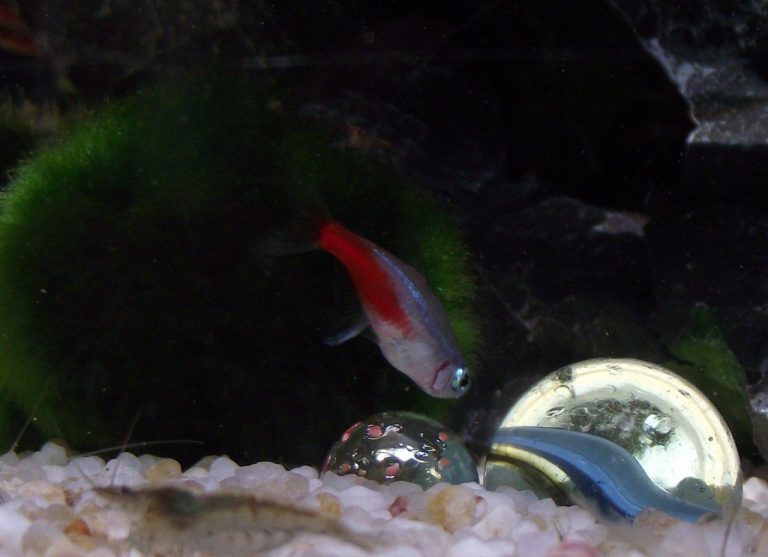
| Neon Tetra | Paracheirodon innesi | 70°F – 78°F | 21°C – 25°C |
| Cardinal Tetra | Paracheirodon axelrodi | 73°F – 82°F | 23°C – 28°C |
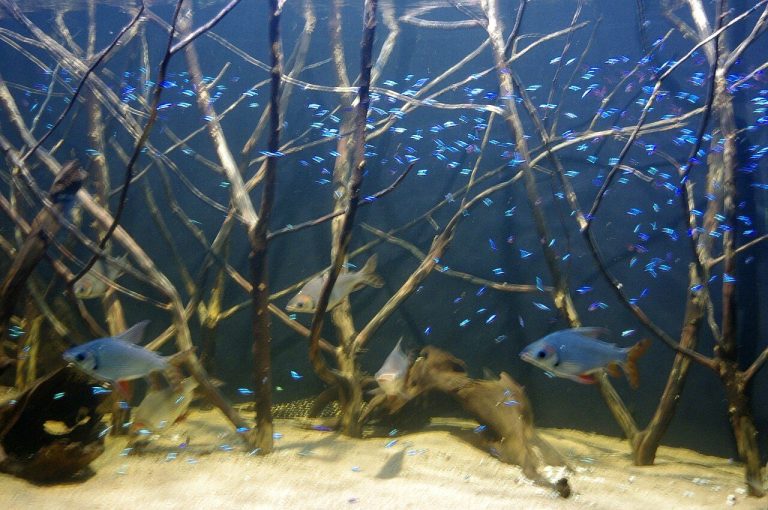
| Rummy Nose Tetra | Hemigrammus rhodostomus | 75°F – 84°F | 24°C – 29°C |
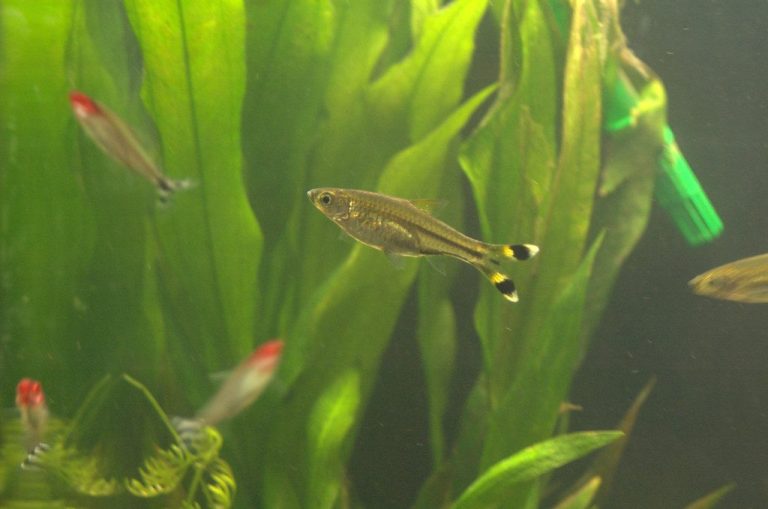
| Ember Tetra | Hyphessobrycon amandae | 73°F – 84°F | 23°C – 29°C |
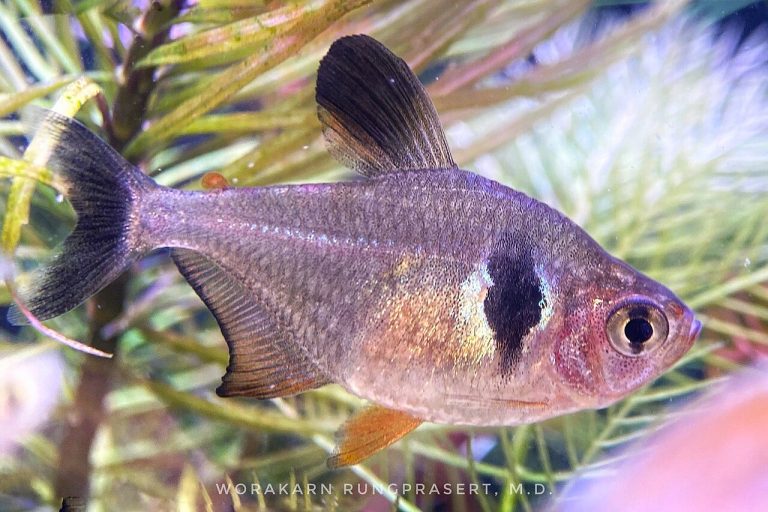
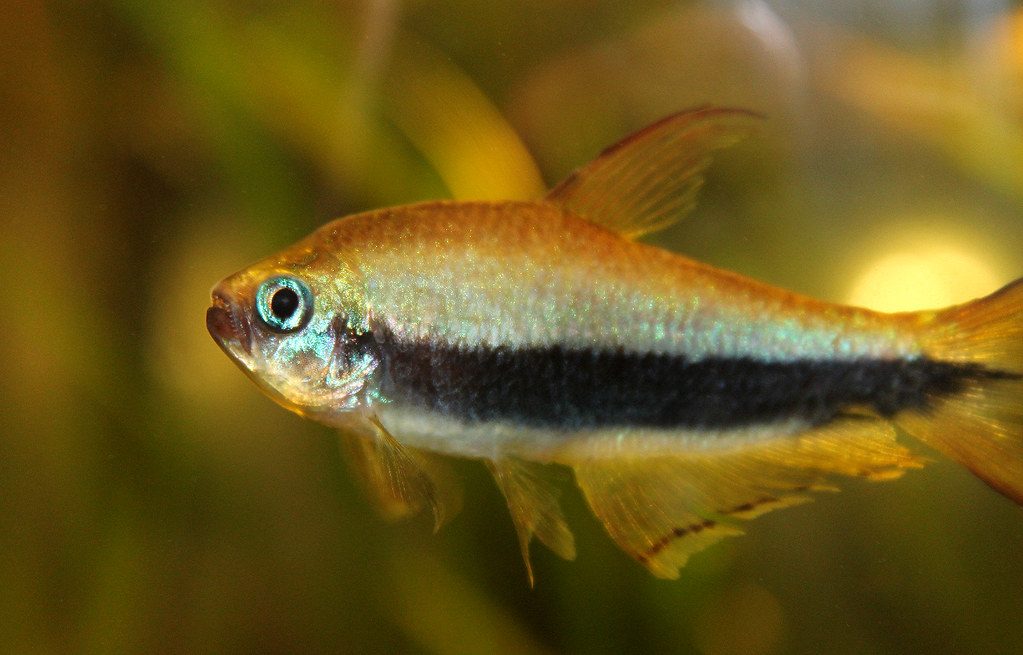
| Black Skirt Tetra | Gymnocorymbus ternetzi | 70°F – 82°F | 21°C – 28°C |
The Importance of Consistency
While most tetras can survive in a range of temperatures, they do not handle rapid changes well. A sudden drop of even 5 degrees can cause thermal shock, leading to immediate death or long-term health issues.
When I first started, I made the mistake of thinking room temperature was “close enough.” I quickly learned that even a drafty window can cause the temp for tetra fish to plummet at night, stressing the inhabitants.
Tools to Manage the Temp for Tetra Fish Successfully
To maintain a stable environment, you must invest in high-quality equipment. A thermostat-controlled submersible heater is the gold standard for most home aquariums.
These heaters work by sensing the water temperature and clicking on only when the water falls below your set point. It is vital to choose a heater with the appropriate wattage for your tank size.
A general rule of thumb is 3 to 5 watts per gallon of water. For example, a 20-gallon tank would require a 75W to 100W heater to maintain a steady temp for tetra fish during the winter months.
Monitoring Equipment
I cannot stress enough how important it is to have a reliable thermometer. Glass thermometers that suction to the inside of the tank are affordable, but they can be difficult to read.
Digital thermometers with a probe provide a much more accurate reading of the temp for tetra fish. You can place the probe in a high-flow area to make sure you are getting a reading of the average tank temperature, not just the water right next to the heater.
If you are interested in breeding your tetras, precision becomes even more critical. Many species require a slight temperature increase to trigger spawning behavior.
How Temperature Affects Tetra Behavior and Health
The temp for tetra fish directly influences how active your school will be. In warmer water, you will notice your tetras swimming more vigorously and displaying brighter colors.
This is because warmth increases their metabolism, making them more energetic and hungry. However, this also means they produce more waste, requiring more frequent water changes and better filtration.
If the water is too cool, tetras often lose their vivid hues. They may hide in the plants or huddle near the heater, which are clear signs that the temp for tetra fish is not being met.
Pro Tip: If you see your tetras hovering near the heater, check your thermometer immediately. This behavior usually indicates the rest of the tank is too cold due to poor water circulation.
Oxygen Levels and Heat
As the temperature of the water rises, its ability to hold oxygen decreases. This is a vital scientific principle for any aquarist to understand.
If you are keeping species like the Rummy Nose Tetra at the higher end of their range (around 82°F), you must keep there is plenty of surface agitation. An air stone or a high-flow filter can help maintain dissolved oxygen saturation.
Keeping the temp for tetra fish high without adequate aeration can lead to respiratory distress. Always watch for flared gills or rapid breathing in your fish.
Managing Seasonal Temperature Fluctuations
Depending on where you live, summer and winter can present unique challenges for maintaining the temp for tetra fish. In the winter, a reliable heater is your best friend.
In the summer, however, the tank can easily overheat. If your aquarium reaches 85°F or higher, you may need to take steps to cool it down.
I have found that simply propping open the aquarium lid and using a small desk fan to blow across the surface of the water can drop the temperature by several degrees through evaporation.
Dealing with Power Outages
One of the biggest fears for any fish keeper is a power outage during a cold snap. Without a heater, the temp for tetra fish can drop to dangerous levels in just a few hours.
In these situations, I recommend wrapping the tank in thick blankets or aluminum foil to trap the heat. You can also fill a plastic bottle with warm (not boiling) water and float it in the tank to provide a temporary heat source.
Keeping a consistent environment is also important when introducing compatible tank mates. Sudden changes during the introduction process can stress both the new arrivals and the existing school.
Common Mistakes When Setting the Temp for Tetra Fish
Many beginners make the mistake of adjusting their heater too quickly. If you realize your tank is at 70°F and you want it at 78°F, do not simply turn the dial all the way up.
Instead, increase the temperature by only 1 or 2 degrees every 24 hours. This allows the fish to acclimate slowly and prevents thermal shock.
Another common error is placing the heater in a “dead spot” where there is no water flow. This leads to the heater cycling on and off because the water immediately surrounding it gets hot, while the rest of the tank stays cold.
Heater Failures
Heaters are mechanical devices and they will eventually fail. Sometimes they fail “off,” but the more dangerous scenario is when they fail “on,” essentially boiling the fish.
To prevent this, many experienced hobbyists use an external temperature controller. This device acts as a fail-safe, cutting power to the heater if the temp for tetra fish exceeds a pre-set limit.
Reader questions about Tetra Temperature
Can tetras live in unheated tanks?
In most cases, no. Unless your home stays consistently between 75°F and 80°F year-round, tetras require a heater. Room temperature often fluctuates too much for their delicate systems.
What happens if the water is too cold?
When the temp for tetra fish is too low, their immune system shuts down. They become highly susceptible to fungal infections and parasites like Ich.
Is 82 degrees too hot for Neon Tetras?
While they can survive at 82°F for short periods, it is at the very top of their limit. Long-term exposure to these temperatures will shorten their lifespan and cause chronic stress.
How do I check if my heater is working?
The easiest way is to check your digital thermometer daily. If the light on the heater is on but the temperature is dropping, the heating element has likely failed.
Do I need to change the temperature for breeding?
Yes, many species of tetra respond to a slight rise in temperature (about 2-3 degrees) as a signal that the rainy season has begun, which triggers spawning.
In short
Mastering the temp for tetra fish is a fundamental skill that every successful aquarist must develop. If you provide a stable, warm, and well-oxygenated environment, you are giving your fish the best chance at a long and bright life.
Consistency is more important than hitting a specific “perfect” number. Whether you keep your tank at 76°F or 78°F, the key is ensuring it stays there day and night.
Invest in a quality thermostat-controlled submersible heater, monitor your water parameters closely, and always be prepared for seasonal changes. With these steps, your tetra school will remain the shimmering highlight of your aquarium for years to come.

- 2003First tank
- 20+Years keeping
- 40+Tanks kept
- 0Sponsored picks
Howard set up his first 10-gallon planted tank in 2003 and lost half of it within six weeks. Two decades and more than forty aquariums later, he writes the guides he wished he had then: clear numbers, the reasons behind them, and what actually goes wrong in home tanks.