Black Tetra Lifespan – How to Help Them Live Longer
The average black tetra lifespan is typically 3 to 5 years in a home aquarium. With pristine water quality, a stress-free environment, and a high-quality diet, these hardy fish can occasionally reach up to 7 or 8 years.
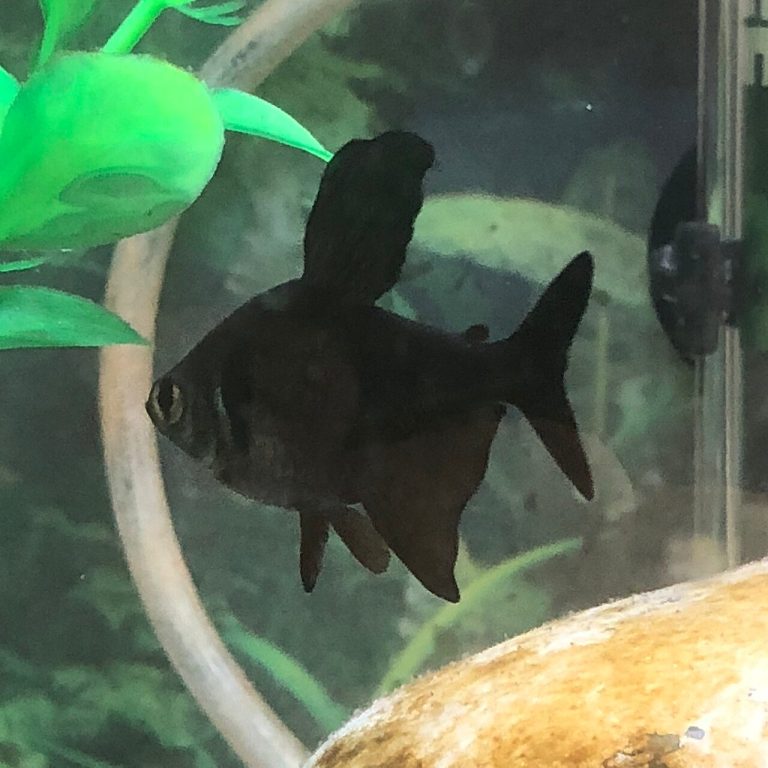
Few fish are as iconic in the freshwater hobby as the Black Skirt Tetra. Scientifically known as Gymnocorymbus ternetzi, these members of the Characidae family have been staples in my tanks for over ten years.
When I first started keeping them, I was struck by their bold, disc-like shape and their active schooling behavior. I quickly learned that the black tetra lifespan is largely dependent on the effort you put into their daily care.
While they are often labeled as “beginner fish,” providing a environment where they can stay healthy requires a nuanced understanding of their biology. In this guide, I will share the exact strategies I use to keep my tetras live long, healthy lives.
At a glance: Tetras (general) (Family Characidae and relatives)
- Temperature
- 72–80°F (22–27°C) for most species
- Water pH
- 6.0–7.5 for most species
- Adult size
- 1–3 in (2.5–8 cm)
- Minimum tank
- 10–30 gal depending on species
- Group size
- Groups of 6–10+
- Temperament
- Mostly peaceful schooling fish
- Diet
- Omnivores: quality flakes or micro pellets plus frozen foods
- Lifespan
- 3–8 years
Keeper’s tip: Schooling size matters more than tank size for most tetras: small groups hide, nip and stress.
Understanding the Factors Affecting black tetra lifespan
The longevity of your fish is not just a matter of luck or genetics. It is a direct reflection of the ecosystem you create within those four glass walls.
In the wild, these fish are found in the subtropical waters of the Paraguay and Guaporé River basins. Replicating these conditions is the first step toward preventing premature metabolic senescence, or biological aging.
Pro Tip: I’ve noticed that Black Tetras kept at the higher end of their temperature range often have shorter lifespans. Keeping them at a steady 74-76°F (23-24°C) slows their metabolism slightly, which can add a year or more to their life.
Water Quality and Nitrogenous Waste
The most common silent killer in the aquarium is the nitrogenous waste accumulation that occurs between water changes. Ammonia and nitrite should always be at zero, but even nitrate can take a toll over several years.
Chronic exposure to high nitrates weakens the immune system of Gymnocorymbus ternetzi. This makes them far more susceptible to opportunistic pathogens that they would otherwise fight off easily.
The Role of Osmoregulatory Stress
When water parameters fluctuate wildly, fish experience osmoregulatory stress. This is the energy-intensive process of maintaining the salt and water balance within their bodies.
If your fish are constantly fighting to stay balanced, they have less energy for growth and immune function. Over time, this constant strain significantly reduces the overall black tetra lifespan.
Optimizing Water Parameters for Longevity
To give your tetras the best chance at a long life, you must provide stability. I always recommend using a liquid testing kit rather than strips to get the most accurate readings.
Black Tetras prefer slightly acidic to neutral water, but they are adaptable. What matters most is that the carbonate hardness and pH remain consistent rather than hitting a “perfect” number.
| Parameter | Ideal Range | Importance for Longevity |
|---|---|---|
| Temperature | 72°F – 80°F (22°C – 27°C) | Regulates metabolic rate and aging. |
| pH Level | 6.0 – 7.5 | Prevents acidosis and skin irritation. |
| Carbonate Hardness (KH) | 3 – 10 dKH | Buffers pH to prevent dangerous crashes. |
| Nitrates | < 20 ppm | Reduces long-term toxicity and stress. |
Humic Substances and Peat-Filtered Water
In their natural habitat, these fish often live in water stained with tannins. These tannins contain humic substances that have natural antifungal and antibacterial properties.
I have found that using peat-filtered water or adding Indian Almond leaves can significantly improve their slime coat health. A healthy slime coat is the first line of defense against parasites.
Maintaining Dissolved Oxygen Concentration
Black Tetras are active swimmers and require a high dissolved oxygen concentration. This is especially true if you are keeping them in a heavily planted tank at night when plants consume oxygen.
I always help there is plenty of surface agitation from my reliable filtration systems. Good gas exchange prevents the respiratory distress that can lead to a shortened life.
Nutrition: The Foundation of Fish Health
You are what you eat, and the same applies to your fish. A diet consisting only of low-quality flakes will not provide the vitamins needed for a 5-year life.
In my experience, a varied diet is the “secret sauce” for vivid colors and longevity. I use a high-quality pellet as the base and supplement with frozen or live foods.
The Importance of Carotenoids
Black Tetras can lose their deep black coloration as they age if they aren’t getting enough nutrients. Foods rich in carotenoids help maintain their pigment and support their immune system.
I suggest feeding them brine shrimp, daphnia, or bloodworms at least twice a week. These foods mimic the small crustaceans and insects they would eat in the wild.
Avoiding Overfeeding
One of the most common mistakes I see beginners make is overfeeding. Excess food decays and spikes ammonia, but it also causes fatty liver disease in the fish.
A fish with a compromised liver will not reach the upper limits of the black tetra lifespan. Feed only what they can consume in two minutes, and consider a “fasting day” once a week.
Designing a Stress-Free Environment
Stress is perhaps the biggest factor that cuts lives short in the aquarium. For a schooling fish like the Black Tetra, stress usually comes from being lonely or feeling exposed.
They should always be kept in groups of at least six, though ten or more is much better. In a larger school, they feel secure, and any minor aggression is spread out among the group.
Tank Size and Swimming Space
While they are small, they are deep-bodied and very active. Keeping them in a cramped environment leads to stunted growth and psychological stress.
I always recommend a 20-gallon long tank as the minimum for a healthy school. This provides enough horizontal swimming space for them to dart around comfortably in a well-balanced community setup.
Pro Tip: If you notice your tetras are “fin-nipping,” it is often a sign of stress from a tank that is too small or a school that is too small. Increasing the school size usually fixes this behavior instantly.
The Role of Cover and Decor
Even though they are active, they need places to retreat. I use tall plants like Vallisneria or Amazon Swords to create “safe zones” in the corners of the tank.
Floating plants are also excellent for diffusing bright light. Since these tetras come from darker, tannin-stained waters, they often feel more comfortable under shaded areas.
Common Diseases and Prevention
Even with the best care, pathogens can sometimes enter the tank. Being able to identify issues early is vital for preserving the black tetra lifespan.
The most common ailment is Ichthyophthirius multifiliis, commonly known as Ich. These white spots are easily treated if caught early, but they can be fatal if the fish is already stressed.
Quarantine Protocols
I never add new fish directly to my main display tank. I have learned the hard way that a single “cheap” fish can bring in a disease that wipes out a 4-year-old school.
Always quarantine new additions for at least two to three weeks. This gives you time to observe them for signs of illness without risking your established pets.
Monitoring for Aging Signs
As your tetras reach the 4 or 5-year mark, you may notice they become less active. Their colors might fade slightly, and they may not be as quick to the surface during feeding.
At this stage, I make sure the water flow isn’t too overpowering. Older fish can tire easily, so providing some low-flow areas helps them conserve energy.
Breeding for a Continuous Legacy
If you find yourself loving this species, you might consider breeding these tetras to keep a generation going. While it won’t extend the life of the individual, it ensures you always have a school.
Breeding usually requires a separate tank with very soft, slightly acidic water. I have found that a spawning mop or a layer of marbles on the bottom is necessary to protect the eggs.
The parents will eat their own eggs if given the chance. Successful breeding is a rewarding challenge for those who have mastered the basics of tetra care.
Frequently asked questions
How can I tell if my Black Tetra is getting old?
Older tetras often show a slight “hump” in their back and may lose the intensity of their black vertical bars. You might also notice them swimming slightly apart from the main school as they slow down.
Do “Glofish” versions have the same lifespan?
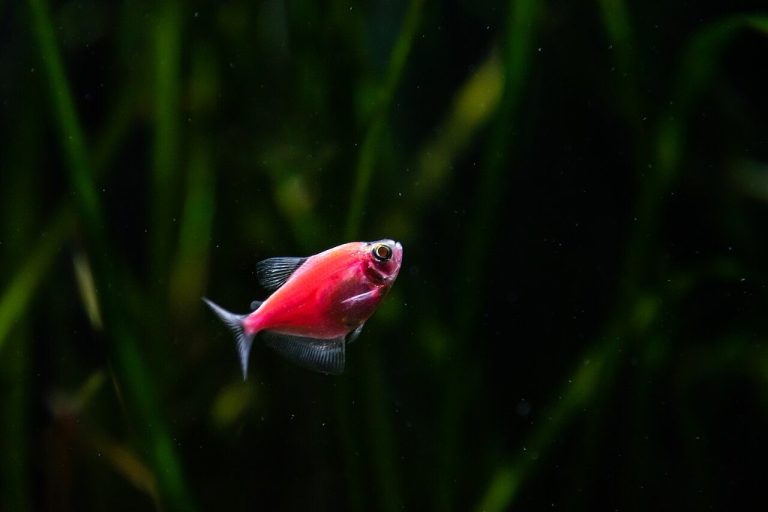
Yes, the genetically modified fluorescent versions of Gymnocorymbus ternetzi have the same black tetra lifespan as the natural variety. Their care requirements and biological needs remain identical.
Can Black Tetras live in a 5-gallon tank?
I strongly advise against this. A 5-gallon tank is too small for a proper school, and the water parameters are too difficult to keep stable, which will significantly shorten their lives.
Why did my Black Tetra die after only two years?
The most common reasons for a shortened life are high nitrate levels, lack of a proper school, or poor nutrition. Check your water parameters and make sure they are not being bullied by larger tank mates.
What is the oldest a Black Tetra can live?
While 3-5 years is the average, there are documented cases of these fish living for 8 to 10 years in public aquaria or expert-level home setups. This requires careful attention to detail and water quality.
Conclusion: A Commitment to Long-Term Care
Maximizing the black tetra lifespan is about more than just keeping them alive; it is about helping them flourish. If you focus on water stability, high-quality nutrition, and a stress-free social structure, you can enjoy these fish for many years.
I have always found that the effort I put into my tanks is returned tenfold in the beauty and activity of my fish. These tetras may be common, but they deserve the same high-level care as the rarest species.
Remember that you are the guardian of their small world. With the right approach, your school of Black Skirt Tetras will remain a bright part of your home for a long time to come.

- 2003First tank
- 20+Years keeping
- 40+Tanks kept
- 0Sponsored picks
Howard set up his first 10-gallon planted tank in 2003 and lost half of it within six weeks. Two decades and more than forty aquariums later, he writes the guides he wished he had then: clear numbers, the reasons behind them, and what actually goes wrong in home tanks.