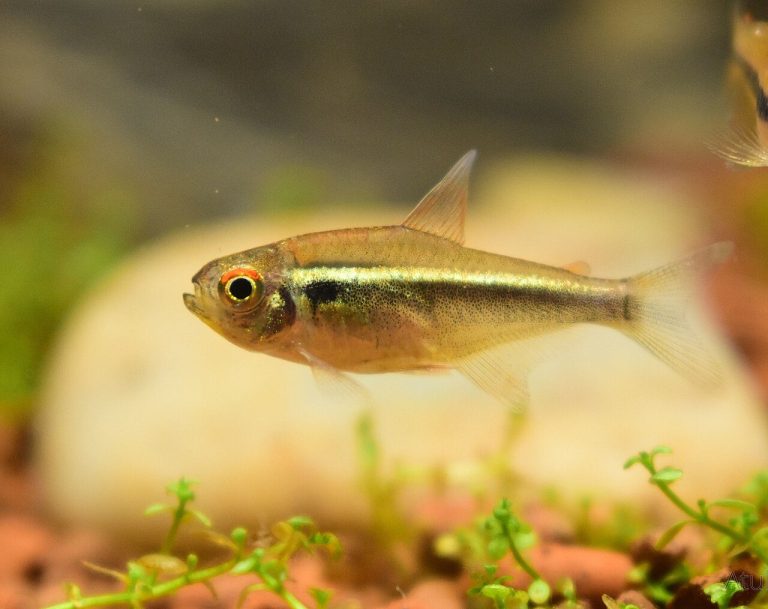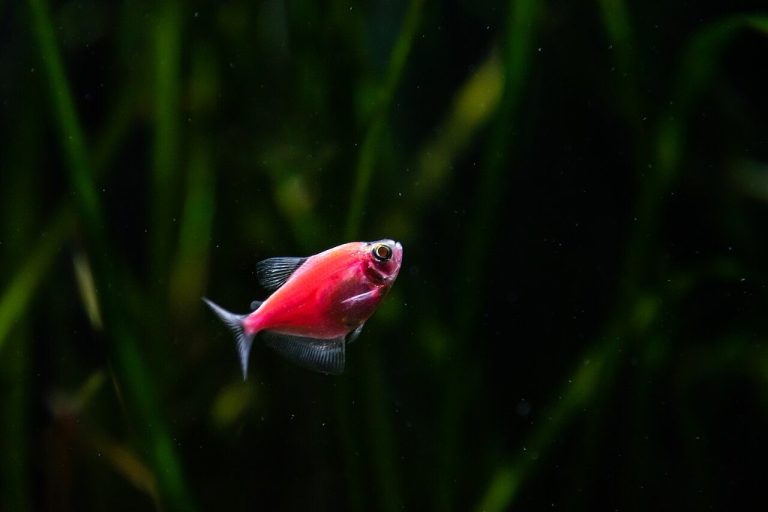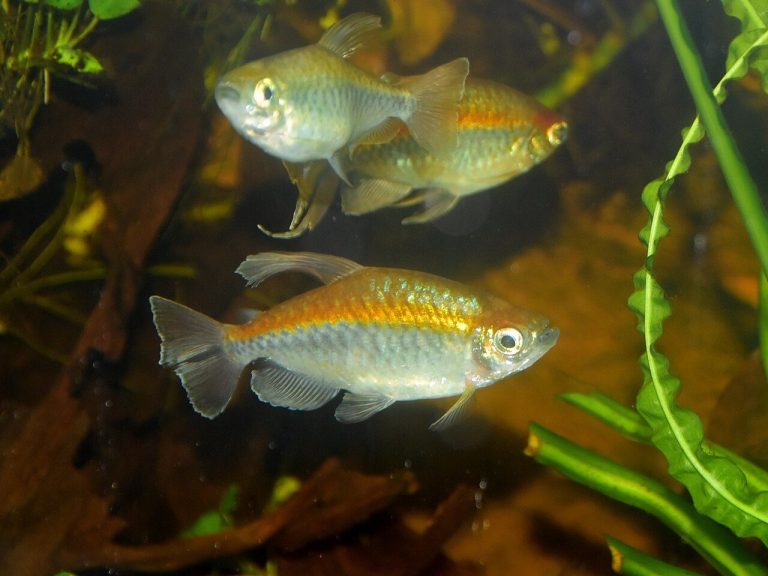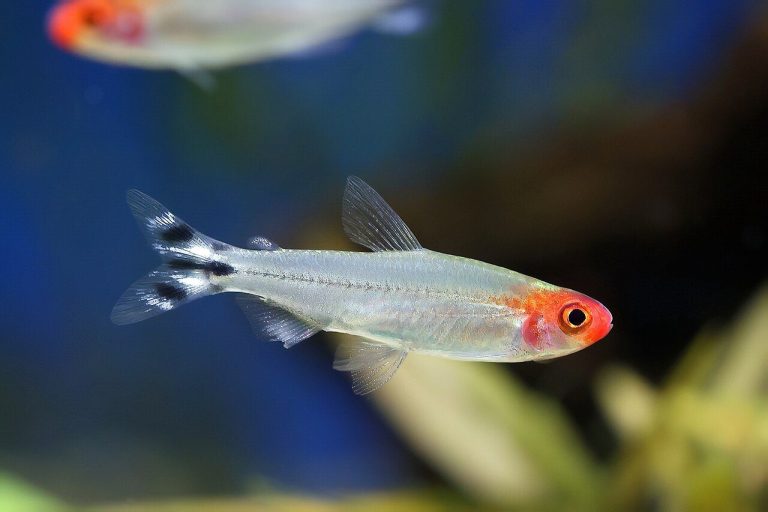
Neon Fish Care – Diet, Tank and Tank Mates
Successful neon fish care requires a stable aquarium with soft, acidic water, temperatures between 72-78°F, and a group of at least six. Providing high-quality food and regular water changes ensures these tetras remain healthy and colorful.
Bringing home a shimmering school of neon tetras is a rite of passage for many hobbyists. These iconic fish, known scientifically as Paracheirodon innesi, offer a beautiful visual display that few other species can match.
In my ten years of maintaining community tanks, I have found that neon fish care is both satisfying and occasionally challenging for the unprepared. While they are often sold as beginner fish, they have specific needs that must be met to flourish.
This guide will walk you through every nuance of their husbandry, from water chemistry to social dynamics. By the end, you will have the confidence to create an underwater paradise for these radiant gems.
At a glance: Neon tetra (Paracheirodon innesi)
- Temperature
- 72–78°F (22–26°C)
- Water pH
- 6.0–7.0
- Adult size
- 1.5 in (4 cm)
- Minimum tank
- 10 gal (20 gal for a proper school)
- Group size
- Groups of 8+
- Temperament
- Peaceful
- Diet
- Omnivore: micro pellets, flakes, frozen daphnia
- Lifespan
- 5–8 years
Keeper’s tip: Add neons only to a fully cycled, stable tank; they are among the first fish to suffer from ammonia swings.
The Fundamentals of Neon Fish Care
To master neon fish care, we must first look at their natural habitat in the Amazon basin. These fish belong to the Characidae family and are native to blackwater streams where the water is stained by decaying organic matter.
In these environments, humic substances leach from fallen leaves, creating a soft and acidic environment. Replicating these conditions in your home aquarium is the first step toward long-term success.
I have often noticed that neons kept in hard, alkaline water tend to lose their luster and succumb to stress-related illnesses more easily. Providing a setup that mimics their wild home is the best way to ensure they live out their full lifespan.
The Importance of Shoaling Behavior
Neon tetras exhibit strong shoaling behavior, which is a survival mechanism they use in the wild. In a home aquarium, this behavior provides them with a sense of security and reduces stress significantly.
I always recommend keeping a group of at least six to eight individuals, though ten or more is even better. A larger school looks more impressive and also allows the fish to interact naturally.
When kept in too small a group, these fish often become skittish and may hide constantly. This stress can weaken their immune systems, making them more susceptible to common aquarium pathogens.
Setting Up the Perfect Neon Environment
A successful neon fish care routine starts with the right equipment and layout. While they are small, they need enough swimming space to move comfortably as a group.
A 10-gallon tank is the absolute minimum, but a 20-gallon “long” aquarium is far superior. The extra horizontal space allows for better schooling displays and more stable water parameters.
Expert Pro Tip: Use a dark substrate like black sand or fine gravel. This makes the neon blue and red stripes of your fish “pop” and mimics the dark riverbeds of the Amazon.
Filtration and Nitrifying Bacteria
Before adding any fish, your aquarium must be fully cycled. This means establishing a colony of nitrifying bacteria that can process toxic ammonia into safer nitrates.
Neons are particularly sensitive to ammonia and nitrite spikes, which can be fatal within hours. I prefer using a sponge filter or a gentle hang-on-back filter to prevent the small fish from being sucked into the intake.
High water flow can actually stress these fish out, as they prefer the calmer reaches of slow-moving streams. Aim for a gentle turnover that keeps the water clear without creating a whirlpool effect.
Ideal Water Parameters for Health
Consistency is the most important factor in neon fish care. Rapid swings in pH or temperature are often more dangerous than being slightly outside the “perfect” range.
The following table outlines the ideal conditions you should aim for in a neon tetra aquarium:
| Parameter | Ideal Range |
|---|---|
| Temperature | 72°F – 78°F (22°C – 26°C) |
| pH Level | 6.0 – 7.0 |
| General Hardness (GH) | 2 – 10 dGH |
| Carbonate Hardness (KH) | 1 – 2 dKH |
| Ammonia / Nitrite | 0 ppm |
| Nitrate | < 20 ppm |
Maintaining the proper water warmth is critical for their metabolism and immune response. If the water is too cold, they become sluggish and prone to fungal infections.
Managing Soft Water and Peat Filtration
If your tap water is naturally hard, you might consider using peat filtration. Adding aquarium-safe peat moss to your filter can help naturally lower the pH and soften the water.
This process also introduces tannins into the water, giving it a slight amber tint. This “blackwater” effect is highly beneficial and makes the fish feel much more at home.
I have also had great success using Indian Almond leaves (Catappa leaves). They provide a natural source of humic acid and create a beautiful, naturalistic look in the tank.
Feeding for Bright Colors
Diet plays a massive role in neon fish care and the intensity of their coloration. In the wild, they are omnivores, consuming small insects, larvae, and plant matter.
In the aquarium, you should provide a varied diet to make sure they receive all necessary vitamins. High-quality micro-pellets or crushed flakes should form the staple of their diet.
I highly recommend supplementing their meals with frozen or live foods like baby brine shrimp or daphnia. This high-quality nutrition encourages growth and prepares them for potential spawning.
Common Mistake: Overfeeding is the number one cause of water quality issues. Only feed what your tetras can consume in two minutes, once or twice a day.
Feeding Frequency and Technique
Because neon tetras have very small stomachs, they benefit from smaller, more frequent feedings. Instead of one large meal, try feeding them twice a day in tiny amounts.
Observe them closely during feeding time. Healthy neons are enthusiastic eaters and will quickly swim to the surface or mid-water to grab food.
If you notice a fish ignoring food, it is often the first sign of stress or illness. Keep a close eye on any “loners” who separate themselves from the school during mealtime.
Safe Introduction: Drip Acclimation
The most dangerous time for a neon tetra is the first 24 hours in a new tank. They are highly sensitive to “osmotic shock,” which occurs when they are moved between waters with different chemistry.
I always use drip acclimation when introducing new neons. This involves slowly dripping water from the display tank into the transport bag over the course of an hour.
This slow transition allows the fish’s internal chemistry to adjust to the new pH and hardness. Never simply “float and drop” neons, as this often leads to losses within the first week.
While setting up your aquarium, make sure you have a quarantine tank ready for new arrivals. This prevents the introduction of diseases to your established school.
Common Diseases and Health Concerns
Even with the best neon fish care, health issues can occasionally arise. The most dreaded condition is “Neon Tetra Disease,” caused by the parasite Pleistophora hyphessobryconis.
Symptoms include a loss of color, cysts on the body, and a curved spine. Unfortunately, there is no known cure for this specific parasite, so prevention is the only effective strategy.
Always remove any sick-looking fish immediately to prevent the spread to the rest of the school. Maintaining pristine water quality is your best defense against most common ailments like Ich or Fin Rot.
Identifying Stress in Your School
Stress is the precursor to almost every disease in the aquarium. You can tell your neons are stressed if they lose their color, especially the red stripe, or if they gasp at the surface.
Poor water quality, aggressive tank mates, or a lack of hiding spots are common stressors. I’ve found that adding more live plants like Java Fern or Cryptocoryne provides the cover they need to feel safe.
When fish feel secure, they will display their most colorful colors. A pale neon is almost always a sign that something in the environment needs to be corrected immediately.
Choosing Compatible Tank Mates
Neon tetras are peaceful community fish, but they are also small enough to be eaten by larger species. Selecting the right companions is a vital part of neon fish care.
Avoid large or aggressive fish like Cichlids, large Barbs, or Angelfish. Even though Angelfish are from the same region, they are natural predators of tetras in the wild.
| Ideal Tank Mates | Fish to Avoid |
|---|---|
| Corydoras Catfish | Oscars |
| Otocinclus Catfish | Large Angelfish |
| Harlequin Rasboras | Tiger Barbs (Nippers) |
| Dwarf Gouramis | African Cichlids |
| Cherry Shrimp | Goldfish |
I personally love keeping neons with peaceful bottom-dwellers like Corydoras. They occupy different levels of the tank, making sure that every area of the aquarium feels alive and active.
Quick answers
How long do neon tetras live?
With proper neon fish care, these tetras typically live between 3 to 5 years. In exceptionally well-maintained aquariums, some hobbyists have reported them living up to 8 years.
Can I keep neon tetras in a 5-gallon tank?
I strongly advise against keeping a school of neons in anything smaller than 10 gallons. They need swimming space and stable water volumes, which are very difficult to maintain in nano tanks.
Do neon tetras need a light at night?
No, like all fish, they need a period of darkness to rest. I recommend a standard 8-to-10-hour light cycle during the day to support plant growth and a dark period at night to reduce stress.
Are live plants necessary for neons?
While not strictly mandatory, live plants are highly recommended. They help process nitrates, provide cover, and mimic the natural environment of the Amazon, making the fish feel much more secure.
Mastering Neon Fish Care
Providing excellent neon fish care is a journey that requires patience and attention to detail. If you focus on water stability, proper nutrition, and a stress-free environment, you can enjoy these shimmering beauties for years to come.
These fish are more than just decorations; they are living creatures that rely entirely on you for their well-being. Seeing a healthy school of neon tetras darting through a planted tank is one of the most satisfying sights in the hobby.
Stick to the basics: cycle your tank, maintain soft and acidic water, and feed a high-quality diet. If you do these things consistently, your neon tetras will reward you with a spectacular display of color and life every single day.

- 2003First tank
- 20+Years keeping
- 40+Tanks kept
- 0Sponsored picks
Howard set up his first 10-gallon planted tank in 2003 and lost half of it within six weeks. Two decades and more than forty aquariums later, he writes the guides he wished he had then: clear numbers, the reasons behind them, and what actually goes wrong in home tanks.