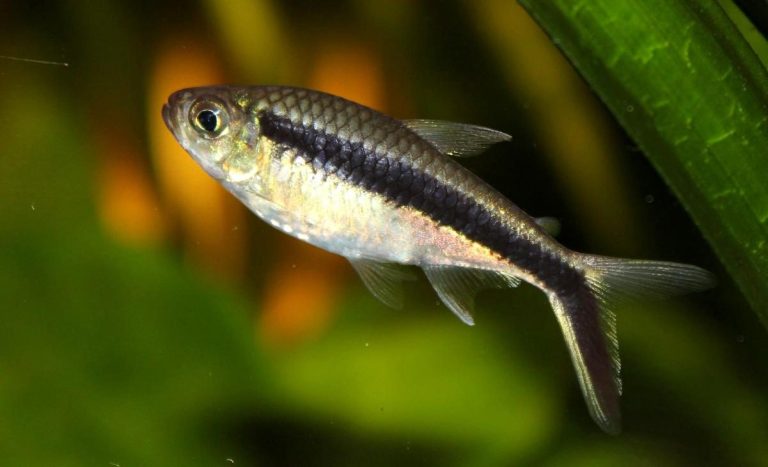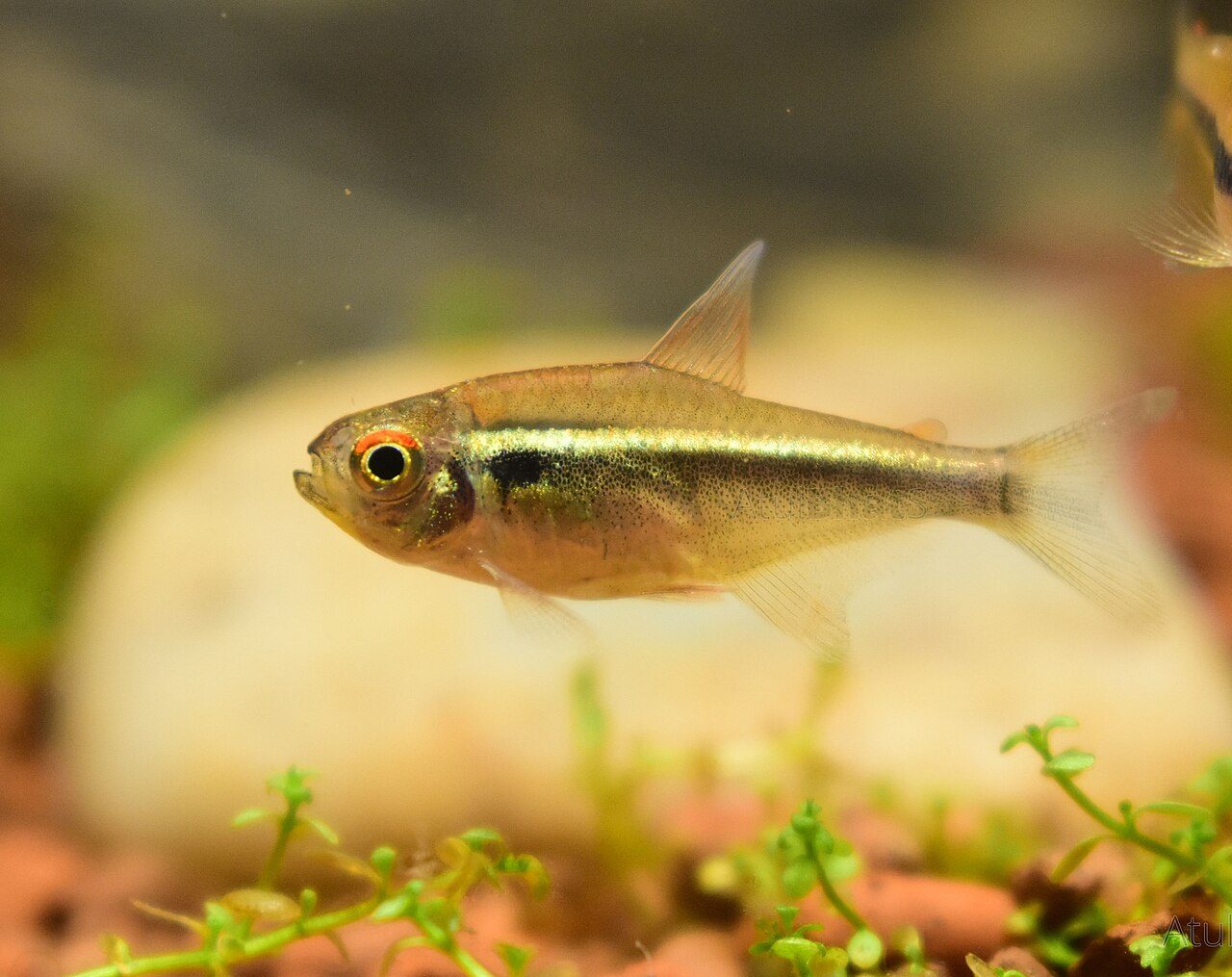
Tetra Fish Temperature – The Ultimate Guide To Perfect Water
Most tetra fish flourish in a temperature range of 75°F to 80°F (24°C–27°C). Maintaining a stable tetra fish temperature is vital for their metabolic health, immune system function, and overall longevity in captivity.
Properly managing your tetra fish temperature is the foundation of a successful aquarium.
In my ten years of keeping these bright characins, I have seen how even a slight fluctuation can lead to stress or disease.
Understanding the delicate balance of heat and oxygen is the first step toward becoming a master fish keeper.
At a glance: Tetras (general) (Family Characidae and relatives)
- Temperature
- 72–80°F (22–27°C) for most species
- Water pH
- 6.0–7.5 for most species
- Adult size
- 1–3 in (2.5–8 cm)
- Minimum tank
- 10–30 gal depending on species
- Group size
- Groups of 6–10+
- Temperament
- Mostly peaceful schooling fish
- Diet
- Omnivores: quality flakes or micro pellets plus frozen foods
- Lifespan
- 3–8 years
Keeper’s tip: Schooling size matters more than tank size for most tetras: small groups hide, nip and stress.
Understanding the Importance of Tetra Fish Temperature
Tetras are ectothermic organisms, meaning their internal body temperature is dictated by the water surrounding them.
This ectothermic regulation means that every biological process, from digestion to heart rate, depends on the warmth of your tank.
When the water is too cold, their metabolic rate slows down significantly, leading to lethargy and a weakened immune system.
Conversely, water that is too warm holds less oxygen.
This drop in dissolved oxygen saturation can cause your fish to gasp at the surface, even if your filtration is excellent.
Maintaining a consistent environment prevents thermal shock, which is one of the leading causes of sudden death in newly introduced fish.
Pro Tip: I always recommend using two smaller heaters instead of one large one. If one fails and stays “on,” it is less likely to cook your fish, and if one fails “off,” the second unit provides a safety net until you notice the issue.
Metabolism and Nutrient Absorption
A tetra’s ability to process food is directly tied to the heat of the water.
In cooler temperatures, food may sit in the gut too long, leading to bloating or internal infections.
In the right range, their colors will appear more vivid because they are efficiently absorbing nutrients and vitamins.
Species-Specific Tetra Fish Temperature Requirements
While many tetras share similar needs, some species have evolved in slightly different niches of the Amazon Basin blackwater or South American streams.
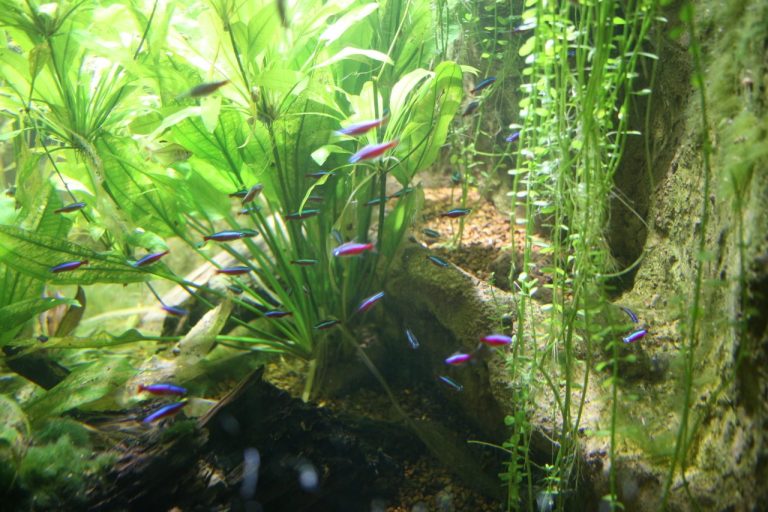
For example, the Cardinal Tetra (Paracheirodon axelrodi) often prefers slightly warmer water than the standard Neon Tetra.
Knowing these nuances helps you create a more tailored environment for your specific school.
| Tetra Species | Ideal Temperature Range (°F) | Ideal Temperature Range (°C) |
|---|---|---|
| Neon Tetra | 72°F – 78°F | 22°C – 26°C |
| Cardinal Tetra (P. axelrodi) | 76°F – 82°F | 24°C – 28°C |
| Rummy Nose Tetra | 75°F – 81°F | 24°C – 27°C |
| Black Skirt Tetra | 70°F – 79°F | 21°C – 26°C |
| Ember Tetra | 73°F – 84°F | 23°C – 29°C |
As you can see, there is a “sweet spot” around 77°F that works for almost all species.
If you are building a colorful community setup, aiming for this middle ground is your best strategy.
Always research the specific needs of your fish before adding them to your tank.
Essential Tools for Managing Tetra Fish Temperature
To keep your tetra fish temperature stable, you need more than just a basic heater.
Precision is key, especially in smaller tanks where the water volume doesn’t buffer against room temperature changes as effectively.
I have learned the hard way that cheap equipment often leads to expensive mistakes.
Submersible Heater Calibration
Most heaters have a dial, but these are rarely 100% accurate right out of the box.
Submersible heater calibration involves checking the heater’s performance against a reliable thermometer over 24 hours.
Adjust the dial slowly, wait an hour, and re-check until the water reaches your target.
The Importance of Reliable Thermometers
Avoid those “sticker” thermometers that go on the outside of the glass; they mostly measure the room’s air temperature.
Instead, use a high-quality digital probe or a traditional glass alcohol thermometer inside the tank.
Place the thermometer at the opposite end of the tank from the heater to ensure the entire water column is warm.
Pro Tip: Watch out for thermal stratification. If you don’t have enough water flow, you can end up with “cold spots” at the bottom of the tank, which stresses bottom-dwelling tetras.
Dealing with Fluctuations and Thermal Shock
Sudden changes in tetra fish temperature are far more dangerous than a slightly “incorrect” but stable temperature.
If your heater fails or the power goes out, your fish may experience thermal shock.
Symptoms include rapid breathing, loss of color, and darting around the tank erratically.
One of the most common issues triggered by temperature stress is Ichthyophthirius multifiliis, commonly known as Ich.
When the temperature drops, the fish’s immune system weakens, allowing this parasite to take hold.
Keeping the water stable is the best preventative medicine you can provide for your classic neon species.
Temperature and Osmoregulation
Temperature also affects osmoregulation, which is how fish maintain the balance of salt and water in their bodies.
When the water is too cold, the biological pumps in their cells slow down, making it harder for them to stay hydrated.
This can lead to kidney issues or “dropsy-like” swelling if left uncorrected for too long.
Seasonal Challenges: Summer Heat and Winter Chills
Depending on where you live, the change in seasons can wreak havoc on your aquarium.
During summer, your tetra fish temperature might climb above 85°F, which is the danger zone.
To cool the tank, you can use a small clip-on fan to blow across the water surface, increasing evaporation and lowering the temp.
In the winter, make sure your tank is not placed near a drafty window or a heater vent.
The constant cycling of cold air and hot blasts from a home furnace can cause the heater to work overtime.
This leads to wear and tear on the equipment and unstable conditions for your fish.
How Temperature Impacts Breeding
If you are interested in expanding your school, temperature is often the “trigger” for spawning behavior.
Many tetras spawn after a “cool down” period followed by a gradual warming, mimicking the onset of the rainy season in the wild.
Raising the temperature by 2-3 degrees can stimulate the metabolic rate needed for egg production.
However, you must be careful not to exceed the safe limits of the species.
Always make sure you have high-quality compatible tank mates if you are breeding in a community setting.
High temperatures increase activity, which can sometimes lead to increased aggression or fin-nipping.
Reader questions
What is the absolute minimum temperature for tetras?
While some hardy species like the Buenos Aires Tetra can survive at 68°F, most tropical tetras should never go below 72°F.
At these lower temperatures, their digestive systems begin to shut down.
Consistent exposure to cold water will lead to a shortened lifespan and chronic disease.
Can tetras live without a heater?
Unless your home is consistently kept at 76°F or higher year-round, you MUST use a heater.
Standard room temperatures usually fluctuate too much between day and night for tropical fish.
A heater makes sure that the water remains at a steady, safe level regardless of the weather outside.
How do I fix a tank that is too hot?
First, turn off the aquarium lights, as they generate significant heat.
You can also perform a small water change with slightly cooler (not cold!) water to bring the temp down gradually.
Never drop the temperature by more than 2 degrees per hour to avoid shocking the fish.
Before you go
Mastering the tetra fish temperature in your aquarium is a journey of observation and consistency.
If you put in high-quality heaters and thermometers, you are providing your fish with the best possible foundation for health.
Remember that stability is often more important than hitting a specific “perfect” number on the dot.
In my experience, a calm, stable environment leads to the most vivid colors and active behaviors.
Keep a close eye on your equipment, check your thermometer daily, and your tetras will reward you with years of beauty.
, and may your aquarium always be a flourishing, warm slice of the tropics.

- 2003First tank
- 20+Years keeping
- 40+Tanks kept
- 0Sponsored picks
Howard set up his first 10-gallon planted tank in 2003 and lost half of it within six weeks. Two decades and more than forty aquariums later, he writes the guides he wished he had then: clear numbers, the reasons behind them, and what actually goes wrong in home tanks.