X Ray Tetra Fish Facts – Complete Guide
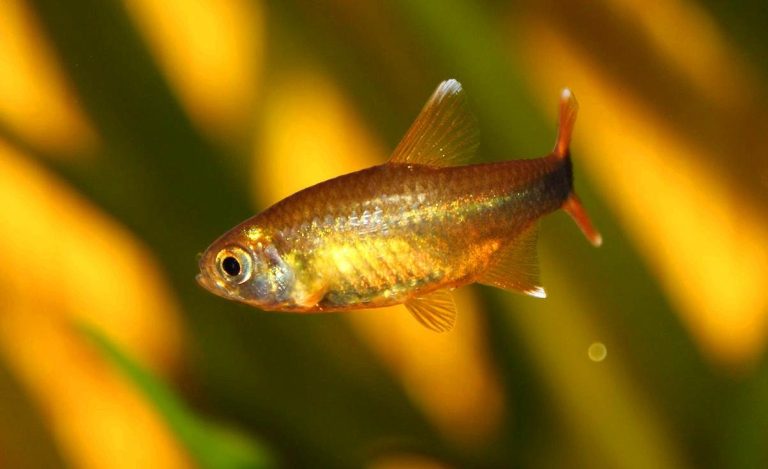
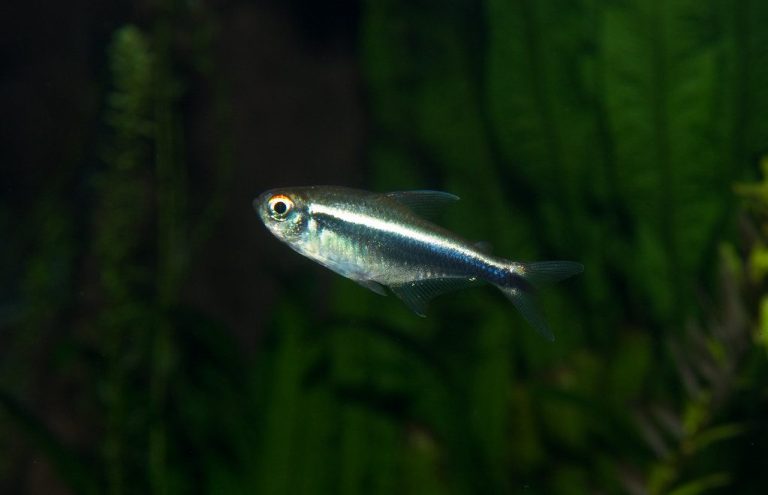
X-ray tetra fish facts reveal a hardy, translucent species scientifically known as Pristella maxillaris. These peaceful schooling fish are famous for their see-through bodies, distinctive yellow-black-white fins, and unique ability to tolerate slightly brackish water environments.
freshwater aquariums is filled with rich colors, but few fish offer the architectural beauty of the X-ray tetra. When I first started keeping fish over ten years ago, this was one of the first species that fascinated me because of its “internal” view.
Learning the most important x ray tetra fish facts is the first step toward creating a healthy community tank. These fish are not just hardy; they are a masterclass in evolutionary adaptation, showing off their skeletal structure as a form of natural camouflage.
In this guide, I will share my years of experience keeping these “Pristella” tetras. We will cover everything from their unique anatomy to the specific water chemistry they need to live a long, healthy life.
At a glance: Tetras (general) (Family Characidae and relatives)
- Temperature
- 72–80°F (22–27°C) for most species
- Water pH
- 6.0–7.5 for most species
- Adult size
- 1–3 in (2.5–8 cm)
- Minimum tank
- 10–30 gal depending on species
- Group size
- Groups of 6–10+
- Temperament
- Mostly peaceful schooling fish
- Diet
- Omnivores: quality flakes or micro pellets plus frozen foods
- Lifespan
- 3–8 years
Keeper’s tip: Schooling size matters more than tank size for most tetras: small groups hide, nip and stress.
Understanding the Biology of the X-ray Tetra
The X-ray tetra, or Pristella maxillaris, belongs to the family Characidae. This family is massive, but the Pristella stands out because it is the only species in its genus, making it biologically unique among its cousins.
One of the most remarkable anatomical features of this fish is the Weberian apparatus. This is a series of small bones that connects the swim bladder to the inner ear, significantly boosting their sense of hearing.
In my experience, this makes them much more sensitive to vibrations than other tetras. They often react to a room’s door closing or heavy footsteps near the tank long before other fish even notice a change.
The Translucent Mystery
The most striking feature is, of course, their translucent skin. This isn’t just for show; in the wild, being see-through makes it incredibly difficult for predators to spot them against the shimmering water surface.
You will also notice a distinct humeral spot, which is a dark mark located just behind the gills. This spot, combined with their colorful fins, helps them identify members of their own school in murky waters.
Another key feature is the presence of a small adipose fin located between the dorsal fin and the tail. While its exact purpose is still debated by scientists, it is a hallmark of many healthy characins.
Pro Tip: When observing your X-ray tetras, look for a slight golden or silver shimmer on their scales. If the fish appears “milky” or the internal organs are no longer visible, it is often an early sign of stress or bacterial infection.
x ray tetra fish facts Regarding Habitat and Water Parameters
In the wild, these fish are found in the Amazon and Orinoco river basins, as well as coastal rivers in South America. What makes them special is their brackish water tolerance, a rare trait for most tetras.
While they primarily live in freshwater, they can survive in slightly salty coastal waters during the rainy season. This adaptability is why I often recommend them to beginners who might still be mastering water stability.
To keep them well-kept, you should aim for a consistent environment. I have found that they display much better coloration when the water is slightly acidic to neutral.
| Parameter | Ideal Range |
|---|---|
| Temperature | 72°F to 82°F (22°C – 28°C) |
| pH Level | 6.0 to 7.5 |
| Water Hardness | 5 to 20 dGH |
| Minimum Tank Size | 15 to 20 Gallons |
The Importance of Peat Filtration
If you want to see their most natural behavior, I suggest using peat filtration. This involves adding aquarium-safe peat to your filter or using botanical tannins to slightly tint the water.
In my years of keeping Pristella maxillaris, I’ve noticed they become much bolder and more active in “blackwater” conditions. The tannins help mimic their natural Amazonian home and provide mild antibacterial properties.
Maintaining the ideal temperature settings is also essential for their metabolism. If the water is too cold, they become lethargic and their immune systems may weaken.
Setting Up the Perfect X-ray Tetra Tank
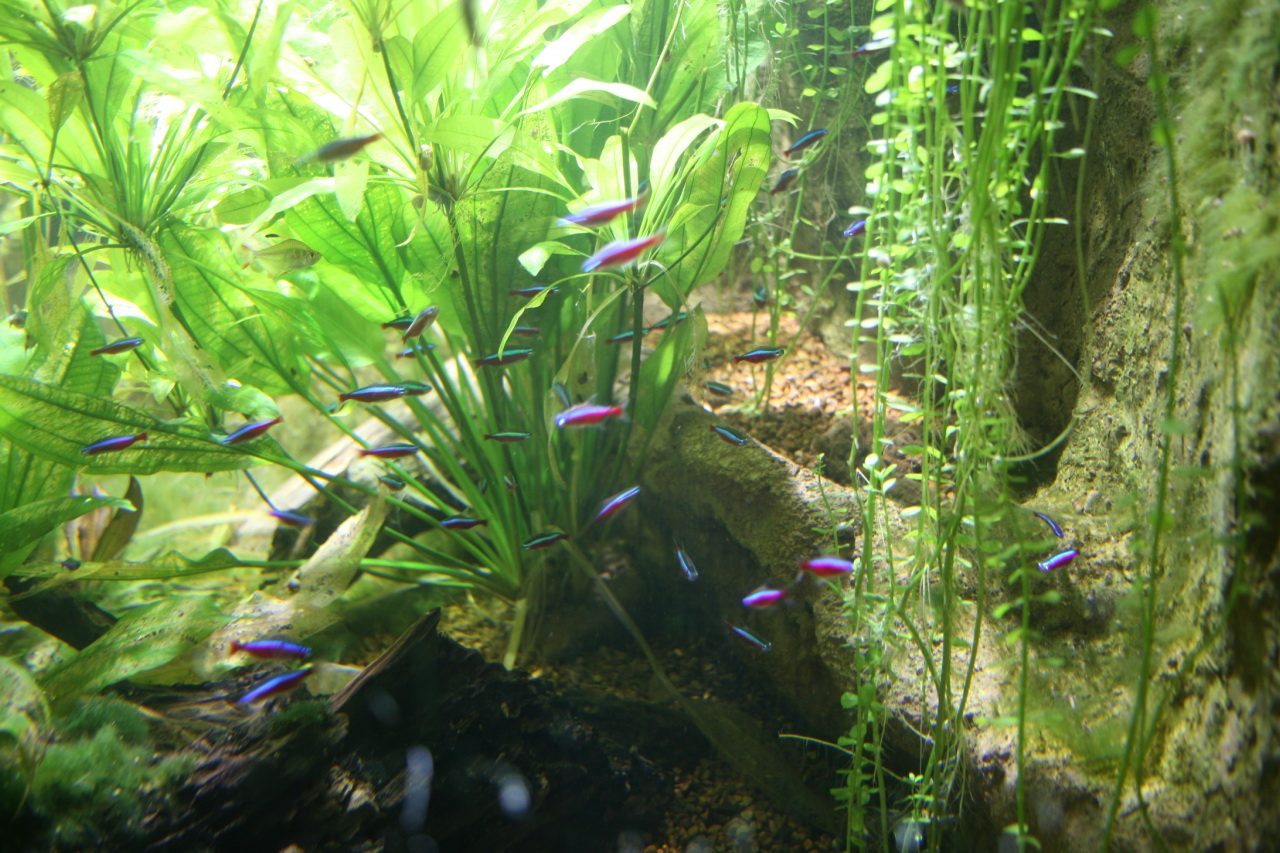
When designing a tank for these fish, think about their schooling nature. They are highly social and should never be kept in groups of fewer than six; however, a group of ten or more is where they shine.
I always recommend a heavily planted aquarium. Use species like Amazon Swords, Java Fern, or Vallisneria to provide plenty of hiding spots while leaving the center open for swimming.
Choosing the proper aquarium dimensions is vital because these are active swimmers. A long tank is always better than a tall, narrow one for tetras.
Lighting and Substrate
Because they are translucent, bright lights can sometimes wash them out or make them feel exposed. I prefer using floating plants like Frogbit or Salvinia to create dappled lighting across the tank.
For substrate, a dark sand or fine gravel is best. The dark background makes their yellow and black fin markings pop, and it mimics the riverbeds where they are naturally found.
I have found that a dark substrate also helps the fish feel more secure. When the floor of the tank is light-colored, these fish can sometimes become “pale” as they try to match their surroundings.
Diet and Nutrition for Ideal Health
X-ray tetras are omnivores and are generally not picky eaters. In the wild, they consume small insects, worms, and crustaceans. In the home aquarium, a varied diet is the secret to their longevity of these species.
I recommend a high-quality flake or micro-pellet as their daily staple. However, you should supplement this with live or frozen foods at least two to three times a week.
One of their favorite treats is Daphnia pulex. These small water fleas are excellent for their digestion and help bring out the intensity of the colors in their fins.
| Food Type | Benefits |
|---|---|
| High-Quality Flakes | Complete daily nutrition and vitamins. |
| Frozen Brine Shrimp | High protein for growth and energy. |
| Daphnia pulex | Natural laxative and color enhancer. |
| Freeze-Dried Bloodworms | Great occasional treat for conditioning. |
Feeding Frequency
I usually feed my tetras twice a day, giving them only what they can consume in about two minutes. Overfeeding is a common mistake that leads to poor water quality and nitrate spikes.
If you notice your fish are losing their translucent clarity, check your water parameters immediately. Often, a buildup of waste in the water is the first thing that affects their health.
To ensure you are maximizing their life expectancy, keep their diet as natural as possible. High-protein foods are especially important if you are planning to breed them.
Breeding the X-ray Tetra: An Egg Scatterer’s Journey
If you are looking for a challenge, breeding X-ray tetras is an incredibly rewarding experience. They are a classic egg scatterer, meaning they do not provide parental care to their offspring.
To successfully breed them, you will need a separate breeding tank. I usually use a 10-gallon tank with very soft water and a slightly higher temperature than the main display tank.
The bottom of the breeding tank should be covered in marble substrate or a spawning mop. This allows the eggs to fall into the gaps where the hungry parents cannot reach them.
Conditioning the Parents
Before breeding, condition the males and females with high-quality live foods for about two weeks. You can tell a female is ready when her belly becomes noticeably rounded with eggs.
I have found that the best results come from introducing the pair to the breeding tank in the evening. Spawning usually occurs at dawn the next morning as the first light hits the tank.
Common Mistake: Many beginners forget to remove the adult fish immediately after spawning. X-ray tetras will eat their own eggs if given the chance, so quick removal is essential for success.
Once the eggs are laid, they will hatch in about 24 to 36 hours. The fry are tiny and will require “infusoria” or liquid fry food until they are large enough to accept baby brine shrimp.
Common Health Issues and Prevention
The X-ray tetra is exceptionally hardy, but they are not invincible. Like most tropical fish, they are susceptible to the parasite Ichthyophthirius multifiliis, commonly known as “Ich” or white spot disease.
Ich usually appears as tiny white salt-like grains on the body and fins. It is often triggered by sudden temperature fluctuations or the stress of moving into a new tank.
Because of their translucent skin, you can often see internal issues before they become fatal. If you see white patches or “fluff” on their skin, it may be a fungal infection that requires immediate treatment.
Preventing Disease
The best way to prevent Ichthyophthirius multifiliis is to maintain a stable environment. I always quarantine new fish for at least two weeks before adding them to my main X-ray tetra colony.
Regular water changes are the most effective tool in your arsenal. I recommend a 25% water change every week to keep nitrates low and minerals replenished.
If you do need to medicate, be careful with the dosage. Because tetras can be sensitive to certain chemicals, I always start with a half-dose of any copper-based medications to see how they react.
Ideal Tank Mates for X-ray Tetras
Since these fish are so peaceful, they make excellent residents for a community tank. However, you should avoid keeping them with large, aggressive fish that might see them as a snack.
They pair beautifully with other small tetras, rasboras, and corydoras. I have also had great success keeping them with dwarf gouramis and peaceful livebearers like guppies.
If you are into shrimp keeping, X-ray tetras are generally safe with adult Neocaridina shrimp. However, like most fish, they will likely snack on tiny shrimplets if they find them in the open.
Compatible Species List
- Neon Tetras: Great for adding a splash of blue and red.
- Corydoras Catfish: Perfect for keeping the bottom of the tank clean.
- Honey Gourami: A peaceful center-piece fish that shares similar water needs.
- Cherry Shrimp: Safe as long as there is plenty of moss for cover.
- Zebra Danios: Another hardy species that enjoys the same water flow.
Avoid fish like Oscars, Jack Dempseys, or large Angelfish. While Angelfish are beautiful, as they grow, they can become quite predatory toward smaller, slender-bodied tetras.
Quick answers about X-ray Tetras
How long do X-ray tetras live?
Looked after properly and a varied diet, these fish typically live between 3 to 5 years. I have seen some well-cared-for specimens reach the 7-year mark in exceptionally stable tanks.
Are X-ray tetras aggressive?
Not at all. They are one of the most peaceful tetras available. However, if they are kept in a group that is too small, they may become nippy or stressed, which is why a school of at least six is necessary.
Can they live in a brackish water tank?
Yes, they are one of the few tetras with a high brackish water tolerance. While they flourish in freshwater, they can adapt to a low-salinity environment (specific gravity around 1.002 to 1.005).
Why is my X-ray tetra losing its color?
Loss of color is usually a sign of stress. This could be due to poor water quality, a lack of hiding spots, or an alpha fish in the tank bullying them. Check your ammonia and nitrite levels immediately.
Do X-ray tetras need a heater?
Absolutely. They are tropical fish and require a consistent temperature. Fluctuations in temperature can lead to a weakened immune system and diseases like Ich.
Final Thoughts on x ray tetra fish facts
The X-ray tetra is a showpiece of nature. Their translucent bodies provide a literal window into the biology of a living creature, making them a favorite for both children and experienced hobbyists.
Once you understand these x ray tetra fish facts, you can provide an environment where they don’t just survive, but do well. Remember to focus on their schooling needs, provide a varied diet including Daphnia pulex, and keep their water clean.
Whether you are setting up your first 20-gallon tank or adding to a massive community display, the Pristella maxillaris is a choice you won’t regret. Their hardy nature and unique appearance make them a staple of the aquarium hobby for a very good reason.
If you follow the advice in this guide—especially regarding peat filtration and proper schooling numbers—you will enjoy the shimmering beauty of these fish for many years to come.

- 2003First tank
- 20+Years keeping
- 40+Tanks kept
- 0Sponsored picks
Howard set up his first 10-gallon planted tank in 2003 and lost half of it within six weeks. Two decades and more than forty aquariums later, he writes the guides he wished he had then: clear numbers, the reasons behind them, and what actually goes wrong in home tanks.