Silvertip Tetra With Betta Fish – Can They Live Together?
While challenging, keeping Silvertip Tetra with betta fish can be successful in a spacious, heavily planted aquarium with a large school of tetras to diffuse aggression and a calm betta. Careful planning and diligent observation are essential to prevent fin nipping and stress in a community tank.
The allure of a vivid community aquarium often leads hobbyists to consider exciting combinations. One pairing that frequently sparks curiosity – and sometimes apprehension – is the energetic Silvertip Tetra with the majestic Betta fish. Both species bring distinct personalities and beautiful aesthetics to the freshwater tank, but their temperaments and needs can sometimes clash.
As someone who has personally maintained diverse community aquariums for over a decade, I understand the desire to create a peaceful and visually appealing underwater world. The question of whether Betta fish and tetras can coexist peacefully is a common one, and while many tetra species are suitable, the Silvertip Tetra presents a unique set of considerations.
This comprehensive guide will look deep into the compatibility of Silvertip Tetra with betta fish, providing you with the expert insights and practical advice needed to make an informed decision. We’ll explore their individual characteristics, ideal tank setups, stocking strategies, and how to troubleshoot potential issues, keeping the well-being of all your aquatic inhabitants.
At a glance: Silvertip tetra (Hasemania nana)
- Temperature
- 72–82°F (22–28°C)
- Water pH
- 6.0–8.0
- Adult size
- 2 in (5 cm)
- Minimum tank
- 20 gal
- Group size
- Groups of 8+
- Temperament
- Active, can nip fins
- Diet
- Omnivore: flakes, small pellets, frozen foods
- Lifespan
- 3–5 years
Keeper’s tip: A busy, fast swimmer that does best with other quick fish rather than slow long-finned species.
Understanding Each Species: Hasemania nana and Betta splendens
Before attempting any community tank pairing, it’s important to understand the fundamental needs and behaviors of each species involved. This forms the bedrock of a successful aquarium setup.
The Energetic Silvertip Tetra (Hasemania nana)
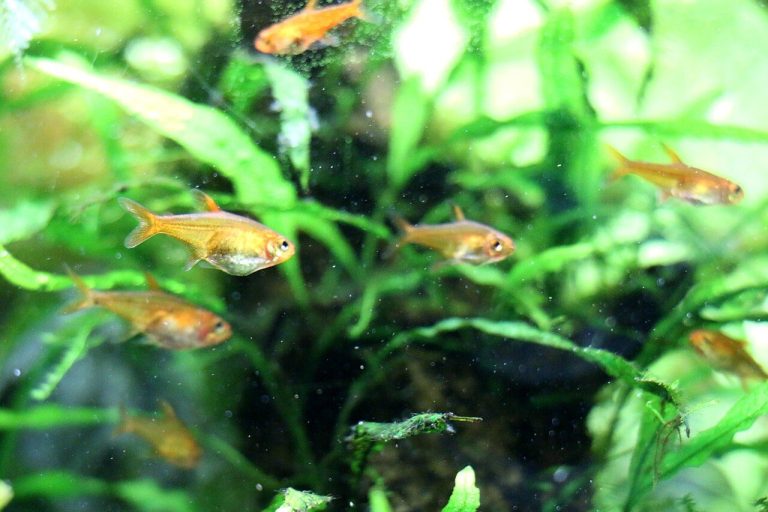
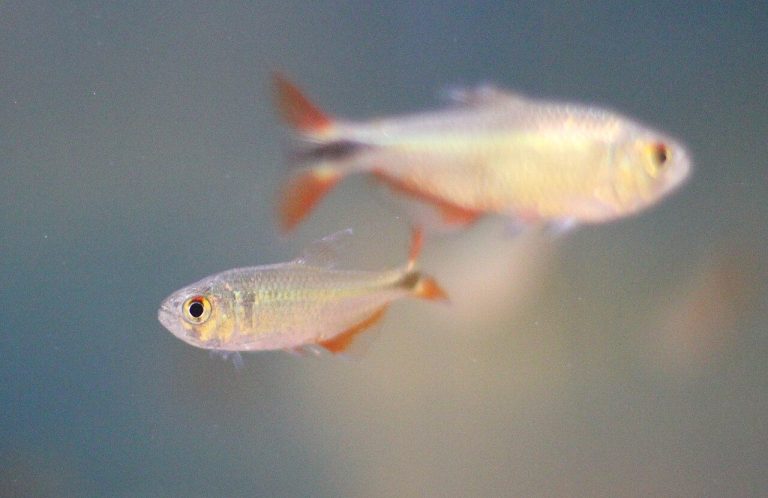
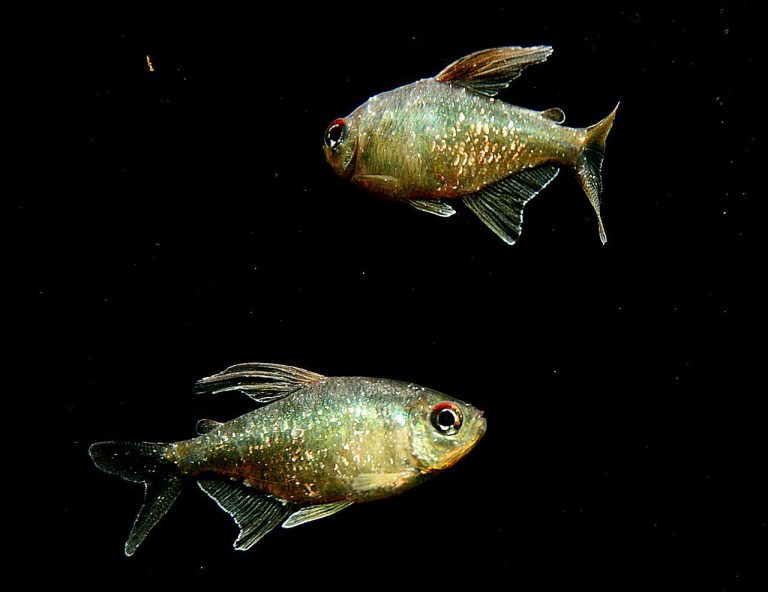
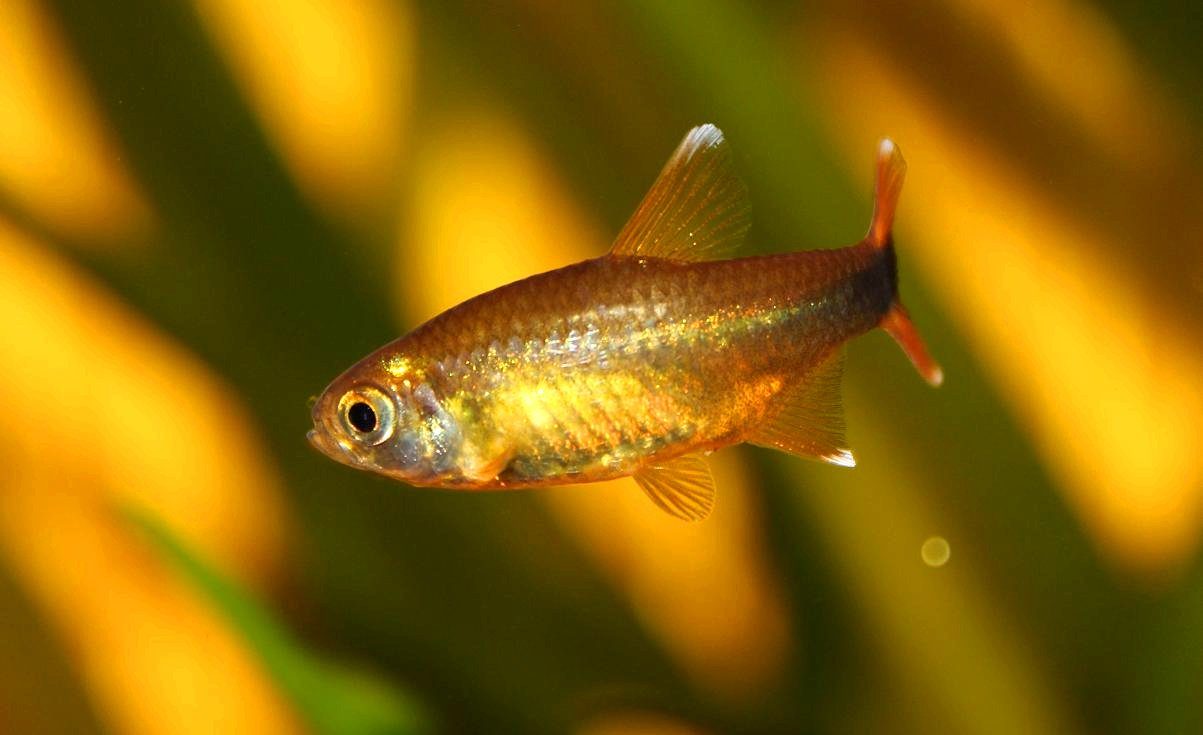
The Silvertip Tetra, scientifically known as Hasemania nana, is a beautiful and active freshwater fish hailing from South America. They are relatively small, typically reaching about 1.5 to 2 inches (3.8-5 cm) in length, and are easily recognized by their iridescent silver bodies and distinct white or yellow tips on their fins, especially the dorsal and caudal fins.
These tetras are known for their lively and somewhat boisterous nature. They are quintessential shoaling fish, meaning they stay healthy in groups. In my experience, keeping Silvertip Tetras in a school of at least six, and preferably eight to ten or more, is absolutely critical. A larger school helps to distribute any internal aggression among themselves, rather than directing it at other tank mates. If kept in too small a group, or if stressed, they can become notorious fin nippers.
The Majestic Betta Fish (Betta splendens)
The Betta fish, or Betta splendens, is arguably one of the most popular aquarium inhabitants, celebrated for its beautiful colors and flowing fins. Often called Siamese Fighting Fish, their reputation for aggression is well-earned, especially among males. However, the degree of aggression can vary wildly from one individual betta to another.
Bettas are labyrinth fish, possessing a specialized `labyrinth organ` that allows them to breathe atmospheric air directly from the surface. This adaptation is important to remember when considering tank setup and water parameters. They are generally slower-moving than tetras, preferring calm waters and plenty of hiding spots. Their long, delicate fins, particularly in varieties like Halfmoon or Crowntail, make them vulnerable to `fin nipping` from more active or aggressive tank mates.
Pro Tip: Individual Betta Personality is Key.
When considering a Silvertip Tetra with betta fish setup, the single most important factor is your specific betta’s personality. I’ve had bettas that were absolute saints, ignoring everything around them, and others that would flare at a snail. Spend time observing your betta in a solitary setup first. If it’s constantly flaring at its own reflection or anything that moves, it’s likely not a good candidate for this pairing.
Compatibility Deep Dive: Silvertip Tetra with Betta Fish
The core question revolves around whether the energetic, potentially nippy Silvertip Tetra can coexist peacefully with the slower, long-finned Betta. The answer is nuanced: it’s possible, but it requires careful planning and a deep understanding of their needs.
Potential Challenges to Address
The primary concern when housing Silvertip Tetra with betta fish is the `fin nipping` behavior of the tetras. Silvertips, particularly if stressed or in too small a school, might see the betta’s flowing fins as an inviting target. This isn’t necessarily malicious; it’s often a manifestation of their natural exploratory and sometimes boisterous `shoaling behavior`.
Conversely, a male betta, especially one with a strong territorial instinct, might perceive the quick movements of a school of tetras as a threat. This can lead to stress for the betta, flaring, and potentially even attacking the tetras, though the small, fast Silvertips are usually adept at evading a betta’s slower pursuit.
Factors for Successful Cohabitation
Success hinges on several critical factors that mitigate these potential conflicts. These include tank size, proper stocking, intelligent aquascaping, and vigilant observation.
Creating the Ideal Environment: Tank Setup and Water Parameters
A well-designed environment is the top priority for any community tank, especially one with potentially incompatible species. For Silvertip Tetra with betta fish, the physical layout and water chemistry play a huge role in minimizing stress and aggression.
Tank Size Matters Immensely
Forget the small tanks often marketed for bettas. For a community setup involving Silvertip Tetras, a minimum tank size of 20 gallons (75 liters) is absolutely essential. Personally, I wouldn’t attempt this pairing in anything less than a 29 or even 30-gallon tank. This increased volume provides ample swimming space for the active tetras and important personal territory for the betta. It also helps dilute waste products, contributing to better water quality.
Aquascaping for Success
The way you decorate your tank is not just for aesthetics; it’s a strategic tool for managing fish behavior. Here’s what to aim for:
- Heavy Planting: Dense live plants are your best friend. They provide hiding spots and visual barriers, breaking up lines of sight and reducing confrontation. Consider broad-leafed plants like Anubias, Amazon Swords, or Java Fern (Microsorum pteropus). Floating plants can also help diffuse light and provide a sense of security for the betta.
- Hiding Spots: Include caves, driftwood, and rock formations where your betta can retreat if it feels stressed or simply wants privacy. The tetras will also appreciate natural cover.
- Open Swimming Space: While heavily planted, make sure there’s still a good amount of open water in the mid-column for the Silvertip Tetras to shoal and swim freely.
- Substrate: A fine gravel or sand substrate is suitable for both species.
Adding driftwood or Indian almond leaves to the tank can release `tannic acid`, slightly lowering the pH and tinting the water. This mimics the natural blackwater habitats of many South American fish and bettas, creating a calmer, more natural environment that can reduce stress.
Pristine Water Parameters
Maintaining stable and appropriate water parameters is non-negotiable for the health of both species. While they have some overlap, precision is key. Here’s a quick comparison:
| Parameter | Silvertip Tetra | Betta Fish | Best Shared Range |
|---|---|---|---|
| Temperature | 72-79°F (22-26°C) | 75-82°F (24-28°C) | 75-78°F (24-26°C) |
| pH | 6.0-7.5 | 6.5-7.5 | 6.5-7.2 |
| Hardness (dGH) | 5-15 dGH | 3-10 dGH | 5-10 dGH (soft to moderately hard) |
Regular water changes (25-30% weekly) are key to keep nitrates low and maintain overall water quality. A good filtration system that provides gentle flow is also essential; strong currents can stress bettas.
Strategic Stocking and Observation
How you introduce your fish and how closely you monitor them in the initial stages can make or break the success of a Silvertip Tetra with betta fish community.
The Importance of Schooling Silvertip Tetras
As mentioned, Silvertip Tetras need a strong school. I cannot emphasize this enough: do not try to keep fewer than 6-8 Silvertip Tetras with a betta. A larger school acts as a `dither fish` group, making the betta feel more secure and distributing any potential nipping tendencies among the tetras themselves. The more tetras there are, the less likely any single tetra will focus its attention on the betta’s fins.
Choosing Your Betta Wisely
When selecting a betta for this particular community, consider the following:
- Temperament: Opt for a betta that appears calm and less aggressive at the store. Avoid bettas that are constantly flaring or showing signs of high stress.
- Fin Type: Shorter-finned varieties, like Plakats, are often better candidates. Their fins are less tempting targets for nipping and allow them to move more swiftly if needed. Long-finned bettas are more vulnerable.
- Age: Sometimes, younger bettas that grow up in a community environment can be more tolerant, but this is not a guarantee.
Introduction and Vigilant Monitoring
When introducing fish, always quarantine new arrivals for at least two weeks to help they are healthy. Once ready, I recommend adding the school of Silvertip Tetras to the established tank before adding the betta. This allows the tetras to establish their territory and reduces the betta’s territorial aggression when introduced.
After introducing the betta, observe the tank constantly for the first few hours, and then regularly for the next several days. Look for:
- Fin Nipping: Are the tetras nipping at the betta’s fins?
- Betta Stress: Is the betta hiding excessively, refusing to eat, or showing signs of clamped fins?
- Betta Aggression: Is the betta chasing or flaring aggressively at the tetras?
Be prepared with a backup plan, such as a separate tank, if the pairing doesn’t work out. It’s always better to separate fish than to risk injury or prolonged stress.
Common Mistake: Understocking Silvertip Tetras
A frequent error I’ve observed is trying to keep just 3-4 Silvertip Tetras due to tank size constraints or cost. This almost guarantees aggression. These fish need the security and social dynamics of a large school to feel safe and keep their nipping tendencies in check. Always aim for at least six, but preferably 8-10+ in a tank of 20-30 gallons or more for a peaceful Silvertip Tetra with betta fish setup.
Diet and Feeding Harmony
Proper nutrition is vital for the health and vibrancy of both Silvertip Tetras and Betta fish. Making sure both species receive adequate food without excessive competition is important in a community tank.
Varied Diet for Best Health
Both Silvertip Tetras and Betta fish are omnivores, but their dietary needs lean slightly differently. Silvertip Tetras will readily accept high-quality flake food, micro-pellets, and small frozen or live foods like daphnia, brine shrimp, and bloodworms. Bettas primarily consume protein, so their diet should be rich in high-quality betta pellets, frozen bloodworms, brine shrimp, and daphnia.
For a community tank, offer a varied diet that caters to both. High-quality flakes or small granules for the tetras, and betta-specific pellets for your betta. Supplement with frozen or live foods a few times a week to provide essential nutrients and enrichment.
Feeding Strategies to Prevent Competition
Due to the tetras’ active nature, they can sometimes outcompete the slower-moving betta for food. To make sure your betta gets enough, try these strategies:
- Targeted Feeding: Feed the tetras first, scattering food across the surface. While they are busy eating, gently drop a few betta pellets near your betta’s usual resting spot using tweezers or a feeding stick.
- Multiple Feeding Points: Spread food across different areas of the tank to allow all fish access.
- Observe Intake: Always watch to help both species are eating sufficiently.
Common Challenges and Solutions
Even with the best planning, challenges can arise in any community aquarium. Knowing how to identify and address them quickly is part of being a responsible aquarist.
Fin Nipping and Damage
If you observe your Silvertip Tetras nipping at your betta’s fins, immediate action is required. First, check your school size. If it’s too small, adding more Silvertip Tetras (after quarantine) can often resolve the issue by diffusing aggression. Ensure the tank is heavily planted with plenty of visual breaks.
If nipping continues and your betta’s fins are getting damaged, you may need to separate the fish. Fin damage can lead to bacterial infections like `Columnaris` if not kept pristine. Maintaining excellent water quality is essential for healing any nips.
Stress and Disease
Stress is a silent killer in aquariums. A stressed betta might hide constantly, lose color, refuse to eat, or develop clamped fins. Stressed tetras might become withdrawn, dart erratically, or show faded coloration. Persistent stress weakens the immune system, making fish susceptible to diseases.
Regularly test your water parameters and perform routine maintenance. Make sure the tank temperature is stable within the ideal range. If stress persists despite all efforts, separating the fish might be the only option. Early detection and intervention are key.
Betta Aggression Towards Tetras
While less common with fast-moving tetras, some bettas can be exceptionally aggressive. If your betta is constantly flaring, chasing, or attempting to attack the Silvertip Tetras, it’s a clear sign of incompatibility. In such cases, the betta may need to be rehoused in its own tank or with different, more sturdy tank mates that can stand up to its aggression, or that it simply ignores. You might consider other tetra species that are known to be more peaceful with bettas.
Common questions
Can Silvertip Tetras live with male bettas?
Yes, it is possible, but challenging. Success depends heavily on the individual temperament of the male betta, the size of the Silvertip Tetra school (at least 6-8, preferably more), and a spacious, heavily planted tank to provide hiding spots and break up lines of sight. Shorter-finned bettas (Plakats) generally fare better.
What size tank is needed for Silvertip Tetra and betta?
A minimum of a 20-gallon (75-liter) tank is required, but a 29 or 30-gallon tank is strongly recommended. This provides enough space for a large school of active Silvertip Tetras and ample territory for the betta to feel secure and retreat when needed.
Are Silvertip Tetras peaceful?
Silvertip Tetras are generally considered semi-aggressive. While they are not overtly aggressive, they are very active and can be prone to fin nipping, especially if kept in too small a school or a cramped environment. Their energy can also be overwhelming for slower, more timid fish.
Do Silvertip Tetras nip fins?
Yes, Silvertip Tetras are known fin nippers, particularly if they are not kept in a large enough school (minimum 6-8, preferably 10+) or if they are stressed. Their nipping behavior is often directed at fish with long, flowing fins, making bettas a potential target. Proper schooling and tank setup are important to mitigate this.
A last word
The journey of keeping Silvertip Tetra with betta fish is not for the faint of heart, but it is certainly achievable with the right knowledge and dedication. It requires an understanding of each species’ unique needs, careful tank preparation, and continuous observation.
If you provide a spacious, heavily planted aquarium, maintaining pristine water parameters, keeping a strong school of Silvertip Tetras, and carefully selecting a calm betta, you can increase your chances of success significantly. The well-being of your fish is always the top priority. Be prepared to intervene and separate them if necessary.
With careful planning and a commitment to their welfare, you can create a unusual and peaceful community tank that shows off the unique beauty of both the vivid Silvertip Tetra and the majestic Betta fish.

- 2003First tank
- 20+Years keeping
- 40+Tanks kept
- 0Sponsored picks
Howard set up his first 10-gallon planted tank in 2003 and lost half of it within six weeks. Two decades and more than forty aquariums later, he writes the guides he wished he had then: clear numbers, the reasons behind them, and what actually goes wrong in home tanks.