Neon Tetra Care Level – Care Guide
The neon tetra care level is generally considered beginner-friendly, but they require high water quality and stability. Success depends on maintaining soft, acidic water and avoiding rapid changes in temperature or chemistry.
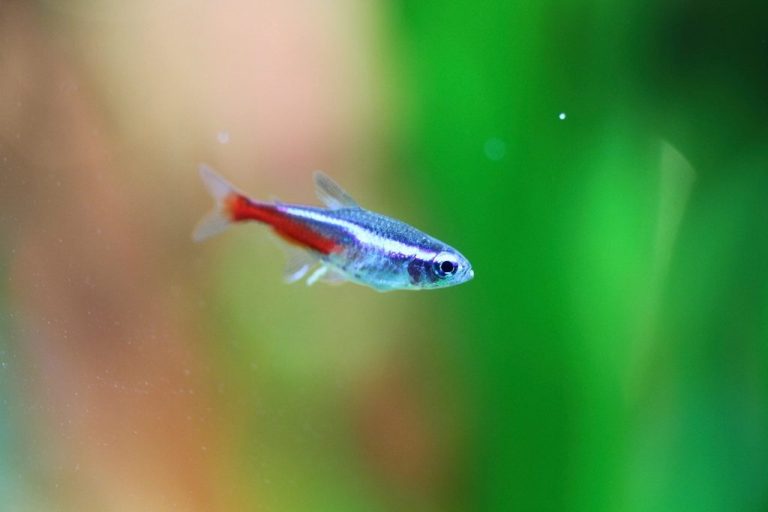
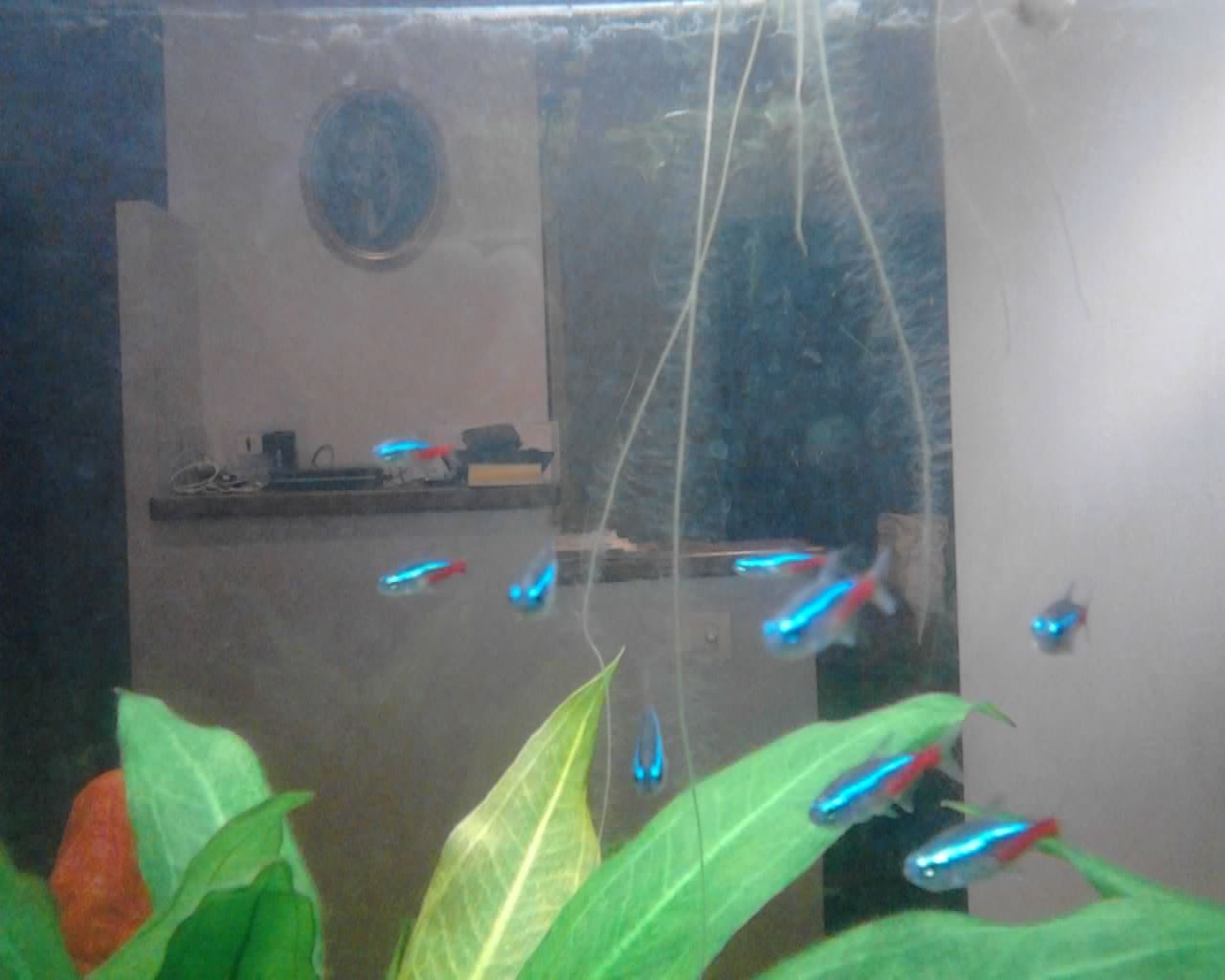
When you walk into any local fish store, the first thing that usually catches your eye is the shimmering blue and red of a neon tetra school. These tiny fish, scientifically known as Paracheirodon innesi, have been a staple of the hobby for decades. Their popularity is well-deserved, but many beginners struggle to keep them alive for the long term.
In my experience, the neon tetra care level is often misunderstood as being “set it and forget it.” While they are hardy in the right conditions, they are incredibly sensitive to fluctuations in water chemistry. If you want to see your fish settle in and display their most intense colors, you need to understand their specific biological needs.
Over the last ten years of maintaining various community tanks, I have found that success with neons comes down to preparation. They are not fish that handle “new tank syndrome” well. You must help your aquarium is fully cycled and stable before introducing these delicate jewels to their new home.
At a glance: Neon tetra (Paracheirodon innesi)
- Temperature
- 72–78°F (22–26°C)
- Water pH
- 6.0–7.0
- Adult size
- 1.5 in (4 cm)
- Minimum tank
- 10 gal (20 gal for a proper school)
- Group size
- Groups of 8+
- Temperament
- Peaceful
- Diet
- Omnivore: micro pellets, flakes, frozen daphnia
- Lifespan
- 5–8 years
Keeper’s tip: Add neons only to a fully cycled, stable tank; they are among the first fish to suffer from ammonia swings.
Understanding the Neon Tetra Care Level and What to Expect
The neon tetra care level is officially classified as “Easy,” but I prefer to call it “Intermediate-Beginner.” This is because, unlike some bulletproof species like danios, neons have a lower tolerance for poor water quality. They are often mass-bred, which can sometimes lead to genetic weaknesses that require a more diligent keeper.
When we talk about the neon tetra care level, we are really talking about the keeper’s ability to maintain consistency. If you can master the nitrogen cycle and perform regular water changes, you will find them very satisfying. However, if you tend to skip maintenance, these fish will be the first to show signs of stress.
Pro Tip: Always drip acclimate your neon tetras over a period of 40 to 60 minutes. Because they are sensitive to changes in osmoregulation, a slow transition from the store water to your tank water can drastically reduce initial mortality rates.
The difficulty also depends on the maturity of your aquarium. I always recommend waiting at least 4 to 6 weeks after a tank has finished cycling before adding neons. A mature tank has a more stable biofilm and bacterial colony, which acts as a safety net for these small fish.
Is It the Right Fish for You?
If you are looking for a fish that interacts with you like a cichlid, the neon tetra might not be the choice. However, if you want a peaceful, striking display that brings a “moving art” quality to your room, they are perfect. They are gentle tank mates that rarely show aggression toward other species.
Before buying, consider your local tap water. If your water is extremely hard and alkaline, you may need to do more work to achieve the proper neon tetra care level. These fish originate from the soft, acidic waters of the Amazon, and replicating those conditions is key to their longevity.
Water Parameters and the Blackwater Biotope
To master the neon tetra care level, you must understand where they come from. In the wild, Paracheirodon innesi inhabits slow-moving forest streams. These waters are often stained the color of tea by tannic acid and humic substances released from decaying leaves and wood.
This environment is known as a blackwater biotope. The water is naturally very soft with low Carbonate hardness (KH) and General hardness (GH). Recreating these conditions helps the fish feel secure and keeps their immune systems strong against common pathogens.
| Parameter | Ideal Range |
|---|---|
| Temperature | 70°F to 81°F (21°C – 27°C) |
| pH Level | 6.0 to 7.0 |
| General Hardness (GH) | 2 to 10 dGH |
| Carbonate Hardness (KH) | 1 to 2 dKH |
| Ammonia / Nitrite | 0 ppm |
| Nitrate | < 20 ppm |
Managing Hardness and pH
If your tap water is naturally hard, you can use peat moss filtration to help lower the pH and soften the water. Adding Indian Almond leaves or driftwood will also release tannins into the water. Not only does this mimic their natural habitat, but it also provides antibacterial benefits.
I’ve noticed that when I keep my neons in slightly acidic water, their red stripe becomes much more vivid. In alkaline water, they often look washed out and may breathe more rapidly. This is because high pH can interfere with their internal osmoregulation, making their bodies work harder just to stay balanced.
Setting Up the Ideal Neon Tetra Aquarium
Choosing the right tank is the first step in managing the neon tetra care level effectively. While you might see them sold for tiny “nano” tanks, I strongly advise against anything smaller than 10 gallons. In fact, a 20-gallon long aquarium is the “sweet spot” for a beautiful, active school.
When choosing the right aquarium volume, you are buying yourself a margin for error. Small tanks fluctuate in temperature and chemistry much faster than larger ones. A larger volume of water stays stable longer, which is exactly what these sensitive fish need.
Neons are mid-water swimmers, meaning they spend most of their time in the center of the tank. They love a heavily planted environment with plenty of hiding spots. Plants like Java Fern, Anubias, and Amazon Swords provide cover and help maintain water quality by absorbing nitrates.
| Feature | Recommendation |
|---|---|
| Minimum Tank Size | 10 Gallons (20 Gallons preferred) |
| Substrate | Dark sand or fine gravel |
| Lighting | Subdued or dimmed with floating plants |
| Filtration | Low to medium flow (Sponge or HOB) |
The Importance of Schooling
Neon tetras are social creatures that find safety in numbers. To maintain a healthy neon tetra care level, you should never keep fewer than six individuals. Personally, I find that a group of 10 to 15 is where their natural schooling behavior really shines.
In a large group, they feel more secure and are less likely to hide. When they are kept in pairs or small groups, they often become stressed and their immune systems weaken. Stress is the number one killer of tetras, so a large school is actually a health requirement.
Pro Tip: Use a dark substrate and a dark background. Neon tetras have evolved to be camouflaged from predators above. Against a dark background, their neon blue stripe “pops” and they feel much more hidden and safe, reducing stress levels significantly.
Diet and Nutrition for Bright Health
Feeding is one of the easiest parts of the neon tetra care level, as they are omnivores and not picky eaters. However, providing a varied diet is the difference between a surviving fish and a well-kept one. In the wild, they eat tiny crustaceans, insect larvae, and algae.
I recommend a high-quality micro-pellet or a crushed flake as their staple food. Because they have very small mouths, ensure the food is appropriately sized. If the pieces are too large, they will struggle to eat and the leftover food will rot, causing a spike in ammonia.
To bring out their best colors, supplement their diet with frozen or live foods. Baby brine shrimp, daphnia, and bloodworms are excellent choices. I try to offer these “treats” twice a week to make sure they get the necessary proteins and fats for growth.
Be careful not to overfeed. Their stomachs are roughly the size of their eyes. Any food that falls to the bottom often goes uneaten, as neons are not bottom-feeders. Only feed what they can consume in about two minutes to keep the water clean.
Common Health Challenges and Disease Prevention
Even with a perfect neon tetra care level, you may encounter health issues. These fish are particularly susceptible to Nitrite sensitivity. Even a small trace of nitrite in the water can damage their gills and lead to “gasping” at the surface.
The most feared ailment in the hobby is Pleistophora hyphessobryconis, commonly known as Neon Tetra Disease. This is a microsporidian parasite that is currently incurable. It typically presents as a loss of color in a specific patch of the body, followed by spinal curvature and difficulty swimming.
Prevention is the only cure for Neon Tetra Disease. Always quarantine new arrivals for at least two weeks before adding them to your main display. If you see a fish showing signs of the disease, remove it immediately to prevent the parasite from spreading to the rest of the school.
Other common issues include Ich (White Spot Disease) and Fin Rot. These are usually caused by stress or poor water quality. Maintaining a stable temperature and performing weekly 25% water changes are your best defenses against these opportunistic infections.
Compatible Tank Mates for a Peaceful Community
Because of their small size and peaceful nature, choosing the right neighbors is vital for the neon tetra care level. You want to avoid any fish large enough to fit a neon in its mouth. To a large angelfish or a big catfish, a neon tetra is simply an expensive snack.
When building a vivid community tank, look for other small, peaceful species. Rasboras, Corydoras, and small gouramis make excellent companions. They all share similar water requirements and won’t out-compete the neons for food.
If you are a shrimp lover, neons are generally safe. While they might snack on a very tiny newborn shrimplet, they usually leave adult cherry shrimp alone. This makes them a popular choice for planted aquascapes that feature shrimp keepers‘ favorite invertebrates.
Avoid “fin nippers” like certain larger tetras or aggressive barbs. Even though neons don’t have long, flowing fins, constant harassment from aggressive tank mates will stress them out. A stressed neon is a fish that will likely get sick within a week.
Still wondering?
How many neon tetras can I keep in a 10-gallon tank?
In a 10-gallon tank, you can comfortably keep a school of 6 to 8 neon tetras. I wouldn’t recommend more than that, as you want to leave room for a few bottom-dwellers like pygmy corydoras and make sure the bioload doesn’t overwhelm the filter.
What is the typical lifespan of a neon tetra?
With a high neon tetra care level, these fish can live for 5 to 8 years. However, in many home aquariums, they only live for 2 to 3 years due to water quality fluctuations. Providing a stable environment is the key to their longevity.
Do neon tetras need a heater?
Yes, neon tetras are tropical fish and require a consistent temperature. Fluctuations in temperature can weaken their immune systems. I recommend a reliable heater set between 74°F and 76°F for most community setups.
Why are my neon tetras losing their color at night?
This is completely normal. Neon tetras “turn off” their colors when they sleep to hide from predators. When you turn the lights on in the morning, they may look pale for 15 to 30 minutes before their rich stripes return.
Can neon tetras live with Betta fish?
This is a common question. It can work, but it depends on the Betta’s personality. Since neons are fast and stay in the mid-water, they often avoid the Betta. However, if the tank is too small (under 10 gallons), the Betta may become territorial.
Wrapping up
Achieving a successful neon tetra care level is a journey of consistency and observation. These fish are more than just “starter fish”; they are a window into the complex and beautiful ecosystems of the Amazon. If you focus on water stability and a stress-free environment, you can enjoy their brilliance for many years.
The foundation of a healthy bright school of neons is a mature tank and a dedicated keeper. Don’t be discouraged if you face challenges early on. Every aquarist has learned through trial and error, and these small fish are excellent teachers of the art of fish keeping.
Keep your water clean, your school large, and your diet varied. If you follow these principles, your neon tetras will remain the glowing centerpiece of your aquarium, proving why they are one of the most well-loved fish in the history of the hobby.

- 2003First tank
- 20+Years keeping
- 40+Tanks kept
- 0Sponsored picks
Howard set up his first 10-gallon planted tank in 2003 and lost half of it within six weeks. Two decades and more than forty aquariums later, he writes the guides he wished he had then: clear numbers, the reasons behind them, and what actually goes wrong in home tanks.