Tetra Tank Size – The Ultimate Guide To Choosing The Perfect Aquarium
The ideal tetra tank size depends on the specific species, but a 10 to 20-gallon long aquarium is the recommended minimum for most schools to ensure adequate horizontal swimming space and water stability.
When you first start exploring fish keeping, it is easy to fall in love with the rich colors and rhythmic movements of tetras. Determining the correct tetra tank size is perhaps the most critical decision you will make for their long-term health and happiness.
In my decade of maintaining various community setups, I have seen many beginners struggle because they underestimated how much room these active swimmers need. While they are often sold as “starter fish,” their schooling nature means they require more than just a tiny bowl or a cramped five-gallon tank.
Finding the right balance between the number of fish and the volume of water is an art as much as a science. It involves understanding their social structures, their impact on water chemistry, and the physical space they need to do well rather than just survive.
At a glance: Tetras (general) (Family Characidae and relatives)
- Temperature
- 72–80°F (22–27°C) for most species
- Water pH
- 6.0–7.5 for most species
- Adult size
- 1–3 in (2.5–8 cm)
- Minimum tank
- 10–30 gal depending on species
- Group size
- Groups of 6–10+
- Temperament
- Mostly peaceful schooling fish
- Diet
- Omnivores: quality flakes or micro pellets plus frozen foods
- Lifespan
- 3–8 years
Keeper’s tip: Schooling size matters more than tank size for most tetras: small groups hide, nip and stress.
Understanding Tetra Tank Size Requirements
The most common question I receive is whether a specific tetra tank size is “enough” for a handful of fish. To answer this, we have to look past the physical size of the fish and focus on their behavior.
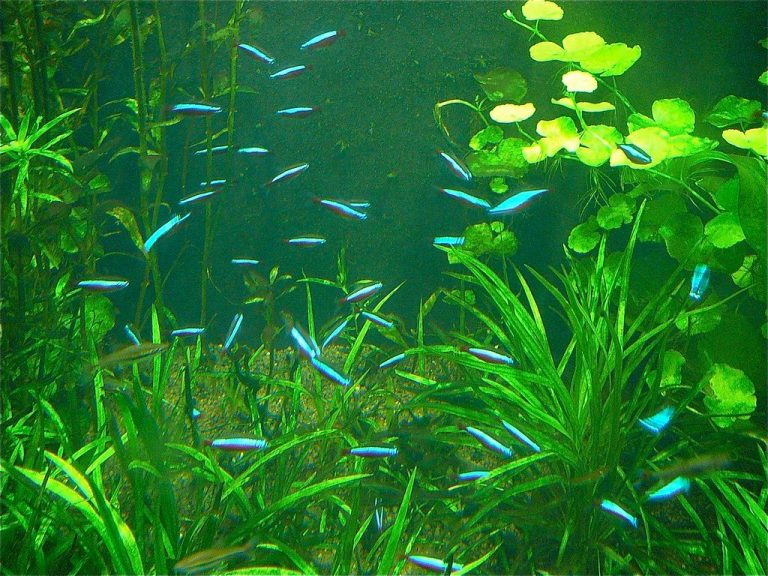
Tetras are shoaling fish, meaning they need to be kept in groups of at least six to ten individuals to feel secure. This social requirement immediately increases the necessary volume of the aquarium to prevent stress and aggression.
A larger volume of water provides a more stable environment, buffering against rapid changes in temperature or pH. In smaller setups, even a minor mistake in feeding can lead to a dangerous spike in ammonia, which can be fatal for sensitive species.
The Myth of the One-Gallon-Per-Inch Rule
Many old-school guides suggest the “one inch of fish per gallon” rule, but I have found this to be dangerously misleading. This rule does not account for the activity level of the fish or the bioload capacity of the filtration system.
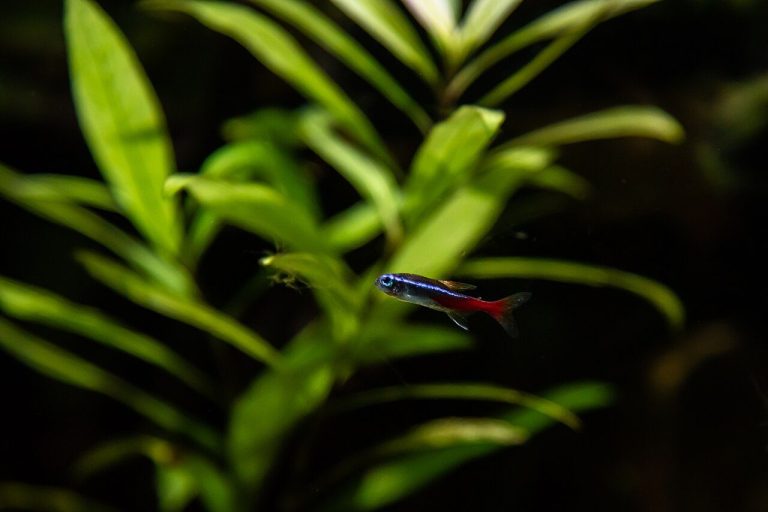
For example, six active Paracheirodon innesi (Neon Tetras) need far more space than a single slow-moving fish of the same total length. They need room to dart, play, and establish a “pecking order” within their school without constantly hitting the glass walls.
Pro Tip: Always choose the largest tank your space and budget allow. A 20-gallon long tank is often easier to maintain than a 10-gallon tank because the larger volume of water is much more forgiving of beginner errors.
The Importance of Horizontal Swimming Space
When selecting an aquarium, the shape is just as important as the total volume. Tetras are horizontal swimmers that rarely spend time moving vertically up and down the water column.
A “tall” or “column” style tank might hold 20 gallons, but it offers very little horizontal swimming space. This can lead to pent-up energy and “glass surfing,” where fish swim frantically against the sides because they feel trapped.
I always recommend “Long” or “Breeder” style tanks for characins. These footprints maximize the distance a fish can travel in a straight line, which is essential for their natural shoaling behavior.
Surface Area and Oxygen Exchange
A wider tank also provides a better surface area to volume ratio. This is vital because oxygen enters the water through the surface, and carbon dioxide exits the same way.
The more surface area you have, the better the gas exchange, which supports a higher nitrification capacity in your substrate and filter. This makes sure your water stays crisp and clear, even with a full school of fish.
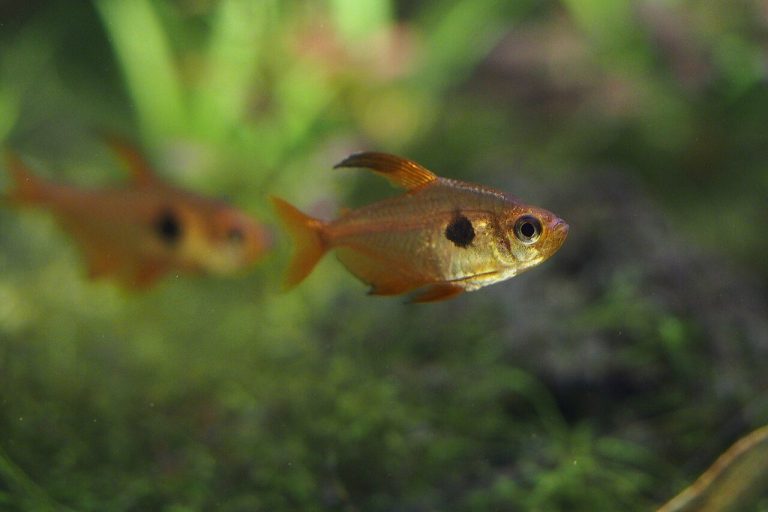
If you are looking at selecting various species, keep in mind that their activity levels vary. A Rummy Nose Tetra is a much more vigorous swimmer than a Flame Tetra and will demand a longer tank to be comfortable.
Species-Specific Size Guidelines
Not all tetras are created equal when it comes to their space requirements. Some stay tiny, while others can grow significantly larger than people expect.
Below is a breakdown of common species and their minimum requirements. Using this data will help you avoid the heartbreak of a cramped and sickly aquarium.
| Tetra Species | Minimum Tank Size | Minimum Group Size | Max Size (Inches) |
|---|---|---|---|
| Neon Tetra (P. innesi) | 10 – 15 Gallons | 6 – 8 | 1.5″ |
| Cardinal Tetra (P. axelrodi) | 20 Gallons | 8 – 10 | 2.0″ |
| Rummy Nose (H. rhodostomus) | 20 Gallons Long | 10+ | 2.0″ |
| Ember Tetra | 5 – 10 Gallons | 8 – 12 | 0.8″ |
| Congo Tetra | 40 – 55 Gallons | 6 | 3.5″ |
Considerations for Larger Species
If you are interested in larger varieties, such as the Congo Tetra, you must account for their significant stocking density. These fish are powerful swimmers and can become skittish if they feel cramped in a small space.
For those interested in stocking levels for larger species, keep in mind that even if they “fit” in a 10-gallon, they will never display their best colors or natural behaviors in such a small volume.
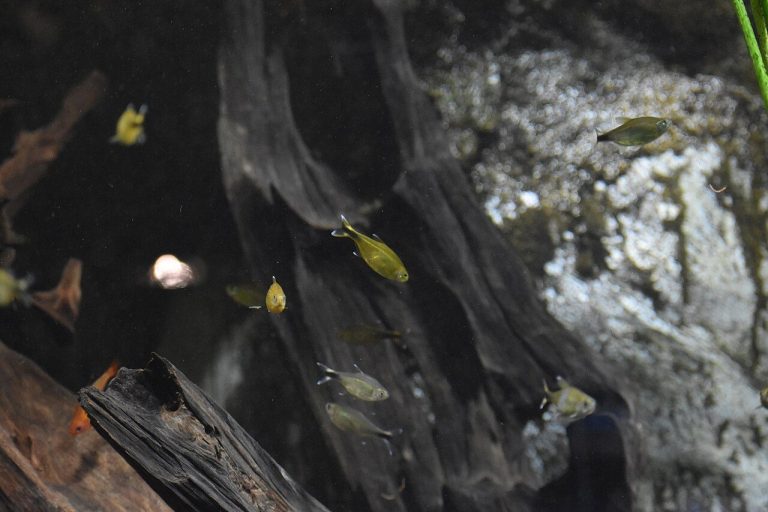
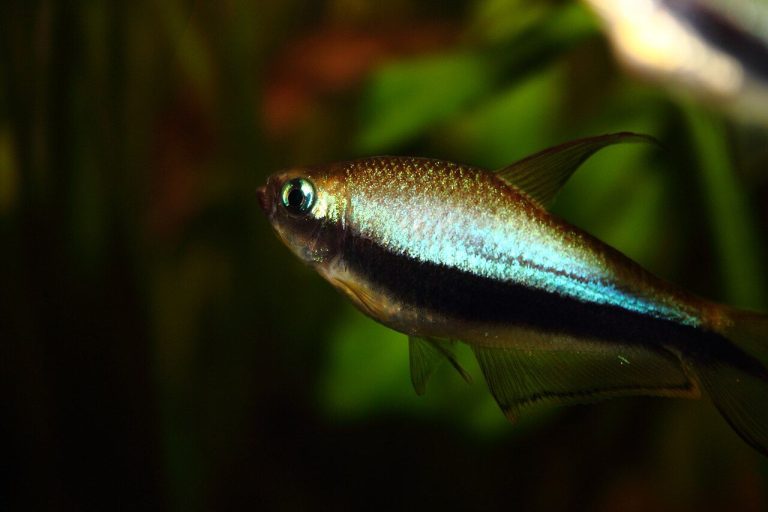
I have found that Diamond Tetras and Emperor Tetras particularly benefit from the extra room. They tend to develop much longer, more impressive finnage when they have the space to swim without stress.
Managing Bioload Capacity and Filtration Needs
Choosing the right tetra tank size is only half the battle; you also need to manage the waste produced by your school. Every fish adds to the “bioload,” which is the total amount of organic waste that the nitrogen cycle must process.
Tetras are generally “low-bioload” fish compared to goldfish or cichlids, but a large school can still overwhelm a weak filter. I recommend a filter that provides at least 4 to 6 gallons per hour (GPH) of turnover for every gallon of water in your tank.
In my experience, using an oversized sponge filter or a high-quality hang-on-back filter is the best way to maintain nitrification capacity. This helps make sure that ammonia and nitrites are quickly converted into less harmful nitrates.
The Role of Live Plants
Live plants are a secret weapon for maintaining a healthy tetra tank. They absorb nitrates and provide natural hiding spots, which can actually allow you to keep a slightly larger school in a given space.
Plants like Java Fern, Anubias, and Amazon Swords help mimic the natural blackwater or clearwater environments where these fish originate. This reduces stress and encourages the colorful coloration we all love in proper maintenance of neons and other species.
Pro Tip: When calculating your bioload, keep in mind that “stuff” takes up space. Substrate, rocks, and driftwood can displace 10-20% of your water volume, meaning your 20-gallon tank might only hold 17 gallons of actual water.
How to Avoid Common Stocking Pitfalls
One of the biggest mistakes I see is the “Skittles” approach to stocking. This is when a hobbyist buys two of every tetra color they see, thinking it looks nice.
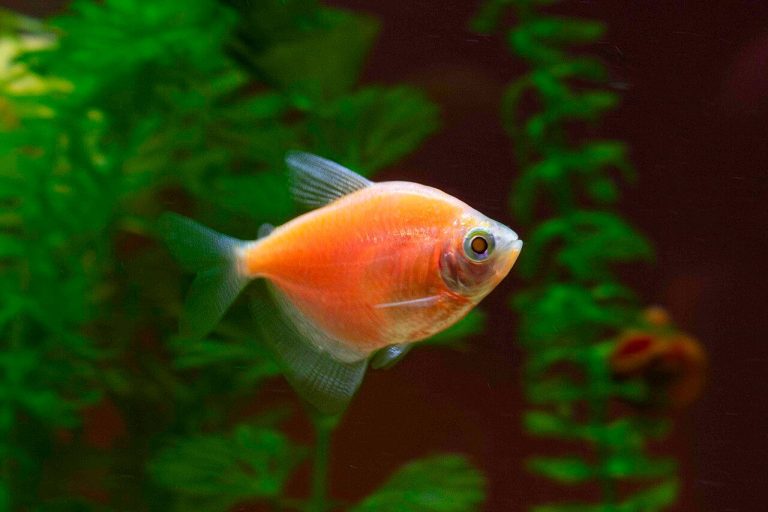
Because tetras are shoaling fish, they need the security of their own kind. A group of two Neons, two Glowlights, and two Cardinals will often be stressed and hide constantly.
Instead, pick one or two species and get a larger group of each. They will school together much more tightly, look more impressive, and be much healthier in the long run.
Recognizing Signs of Overstocking
If your tetra tank size is too small for the population, you will notice several warning signs. The most obvious is lethargy or gasping at the surface, which indicates low oxygen levels.
You might also see increased aggression, where one fish constantly chases others away from a specific corner. This is usually a sign that there isn’t enough physical room for everyone to coexist peacefully.
Finally, if you find yourself doing massive water changes every three days just to keep nitrates under 20ppm, your tank is likely overstocked. Increasing the tank size or reducing the population is the only sustainable solution.
Setting Up Your Tetra Tank for Long-Term Success
Once you have selected the appropriate tetra tank size, the setup phase begins. Focus on creating an environment that encourages natural movement and provides safety.
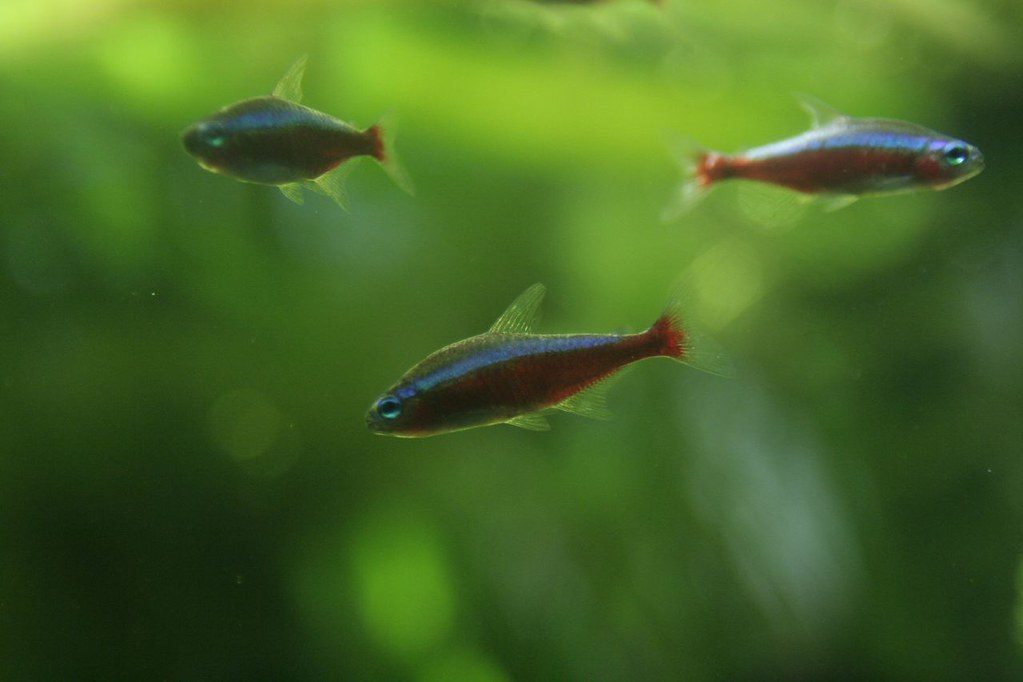
Start with a dark substrate, which helps the iridescent colors of species like the Cardinal Tetra pop. Use driftwood and leaf litter to add tannins if you are keeping soft-water species, as this mimics their natural Amazonian habitats.
Ensure the water flow is moderate; tetras enjoy a bit of current but shouldn’t be struggling to stay in one place. A gentle ripple on the surface is perfect for gas exchange without exhausting the fish.
The Importance of a Lid
Many new keepers are surprised to learn that tetras are excellent jumpers. When they get excited during feeding or startled by a sudden light, they can easily launch themselves out of the tank.
Always make sure your aquarium has a tight-fitting lid or a mesh cover. This simple step can prevent the tragic loss of your favorite fish and helps maintain a stable water temperature by reducing evaporation.
Questions and answers
Can I keep 6 Neon Tetras in a 5-gallon tank?
While they might physically fit, I do not recommend it. A 5-gallon tank does not provide enough horizontal swimming space for their active nature, and the water quality will be very difficult to maintain.
What is the best tank shape for tetras?
Long, rectangular tanks are always better than tall or cube-shaped tanks. The increased length allows for natural schooling behavior and better oxygenation at the surface.
How many tetras can I put in a 20-gallon tank?
In a well-filtered 20-gallon long tank, you can comfortably keep a school of 12 to 15 small tetras like Neons or Embers, or about 8 to 10 slightly larger species like Black Skirt Tetras.
Do tetras need a heater in their tank?
Yes, most tetras are tropical fish and require a stable temperature between 75°F and 80°F. A smaller tank will fluctuate in temperature more quickly, making a high-quality heater essential.
Can different tetra species school together?
Sometimes they will “shoal” together for protection, but they prefer their own species. For the best behavior and health, keep them in groups of at least six of the same species.
Where that leaves you
Choosing the right tetra tank size is the foundation of a successful aquarium hobby. If you prioritise horizontal space and water volume, you are giving your fish the environment they need to display their most vivid colors and remarkable social behaviors.
A 20-gallon long aquarium is the “sweet spot” for most hobbyists. It offers enough room for a beautiful school of fish while remaining manageable for routine maintenance.
As you gain experience, you will start to see the difference that space makes. Your tetras will be more active, less prone to disease, and much more satisfying to watch.

- 2003First tank
- 20+Years keeping
- 40+Tanks kept
- 0Sponsored picks
Howard set up his first 10-gallon planted tank in 2003 and lost half of it within six weeks. Two decades and more than forty aquariums later, he writes the guides he wished he had then: clear numbers, the reasons behind them, and what actually goes wrong in home tanks.