Buenos Aires Tetra Cold Water Tank – Setup Checklist
Buenos Aires tetras are highly successful in cold water tanks, healthy in temperatures between 64°F and 72°F. Their eurythermal nature allows them to maintain metabolic homeostasis in unheated subtropical setups better than most tropical species.
Building a buenos aires tetra cold water tank is one of the most satisfying projects for an aquarist looking to move beyond the standard tropical heater-reliant setup. In my experience, these fish are often misunderstood as strictly tropical, but they are actually incredibly hardy subtropical gems.
Most hobbyists think they need to keep every tetra at a constant 78°F, but the Buenos Aires tetra (Hyphessobrycon anisitsi) tells a different story. Having kept these boisterous characins for over a decade, I’ve noticed they often show better coloration and more natural behavior in slightly cooler environments.
When you set up a buenos aires tetra cold water tank, you are tapping into their natural resilience and creating a unique aquatic display. This guide will walk you through everything from water chemistry to the specific plants that can survive their voracious appetites.
At a glance: Buenos Aires tetra (Psalidodon anisitsi)
- Temperature
- 64–82°F (18–28°C)
- Water pH
- 5.8–8.5
- Adult size
- 2.75 in (7 cm)
- Minimum tank
- 30 gal
- Group size
- Groups of 6+
- Temperament
- Boisterous, eats soft plants
- Diet
- Omnivore with a plant appetite: flakes, pellets, blanched greens
- Lifespan
- 5 years
Keeper’s tip: They will strip soft-leaved plants, so use tough species like java fern and anubias.
Understanding the Subtropical Nature of Hyphessobrycon anisitsi
The Buenos Aires tetra originates from the La Plata River basin biotope, stretching across parts of Argentina, Brazil, and Paraguay. This region is not a consistent tropical rainforest; it experiences significant seasonal temperature shifts.
Because they come from this environment, these fish are classified as eurythermal. This means they possess a wide tolerance for temperature fluctuations, making them the perfect candidates for an unheated indoor aquarium.
In their home waters, they belong to the family Characidae. They have evolved to handle both the heat of summer and the chill of winter, which is why they adapt so well to a buenos aires tetra cold water tank.
Pro Tip: Many beginners assume “cold water” means freezing, but for these fish, it refers to a subtropical thermal range. In a typical home, an unheated tank usually stays between 65°F and 70°F, which is the “sweet spot” for this species to stay healthy without the stress of extreme heat.
Benefits of a Buenos Aires Tetra Cold Water Tank
Choosing a cooler setup offers several physiological advantages for your fish. One of the most significant benefits is the increased dissolved oxygen saturation found in cooler water.
Warmer water holds less oxygen, which can lead to gasping or stress in high-energy fish. In a buenos aires tetra cold water tank, the higher oxygen levels support their active swimming style and solid metabolism.
Furthermore, keeping them at the lower end of their temperature range can actually help them achieve better metabolic homeostasis. This often results in a longer lifespan and a decreased susceptibility to certain heat-loving pathogens.
| Parameter | Ideal Range for Cold Water Setup |
|---|---|
| Temperature | 64°F – 72°F (18°C – 22°C) |
| pH Level | 6.5 – 8.0 |
| General Hardness (dGH) | 10 – 25 dGH |
| Carbonate Hardness (dKH) | 4 – 12 dKH |
Designing the Perfect Cold Water Environment
When setting up your aquarium, you need to consider the physical space. Buenos Aires tetras are incredibly active and can grow up to 3 inches in length.
I always recommend a minimum of a 30-gallon long tank for a school of six to eight individuals. This gives them the horizontal swimming space they crave to establish their social hierarchy.
While many people ask are tetras tropical fish, the Buenos Aires tetra proves that there are exceptions to the rule. Their ability to handle harder water and cooler temps makes them more versatile than their neon or cardinal cousins.
Substrate and Hardscape Choices
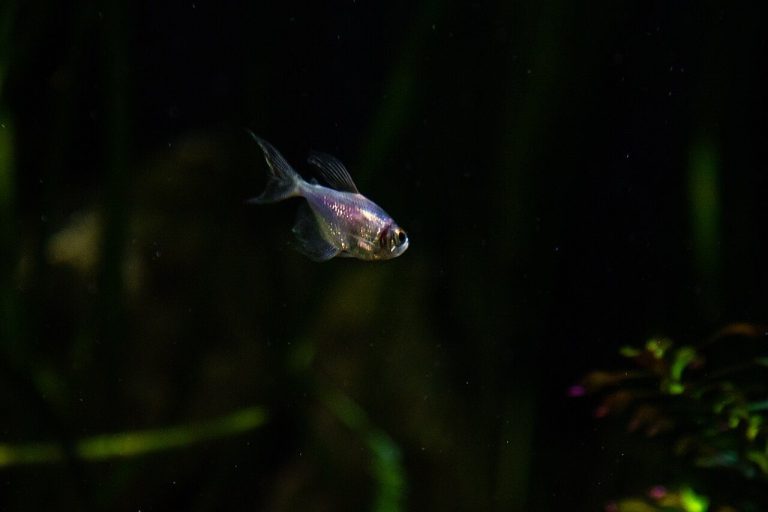
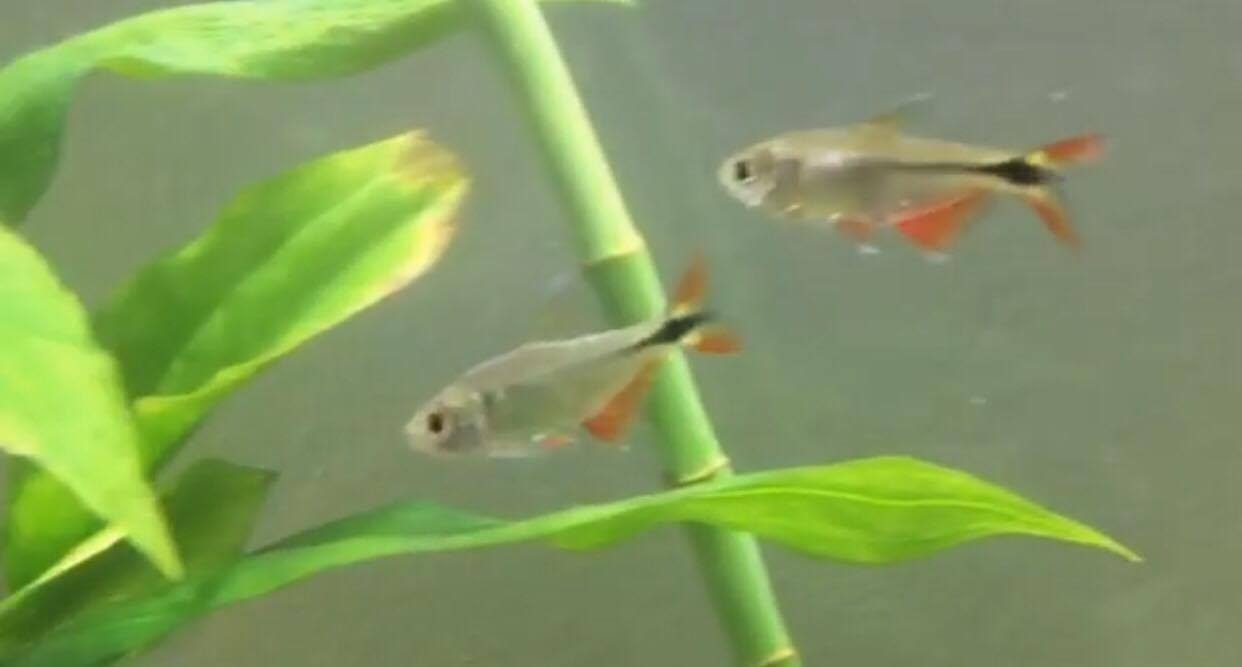
In my experience, using a darker substrate helps the silver scales and red fins of these fish “pop” visually. A mix of river stones and driftwood can mimic the La Plata River basin effectively.
Avoid sharp rocks, as these tetras are fast swimmers and can occasionally bump into decor during a feeding frenzy. Smooth pebbles and cured bogwood provide a natural look while keeping the fish safe.
Make sure to leave plenty of open space in the middle of the tank. While they appreciate some hiding spots, they spend most of their time in the water column’s upper and middle sections.
Filtration and Water Movement
Because cooler water holds more oxygen, you might think you can skimp on filtration, but the opposite is true. These fish have high metabolisms and produce a fair amount of waste.
A high-quality canister filter or a strong hang-on-back filter is essential. I’ve noticed that they actually enjoy a moderate current, as it encourages them to swim against the flow, keeping them fit and healthy.
Proper water movement also makes sure that there are no “dead spots” where the temperature might drop too low compared to the rest of the room. Consistency is key even in a cold water setup.
The Challenge of Living Plants
One of the most famous (or infamous) traits of the Buenos Aires tetra is their appetite for greenery. Most tetras are safe with plants, but these guys are essentially aquatic goats.
If you put soft-leaved plants like Amazon Swords or Anacharis in a buenos aires tetra cold water tank, they will likely be shredded within days. This can be frustrating for aquascapers.
However, you can still have a green tank if you choose the right species. I have had great success using Ceratophyllum demersum (Hornwort) and Java Fern.
Pro Tip: To protect your plants, try “pre-feeding” your tetras with blanched zucchini or spinach. If they are full of fiber from veggies, they are less likely to see your expensive aquatic plants as a salad bar.
Hardy Plant Options for Subtropical Tanks
Java Fern (Leptochilus pteropus) is an excellent choice because its leaves are tough and bitter-tasting. Most fish, including the Buenos Aires tetra, find them unpalatable.
Anubias species are also quite resilient. Their thick, waxy leaves can usually withstand the occasional “test bite” from a curious tetra.
Lastly, floating plants like Duckweed can be used, but be prepared for the tetras to eat them. In this case, the Duckweed serves as a healthy, natural snack rather than a permanent decorative feature.
Choosing Compatible Tank Mates
Finding the right companions for a buenos aires tetra cold water tank requires some thought. You need fish that can handle the cooler temperatures and the tetras’ boisterous personality.
Because Buenos Aires tetras can be “nippy,” especially if kept in small groups, you should avoid slow-moving fish with long, flowy fins. Fancy goldfish, for example, are often a poor choice despite sharing the same temperature preferences.
I have found that Rosy Barbs and White Cloud Mountain Minnows make fantastic companions. They share the same energy levels and can easily hold their own in a busy community.
If you are curious about other combinations, you might wonder can neon tetra fish live with goldfish? While the temperature overlap is small, the Buenos Aires tetra is a much more strong choice for a goldfish-style temperature range.
| Compatible Tank Mate | Why They Work |
|---|---|
| Rosy Barb | Does well in cool water; fast enough to avoid nipping. |
| Zebra Danio | Extremely hardy; enjoys the same active swimming space. |
| Weather Loach | Bottom dweller that loves cooler subtropical temperatures. |
| Bristlenose Pleco | Tough exterior; handles a wide range of temperatures well. |
Feeding and Nutrition in Cooler Waters
Dietary needs in a buenos aires tetra cold water tank are slightly different than in a tropical one. While their metabolism is slightly slower in cool water, they still require high-quality fuel.
I recommend a base of high-quality flake or pellet food. Using the best fish food for tetras helps make sure they get the vitamins needed to maintain those bright red fins.
Since they are omnivores, you must include vegetable matter in their diet. Spirulina flakes or specialized herbivore pellets are great for keeping their digestive systems moving.
Occasionally, I offer frozen treats like bloodworms or brine shrimp. These protein boosts are especially important if you are trying to condition them for potential breeding.
Health and Disease Management
One of the biggest concerns in any aquarium is disease, and cooler tanks have their own specific risks. The most common issue is Ichthyophthirius multifiliis, commonly known as Ich.
In a buenos aires tetra cold water tank, the life cycle of the Ich parasite is slower than in a tropical tank. This can make it harder to spot initially, as the white spots may take longer to appear.
However, because these fish are so hardy, they often recover quickly if the water quality is kept high. I always keep a bottle of copper-free medication on hand just in case.
Maintaining a stable temperature is more important than the actual number on the thermometer. Rapid swings in temperature, even within the “cold” range, can stress the fish and lower their immune systems.
Pro Tip: If you do need to treat for Ich in a cold water tank, don’t just crank up the heat. These fish are used to cooler water, and a sudden jump to 82°F for treatment can be more stressful than the parasite itself. Instead, use a medication specifically labeled for use in cooler temperatures.
Common Mistakes to Avoid
The most frequent mistake I see with a buenos aires tetra cold water tank is under-stocking the school. These fish are semi-aggressive when kept in small numbers.
If you only have two or three, they will likely bully each other or their tank mates. A group of at least six is the “magic number” to disperse aggression and make them feel secure.
Another common pitfall is neglecting water changes. People often assume that because the water is cool, it stays clean longer, but nitrogenous waste builds up at the same rate regardless of temperature.
Lastly, don’t forget about the “jump factor.” Buenos Aires tetras are Olympic-level jumpers, especially when they are playing or chasing each other. Always keep a tight-fitting lid on your aquarium.
Still wondering?
Do I need a heater for my Buenos Aires tetra tank?
If your home stays consistently between 65°F and 72°F, you likely do not need a heater. However, if your room temperature drops below 60°F at night, a small heater set to a low setting can provide safety and stability.
Can I keep Buenos Aires tetras with tropical fish?
Yes, they are very adaptable. While they stay healthy in a buenos aires tetra cold water tank, they can also live in tropical temperatures up to 78°F. Just be aware that their metabolism will speed up, and they may become more aggressive.
Why are my tetras nipping the fins of other fish?
Nipping is usually a sign of a school that is too small or a tank that is too cramped. Increasing the school size to 8 or 10 often solves this problem by focusing their attention on each other rather than their neighbors.
What are the best “edible” plants for them?
If you want to provide natural forage, Duckweed and Salvinia are great. They grow fast enough that the tetras can snack on them without completely depleting the population.
How long do they live in a cold water setup?
With proper care, a Buenos Aires tetra can live for 5 to 7 years. In some cases, the slightly slower metabolism of a cooler tank can even extend this lifespan compared to a high-heat tropical setup.
Wrapping up
Creating a buenos aires tetra cold water tank is a fantastic way to enjoy a high-energy, beautiful aquarium without the complexity of heaters and high-maintenance tropical plants. Their silver shimmer and vivid red accents bring life to any room.
If you respect their subtropical origins and providing them with plenty of swimming room and a varied diet, you help a healthy environment for years to come.
Choose your plants wisely and keep them in a proper school. If you do that, your Buenos Aires tetras will reward you with a spectacular display of natural behavior and hardiness that few other species can match.

- 2003First tank
- 20+Years keeping
- 40+Tanks kept
- 0Sponsored picks
Howard set up his first 10-gallon planted tank in 2003 and lost half of it within six weeks. Two decades and more than forty aquariums later, he writes the guides he wished he had then: clear numbers, the reasons behind them, and what actually goes wrong in home tanks.