Diamond Tetra For Beginners – Care Guide
Diamond Tetras are excellent for beginners because they are hardy, peaceful, and adapt well to various water conditions. Providing a 20-gallon tank with plenty of plants and a small school ensures they remain healthy and rich.
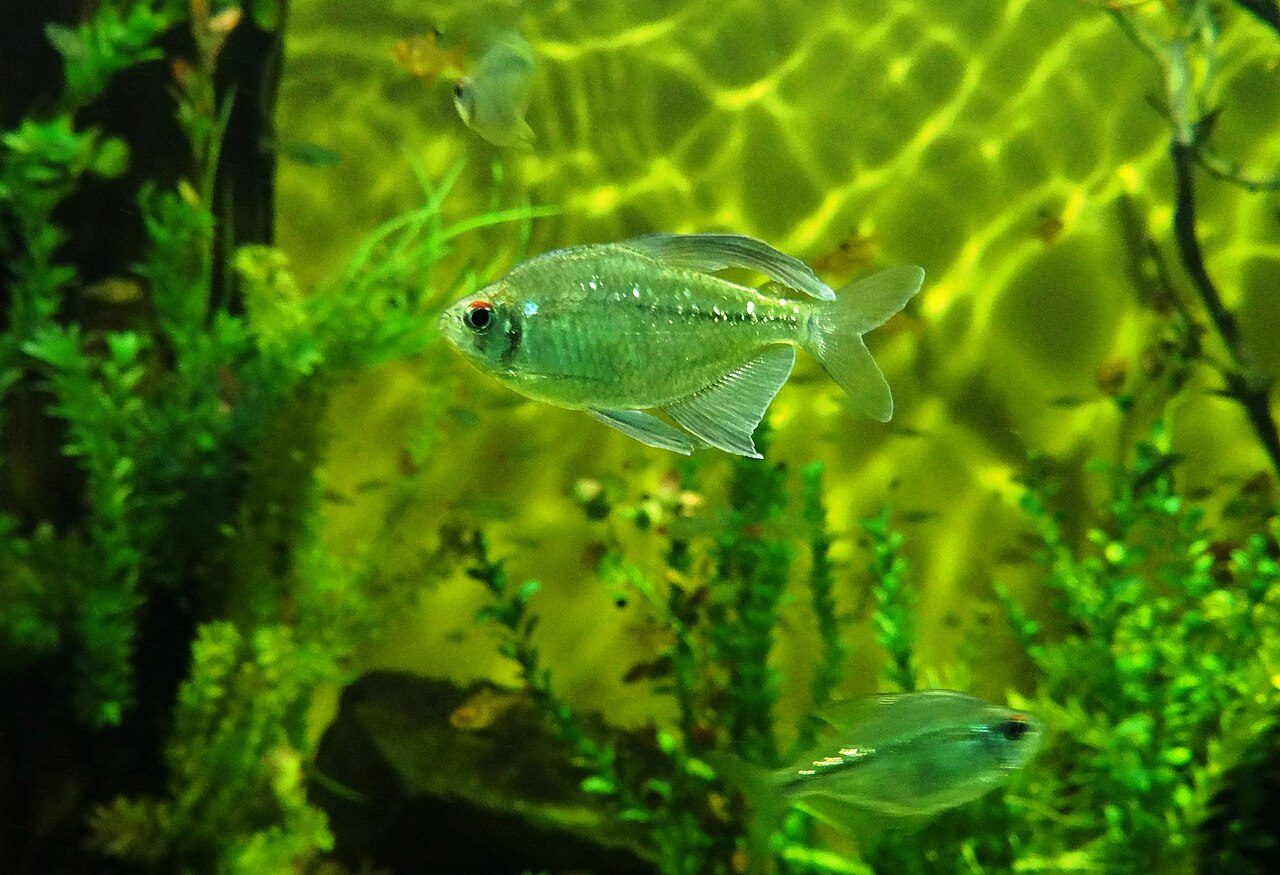
Few fish can transform an aquarium quite like the Diamond Tetra. When the light hits their scales just right, they erupt into a display of shimmering silver and violet that rivals any high-end reef fish.
I remember the first time I added a school of these beauties to my 40-gallon breeder. They looked a bit plain in the fish store tank, but once they settled into a well-planted environment, their “diamonds” began to sparkle.
If you are looking for a fish that is both resilient and visually striking, the Diamond Tetra for beginners is a top-tier choice. In this guide, we will explore everything you need to know to help these shimmering gems stay healthy in your home.
Pro Tip: Diamond Tetras often look “washed out” in pet store tanks due to stress and bright lights. Don’t let their dull appearance fool you; once they are comfortable in a home aquarium with dark substrate, their colors will intensify significantly.
At a glance: Diamond tetra (Moenkhausia pittieri)
- Temperature
- 75–82°F (24–28°C)
- Water pH
- 6.0–7.5
- Adult size
- 2.5 in (6 cm)
- Minimum tank
- 20 gal
- Group size
- Groups of 6+
- Temperament
- Peaceful
- Diet
- Omnivore: flakes, pellets, live and frozen foods
- Lifespan
- 5–6 years
Keeper’s tip: The sparkling scales take months to develop; young fish in stores look fairly plain.
Understanding the Diamond Tetra (Moenkhausia pittieri)
The Diamond Tetra, scientifically known as Moenkhausia pittieri, belongs to the family Characidae. They are native to South America, specifically the Lake Valencia basin in Venezuela.
What makes them unique is the presence of guanine iridophores on their scales. These specialized cells reflect light, creating that iconic “diamond” effect that gives them their name.
Unlike many other tetras that stay quite small, the Diamond Tetra is a bit more solid. They can grow up to 2.5 inches in length and have a deep-bodied shape that adds a nice vertical presence to your tank.
Natural Habitat and Behavior
In the wild, these fish inhabit slow-moving waters enriched with humic substances from decaying vegetation. This creates a slightly acidic environment that is rich in tannins.
They exhibit interesting shoaling behavior, meaning they prefer to stay in groups. In my experience, a group of at least six to eight individuals is necessary to see their natural social interactions and reduce stress.
When kept in a proper school, the males will occasionally engage in “sparring” displays. They flare their long, flowing dorsal fins and circle each other to establish a pecking order, which is a joy to watch.
Setting Up Your Diamond Tetra Aquarium
Success with the Diamond Tetra for beginners starts with a proper foundation. While they are hardy, they do have specific preferences regarding their physical environment.
I always recommend a minimum of a 20-gallon “long” tank for a small school. This provides enough horizontal swimming space for their active nature and allows for a stable biological balance.
Using a dark substrate, such as black sand or fine gravel, is a trick I’ve used for years. The dark background makes their reflective scales pop and mimics the murky bottoms of their natural Venezuelan home.
The Importance of Live Plants
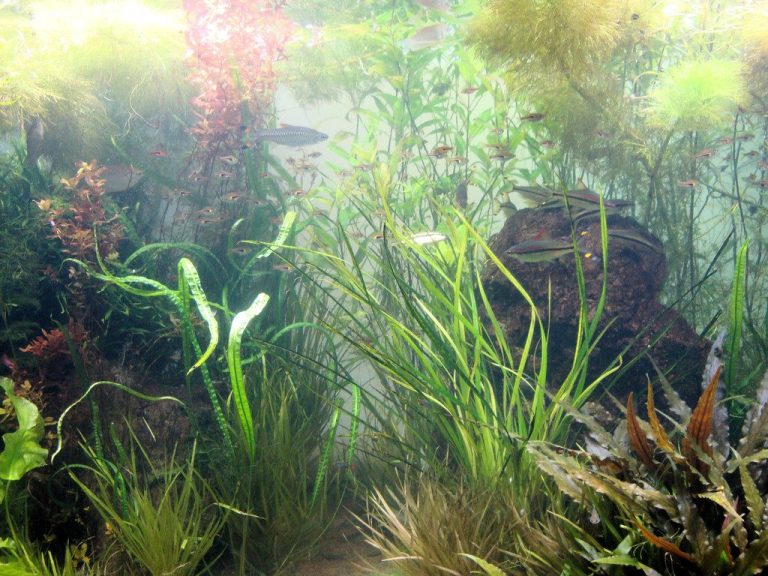
Diamond Tetras love a heavily planted tank. They feel most secure when they have a “forest” to retreat into if they feel threatened by shadows or sudden movements.
I suggest using a mix of tall background plants like Vallisneria and floating macrophytes like Amazon Frogbit. The floating plants help dim the light, which encourages the fish to spend more time in the open.
Pro Tip: Diamond Tetras have a reputation for occasionally nipping at very soft-leaved plants if they aren’t getting enough greens in their diet. Stick to hardier plants like Anubias, Java Fern, or Cryptocoryne to make sure your aquascape stays intact.
| Requirement | Recommendation |
|---|---|
| Minimum Tank Size | 20 Gallons (Long) |
| Substrate Type | Dark Sand or Fine Gravel |
| Lighting | Moderate (with shaded areas) |
| Plant Preference | Heavy planting with open swimming space |
Ideal Water Parameters and Maintenance
Maintaining stable water conditions is the secret to a long-lived Diamond Tetra. While they are adaptable, they flourish best in water that mimics the soft, acidic conditions of Lake Valencia.
The temperature should be kept in the tropical range, ideally between 72°F and 82°F. I have found that keeping them at a steady 76°F is the “sweet spot” for both activity and color.
In terms of chemistry, they prefer a pH between 6.0 and 7.5. If your tap water is very hard, you might consider using peat filtration or adding Indian Almond leaves to naturally lower the carbonate hardness.
Filtration and Water Flow
A high-quality hang-on-back (HOB) filter or a sponge filter works well for these fish. They don’t enjoy a “whirlpool” effect, so help the flow isn’t so strong that they are constantly fighting the current.
Regular water changes are non-negotiable. I recommend changing 20-30% of the water every week to keep nitrates low and replenish essential minerals.
Clean water is the best preventative medicine. If you are just starting out, checking out our guide on best tetra fish for beginners can give you more context on how Diamonds compare to other hardy species.
Diet and Nutrition for Maximum Sparkle
To get that brilliant “diamond” shimmer, you must provide a varied and high-quality diet. These fish are omnivores and will eat almost anything you drop into the tank.
A high-quality flake or micro-pellet should be the staple. Look for foods that contain natural color enhancers like spirulina or krill meal.
However, dry food alone isn’t enough for them to reach their full potential. I’ve noticed a significant difference in their vitality when I supplement their meals with live or frozen foods.
Recommended Foods
- Frozen Foods: Bloodworms, brine shrimp, and daphnia are excellent choices.
- Live Foods: Wingless fruit flies or baby brine shrimp provide great enrichment.
- Vegetable Matter: Occasional blanched zucchini or high-quality veggie flakes help prevent them from nipping your plants.
Feeding twice a day in small amounts is better than one large feeding. Only provide what they can consume in about two minutes to avoid polluting the water. For more detailed feeding tips, you might find our article on best fish food for tetras very helpful.
Choosing Tank Mates for Your Diamond Tetras
Diamond Tetras are generally peaceful, making them fantastic candidates for a community tank. However, because they are active and can be somewhat large for a tetra, they shouldn’t be kept with very shy or slow-moving species.
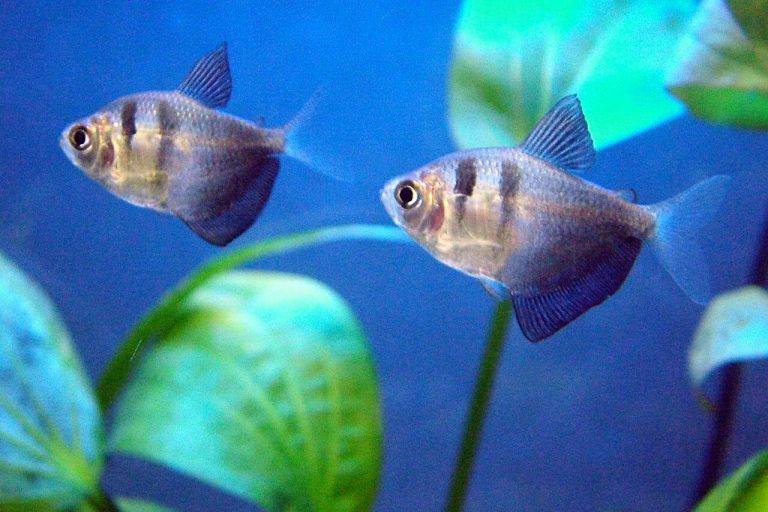
They do exceptionally well with other medium-sized tetras. You might consider pairing them with species like the black phantom tetra to create a beautiful contrast of shapes and colors.
Bottom-dwellers like Corydoras catfish or smaller loaches are also perfect companions. They stay out of the Diamond Tetras’ swimming space and help keep the substrate clean.
Compatibility with Bettas and Shrimp
Many people ask if they can keep a Diamond Tetra for beginners with a Betta fish. While it is possible in a larger tank, you must be careful.
Diamond Tetras are fast and can sometimes be “fin nippers” if they are bored or in too small of a group. If you’re interested in this specific combination, check out our guide on Diamond Tetra with Betta fish for a deeper dive.
As for shrimp, adult Amano shrimp are usually safe. However, tiny Neocaridina (Cherry Shrimp) might be viewed as a snack by a hungry adult Diamond Tetra.
| Compatible Tank Mates | Incompatible Tank Mates |
|---|---|
| Corydoras Catfish | Large Cichlids (Oscar, Jack Dempsey) |
| Harlequin Rasboras | Slow-moving fancy Goldfish |
| Bristlenose Plecos | Very small shrimp (as snacks) |
| Dwarf Gouramis | Aggressive Fin Nippers (Tiger Barbs) |
Health and Disease Prevention
Diamond Tetras are generally sturdy, but they aren’t invincible. The most common issue beginners face is Ichthyophthirius multifiliis, commonly known as Ich or White Spot Disease.
Ich often appears as small white grains of salt on the fish’s body and fins. This usually happens after a sudden temperature drop or a stressful event like moving into a new tank.
Another condition to watch for is fin rot. This is typically a bacterial issue caused by poor water quality. If you notice the edges of their beautiful fins becoming ragged or white, it’s time for a water change and possible medication.
Quarantine is Key
Whenever you buy new fish, I highly recommend using a quarantine tank for 2-4 weeks. This prevents you from introducing parasites or bacteria into your main display tank.
Keep an eye out for “flashing,” which is when a fish rubs its body against the substrate or decor. This is a classic sign of external parasites and should be treated immediately with aquarium salt or copper-based medications.
Maintaining a stress-free environment with plenty of hiding spots and clean water is the best way to keep their immune systems strong. A healthy Diamond Tetra can live for 3 to 5 years in a well-managed aquarium.
Breeding Diamond Tetras for Beginners
While breeding might seem advanced, Diamond Tetras are actually one of the easier tetras to spawn. They are egg scatterers, meaning they release their eggs into the water column or among plants.
To encourage spawning, you should separate a pair and feed them high-quality live foods for a week. A small 5-10 gallon breeding tank with a mesh bottom or plenty of Java Moss is ideal.
The mesh or moss protects the eggs because the parents will unfortunately eat their own eggs if given the chance. Once the eggs are laid, remove the adults immediately.
Raising the Fry
The eggs will typically hatch within 24 to 36 hours. At this stage, the fry are tiny and will need microscopic food like infusoria or specialized liquid fry food.
After a few days, they will be large enough to handle freshly hatched brine shrimp. Watching the tiny “diamonds” grow and develop their shimmer is one of the most satisfying experiences in the hobby.
Be patient with the fry. They grow relatively slowly compared to some other species, but their colors will begin to show after a few months of consistent feeding and clean water.
FAQ: Common Questions About Diamond Tetras
How many Diamond Tetras should be kept together?
You should keep a minimum of 6 Diamond Tetras together. They are schooling fish, and keeping them in a group reduces stress and brings out their best colors and behaviors.
Are Diamond Tetras aggressive?
No, they are generally peaceful. However, they are very active and can occasionally nip the fins of slow-moving fish if they are kept in a tank that is too small or if their school is too small.
Do Diamond Tetras eat plants?
They may occasionally nibble on soft-leaved plants like Hygrophila or Cabomba. Providing them with some vegetable-based flakes or blanched greens usually stops this behavior.
Why is my Diamond Tetra not shimmering?
This is usually due to stress, poor water quality, or inadequate lighting. Ensure your water parameters are correct and try using a dark substrate to help their iridophores reflect light better.
Can Diamond Tetras live in a 10-gallon tank?
I do not recommend a 10-gallon tank for Diamond Tetras. They are active swimmers and grow large enough that a 10-gallon tank will quickly become cramped and difficult to keep stable.
My final take
The Diamond Tetra for beginners is a satisfying choice that brings elegance and life to any freshwater setup. Their shimmering scales and active personalities make them a standout species for those moving beyond the most basic fish.
If you provide them with a spacious, well-planted aquarium and a varied diet, you make sure they live a long and healthy life. Keep them in a school, maintain your water quality, and enjoy the spectacular light show they provide.
Whether you are setting up your first community tank or looking to add some sparkle to an existing one, the Diamond Tetra is a gem that lives up to its name.

- 2003First tank
- 20+Years keeping
- 40+Tanks kept
- 0Sponsored picks
Howard set up his first 10-gallon planted tank in 2003 and lost half of it within six weeks. Two decades and more than forty aquariums later, he writes the guides he wished he had then: clear numbers, the reasons behind them, and what actually goes wrong in home tanks.