Neon Tetra pH Level – Care Guide
The ideal neon tetra ph level ranges from 6.0 to 7.0. While they do well in slightly acidic, soft water, maintaining a stable pH is far more important for their health than achieving a specific number.
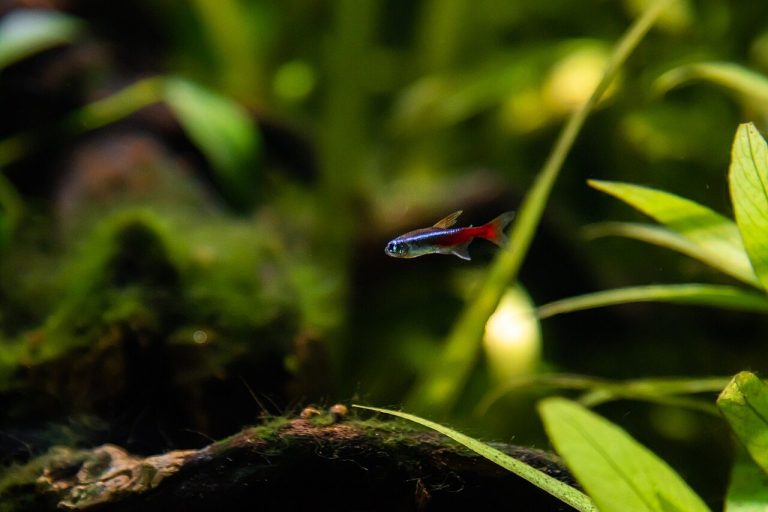
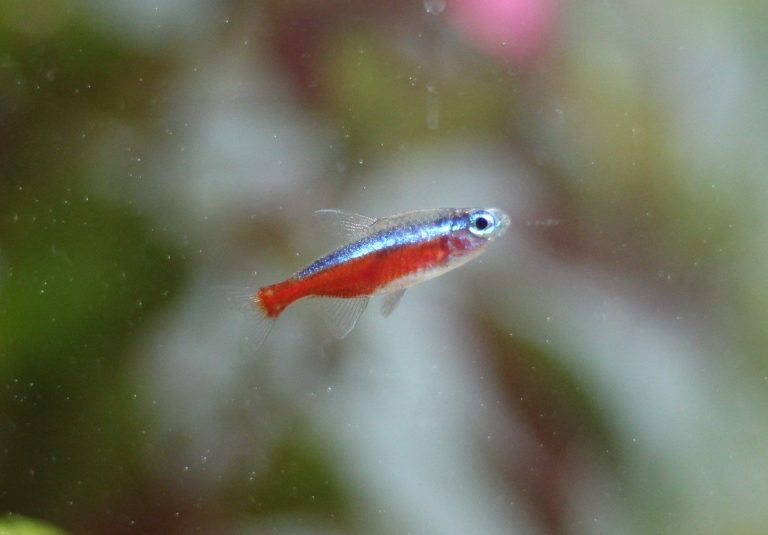
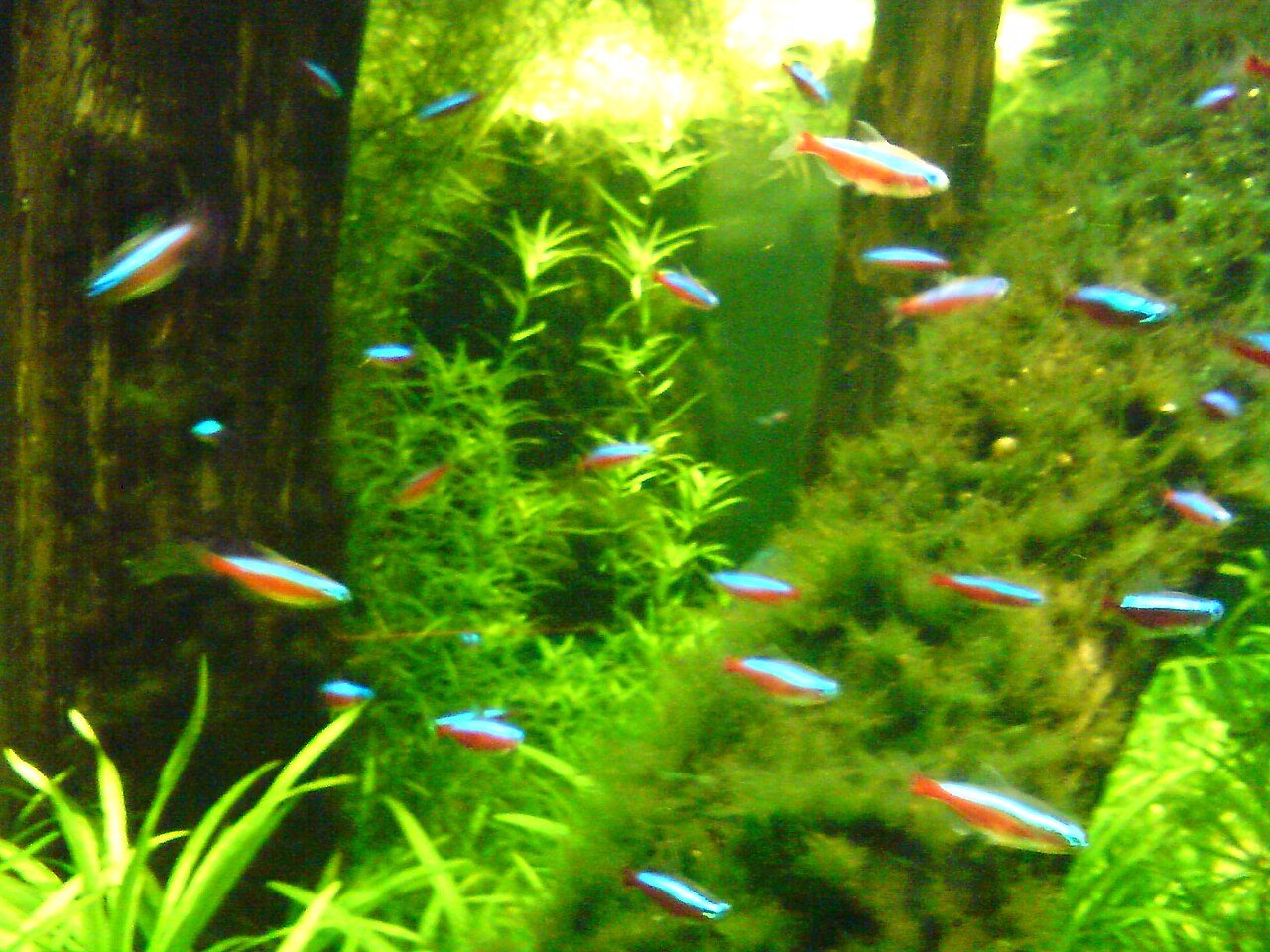
When you first bring home a school of Paracheirodon innesi, you are likely captivated by their shimmering blue and red stripes. These fish are staples of the hobby, but they are also sensitive creatures that require specific conditions to stay healthy.
In my experience, the most misunderstood aspect of their care is the neon tetra ph level. Many beginners panic when their tap water doesn’t perfectly match the blackwater streams of the Amazon.
I have spent over a decade maintaining various community tanks, and I’ve learned that success with Neons comes down to a balance of chemistry and consistency. Let’s look closely at how you can master your water parameters for a vivid, healthy school.
At a glance: Neon tetra (Paracheirodon innesi)
- Temperature
- 72–78°F (22–26°C)
- Water pH
- 6.0–7.0
- Adult size
- 1.5 in (4 cm)
- Minimum tank
- 10 gal (20 gal for a proper school)
- Group size
- Groups of 8+
- Temperament
- Peaceful
- Diet
- Omnivore: micro pellets, flakes, frozen daphnia
- Lifespan
- 5–8 years
Keeper’s tip: Add neons only to a fully cycled, stable tank; they are among the first fish to suffer from ammonia swings.
Why the Neon Tetra pH Level Matters for Your Fish
The pH level is a measurement of how acidic or basic your aquarium water is on a scale of 0 to 14. For neon tetras, this value directly impacts their biological functions, specifically a process called osmoregulation.
Osmoregulation is how a fish maintains the balance of salt and water inside its body relative to the water outside. When the neon tetra ph level is too far outside their natural range, their bodies have to work overtime just to survive.
If the pH is too high (alkaline), it can lead to chronic stress, which suppresses their immune system. In my early years, I lost several schools because I didn’t realize my hard tap water was slowly exhausting my fish.
The Ideal Water Parameters for Neon Tetras
To provide the best environment, we should look at the waters they originate from in South America. These are typically soft, acidic environments rich in organic matter.
While the neon tetra ph level is the star of the show, it doesn’t work in a vacuum. You also need to consider General Hardness (GH) and Carbonate Hardness (KH).
| Parameter | Ideal Range | Acceptable Range |
|---|---|---|
| pH Level | 6.0 – 6.8 | 5.5 – 7.5 |
| Temperature | 72°F – 76°F | 70°F – 81°F |
| Carbonate Hardness (KH) | 1 – 2 dKH | 0 – 4 dKH |
| General Hardness (GH) | 2 – 5 dGH | 1 – 10 dGH |
Maintaining these specific water parameters is the foundation of a successful tank. If you notice your fish are pale or hiding, the pH is often the first thing you should check.
Pro Tip: Stability Over Perfection
I have seen many hobbyists kill their fish by chasing a “perfect” pH of 6.5 using chemical buffers. It is much safer to keep your fish at a stable pH of 7.4 than to have it swing between 6.0 and 7.0 every time you do a water change.
Understanding the Relationship Between pH and KH
You cannot talk about the neon tetra ph level without mentioning Carbonate Hardness (KH). Think of KH as a “buffer” that prevents your pH from crashing or spiking.
If your KH is very low (0-1 dKH), your pH can become unstable. This is because there aren’t enough minerals to neutralize the acids produced by fish waste and decaying plants.
However, if your KH is very high, it becomes extremely difficult to lower the pH. This is why many people who use tap water struggle to create an acidic environment for their tetras.
Natural Ways to Lower Your Neon Tetra pH Level
If your tap water is naturally alkaline, you might want to bring the pH down gently. I always recommend natural methods over liquid chemicals, as they provide a more gradual shift.
One of my favorite methods is using tannins. Tannins are organic compounds released by wood and leaves that naturally acidify the water and provide a “tea-stained” look.
Using Indian Almond Leaves (Terminalia catappa)
Indian Almond Leaves, or Terminalia catappa, are a miracle for soft-water fish. They release humic acid, which slowly lowers the pH while providing antibacterial benefits.
I usually drop one or two large leaves into the back of my 20-gallon tank. Within a few days, the water takes on a beautiful amber tint, and the Neons look much more relaxed.
Peat Filtration
Peat filtration is another effective way to manage the neon tetra ph level. You can buy aquarium-safe peat moss and place it in a mesh bag inside your filter.
As water passes through the peat, it softens and becomes more acidic. This method mimics the natural filtration process found in the Amazon basin.
Driftwood Integration
Adding natural driftwood, such as Mopani or Bogwood, is a permanent way to influence water chemistry. Driftwood slowly leaches tannins over months or even years.
In my experience, a tank heavily decorated with natural wood rarely has issues with high pH. Plus, it provides excellent hiding spots for your schooling fish.
Advanced Methods: Reverse Osmosis (RO) Water
For serious breeders or those with extremely hard tap water, Reverse Osmosis (RO) is the gold standard. An RO system filters out almost all minerals, leaving you with “blank slate” water.
Because RO water has a KH of zero, you must re-mineralize it before adding it to your tank. If you don’t, the neon tetra ph level could crash dangerously low overnight.
I often mix 50% RO water with 50% tap water. This dilutes the hardness of the tap water while keeping enough minerals to maintain a stable environment.
| Method | Pros | Cons |
|---|---|---|
| Indian Almond Leaves | Natural, antifungal, cheap | Discolors water (tannins) |
| Peat Moss | Highly effective at softening | Can be messy in filters |
| RO Water | Complete control over water | Expensive equipment needed |
| Driftwood | Beautiful and long-lasting | Initial buoyant issues |
Recognizing pH Shock and Acidosis
If the neon tetra ph level changes too quickly, your fish may suffer from pH shock. This is most common when bringing new fish home from a store that has different water chemistry.
Acidosis occurs when the pH drops too low, too fast. You might see your fish darting frantically, gasping at the surface, or developing excess mucus on their skin.
On the flip side, “Alkalosis” happens when the pH is too high. This often causes frayed fins and a general loss of color in your school.
Pro Tip: The Drip Acclimation Method
Whenever I add new tetras to my tanks, I use a drip acclimation kit. By slowly dripping my tank water into the store bag over 60 minutes, I allow the fish to adjust to my specific pH without the risk of shock.
If you are new to the hobby, reading a comprehensive care guide can help you avoid these common pitfalls. Proper acclimation is just as important as the water parameters themselves.
How to Safely Test Your Water
To maintain a healthy neon tetra ph level, you need reliable testing tools. I strongly advise against using paper test strips, as they are notoriously inaccurate.
Instead, invest in a high-quality liquid test kit. These kits allow you to see exactly where your pH, KH, and GH stand with much better precision.
In a newly established tank, I test the water every two days. Once the tank is seasoned and stable, a weekly check during your water change is usually sufficient.
The Role of Live Plants in Water Chemistry
Keeping live plants is one of the best ways to stabilize your aquarium. Plants like Java Fern, Amazon Swords, and Anubias help consume nitrates and provide a natural buffer.
During the day, plants consume CO2, which can cause the pH to rise slightly. At night, they release CO2, which can cause it to drop.
In a well-balanced tank, these fluctuations are minor and perfectly natural. Following a guide on caring for these bright fish will often emphasize the importance of a planted habitat.
Quick answers
Can neon tetras live in a pH of 8.0?
While they can technically survive in a pH of 8.0 if acclimated very slowly, it is not ideal. High pH levels often lead to shorter lifespans and a lack of colorful color.
How often should I check the neon tetra ph level?
For a stable, established tank, checking once a week is perfect. If you are actively trying to adjust your pH, you should test every 24 hours to make sure the change is gradual.
Does driftwood always lower pH?
Most driftwood will lower pH by releasing tannins. However, if your water has a very high KH (carbonate hardness), the driftwood might not be strong enough to move the needle significantly.
What is the most dangerous pH for neon tetras?
Rapid swings are more dangerous than a specific “bad” number. However, a pH below 5.0 or above 8.5 is generally considered lethal for long-term care.
Can I use “pH Down” chemicals?
I generally advise against them. These products often cause the pH to “bounce” up and down, which is much more stressful for the fish than a slightly high but stable pH.
A closing note
Mastering the neon tetra ph level is a journey of understanding your local water and the needs of your fish. While these fish love soft, acidic water, they value stability above all else.
By using natural methods like Indian Almond Leaves or driftwood, you can create a slice of the Amazon right in your living room. Avoid the temptation to use harsh chemicals, and always prioritize slow, steady changes.
With a little patience and regular testing, your neon tetras will reward you with years of dazzling color and active schooling behavior.

- 2003First tank
- 20+Years keeping
- 40+Tanks kept
- 0Sponsored picks
Howard set up his first 10-gallon planted tank in 2003 and lost half of it within six weeks. Two decades and more than forty aquariums later, he writes the guides he wished he had then: clear numbers, the reasons behind them, and what actually goes wrong in home tanks.