How To Care For Neon Tetras – Step-by-Step Guide
To care for neon tetras, provide a 10-20 gallon aquarium with stable temperatures (70-81°F), soft acidic water, and a school of at least six. Keep high water quality through regular maintenance and a high-quality, varied diet.
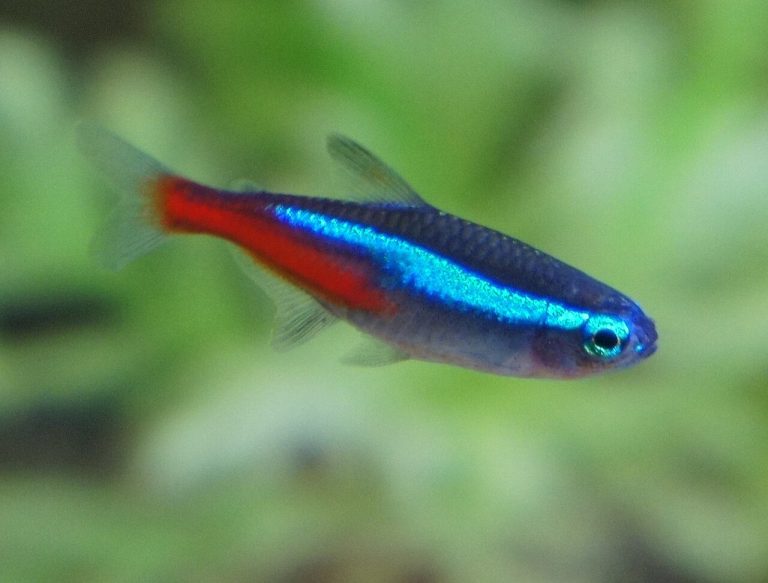
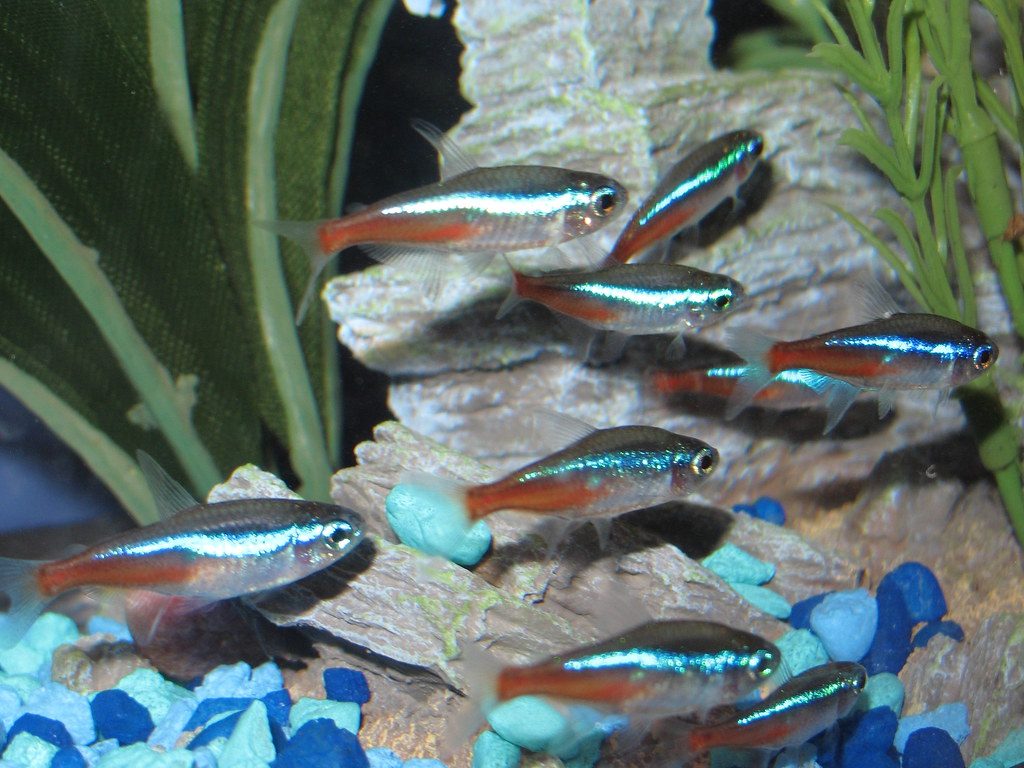
Few sights in the aquarium hobby are as iconic as a shimmering school of Paracheirodon innesi. These tiny jewels bring an incredible flash of blue and red to any planted setup.
Learning how to care for neon tetras is a satisfying journey that every aquarist should experience at least once. While they are often sold as beginner fish, they require specific conditions to flourish and display their best colors.
In my decade of keeping these South American beauties, I have found that consistency is the most important factor. If you can master their water chemistry and social needs, they will reward you with years of activity.
At a glance: Neon tetra (Paracheirodon innesi)
- Temperature
- 72–78°F (22–26°C)
- Water pH
- 6.0–7.0
- Adult size
- 1.5 in (4 cm)
- Minimum tank
- 10 gal (20 gal for a proper school)
- Group size
- Groups of 8+
- Temperament
- Peaceful
- Diet
- Omnivore: micro pellets, flakes, frozen daphnia
- Lifespan
- 5–8 years
Keeper’s tip: Add neons only to a fully cycled, stable tank; they are among the first fish to suffer from ammonia swings.
Understanding the Neon Tetra and Its Origins
Neon tetras originate from the clear water and blackwater streams of the Amazon Basin. These environments are typically shaded by dense jungle canopies and filled with fallen leaves and driftwood.
This natural habitat is rich in Tannic acid, which keeps the water slightly acidic and soft. Understanding this background is the first step in providing the best possible environment for your fish.
In the wild, they rely on their shoaling behavior to stay safe from predators. This instinct remains strong in the home aquarium, making their social structure a vital part of their care.
Pro Tip: When you first bring your tetras home, use the drip acclimation method for at least 45 minutes. These fish are sensitive to sudden changes in osmotic pressure and pH, so a slow transition is much safer than the “float and plop” method.
How to care for neon tetras: Ideal tank setup
Setting up the right environment is the foundation of long-term success. While they are small, they are active swimmers that need plenty of horizontal space to move.
A 10-gallon tank is often cited as the minimum, but I always recommend a 20-gallon long if you have the space. This extra volume provides a buffer against water quality fluctuations and allows for a larger, more natural school.
Choosing the right ideal tank size for tetras helps make sure they have enough room to establish their social hierarchy without stress. A longer tank is always better than a tall, narrow one for this species.
Substrate and Decoration
I prefer using a dark substrate, such as black sand or fine gravel, to make their colors pop. In their natural habitat, the floor is often covered in leaf litter and dark organic matter.
Adding driftwood and dried Indian almond leaves can help simulate Amazonian blackwater conditions. These elements release beneficial tannins that support the fish’s immune system and lower the pH naturally.
Lighting and Plants
Neon tetras prefer dimmed or diffused lighting, as bright lights can make them feel exposed and nervous. Floating plants like Frogbit or Salvinia are excellent for creating shaded areas.
Live plants such as Java Fern, Anubias, and Cryptocoryne provide essential hiding spots. A heavily planted tank looks beautiful and also helps maintain water quality by absorbing nitrates.
Water chemistry and the Amazonian environment
Maintaining stable water parameters is the “secret sauce” for keeping Paracheirodon innesi healthy. They are not as hardy as some other species, so regular testing is mandatory.
They stay healthy in water with low Carbonate hardness (KH) and General hardness (GH). High mineral content can lead to stress and a shortened lifespan over time.
| Parameter | Ideal Range |
|---|---|
| Temperature | 70°F – 81°F (21°C – 27°C) |
| pH Level | 6.0 – 7.0 |
| Water Hardness (GH) | 2 – 10 dGH |
| Ammonia / Nitrite | 0 ppm |
| Nitrate | < 20 ppm |
The Role of Filtration
A gentle filter is best, as neon tetras are not strong swimmers against heavy currents. A sponge filter or a hang-on-back filter with an adjustable flow rate works perfectly.
Some advanced keepers utilize Peat filtration to maintain the soft, acidic conditions they love. This involves placing aquarium-safe peat in the filter media basket to slowly leach humic substances into the water.
Temperature Stability
While they can tolerate a range of temperatures, they do best when the water remains consistent. Sudden drops in temperature can weaken their immune systems, making them susceptible to Ich.
I have noticed that keeping the tank around 75°F (24°C) provides a great balance for both the fish and most aquatic plants. Always use a high-quality heater and a reliable thermometer to monitor the environment.
Feeding for color and health
In the wild, neon tetras are omnivores that feed on small insects, larvae, and plant matter. To keep them vivid, you must provide a varied diet that mimics these natural sources.
A high-quality micro-pellet or flake should be the staple of their diet. Look for foods that contain natural color enhancers like spirulina or krill meal.
Pro Tip: Avoid feeding only dry flakes, which can lose nutritional value quickly once opened. Supplementing with frozen or live foods twice a week will drastically improve their activity levels and spawning readiness.
Live and Frozen Foods
Offering live Artemia nauplii (baby brine shrimp) is one of the best ways to trigger their natural hunting instincts. They also enjoy frozen bloodworms, daphnia, and tubifex worms.
Be careful not to overfeed, as their stomachs are only about the size of their eyes. Feed small amounts that they can consume entirely within two minutes to prevent water pollution.
Feeding Frequency
I recommend feeding your tetras once or twice a day. If you notice food falling to the bottom and remaining there, you are likely offering too much at once.
Consistent feeding schedules help reduce stress and keep the fish’s metabolism steady. If you are interested in expanding your colony, proper nutrition is the first step in breeding your fish successfully.
Choosing the best tank mates
Neon tetras are incredibly peaceful and make excellent residents for a community aquarium. However, because of their small size, they can easily become a snack for larger, aggressive fish.
The golden rule is to avoid any fish with a mouth large enough to swallow a neon tetra. This includes many larger cichlids and even some of the bigger catfish species.
When choosing compatible neighbors, look for species that share their preference for soft, acidic water. This ensures all inhabitants remain healthy and stress-free.
Great Community Partners
- Corydoras Catfish: These bottom-dwellers are peaceful and help clean up excess food.
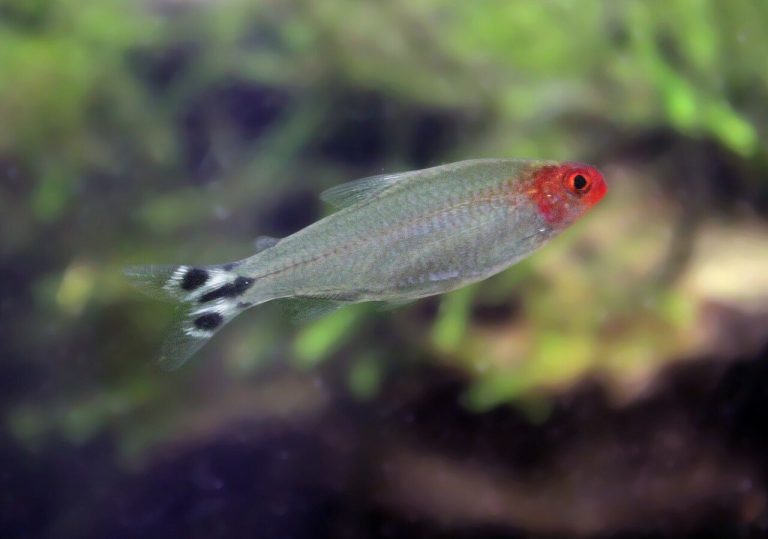
- Other Small Tetras: Rummy Nose Tetras or Ember Tetras make great companions.
- Rasboras: Harlequin Rasboras occupy the middle to upper water layers and are very docile.
- Dwarf Gouramis: These add a nice centerpiece while remaining relatively peaceful.
Shrimp and Invertebrates
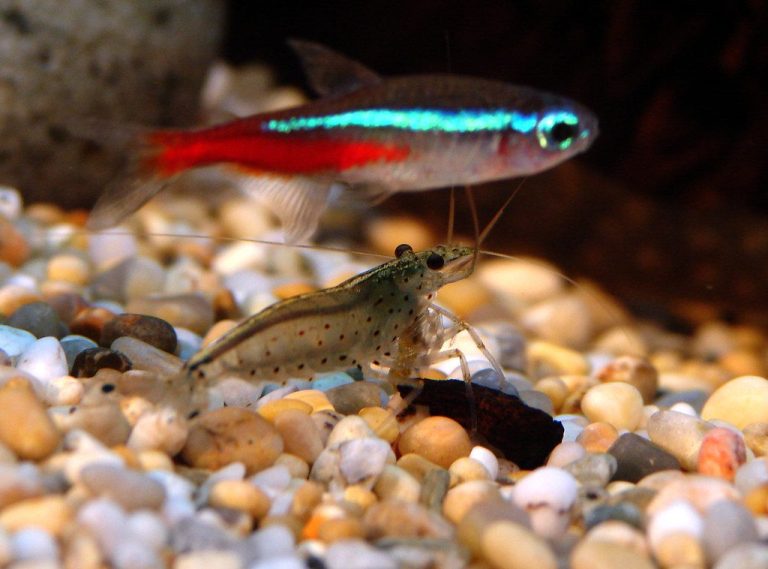
Neon tetras generally coexist well with larger shrimp like Amano shrimp or Bamboo shrimp. However, they may hunt and eat tiny Neocaridina shrimplets if the tank lacks sufficient moss and hiding places.
Snails, such as Nerite or Mystery snails, are also fantastic tank mates. They provide a different dynamic to the tank without bothering your schooling fish.
Preventing common diseases
One of the most challenging aspects of how to care for neon tetras is dealing with their specific health vulnerabilities. They are unfortunately prone to a few specific ailments that can spread quickly in a school.
The most notorious is “Neon Tetra Disease,” caused by the microsporidian parasite Plistophora hyphessobryconis. Symptoms include loss of color, cyst-like lumps on the body, and difficulty swimming.
Sadly, there is no known cure for this specific disease, so prevention is the only effective strategy. Always quarantine new fish for at least two to four weeks before adding them to your main display.
Bacterial and Fungal Issues
Columnaris is another common bacterial infection that often appears as “saddleback” lesions or white patches around the mouth. This is usually triggered by high organic waste or stress.
Maintaining a strict water change schedule is the best way to prevent bacterial outbreaks. I recommend changing 25% of the water weekly using a gravel vacuum to remove waste from the substrate.
Signs of a Healthy Tetra
- Rich, glowing blue and red stripes.
- Active shoaling behavior with the rest of the group.
- Quick response to feeding time.
- Clear eyes and smooth, intact fins.
If you notice a fish lagging behind the school or breathing heavily at the surface, it is time to test your water. Early intervention is the key to saving a struggling fish.
Things people often ask
How many neon tetras should be kept together?
You should keep a minimum of six neon tetras, but a group of 10 to 12 is much better. Larger groups provide more security and result in a much more impressive visual display.
Can neon tetras live in a 5-gallon tank?
While it is technically possible for a very small group, I do not recommend it. A 5-gallon tank is difficult to keep stable, and these fish need the swimming room provided by a 10-gallon or larger aquarium.
Why are my neon tetras losing their color at night?
This is a perfectly natural phenomenon. Neon tetras “turn off” their colors when they sleep to hide from predators. Their vibrancy should return within a few minutes of the lights coming back on.
Do neon tetras need an air stone?
If you have a filter that creates surface agitation, an air stone is usually not necessary. However, if you notice them gasping at the surface, increasing oxygenation through an air stone can help.
How long do neon tetras live?
With proper care, neon tetras typically live for 3 to 5 years. In exceptionally well-maintained tanks with low stress and perfect water quality, some have been known to reach 8 years.
The short version
Mastering how to care for neon tetras is a hallmark of a successful hobbyist. These fish may be small, but they require a dedicated approach to water chemistry, diet, and social dynamics.
If you provide them with a spacious, planted environment and mimicking the soft, acidic waters of the Amazon, you can enjoy their brilliance for years. Keep their school large, their water clean, and their diet varied.
Aquarium keeping is a continuous learning process, and the neon tetra is a wonderful teacher. Once you see a healthy school moving in perfect unison through a leafy green landscape, you will know all the effort was worth it.

- 2003First tank
- 20+Years keeping
- 40+Tanks kept
- 0Sponsored picks
Howard set up his first 10-gallon planted tank in 2003 and lost half of it within six weeks. Two decades and more than forty aquariums later, he writes the guides he wished he had then: clear numbers, the reasons behind them, and what actually goes wrong in home tanks.