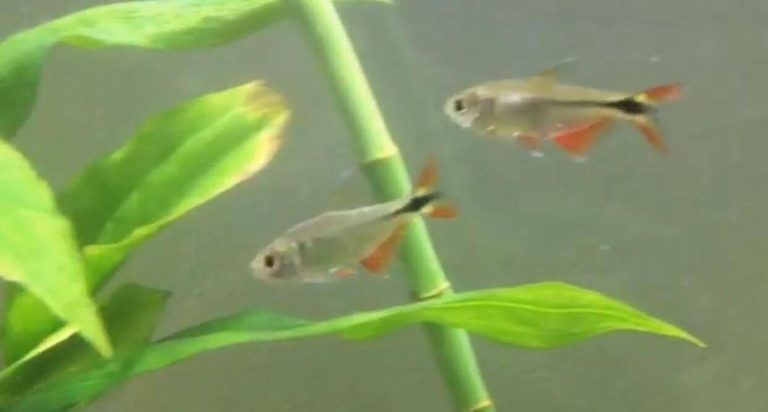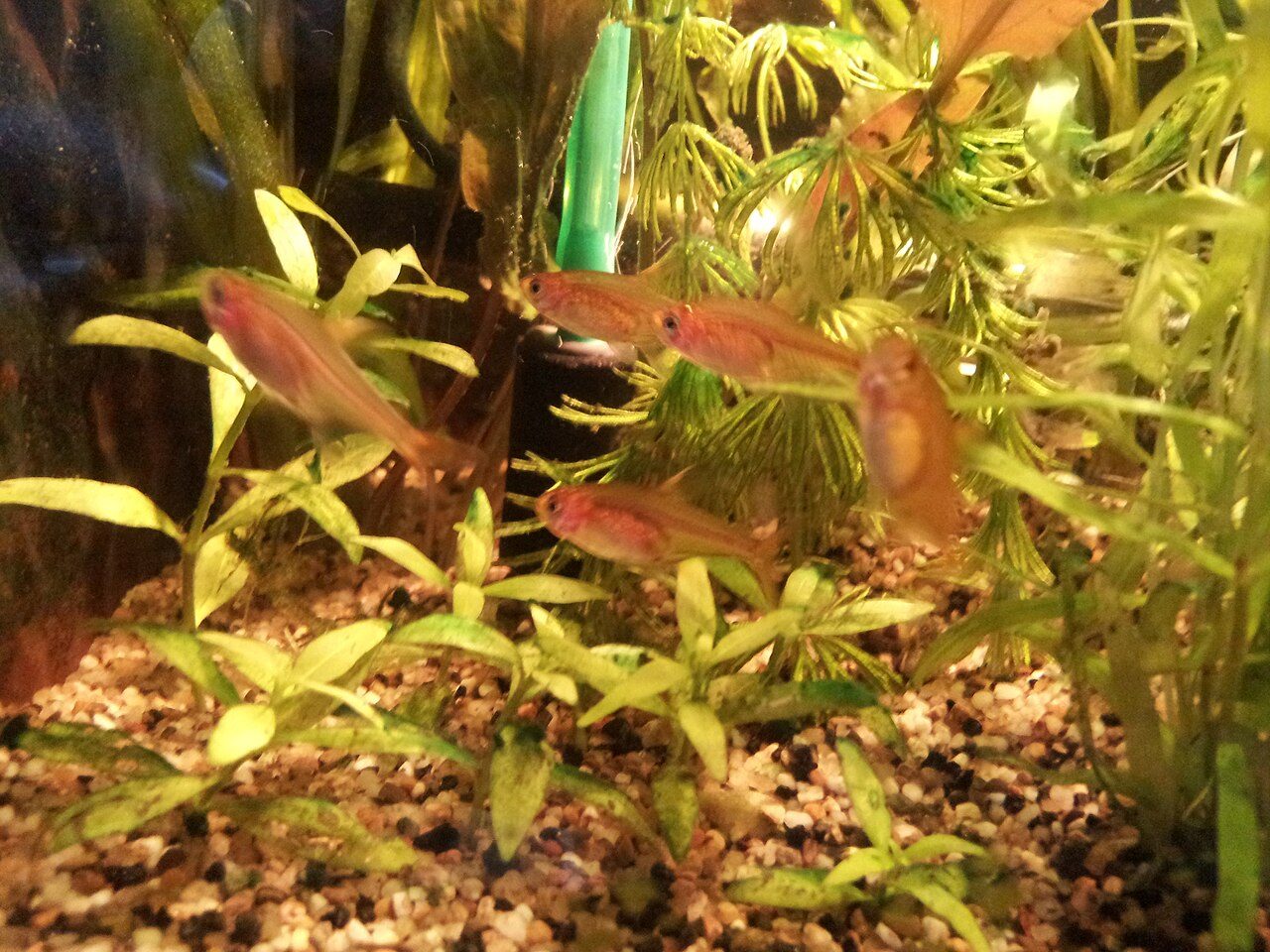
Ember Tetra Care Guide – Diet, Tank and Tank Mates
To master Ember Tetra care, provide a heavily planted 10-gallon tank with soft, acidic water (pH 5.5–7.0). Maintain temperatures between 73°F and 84°F, feed high-quality micro-foods, and keep them in schools of at least 8–10 fish.
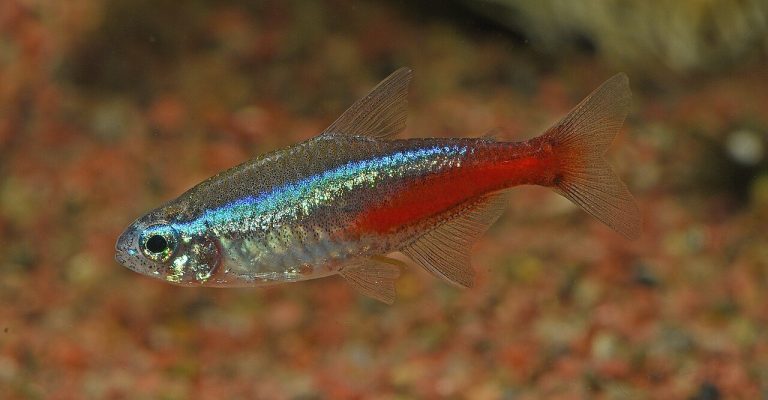
The Ember Tetra is a tiny, rich jewel that has taken the nano aquarium world by storm.
In my experience, few fish can match the intense orange-red glow of a healthy school of these characins.
This Ember Tetra care guide will walk you through everything I have learned over a decade of keeping these fiery beauties in healthy community tanks.
Scientifically known as Hyphessobrycon amandae, these fish are native to the Araguaia River basin in Brazil.
In their natural habitat, they work through slow-moving waters filled with decaying leaf litter and dense vegetation.
Bringing that environment into your home is the secret to seeing their most brilliant colors and active behaviors.
| Attribute | Requirement / Statistic |
|---|---|
| Scientific Name | Hyphessobrycon amandae |
| Adult Size | 0.8 to 1 inch (2 cm) |
| Minimum Tank Size | 10 Gallons (Recommended) |
| Temperature | 73°F – 84°F (23°C – 29°C) |
| pH Range | 5.5 – 7.0 |
| Water Hardness | 5 – 10 dGH |
| Lifespan | 2 to 4 years |
At a glance: Ember tetra (Hyphessobrycon amandae)
- Temperature
- 72–82°F (22–28°C)
- Water pH
- 5.0–7.0
- Adult size
- 0.8 in (2 cm)
- Minimum tank
- 10 gal
- Group size
- Groups of 8+
- Temperament
- Very peaceful
- Diet
- Micro-predator: crushed flakes, baby brine shrimp, micro pellets
- Lifespan
- 2–4 years
Keeper’s tip: Their colour deepens over dark substrate with plenty of plants and floating cover.
Creating the Ideal Environment: Your Ember Tetra care guide to Tank Setup
The first step in any Ember Tetra care guide is choosing the right aquarium size.
While they are exceptionally small, I always recommend at least a 10-gallon tank for a stable environment.
You might see people asking how many tetras fit in 5 gallons, but a larger volume makes managing water chemistry much easier for beginners.
Substrate and Hardscape Selection
Ember Tetras look their best against a dark background and dark substrate.
I prefer using a fine sand or specialized plant soil that allows for dense growth of aquatic flora.
Adding driftwood and dried Catappa leaves will release humic substances into the water, mimicking their natural blackwater habitat.
These tannins lower the pH naturally and also provide a boost to the fish’s immune systems.
I’ve noticed that when I use driftwood, the fish appear much more confident and spend more time in the middle of the water column.
Plants and Lighting
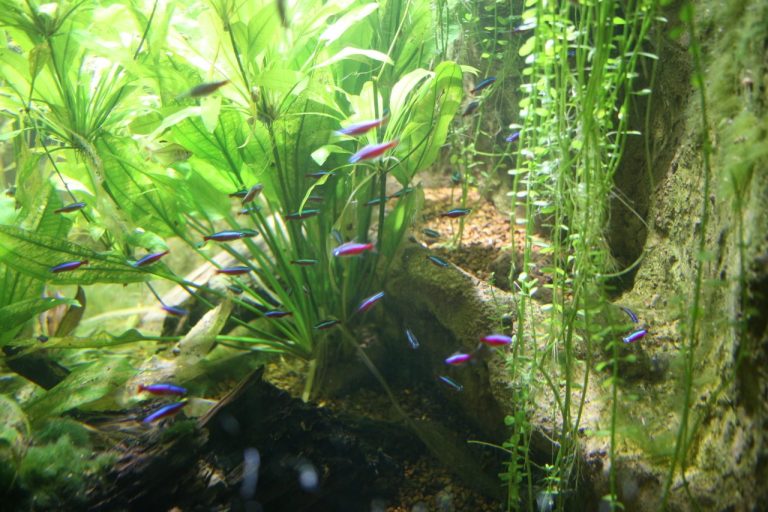
A heavily planted tank is not just an aesthetic choice; it is a requirement for these shy fish.
Incorporate plenty of Taxiphyllum barbieri (Java Moss) and floating plants like Amazon Frogbit to diffuse the light.
Bright, direct lighting can wash out their colors and cause them to hide among the stems.
Pro Tip: Use “floating islands” of plants to create shaded areas. Ember Tetras are much more likely to exhibit schooling behavior when they feel safe under a canopy of leaves.
Water Quality and Filtration for Peak Health
Maintaining pristine water is the cornerstone of a successful Ember Tetra care guide.
These fish are sensitive to sudden swings in parameters, especially ammonia and nitrites.
I always suggest a gentle sponge filter or a hang-on-back filter with a pre-filter sponge to prevent these tiny fish from being sucked in.
Managing Water Chemistry
In the wild, these fish live in very soft water with low carbonate hardness.
If your tap water is very hard, you might consider using a mix of RO (Reverse Osmosis) water and tap water.
Using peat filtration is another traditional method I have used to safely acidify the water and maintain that “tea-stained” look.
Check your water parameters weekly using a reliable liquid test kit.
Aim for a consistent temperature; I find that 77°F is the “sweet spot” for active swimming and vivid coloration.
| Parameter | Target Range | Frequency of Check |
|---|---|---|
| Ammonia / Nitrite | 0 ppm | Weekly |
| Nitrate | < 20 ppm | Weekly |
| pH | 6.0 – 6.8 | Bi-weekly |
| Temperature | 75°F – 78°F | Daily (Thermometer) |
Diet and Nutrition: Feeding the Micropredator
In their natural environment, the Ember Tetra is a micropredator.
This means they spend their days hunting for tiny invertebrates, zooplankton, and insect larvae.
To replicate this in the aquarium, you must provide a varied diet that fits their incredibly small mouths.
Recommended Foods
I have found that high-quality crushed flakes and micro-pellets should form the base of their diet.
However, to see them flourish, you should offer live or frozen foods at least three times a week.
Newly hatched Artemia salina (Brine Shrimp) are perhaps the best food for improving their deep orange pigment.
Daphnia and micro-worms are also excellent choices that encourage natural hunting behaviors.
Be careful not to overfeed, as their stomachs are roughly the size of their eyes.
Leftover food will quickly rot and foul the water, which can lead to stress and disease.
Common Mistake: Many beginners try to feed standard-sized pellets. Always crush your fish food between your fingers or use a mortar and pestle to make sure the morsels are small enough for an Ember Tetra to swallow.
Selecting Compatible Tank Mates
Because of their diminutive size, choosing neighbors is a critical part of this Ember Tetra care guide.
They are incredibly peaceful and will never bother other fish, but they can easily become a snack for larger species.
I generally follow the rule: “If it fits in a mouth, it will eventually go in a mouth.”
Best Companions
Excellent tank mates include other nano fish like Chili Rasboras, Celestial Pearl Danios, or Neon Tetras.
They also do wonderfully with peaceful bottom dwellers like Pygmy Corydoras or Otocinclus catfish.
If you are a fan of invertebrates, Ember Tetras are one of the safest fish to keep with adult Cherry Shrimp.
While they might eat the occasional shrimplet, they lack the size to hunt adult shrimp.
Avoid aggressive or fast-moving fish like Tiger Barbs or large Cichlids, which will stress the Embers into hiding permanently.
Breeding the Ember Tetra at Home
Breeding these fish is a satisfying challenge for the intermediate aquarist.
The first step is correctly identifying males and females.
Males are generally slimmer and display a more intense, saturated red color.
Females are rounder, especially when viewed from above, and tend to be a slightly paler shade of orange.
The Breeding Setup
To encourage spawning, I recommend a separate small breeding tank (5 gallons is plenty).
Fill it with soft, slightly acidic water and a large amount of spawning mops or fine-leaved plants like Java Moss.
The lighting should be very dim to mimic the forest floor conditions of the Araguaia River.
Condition the pair with high-protein live foods for a week before moving them to the breeding tank.
Once the eggs are scattered among the plants, remove the parents immediately, as they will eat their own offspring.
The fry are microscopic and will require infusoria or commercial liquid fry food for the first few days.
Health and Common Diseases
Even with the best care, fish can occasionally fall ill.
Ember Tetras are generally hardy, but they are susceptible to common freshwater ailments like Ichthyophthirius multifiliis (Ich).
I have found that stress from poor water quality is the leading cause of most outbreaks.
Identifying Stress Signs
If you notice your fish losing their color, clamping their fins, or gasping at the surface, something is wrong.
Check for white spots (Ich), fuzzy patches (fungus), or sunken bellies (internal parasites).
If you see these symptoms, consult a guide on troubleshooting tetra health issues immediately.
Always quarantine new fish for at least two weeks before adding them to your main display tank.
This simple step has saved my main aquarium from disaster more times than I can count.
Maintaining a consistent water change schedule is your best defense against almost all common diseases.
Questions I get asked a lot
How many Ember Tetras should be kept together?
You should keep a minimum of 8 to 10 Ember Tetras together.
They are a schooling species and feel much more secure in larger groups.
In my experience, a group of 15 or more creates a much more impressive visual display and reduces individual stress.
Do Ember Tetras need a heater?
Yes, they are tropical fish and require a stable temperature between 73°F and 84°F.
Fluctuating temperatures can weaken their immune systems and lead to disease.
I always recommend a high-quality, adjustable heater to maintain a steady 77°F.
Are Ember Tetras good for beginners?
They are excellent for beginners who are willing to perform regular water maintenance.
While they are small, their requirements are straightforward and they are generally forgiving.
As long as you don’t overstock the tank or skip water changes, they are very hardy.
How long do Ember Tetras live?
In a well-maintained aquarium, they typically live between 2 and 4 years.
Providing a high-quality diet and a low-stress environment is the best way to maximize their lifespan.
I have heard of some reaching 5 years under expert care, but 3 years is the average.
Final thoughts
Following this Ember Tetra care guide will help your nano aquarium is a bright, healthy ecosystem.
These fish may be small, but their personality and color are second to none in the hobby.
If you focus on soft water, dense planting, and a varied diet, you can enjoy these “living embers” for years to come.
The biggest factor is patience and observation.
Spend time watching your school every day; you will soon learn their unique behaviors and be able to spot any issues before they become problems.

- 2003First tank
- 20+Years keeping
- 40+Tanks kept
- 0Sponsored picks
Howard set up his first 10-gallon planted tank in 2003 and lost half of it within six weeks. Two decades and more than forty aquariums later, he writes the guides he wished he had then: clear numbers, the reasons behind them, and what actually goes wrong in home tanks.